
Civ 7 Early Game Strategy Guide
★ Start Here: How to Play | Early Game
★ See the Best Leaders and Civs
★ Tech, Civics, Buildings, Units, & Wonders
★ Economic, Military, Science, Culture Victories
★Recommended Guides: Treasure Fleets
┗ Map Types | Trade Routes | Migrants
This is a guide for the early game phase of Civilization VII (Civ 7), covering the Antiquity Age. Explore strategies covering general starting goals, where to settle, production priorities, early game exploration, first technologies to research, when to found new towns or cities, victory path selection, and whether to build tall or wide.
List of Contents
General Starting Goals
| Starting Tips and Tricks |
|---|
|
1. Expand Early 2. Scout the Land 3. Balance Food and Production 4. Establish a Strong Economy 5. Adapt Your Strategy |
Expand Early

In the Antiquity Age, prioritize founding cities quickly to secure key resources and strategic locations. Expanding early prevents opponents from claiming prime land and ensures access to vital resources like food, production, and luxury goods.
Aim to settle cities near bodies of water, high-yield tiles, and defensible positions. The sooner you establish cities, the faster you can generate science, culture, and military power to stay ahead.
Scout the Land
Explore early to find natural wonders, city-states, and rival civilizations. Scouts are essential for revealing the map, identifying ideal settlement locations, and discovering tribal villages that offer valuable bonuses.
Early exploration also helps you locate potential threats and allies, giving you a strategic edge in diplomacy and warfare. Keep an eye out for terrain advantages, such as defensible positions and resource clusters that can fuel your empire’s growth.
Balance Food and Production
Ensure your cities grow while maintaining strong production for units and buildings. A thriving population boosts science and culture, while production allows you to construct districts, wonders, and military units efficiently.
Establish a Strong Economy
Focus on gold generation and trade routes to sustain your empire. A healthy economy enables you to maintain armies, rush-buy buildings, and fund alliances. Establish trade routes with city-states and other civilizations to gain additional yields.
Adapt Your Strategy
React to the map, nearby civs, and available resources to shape your long-term plan. Selecting your path to victory is key to shaping your strategy.
Civ 7 Beginner Tips and Tricks
Where to Settle First
Initial City Placement
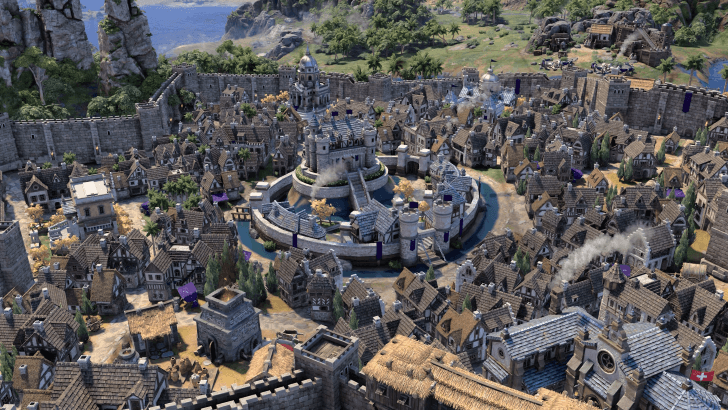
Choosing the right location for your first city sets the foundation for your empire's success, influencing growth, production, and long-term strategy.
- Near Water – Settle near lakes, navigable rivers, or coast for better housing and faster city growth.
- High-Yield Tiles – Prioritize food and production-rich tiles to boost early development.
- Strategic Resources – Secure key resources for military, economy, and happiness.
- Defensible Terrain – Hills and chokepoints offer protection from early aggression.
- Proximity to Independent Powers – Nearby Independent Powers can provide valuable bonuses and trade opportunities, provided they're not hostile.
What to Produce First
| What to Produce First? |
|---|
|
|

Units
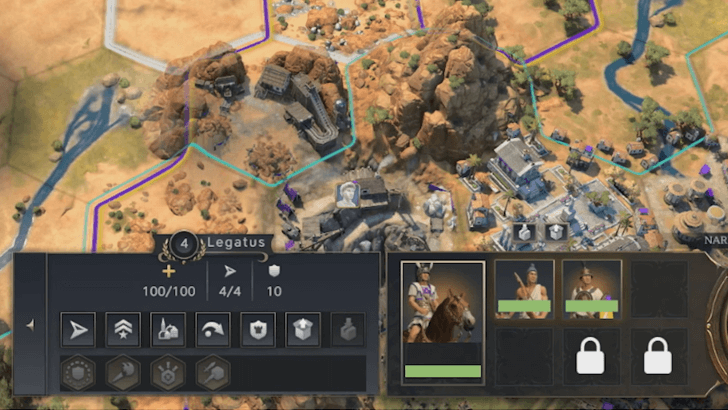
Your initial production choices shape your early-game momentum, balancing exploration, expansion, and defense. Here’s what to prioritize:
- Scout → Scout – Double scouts maximize exploration, helping you find ideal city spots, tribal villages, and potential threats early.
- Warrior – Protects your city from hostile villages and offers an early military presence if needed.
- Settler – Expands your empire early by founding towns before land gets claimed.
Districts
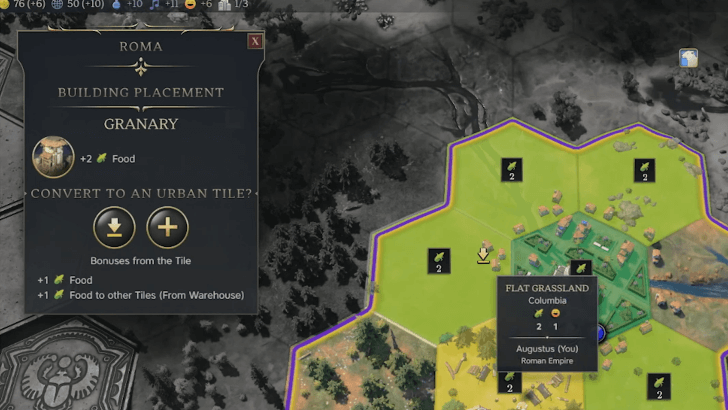
In Civ 7, districts are divided into Rural and Urban, each with distinct purposes. Understanding their differences helps optimize city development and growth.
Rural Districts are formed when you place tile improvements on expanded tiles. They retain all natural tile yields like food and production, while adding extra benefits from the improvements. These districts are essential early on for resource gathering and city growth, with examples like Farms, Mines, and Pastures boosting economy and population.
Urban Districts are created when you build structures on settlement tiles. They lose natural tile yields but gain powerful building-specific bonuses and adjacency benefits. These districts become key for specialization, whether for science, culture, or military. Examples include Libraries for science and Industrial Zones for production.
Early on, focus on Rural Districts for growth, then transition to Urban Districts to drive your empire's specialization and power.
What to Look for When Exploring
Wonders, Villages, Resources, Rival Civilizations
In the Antiquity Age, exploration sets the foundation for a strong empire by revealing valuable resources, city locations, and potential dangers. The sooner you uncover key areas, the better you can plan your expansion, economy, and diplomacy. Here’s what to prioritize:
- Natural Wonders – Provide powerful bonuses and boost adjacent yields.
- Villages – Offer free bonuses, provided they're not hostile.
- Independent Powers – You have the option to either befriend Independent Powers, evolving into City-States, or defeat them for an immediate resource boost.
- Strategic Resources – Identify key resources for expansion and trade.
- Rival Civilizations – Locate neighbors early to plan diplomacy or defense.
What to Research First
| What to Research First? |
|---|
|
|
Techs
| Technology | Unlocks | Mastery |
|---|---|---|
 Currency Currency
|
Bath
Bath Base Yield: +4 Food. +1 Food for each adjacent Navigable River Terrain. +1 Food for each adjacent Wonder. Antiquity Food Building. +10% Growth Rate. Must be placed on a River. (Building) Market
Market Base Yield: +2 Gold. +1 Gold for each adjacent Coastal Terrain. +1 Gold for each adjacent Navigable River Terrain. +1 Gold for each adjacent Wonder. Increases number of Resources that may be assigned to this Settlement by 1. Antiquity Gold Building. (Building)+1 Specialist Limit in all Cities
|
+1 Gold on Gold Buildings
Gain 1 Codex
|
 Masonry Masonry
|
Ancient Walls
Ancient Walls Adds 100 HP to the District and +15 Combat Strength to Units defending in this tile. All Fortified Districts must be conquered to capture a Settlement. Antiquity Fortification. Must be built adjacent to another Fortified District. Monument
Monument Base Yield: +2 Culture +1 Influence. +1 Culture for each adjacent Mountainous Terrain. +1 Culture for each adjacent Natural Wonder. +1 Culture for each adjacent Wonder. Antiquity Culture and Diplomacy Building. (Building) Pyramids
Pyramids +1 Gold and Productionon Minor and Navigable River tiles in this Settlement. Ageless. Must be placed on Desert and adjacent to a Navigable River. (Wonder)+1 Production on Mines and Quarries
|
+3 Combat Strength for Fortified Districts
+1 Production on Production Buildings
|
 Writing Writing
|
Library
Library Base Yield: +2 Science. +1 Science for each adjacent Resource. +1 Science for each adjacent Wonder. Has 2 Codex slots. Antiquity Science Building. (Building) Great Stele
Great Stele Gain 200 Gold when you construct a Wonder in this Settlement, including this one. Ageless. Must be placed on Flat Terrain. (Wonder) Research Initiative
Research Initiative Continuously generate Science equal to 25% of this City's Production. You can cancel this at any time. |
+ 1 Science on Science Buildings
Gain 1 Codex
Steal Technological Advancement
Steal Technological Advancement Gain a Technology from the target that you have not researched. If the Civilization has no eligible Technologies, gain Science instead. |
 Animal Husbandry Animal Husbandry
|
Saw Pit
Saw Pit Base Yield: +1 Production. +1 Production on Camps and Woodcutters. Warehouse Production Building. Ageless. Buildable in all Ages. Can be purchased in towns. (Building) Slinger
Slinger Tier 1 Antiquity Ranged Unit. Stronger on attack than defense. (Unit)+1 Production on Camps and Woodcutters
+1 Food on Pastures
|
None |
 Pottery Pottery
|
Brickyard
Brickyard Base Yield: +1 Production. +1 Production on Clay Pits, Mines, and Quarries. Warehouse Production Building. Ageless. Buildable in all Ages. Can be purchased in towns. (Building)+1 Food on Plantations
+1 Production on Clay Pits
|
None |
 Sailing Sailing
|
Fishing Quay
Fishing Quay Base Yield: + 1 Food. +1 Food on Fishing Boats. Warehouse Food Building. Ageless. Buildable in all Ages. Can be purchased in Towns. Must be placed on Coast, a Lake tile, or a Navigable River. (Building) Galley
Galley Tier 2 Antiquity Naval Unit. (Unit) Embarkation
Embarkation Allows all standard Land Units to travers Coast Terrain. +1 Food on Fishing Boats
|
None |
Under the Tech Tree, prioritizing Sailing, Pottery, Animal Husbandry, Masonry, and Writing is important. These technologies provide great yield bonuses and help you advance your civilization more efficiently. After unlocking Writing, make sure to research Currency — it unlocks specialists, allowing you to further boost your empire's growth and productivity.
Civ 7 Technologies and Tech Tree
Civics
| Civic | Unlocks | Mastery |
|---|---|---|
 Mysticism Mysticism
|
Priesthood
Priesthood +2 Gold in all Settlements (Policy) Altar
Altar Base Yield: +2 Happiness. +1 Happiness for each adjacent Wonder. Receives additional benefits from Pantheons. Antiquity Happiness Building. Can be purchased in Towns. (Building)Unlocks founding a Pantheon
|
Clan Networks
Clan Networks +2 Food in all Settlements. (Policy) Mundo Perdido
Mundo Perdido +1 Happiness and Science on Tropical Terrain in this Settlement. Ageless. Must be placed on Tropical. (Wonder) |
 Discipline Discipline
|
Survey
Survey +1 Scout movement and sight. (Policy) Dur-Sharrukin
Dur-Sharrukin Acts as a Fortified District that must be conquered. +3 Combat Strength to Fortified Districts in all Settlements. Ageless. Must be placed adjacent to a District. (Wonder) Army Commander
Army Commander Land Support Unit capable of assembling and commanding a collection of Land Military Units as an Army. (Unit)Gain a free Army Commander
|
Gate of All Nations
Gate of All Nations +2 Support on all wars. Ageless. Must be placed adjacent to a District. (Wonder) Honor
Honor +3 Combat Strength against Independent Powers. (Policy) |
 Code of Laws Code of Laws
|
Improve Trade Relations
Improve Trade Relations If action accepted, permanently increase the number of Trade Rouse you can establish with a Civilization (Diplomatic Action)Gain a free Merchant
Petra
Petra +2 Gold. +1 Gold and Production on Desert Terrain in this Settlement. Ageless. Must be placed on Desert. (Wonder) Oratory
Oratory +2 Infulence per turn. (Policy) Merchant
Merchant Civilian who can establish a Trade Route to import Resources from a foreign Settlement. (Unit) |
Steal Government Secrets
Steal Government Secrets Gain a Civic from the target that you have not studied. If the Civilization has no eligible Civics, gain Culture instead. (Diplomatic Action) Emile Bell
Emile Bell Gain a unique Diplomatic Endeavor called Ginseng Agreement that grands Food to both Leaders' Capitals. +1 Diplomatic Attribute Point. Ageless. Must be placed on Rough Terrain. (Wonder) Ethics
Ethics +1 Culture from Specialists (Policy) |
Begin with the Mysticism Civic and Discipline Civic, followed by Code of Laws, as these are essential for early progression. Mysticism is particularly important because it unlocks your Pantheon choice, allowing you to select early-game benefits tailored to your strategy. To fully utilize your Pantheon, ensure you have an Altar built, which enables you to reap its bonuses.
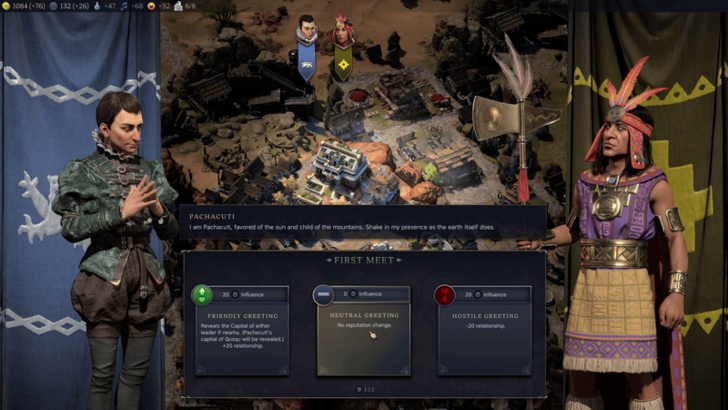
What to Do With Independents
| What to Do With Independents? |
|---|
|
1. Befriend Them 2. Conquer Them 3. Evaluate the Risk |
Befriend Them
Supporting an Independent Power can lead to them evolving into a City-State, granting diplomatic bonuses, trade opportunities, and potential military alliances. Strengthening these relationships early can provide long-term advantages without the risks of war.
Conquer Them
Taking Independents by force grants immediate rewards like land, resources, and units. This can accelerate your expansion but may also draw hostility from other factions or future City-States.
Evaluate the Risk
Not all Independents are easy targets. Some may have strong defenses or allies that could retaliate. Before attacking, assess their military strength and whether diplomacy might offer a better long-term advantage.
When to Found a New Town or City
When Your Capital Hits 5 Population
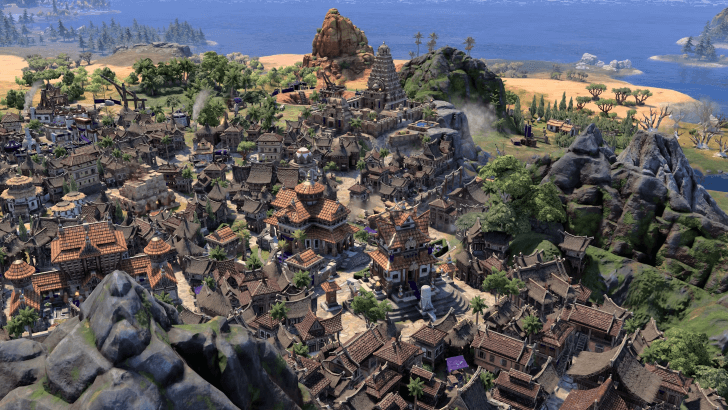
Once your Capital reaches 5 Population, you can produce Settlers to establish new Towns. Deciding when to expand your empire by founding a new Town or a City is a critical strategic choice in Civ 7.
When expanding, look for locations with valuable resources, good terrain, and strategic positioning. Proximity to water, high-yield tiles, and key resources will fuel your economy and military.
Keep an eye on your Settlement Cap, as overexpansion can decrease Happiness and slow progress. Towns serve as low-maintenance support hubs, automatically converting Production into Gold. You can upgrade Towns to full Cities once you're ready. Balance expansion with your empire's long-term development for optimal growth.
How to Choose Victory
| How to Choose Victory |
|---|
|
|
Military Victory
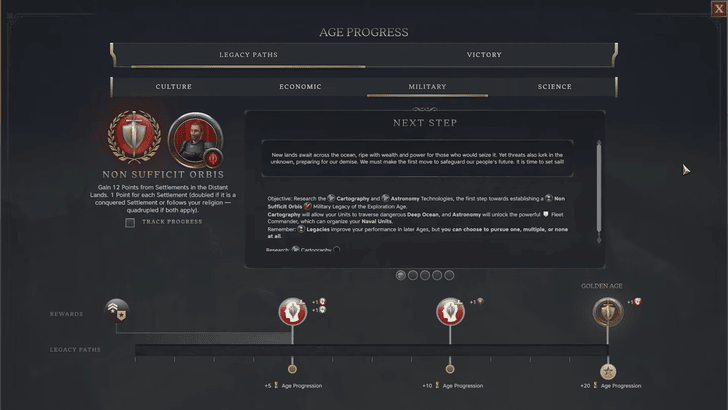
If you enjoy military conquest, focus on building a strong army, researching military tech, and expanding through warfare. Prioritize strategic resources, unit production, and aggressive expansion.
Science Victory

Advance your civilization by prioritizing research, Great Scientists, and key technologies. Build campuses, libraries, and universities while maintaining a strong economy to fund your scientific progress.
Civ 7 Best Civs For Science Victory
Culture Victory

Spread your influence through tourism, great works, and wonders. Focus on Theater Squares, generating Great Artists, and securing cultural policies that boost your global appeal.
Economic Victory

Maximize gold production through trade, districts, and economic policies. A strong economy allows for military flexibility, rapid infrastructure development, and dominance in world affairs.
Civ 7 Victory Conditions and Types
Should You Build Tall or Wide?
| Tall vs. Wide: Which Strategy is Right for You? |
|---|
|
|
Tall Empire
A Tall empire consists of fewer but highly developed cities with large populations. Instead of expanding across the map, you invest in making each city powerful with multiple districts, wonders, and strong infrastructure.
| Tall Empire Pros and Cons | |
|---|---|
| Pros | Cons |
| ✔️Fewer cities, each with high population and strong yields. ✔️ Focus on science, culture, and great people bonuses. ✔️ Fewer settlers needed, allowing resources to go toward development. ✔️Good for Science or Culture victories. |
❌ Limited land control means fewer strategic and luxury resources. ❌Fewer total districts, restricting overall yields. ❌ Slower expansion can make you vulnerable to military aggression. |
Choose a Tall Empire if...
- You prefer quality over quantity – Focus on developing a few cities to their fullest potential, maximizing district and infrastructure yields.
- You value specialized cities – A Tall empire allows for each city to focus on specific roles, like culture, science, or military, making them more effective in their domain.
- You want a strong late-game – While growth may be slower early on, a Tall empire can dominate in the late game with well-developed cities, wonders, and specialized units.
- You have limited space – If you’re in a region with limited land or are surrounded by rival civilizations, focusing on developing existing cities can be more effective than expanding.
- You like a peaceful playstyle – Tall empires tend to be more defensively oriented, prioritizing infrastructure and diplomacy over constant war.
Wide Empire
A Wide empire consists of many cities spread across the map, prioritizing expansion over individual city development. Instead of maximizing population in a few cities, you create a large number of cities to generate more total resources.
| Wide Empire Pros and Cons | |
|---|---|
| Pros | Cons |
| ✔️More cities means greater land control and more resources. ✔️ Higher total production, science, and gold output across the empire. ✔️ More trade routes and better strategic flexibility. ✔️More towns and citites means more chances to build wonders and districts. |
❌ Can spread production thin if not managed carefully. ❌Can be difficult to defend during wars as your Civilization is spread thin . ❌ Can provoke aggression from AI civilizations due to rapid expansion. |
Choose Wide Empire If...
- You want rapid expansion – Focus on settling as many cities as possible to increase your resources, territory, and strategic options.
- You enjoy large-scale military power – A Wide empire gives you more cities to support a larger and more varied military, making it easier to defend or conquer.
- You thrive on resource control – The more cities you have, the more access to valuable resources, which can be used to fuel both your economy and military.
- You like a flexible playstyle – With more cities, you can adapt your empire to changing circumstances, switching between military, economic, and cultural priorities as needed.
- You want to outproduce your rivals – A Wide empire allows for higher overall production output, especially when you focus on industrial districts and resource-rich location
Civilization VII (Civ 7) Related Guides
All Recommended Guides
Comment



Author

Civ 7 Early Game Strategy Guide

Rankings
- We could not find the message board you were looking for.
Gaming News




![Nova Roma Review [Early Access] | Newer, Better, and More Confusing](https://img.game8.co/4455512/2cbf8926e9a1c72a3ff056088f801ef4.png/thumb)
Popular Games

Genshin Impact Walkthrough & Guides Wiki
Umamusume: Pretty Derby Walkthrough & Guides Wiki
Crimson Desert Walkthrough & Guides Wiki
Monster Hunter Stories 3: Twisted Reflection Walkthrough & Guides Wiki
Honkai: Star Rail Walkthrough & Guides Wiki
Pokemon Pokopia Walkthrough & Guides Wiki
The Seven Deadly Sins: Origin Walkthrough & Guides Wiki
Wuthering Waves Walkthrough & Guides Wiki
Zenless Zone Zero Walkthrough & Guides Wiki
Arknights: Endfield Walkthrough & Guides Wiki









Recommended Games
Fire Emblem Heroes (FEH) Walkthrough & Guides Wiki
Diablo 4: Vessel of Hatred Walkthrough & Guides Wiki
Cyberpunk 2077: Ultimate Edition Walkthrough & Guides Wiki
Yu-Gi-Oh! Master Duel Walkthrough & Guides Wiki
Super Smash Bros. Ultimate Walkthrough & Guides Wiki
Pokemon Brilliant Diamond and Shining Pearl (BDSP) Walkthrough & Guides Wiki
Elden Ring Shadow of the Erdtree Walkthrough & Guides Wiki
Monster Hunter World Walkthrough & Guides Wiki
The Legend of Zelda: Tears of the Kingdom Walkthrough & Guides Wiki
Persona 3 Reload Walkthrough & Guides Wiki










All rights reserved
©2024 Take-Two Interactive Software, Inc. Sid Meier’s Civilization, Civilization, Civ, 2K, Firaxis Games, Take-Two Interactive Software and their respective logos are all trademarks of Take-Two Interactive Software, Inc. All other marks and trademarks are the property of their respective owners. All rights reserved.
The copyrights of videos of games used in our content and other intellectual property rights belong to the provider of the game.
The contents we provide on this site were created personally by members of the Game8 editorial department.
We refuse the right to reuse or repost content taken without our permission such as data or images to other sites.