
Should You Use Ninja or Samurai?
The Ninja and Samurai are two styles that can be used for combat in Nioh 3. Check out which is better between Ninja or Samurai and what are the Ninja and Samurai's unique abilities here in this guide!
List of Contents
Should You Use Ninja or Samurai?
Ninja is Easier, But Build Both
| Ninja Style | Samurai Style |
|---|---|
|
・ Mist ・ Ninjutsu ・ Evade ・ Footstool Jump ・ Increased DMG from behind enemies |
・ Arts Proficiency ・ Deflect or Parry Mechanic ・ Ki Pulse ・ Three Different Stances ・ Flux |
| Similarities of Both Styles | |
|
・ Both styles can perform quick and heavy attacks. ・ Both styles can dodge and use block or guard mechanic. ・ Both can use living artifacts, which acts like an ultimate. ・ Both are capable of jumping and stealth. ・ Both are have their own skill tree, loadout, and blessings. |
|
For most players, Ninja style should be easier to use, but knowing when to use Samurai style's abilities should also be helpful.
The Ninja style allows players to be quick and aggressive. It can hit enemies multiple times before they can retaliate. Ninja also has access to Evade and Mist, which make it easier to dodge and reposition.
The Samurai style is more deliberate and defensive. It's better at blocking attacks and can even parry them without expending Ki with Deflect. Mastering the use of Ki Pulse, stances, and Flux is also needed to make the most of this style.
Ninja Style is a Master of Speed and Hit-and-Run Playstyle
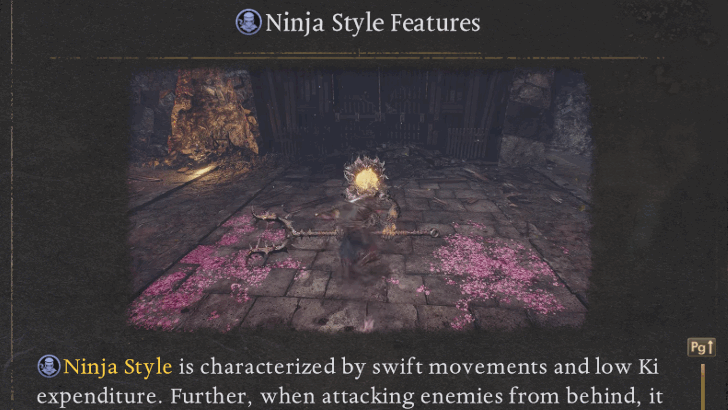
The Ninja Style is a much faster playstyle with weaker attacks compared to the Samurai. However, it can compensate for this with its lower Ki consumption and increased damage when attacking enemies from behind.
The Ninja thrives more on a hit-and-run playstyle for Ki recovery while trying to stay aggressive by using Ninjutsu. This style focuses more on dodging, evading, and moving rather than parrying.
Samurai Style Focuses on Parry and Heavy Blows
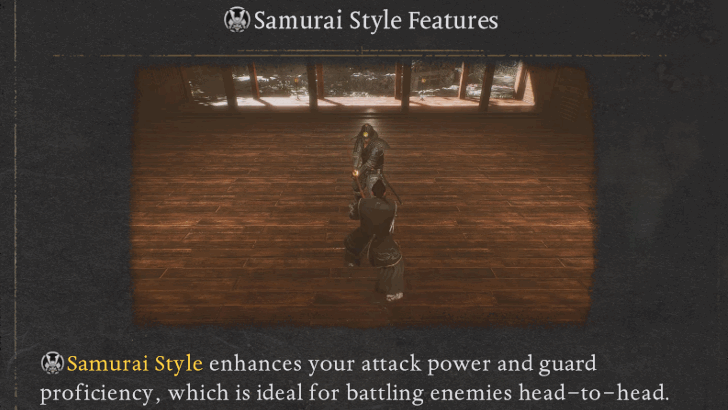
The Samurai Style focuses on dealing heavy attacks against enemies and bosses. It is very reliant on Ki, hence the Ki Pulse mechanic that can be used after every attack.
This style leans more on Blocking and Deflect rather than dodging the enemy attacks. Additionally, the Samurai style has three different stances that affects how it uses its weapons.
Ninja Style Abilities
| Things You Can Do in Ninja Style |
|---|
|
|

Unique Set of Weapons
| List of Ninja Weapons | |||
|---|---|---|---|
 Ninja Sword Ninja Sword |
 Dual Ninja Swords Dual Ninja Swords |
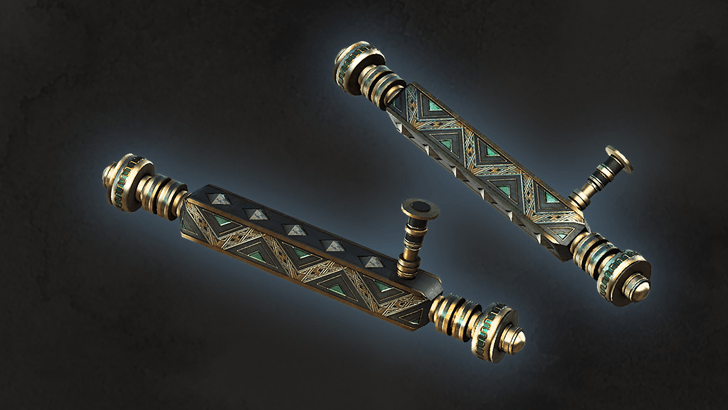 Tonfa Tonfa |
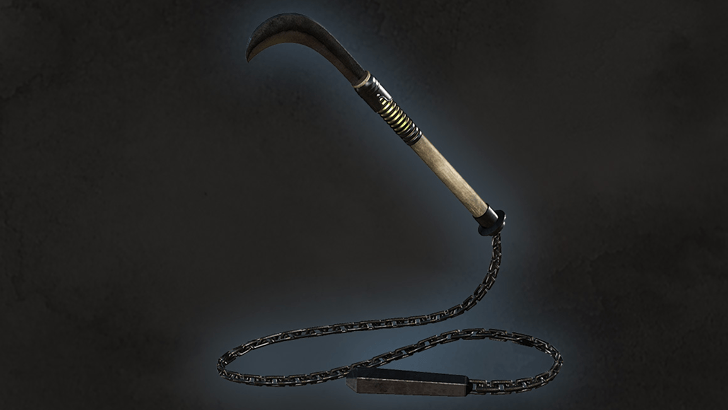 Kusarigama Kusarigama |
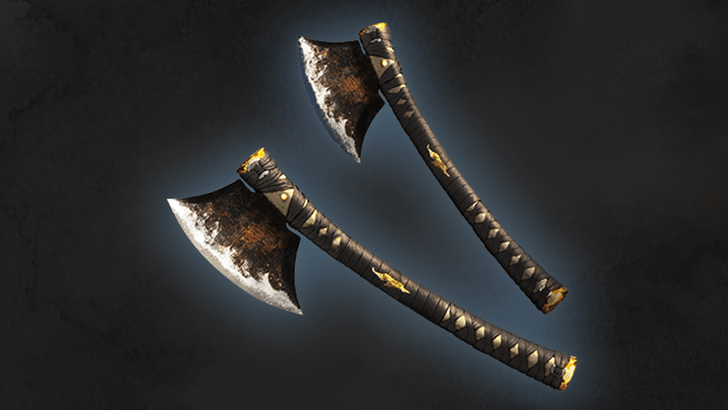 Hatchets Hatchets |
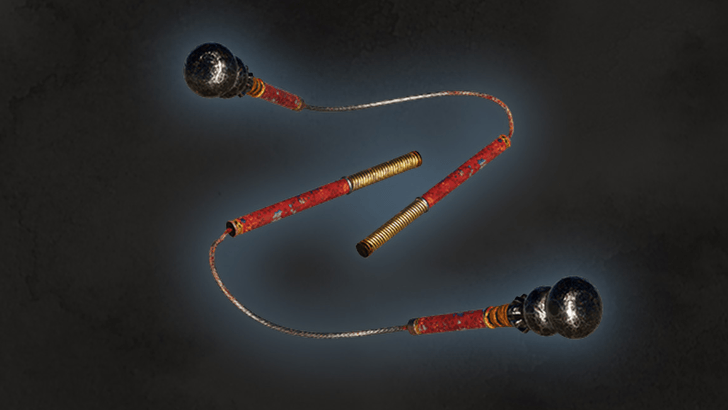 Splitstaves Splitstaves |
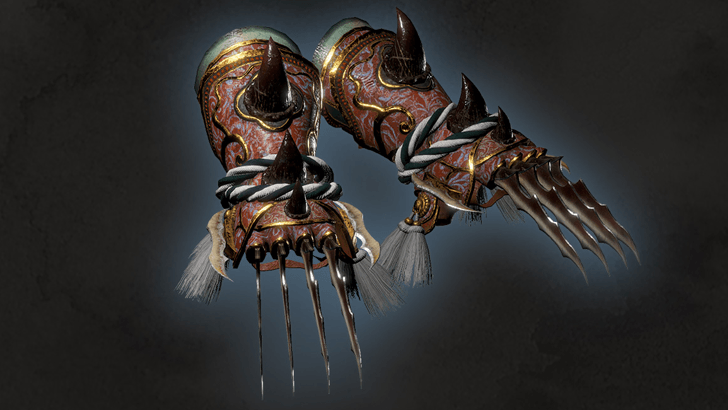 Talons Talons |
|
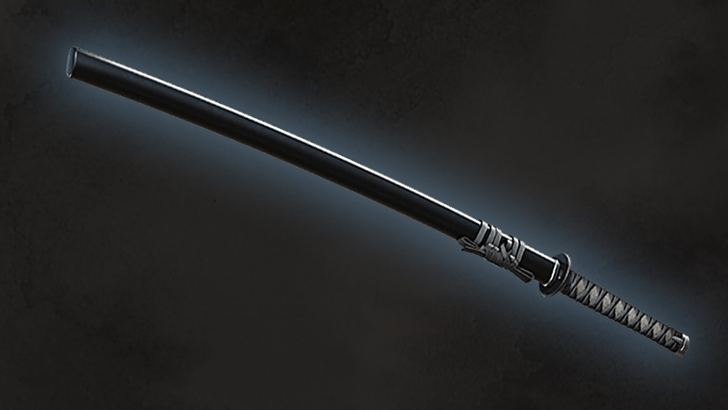
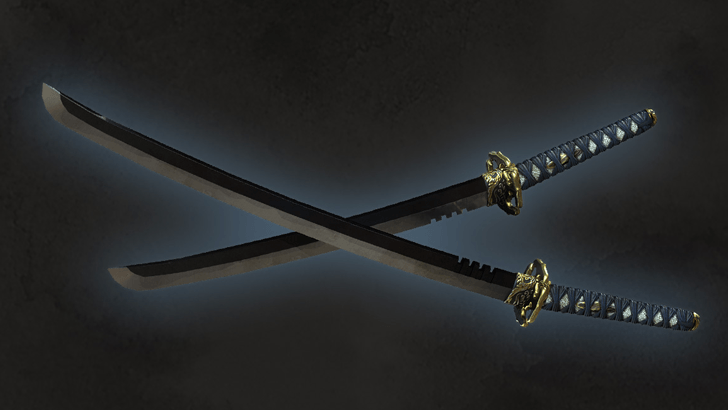
There 7 weapon types that are only available to the Ninja being the Ninja Sword, Dual Ninja Swords, Tonfa, Kusarigama, Hatchets, Splitstaves, and Talons.
The Ninja can be equipped with any of these 7 types of weapon and also has their own skill tree to upgrade each weapon skill with.
Mist
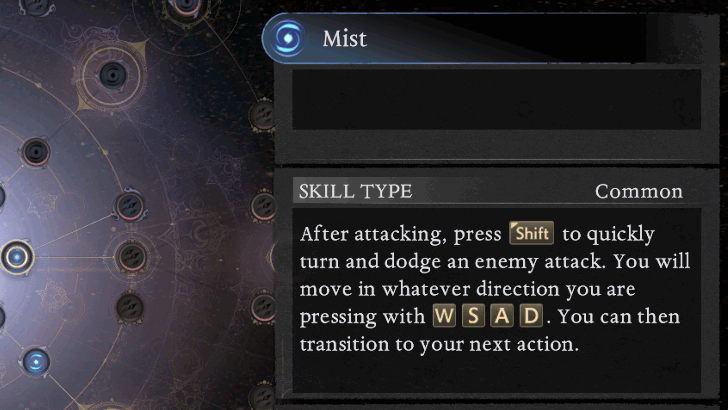
The Mist is the Ninja's Ki Pulse counterpart. It can be pressed after attacking, where it will produce an afterimage of your own character that can stall and fool enemies. However, it doesn't have the same benefits of the Ki Pulse.
Ninjutsu
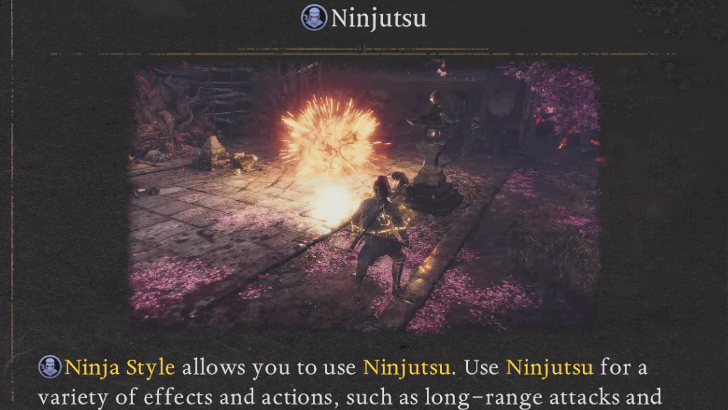
Ninjutsu is the Ninja's version of the Samurai's Arts Proficiency. It is a set of additional tools, such as shurikens, that can target enemies from afar or special attacks that can quickly approach enemies. Ninjutsu can be refilled by attacking enemies in either style.
Evade
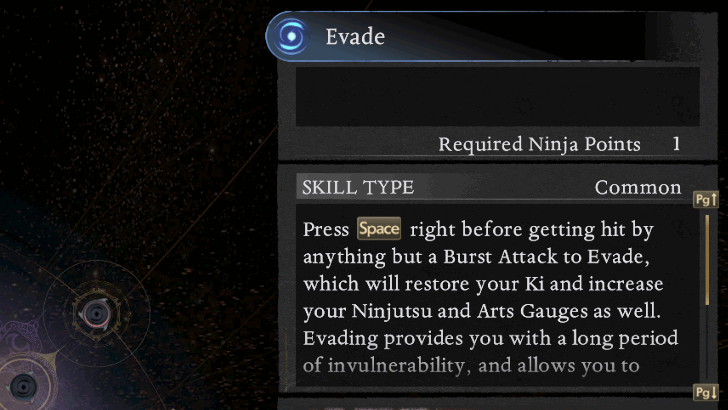
Evade is the Ninja's unique way of dodging. When a dodge has been perfectly executed, the character recovers Ki, replenishes Ninjutsu, and is allowed to dodge again immediately.
Footstool Jump
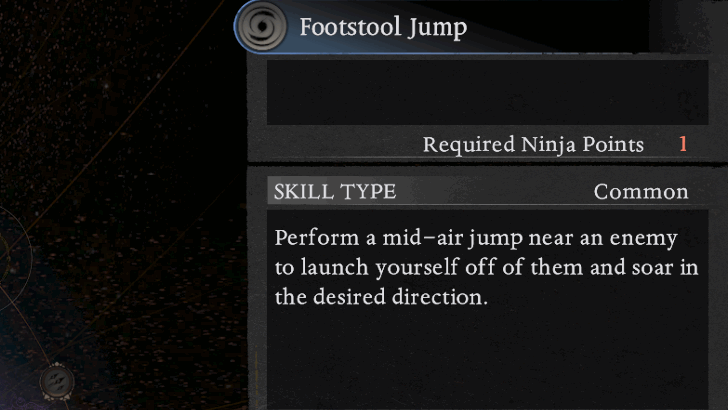
Footstool Jump is a move unique to the Ninja, where it jumps over the enemy's head and positions itself behind it. The Footstool Jump can be learned from the Ninja's Skill Tree under the Martial Arts/Ninjutsu option in the Pause Menu.
The Footstool Jump is highly recommended to be unlocked as soon as possible to utilize the Ninja's increased damage when attacking enemies from behind.
Increased DMG from Behind Enemies
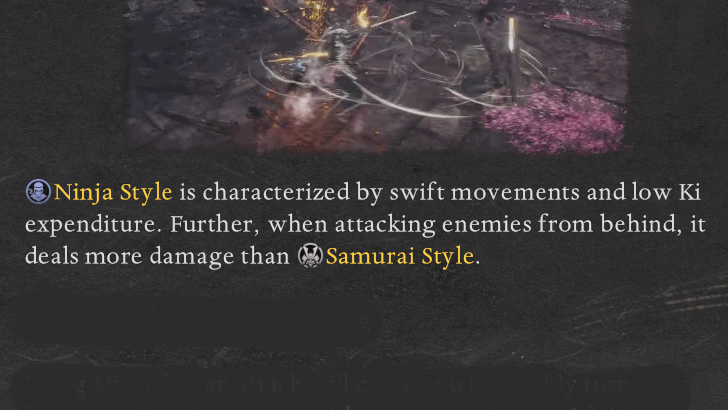
While in Ninja Style, you gain increased damage when attacking enemies from behind. This is also the reason why the Ninja's whole kit is all about a hit-and-run playstyle.
You need to be very mobile to position yourself behind the enemies, then perform a flurry of attacks, and evade their attacks afterwards.
Samurai Style Abilities
| Things You Can Do in Samurai Style |
|---|
|
|
Own Unique Weapons
| List of Samurai Weapons | |||
|---|---|---|---|
 Sword Sword |
 Dual Swords Dual Swords |
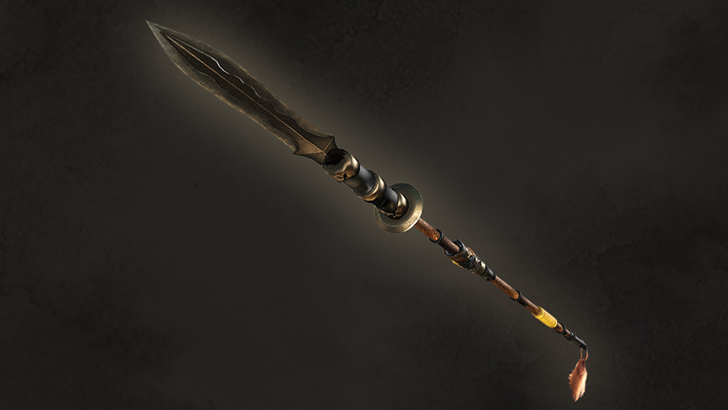 Spear Spear |
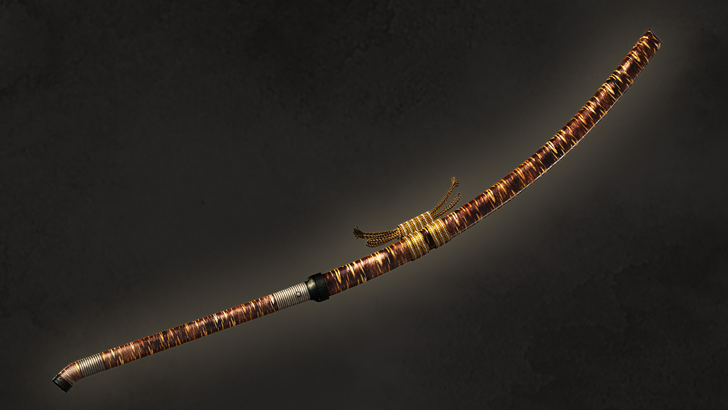 Odachi Odachi |
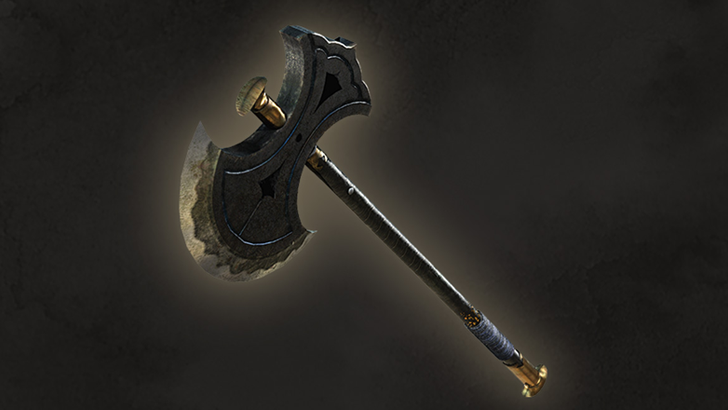 Axe Axe |
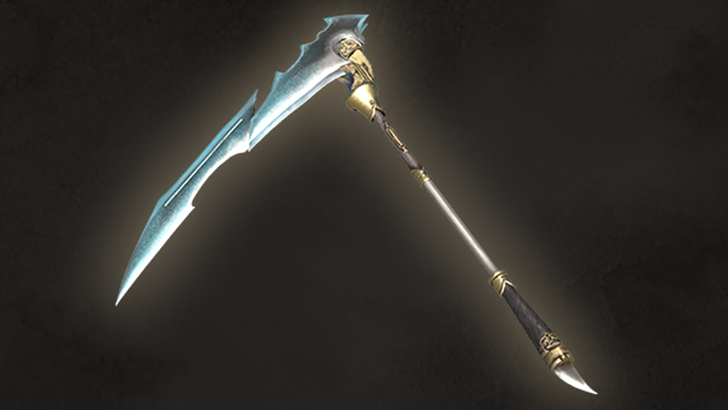 Switchglaives Switchglaives |
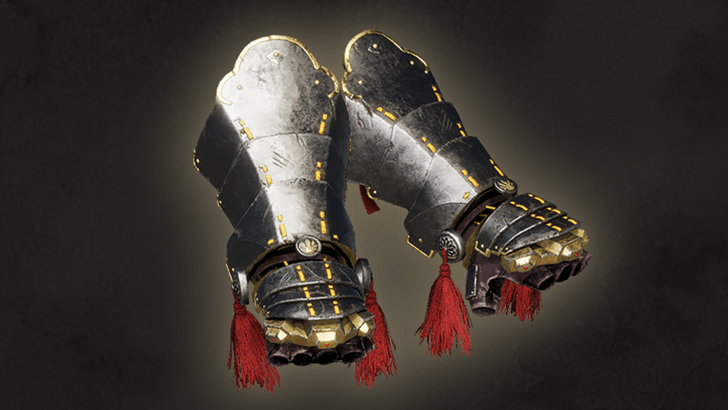 Cestuses Cestuses |
|
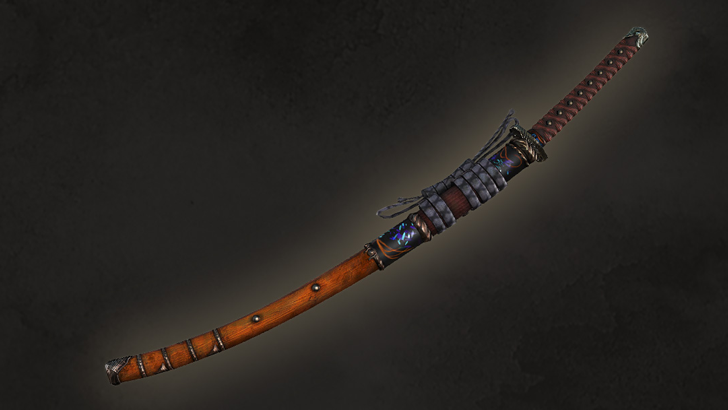
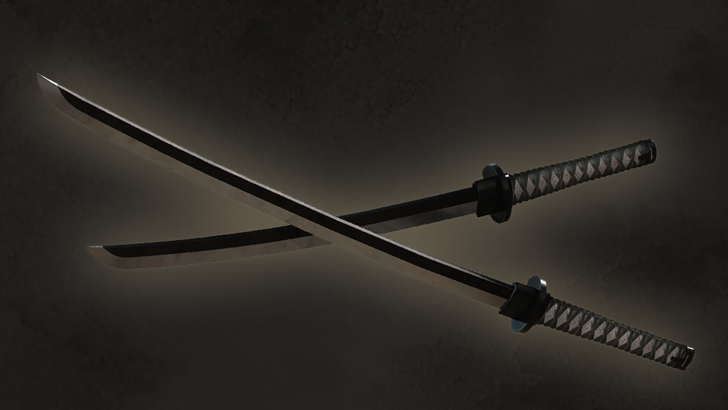
There are 7 weapon types that are available to the Samurai being the Sword, Dual Sword, Spear, Odachi, Axe, Switchglaive, and Cestuses.
The Samurai can be equipped with any of these 7 types of weapons. Each weapon has their own additional martial arts that can be learned through their skill trees.
Arts Proficiency
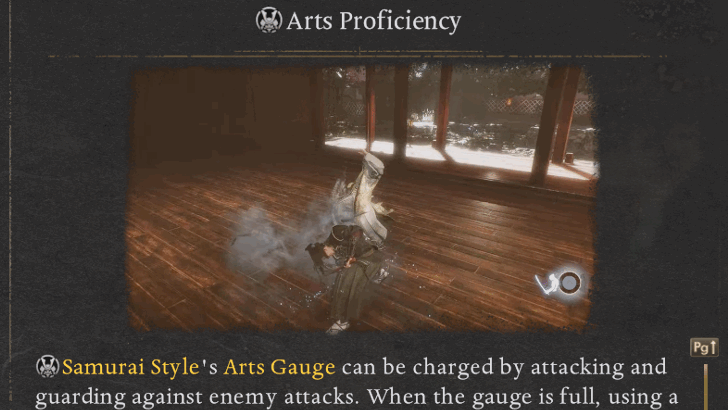
The Arts Proficiency is a white round meter located at the lower right of the screen when the Samurai Style is active. It fills up when performing attacks against enemies. When full, it lights up and increases the damage of heavy attacks and Martial Arts.
Deflect or Parry Mechanic
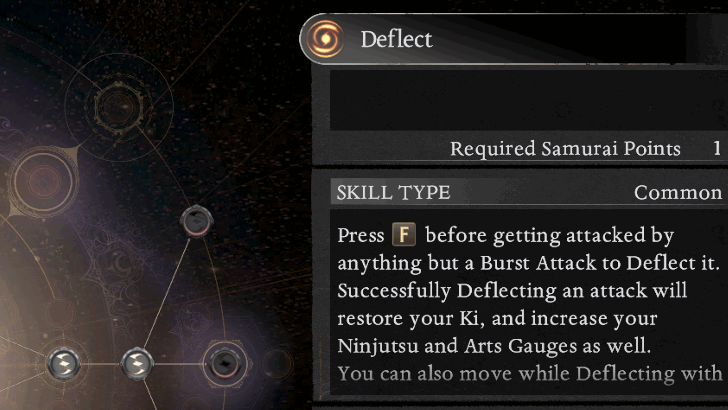
The Samurai can also deflect or parry enemy attacks while it uses its Block or Guard. When perfectly executed, it restores Ki and lets you use Arts Proficiency and Ninjutsu again faster.
Ki Pulse
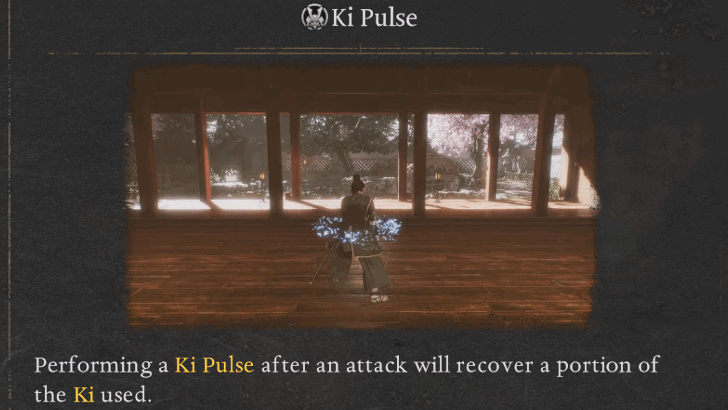
The Ki Pulse can be used after each attack of the Samurai. It recovers some of the Ki used when the attack combos that were performed. It also removes any nearby Yokai Realms, making it an essential move to master when using the Samurai style.
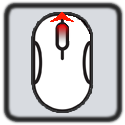
Three Different Stances
| Command | PS5 | PC (Controller) | PC (Keybaord) |
|---|---|---|---|
| Change to High Stance | 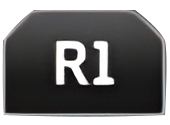 + +  |
 + +  |
 + +  |
| Change to Mid Stance | + 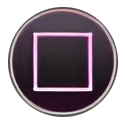 |
+  |
+  |
| Change to Low Stance | +  |
+  |
+ 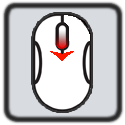 |
Along with the Samurai's weapons, there are also three different stances it can use, and each one may change how a weapon is used. For example, a Switchglaive in High Stance is a Scythe, when it is used in Mid Stance, it is similar to an Odachi, when it is used in Low Stance, it is similar to a Katana.
For most other weapons, High Stance is used for stronger attacks that use more Ki while Low Stance is more evasive and quicker. Learning how to use all stances will be needed to make the most of the Samurai style.
Flux
Samurai also gets access to Flux and Flux II, both of which restore more Ki when switching stances after a Ki Pulse. Flux II requires two quick stance changes, but greatly helps with Ki recovery. Learning and mastering these should allow you to be more aggressive with the Samurai style.
Nioh 3 Related Guides
Beginner's Guide to Nioh 3: Tips and Tricks
Comment



Author
Should You Use Ninja or Samurai?

Rankings
Gaming News



Popular Games

Genshin Impact Walkthrough & Guides Wiki
Umamusume: Pretty Derby Walkthrough & Guides Wiki
Crimson Desert Walkthrough & Guides Wiki
Monster Hunter Stories 3: Twisted Reflection Walkthrough & Guides Wiki
Honkai: Star Rail Walkthrough & Guides Wiki
Pokemon Pokopia Walkthrough & Guides Wiki
The Seven Deadly Sins: Origin Walkthrough & Guides Wiki
Wuthering Waves Walkthrough & Guides Wiki
Zenless Zone Zero Walkthrough & Guides Wiki
Arknights: Endfield Walkthrough & Guides Wiki






Recommended Games
Fire Emblem Heroes (FEH) Walkthrough & Guides Wiki
Diablo 4: Vessel of Hatred Walkthrough & Guides Wiki
Cyberpunk 2077: Ultimate Edition Walkthrough & Guides Wiki
Yu-Gi-Oh! Master Duel Walkthrough & Guides Wiki
Super Smash Bros. Ultimate Walkthrough & Guides Wiki
Pokemon Brilliant Diamond and Shining Pearl (BDSP) Walkthrough & Guides Wiki
Elden Ring Shadow of the Erdtree Walkthrough & Guides Wiki
Monster Hunter World Walkthrough & Guides Wiki
The Legend of Zelda: Tears of the Kingdom Walkthrough & Guides Wiki
Persona 3 Reload Walkthrough & Guides Wiki





All rights reserved
©KOEI TECMO GAMES CO., LTD. All rights reserved.
The copyrights of videos of games used in our content and other intellectual property rights belong to the provider of the game.
The contents we provide on this site were created personally by members of the Game8 editorial department.
We refuse the right to reuse or repost content taken without our permission such as data or images to other sites.