
| Planet of Lana 2: Children of the Leaf | |||
|---|---|---|---|
| Release Date | Gameplay & Story | Pre-Order & DLC | Review |
Overview
What is Planet of Lana 2?
Planet of Lana 2 continues Lana and Mui’s journey across a beautifully crafted world under threat, blending puzzle-platforming gameplay with an emotionally resonant story. Players will explore lush forests, mysterious ruins, and perilous enemy bases, solving clever environmental puzzles, uncovering the planet’s hidden history, and confronting moral and ethical dilemmas along the way.
Planet of Lana 2 features:
⚫︎ Seven Chapters Across Distinct Locations
⚫︎ Lana and Mui Work in Tandem
⚫︎ Wordless Storytelling
⚫︎ Vibrant Art Style
⚫︎ Unique Puzzles
⚫︎ Themes Explore Environmental Impact, Coexistence, and Ethical Dilemmas
For more gameplay details, read everything we know about Planet of Lana 2's gameplay and story.
| Digital Storefronts | |||||
|---|---|---|---|---|---|
 Steam Steam |
 PS PS |
 Xbox Xbox |
|||
| Wishlist Only | |||||
 Switch Switch |
 Switch 2 Switch 2 |
||||
| $19.99 | |||||
Planet of Lana 2 Review: Elevated Journey Supported by Orchestral Brilliance
A Quiet Return to a World That is Not the Same
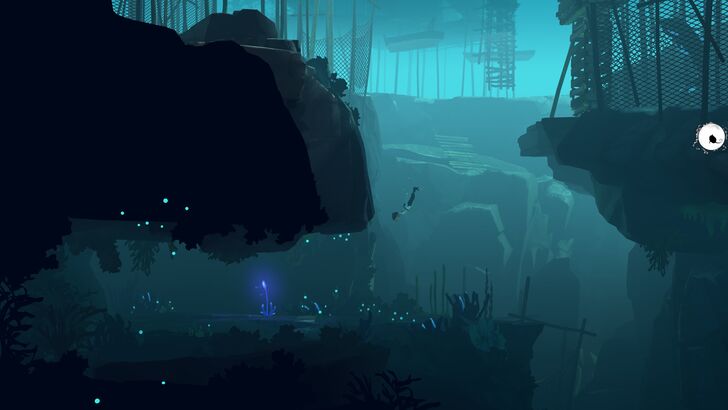
When I first saw Planet of Lana’s straightforward puzzles, vanilla stealth, and structure that seemed simple back in 2023, it didn’t exactly make me want to buy the game. What nudged me to, though (and what I still remember from this hidden gem) is its atmosphere. I remember being in awe of the visuals and environment. I also remember how the music did a lot of the heavy lifting to make the gameplay more memorable. And of course, there’s also the endearing bond between Lana and her small companion, Mui, that carried the emotional weight of the entire experience.
Now, with Planet of Lana 2, sure, the foundations of the gameplay didn’t exactly change, as it still mainly operates within its comfort zone. But what it does do is evolve. On top of that, this sequel pushes its storytelling further. Because this time around, instead of just relying purely on its visual identity, Planet of Lana 2 expands the narrative threads that were only lightly touched before, by not just exploring the present circumstances, but also the past.
Aftermath of the Invasion
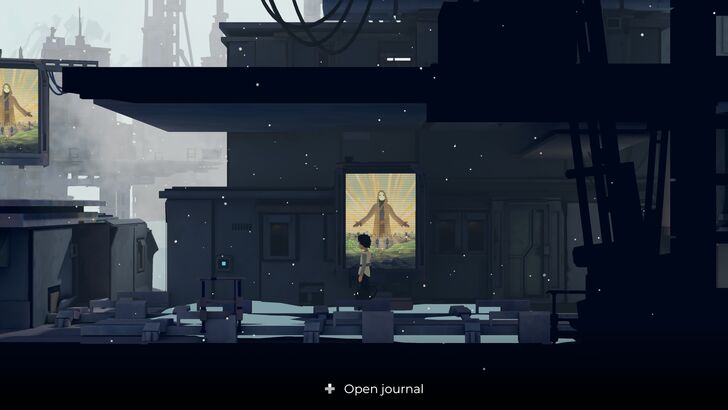
Being a sequel, understanding what happened in the first game is important but fret not, if this is your first rodeo in Lana’s world, Planet of Lana 2 gives players a slice of what happened by telling the previous story in the prologue. All you really need to know is the planet was invaded by robots, everyone is abducted, and Lana, together with Mui, sets on an adventure to save everyone (her motivation mostly being her sister).
Now though, in Planet of Lana 2, while everyone is dealing with the aftermath of the invasion, another tribe is helping the robots mine minerals from the planet. Because of this, Anua—Lana’s new family member—is exposed to a dangerous crystal that starts Lana’s journey in finding the ingredients for a cure.
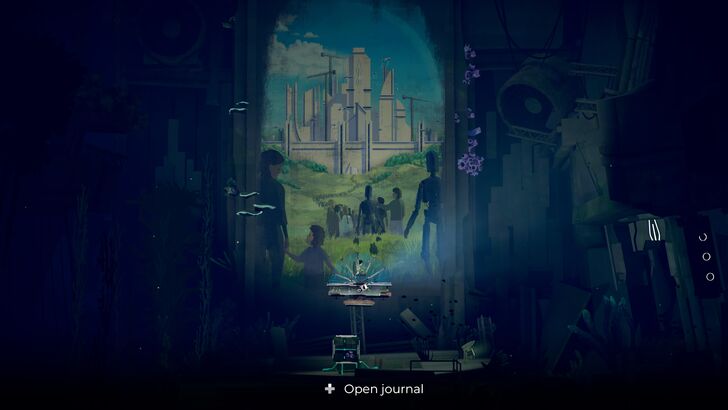
What I appreciated immediately here in Planet of Lana 2, is how the plot isn’t as singular as it was the first time around. In the original game, the focus was linear in its motivation. This time, the narrative branches outward by introducing multiple story lines. The main one being Lana’s mission to retrieve the cure, the other explores Mui’s past and the connection between the humans and the robots, and lastly—one that isn’t as narratively exposed—is the effects of the invader’s mining on the planet. There’s still this sense of urgency that we got from the first game, but with Planet of Lana 2, it’s now layered.
As Lana and Mui venture further than they ever did before, the world opens up not just geographically, but historically. Every structure hints at a past that predates what we were told in the first game. Piece by piece, the secrets of the humans and the robots begin to surface. And it feels like the journey isn’t just about survival but about understanding.
Seven Chapters Across a Planet That Feels Bigger Than Before
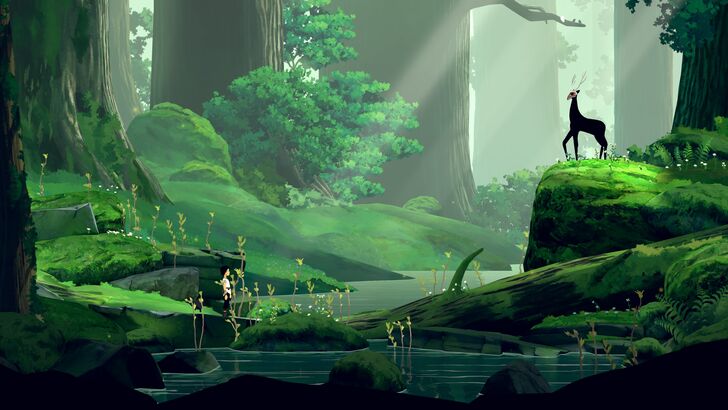
The journey still follows a familiar structure as the first game, with the story unfolding across seven chapters, weaving back and forth through distinct locations. Environment changes from mountain ranges where the wind can knock you out, to underwater stretches that incorporate timing your breath.
Lana and Mui are the core of the gameplay. You control Lana directly while Mui can be pointed and directed, and the two operate in synchronicity. This enhances environmental and puzzle design as it allows scenarios to be more open, encouraging players to observe spaces and think about how Mui can interact with them from angles Lana simply can’t reach.
Many puzzles rely on their cooperation, with one great example being a sequence where Lana finds herself locked inside a room and Mui must navigate through the vents surrounding the area to free her. The roles constantly shift, and a lot of the time Lana has to clear pathways so Mui can move forward safely.
Mechanics That Stretch, But Don’t Transform
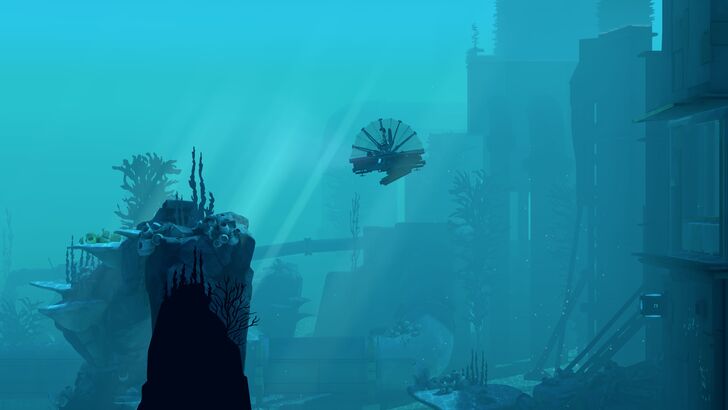
But really, how Planet of Lana 2 evolved the gameplay is by adding meaningful mechanics such as the one I already mentioned, the ability to point Mui anywhere, expanding how players navigate puzzles and most importantly, diving underwater which opens up an entirely new environment to explore. This not only expands on the environment, but it also changes level design, character movement, and environmental interactions.
However, much to my dismay, the mechanics are all introduced within the first few chapters and it doesn’t transform as you progress. Because of this, the puzzles don’t necessarily become more complex in concept, they just become longer to execute. One example of this is the first time we get to control a squid—the sequence is fairly straightforward and short. You swim across the area and use it as bait to trap the whale blocking your path. By the final time you control the squid, though, navigation becomes far more drawn out, forcing you to take a much longer route to reach what looks like a short, direct distance if only you could go straight through.
While it doesn’t necessarily reduce engagement, the mechanics themselves become repetitive, and does not feel like you’re mastering anything as there’s no progression to it.
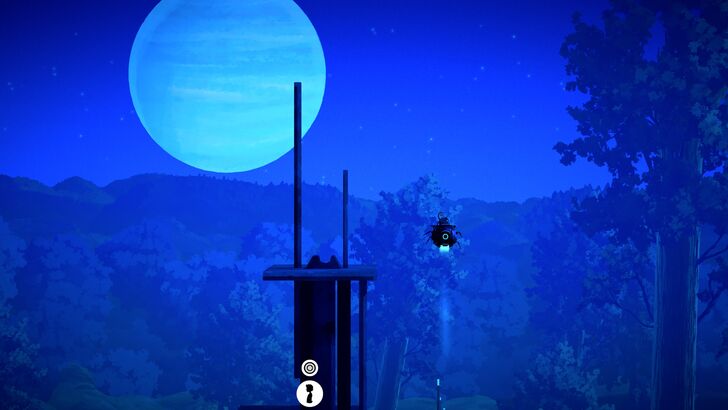
That being said, even when I realized that nothing fundamentally new was being added to my toolkit, the gameplay is anything but boring. Because while the game doesn’t add anything new to "do", it layers interactions in a way that makes you think just enough before moving forward.
Some of the standout moments come from temporarily controlling other entities. Like in the underwater sections where whales hunt you, forcing you to rely on a squid’s ink ability for cover, adding situational variety to the gameplay.
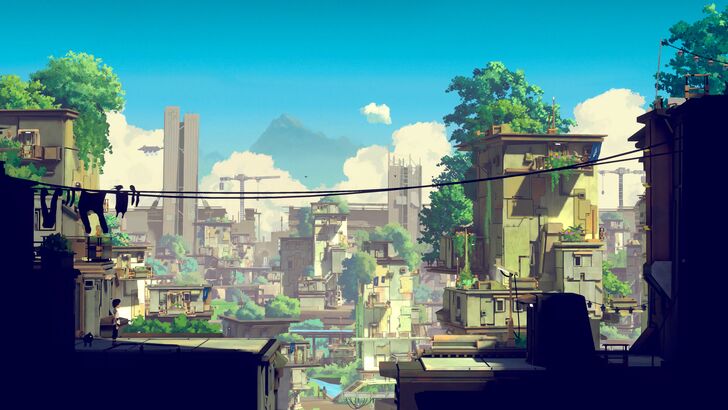
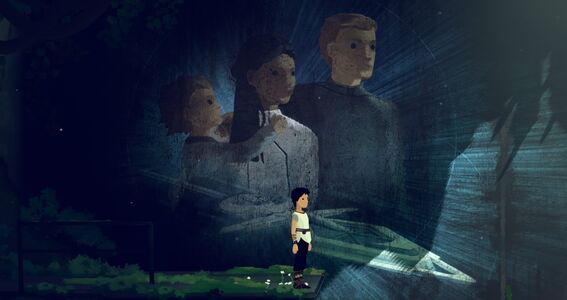
But my favorite would have to be the musical puzzle. In order to solve it, you have to descend to a labyrinth where you’re given images that correspond to musical notes. Within the labyrinth, Lana is forced to confront fragments of her past and the horrors she just witnessed prior to this scene. I like it because it's almost symbolic, solving the puzzle becomes more than just matching symbols to sound and feels more like a reflection of her internal struggle and the state of the world.
Animation Meets Split-Second Precision
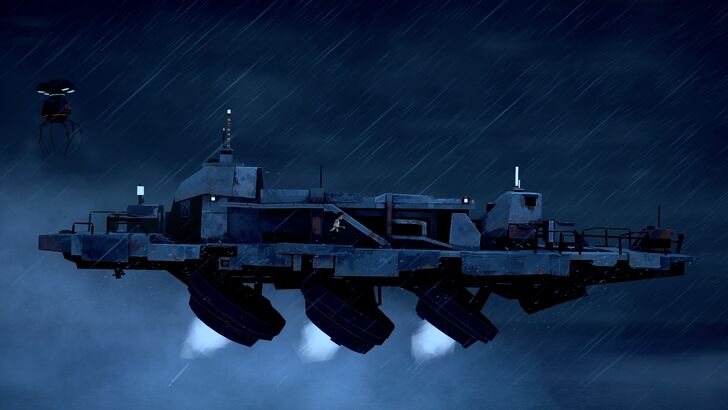
Planet of Lana 2 is far from perfect; there were times when Lana’s movement required more patience than one would expect. You see, Lana has this soft, almost ragdoll-like fluidity to her animation which makes her movements feel natural, weighty, and organic. But when something is chasing you—and you need to sprint, jump, land precisely, and keep moving—that same fluidity can become just a little frustrating.
There was this specific sequence which I had to replay a couple of times, because I misjudged how Lana would carry her momentum into a jump. Once I understood how far Lana would leap and how quickly she’d recover from a landing though, it became manageable. It’s a small wrinkle in an otherwise smooth journey, but one still worth mentioning.
Wordless Narrative That Says More Than Ever Before
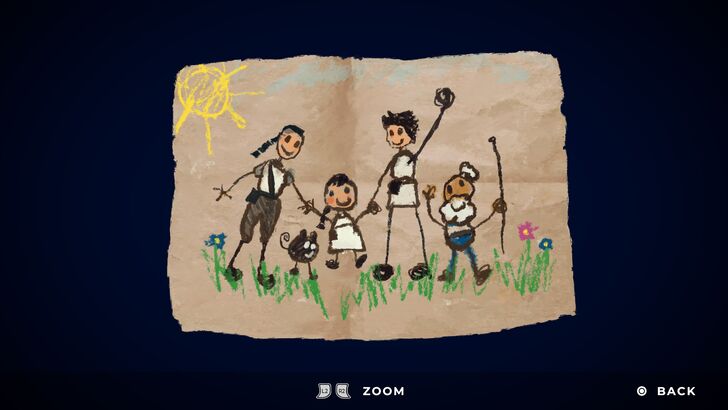
Now, let’s move away from the gameplay and onto the second best thing this game has to offer, the story. It provides a deeper dive of what happened in the past, what’s happening now, and the consequences rippling outward from those events.
One of the clearest thematic examples of those consequences is environmental degradation. Early game scenes let players explore an environment that is vibrant, bright, and clear. But as the story progresses and more drill towers are constructed across the planet, everything becomes darker and dangerous. The once vivid forests fade into gray. The water turns green and toxic enough that falling in it kills Lana, affecting how players navigate these environments.
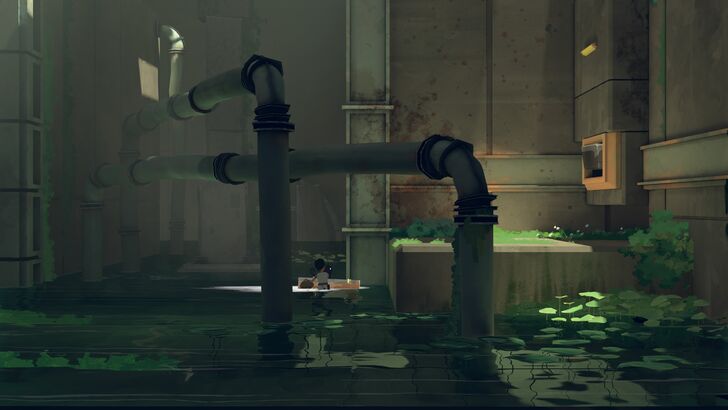
In addition to how the game uses imagery to tell a story, it also relies on emotional cues to show how Lana is feeling. There’s no spoken dialogue but Lana is so expressive and readable through animation that I always understood what was happening. While what they are saying may be open to interpretation, how they react and how they feel is crystal clear that you wouldn’t be lost in the story.
Mui, too, is given more depth this time around. There’s additional lore that strengthens Mui’s connection to both humans and robots. Showing Mui’s origins not only expands the world-building but also frames him as a bridge between the past and the present. To me though, it also seemed like a clever way to tie the larger conflicts of the story to something personal for Lana.
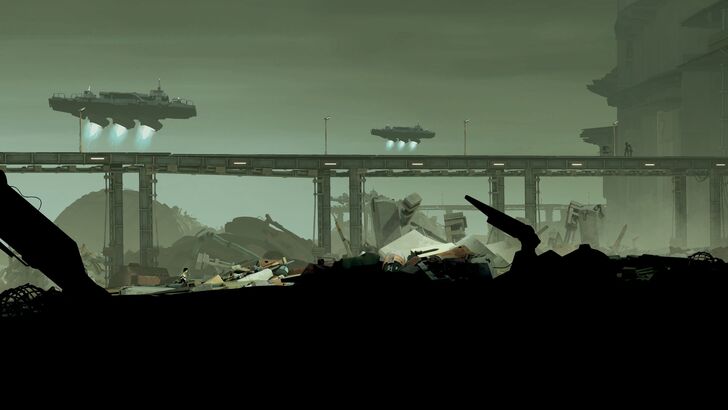
After finishing the game, I walked away with a clear interpretation of the narrative, but also with questions. Not just questions that are obviously seeds for a next entry (though yes, there are a lot and I won’t lie, I’m already looking forward to what a Planet of Lana 3 could explore), but also, questions about coexistence. About whether the cause justifies certain actions. Lingering thoughts like that made me appreciate the game’s ability to tell a story.
Orchestral Pulse Carries Every Emotion
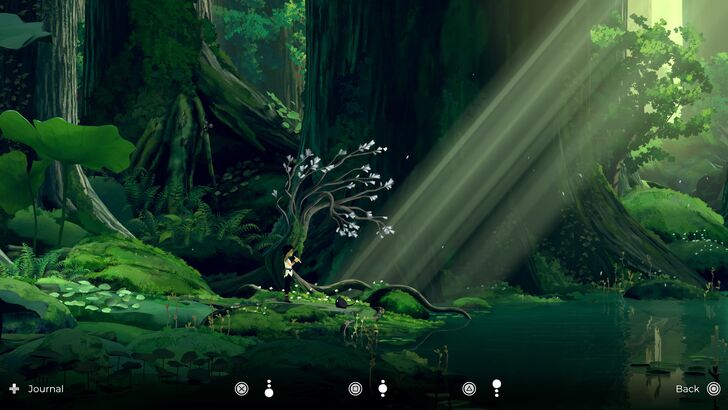
Honestly though? While the storytelling is strong, it's actually not the main star of the game; that'd be the music and composer Takeshi Furukawa deserves all the flowers. Choosing one or two of my favorite tracks was very difficult as all of them were outstanding.
However, I've narrowed it down to three: First, the music during my time on Wemari Village, searching for the sacred deer, gave me a feeling of quiet melancholy about how special that place was. Second, the music during my escape from the mountain mines for sounding urgent and fast paced, compelling me to continue to run. And lastly, the music during my confrontation with the antagonist definitely has a "final battle" feel to it, as it swells and builds upon itself.
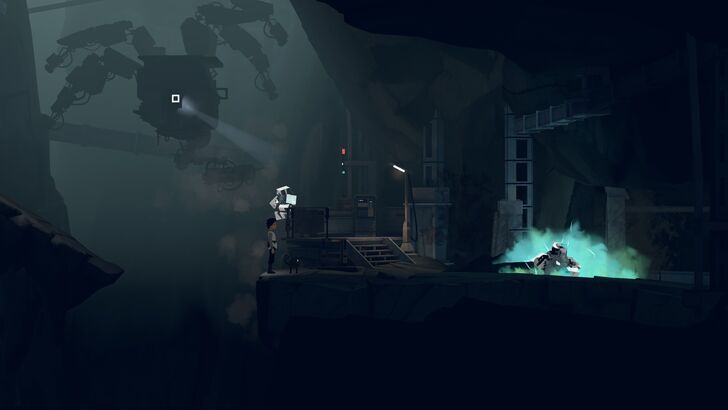
All of the pieces are crafted to their moment, cohesive without being repetitive, and most importantly, grand without drowning out the intimacy of the quieter sections. This is one of the few instances where the mechanics of the game can be simple, yet the music gives it the feeling of being great. And for that alone, this is something you have to experience firsthand.
Is Planet of Lana 2 Worth It?
Yes for Atmosphere, Storytelling, and Music
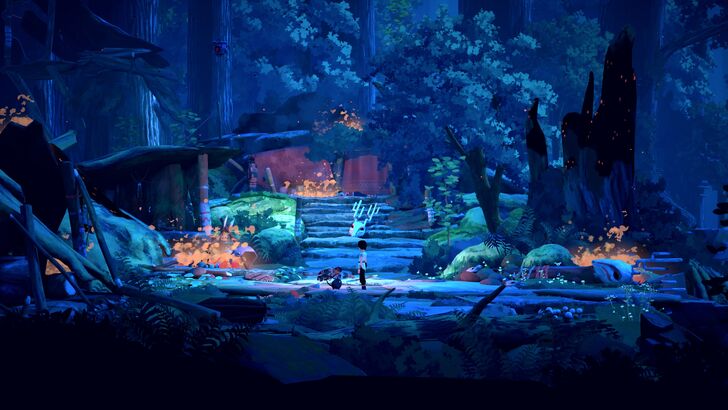
At $19.99 for roughly eight hours of gameplay, Planet of Lana 2 knows exactly what it’s offering, and it delivers on that promise. The puzzles are intelligently designed, consistently engaging, and paced in a way that respects your time. The world feels bigger and more intentional than before. The narrative expands meaningfully on the first game’s foundation, offering not just answers, but perspective—on origin, responsibility, coexistence, and environmental consequence.
If you played the first game and appreciated its tone, this sequel is a clear step forward in storytelling and presentation. And even if you’re new to the series, the emotional clarity and atmospheric design make it approachable and rewarding. It may not revolutionize the genre, but it doesn’t need to. Planet of Lana 2 succeeds by perfecting what it already does well, and sometimes, that kind of confidence is exactly what makes a game worth your time and money.
Planet of Lana 2 FAQ
What Are Some New Features in Planet of Lana 2?
Players can now point Mui anywhere across the map. Lana can now dive. Mui can also use their ability to let Lana control different creatures and robots.
What Are Planet of Lana 2’s PC System Requirements?
| System | Minimum | Recommended |
|---|---|---|
| OS | Windows 10 | Windows 10 |
| Processor | Intel Core i5 | Intel Core i7 |
| Memory | 4 GB RAM | 6 GB RAM |
| Graphics | GTX 660 | GTX 1060 |
| Storage | 44 GB | 44 GB |
Game8 Reviews

You may also like...
 |
Neva Review Adventure, Platformer, Puzzle |
 |
REPLACED Review [Demo] Action, Platformer, Indie |
 |
REANIMAL Review Horror, Adventure, Co-op |
 |
Silksong Review Action, Metroidvania |
 |
Monument Valley 3 Review Adventure, Puzzle, Platformer |