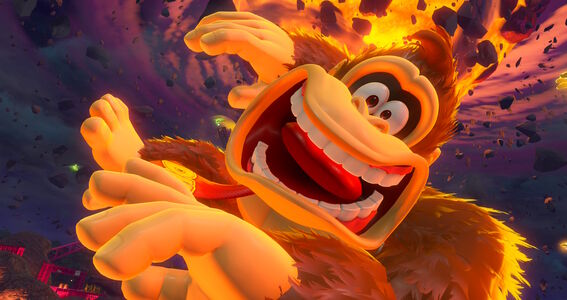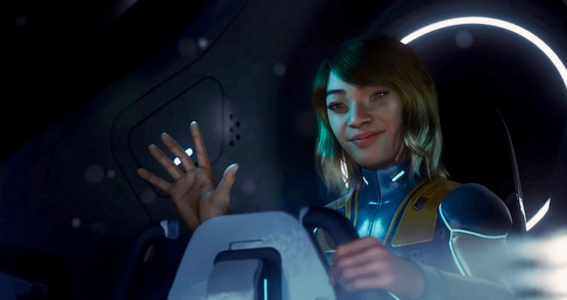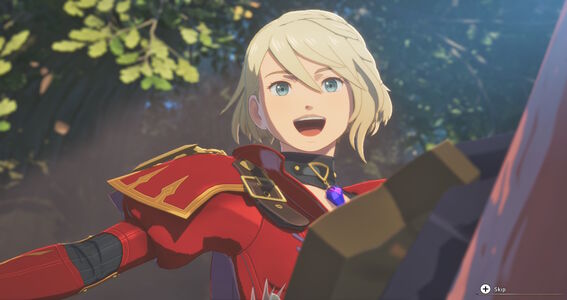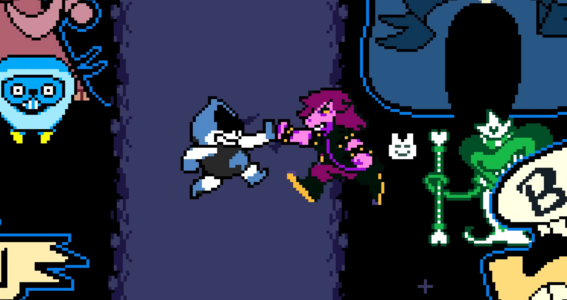


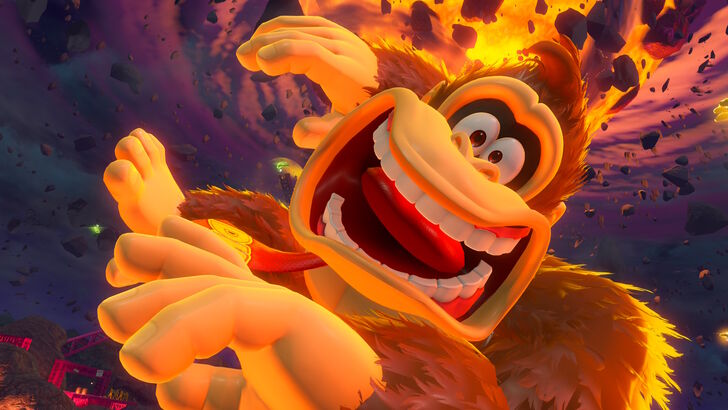
The Switch 2 has few exclusives so far, which drew concern from some critics. However, this doesn’t necessarily point to the console’s failure. Just as the PS5's early years were a prelude to it finding its stride, these early months may be the same for the Switch 2.
Why Switch 2 Ports and Editions Are Drawing Criticism
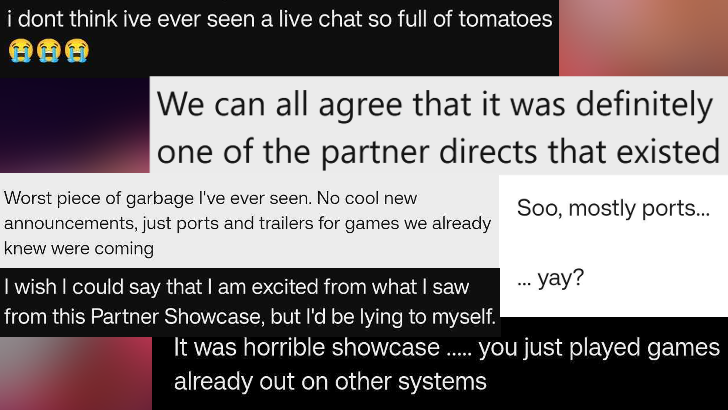
The dust has settled on the February 2026 Nintendo Direct Partner Showcase, and the mood among many fans, and even those just mildly curious, is, to put it simply, mixed. The presentation gave us plenty to look at, but the general reaction after such a highly anticipated Direct was lukewarm. Social media and forums are currently filled with similar complaints: the Nintendo Switch 2 has too many ports, too many Switch 2 Editions, and not enough true exclusives that justify the new hardware.
This, of course, is subjective. Regardless, it is easy to see why some would be frustrated. When you buy a $450 console, you want to see it do things you simply cannot do anywhere else. However, much of the recent showcase focused on Switch 2 Editions of games that have been available on other platforms for years, such as Final Fantasy VII Rebirth and Valheim.
The Lack of Nintendo Switch 2 Third-Party Exclusives is Not a Sign of Failure
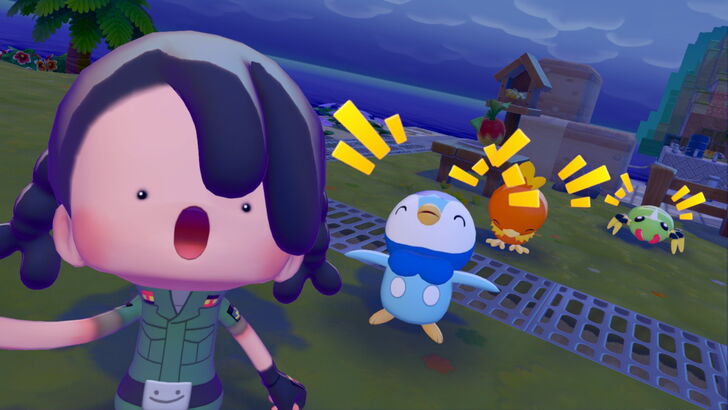
Even with the recent success of Pokémon Pokopia, which has been a massive hit for the system since its release earlier this month, a loud minority of the fanbase feels the schedule for Switch 2 exclusives is looking thin. We know that Fire Emblem: Fortune’s Weave is coming later this year, and the 30th anniversary announcement of Pokémon Winds and Waves set a high bar for 2027, but the console’s current library is dominated by titles we’ve already seen on much stronger hardware.
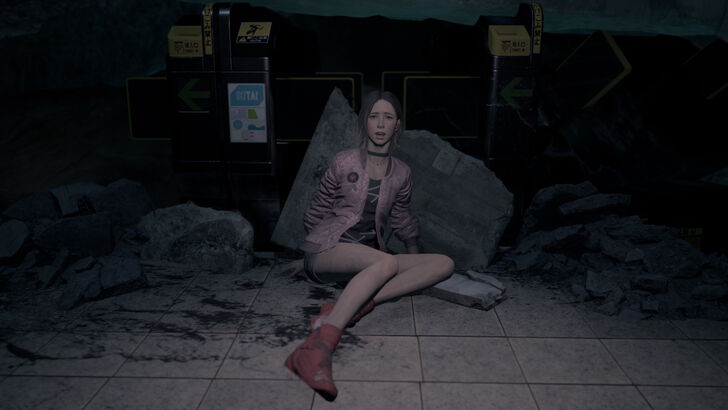
At the time of writing, the market for third-party exclusives on the Switch 2 is indeed small. By my count, there are currently only eight third-party exclusives that have been released, announced, or officially discussed. Four of these—Fast Fusion, Survival Kids, Tokyo Scramble, and Chillin’ by the Fire—are already out, with only Fast Fusion being well-received by critics. The remaining four have been confirmed but still lack exact release dates. These are The Duskbloods, Orbitals, Bit Boy!! Arcade 2, and Bloober Team’s Project M. To those used to the release schedule of the original Switch’s peak years, this seems remarkably sparse.
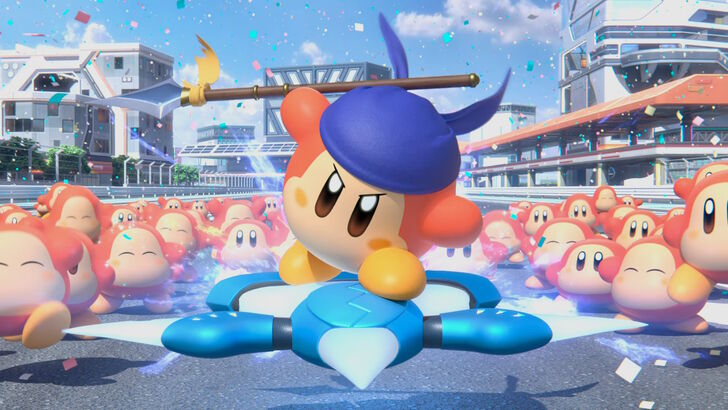
This, then, led to a growing assumption that the lack of earth-shattering exclusives this early in the console’s lifespan is a sign of impending failure. Critics argue that without a constant stream of exclusives, there is little incentive to choose the Switch 2 over its competitors.
However, this is a flawed premise. The idea that exclusives are the sole indicator of a platform’s longevity is an outdated metric.
The issue isn’t a lack of games, but a misunderstanding of what makes a successor successful. Although the hardcore crowd worries about the lack of bespoke games, the hardware continues to break sales records, with over 17 million units sold as of February 2026. The assumption that a console needs a massive wave of exclusives in its first year to survive is common, but it ignores how the industry actually operates. To see where Nintendo is heading, we only have to look back a few years at the PlayStation 5.
The PS5's Early Years Prove Switch 2 Cross-Gen Strategy is Normal
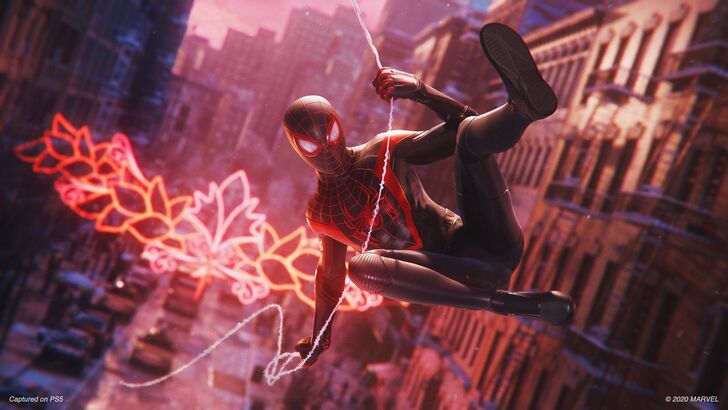
When Sony launched its latest console, it was met with a wave of online criticism that eventually boiled down to a persistent meme: "The PS5 has no games." At the time, critics pointed to the lack of "true" next-gen exclusives as evidence that the hardware was unnecessary. Looking at the Switch 2 today, the parallels are hard to ignore.
In the first two years, the PS5 relied heavily on its predecessor’s library. Most of the early big titles were either cross-generation releases or enhanced versions of games people had already played on the PS4 before. Sony’s strategy, as was revealed by Sony Interactive Entertainment Vice President Hideaki Nishino in an interview back in 2020, was to keep releasing cross-gen games on both platforms until 2023. They even asked third-party developers to do the same.
Games like Marvel’s Spider-Man: Miles Morales, God of War Ragnarök, and even Elden Ring anchored the new system’s first few years, but they weren’t exclusive to it. Even when Sony offered PS5 Editions of popular existing titles, they often came with a $10 upgrade fee, a move that was controversial at the time but ultimately didn’t slow the console’s success.
This period of transition from the PS4 to the PS5 was essential for Sony to maintain its massive install base of over 117 million PS4 users as of 2022, a lot of whom likely moved to the stronger hardware after a few years. Sony recently confirmed that the PS5 generation has become its most successful to date, generating $136 billion in revenue. It took several years of smaller updates and ports before the library reached the status it enjoys today.
Switch 2 Backward Compatibility & Handheld Mode: The Console's True Selling Points
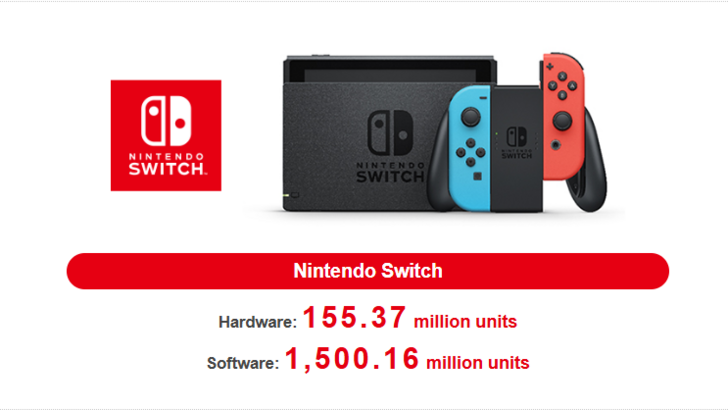
Similarly, the Switch 2 does not exist in isolation. Like the PS5 before it, it builds on a system that already has a massive audience and an established library. The original Nintendo Switch has yet to close out its lifecycle, but it is already one of the best-selling consoles of all time, with well over 150 million units sold globally and a long tail of active users still buying and playing games. Nintendo cannot simply abandon the Switch overnight.
This is further reinforced by backward compatibility. The Switch 2 supports most existing Switch titles, both physical and digital, so libraries carry over, often with improved performance, like Pokémon Scarlet and Violet. If a player is still working through their backlog of titles like The Legend of Zelda: Tears of the Kingdom (TotK) or Metroid Dread, the fact that these games now run with more stable frame rates or faster loading times on the new hardware is a compelling enough reason to upgrade.
Similar to some PS5 Editions of then-PS4 games, there are select Switch 2 Editions that cost $10 but have additional features that were not present in their original releases, such as Breath of the Wild and TotK’s Zelda Notes. Other titles, however, like Super Mario Party Jamboree or Kirby and the Forgotten Land, can cost closer to $20, largely due to the inclusion of DLC. The overall value of these upgrades will vary depending on the player, of course, but this is not dissimilar to the PS5’s case before.
Nintendo Switch 2 Sales Figures are Breaking Records Despite Concerns
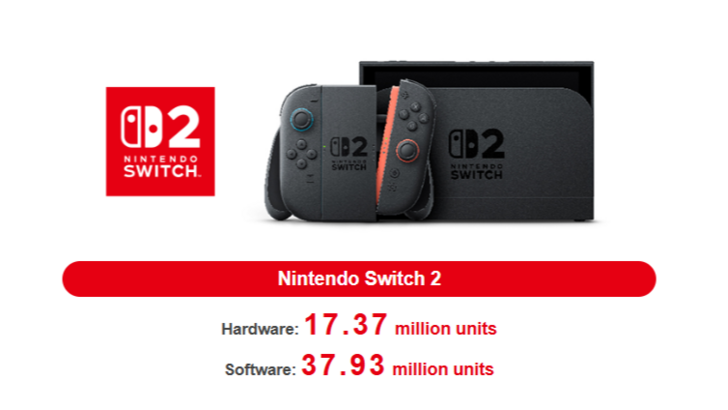
Sales performance, though, reflects the Switch 2’s current success. Within eight months of release, the Switch 2 is already one of the fastest-selling consoles to date. In the United States alone, it reached 4.4 million units in just seven months, which outpaces even the PS4’s early sales trajectory. These numbers do not point to a platform struggling due to a lack of exclusives.
The ports that many criticize play a larger role here than they are often given credit for. A port is easy to dismiss. It is a game that already exists, often released years ago, and available on other platforms. However, as the Switch 2 retains its hybridity, it changes how those games are experienced. Being able to play a large-scale game on a commute, during a lunch break, or away from a TV is still a massive selling point.
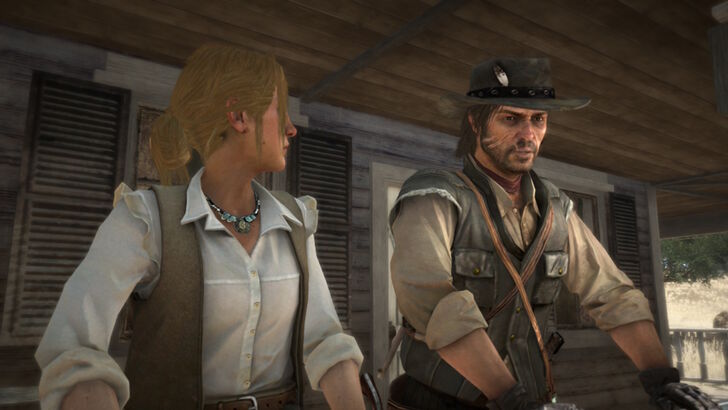
The stronger hardware of the newer console expands the kinds of games that can make that jump. Titles that were previously not viable on the original Switch, or required heavy compromises, now find a much more capable home on the hardware. This matters a great deal to those who value the luxury of portability.
A port from a home console to another does not fundamentally change how the game is played. You’ll still be in front of your TV, tethered to the couch. A port to a hybrid system like the Switch 2, however, can be a different experience. The same game becomes more flexible in how it fits into a player’s routine. You can even bring it to work if you so like. That difference may not generate headlines, but it has value over time.
Limited Dev Kit Access for Third-Party Developers Likely Culprit for Lack of Exclusives
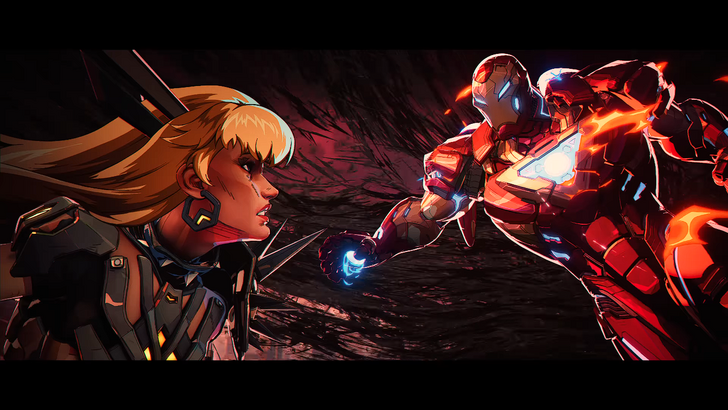
The Switch 2 having a lot of ports may perhaps be due to Nintendo not giving out development kits to many third-party developers months or years before the console’s release. Reports from developers and industry outlets suggested that only a limited number of studios had access to the hardware and tools needed to make native Switch 2 games. Several medium-sized and indie developers shared that they were still waiting on dev kits months after launch, and larger triple-A studios also noted delays and uncertainty in getting access.
Dev kits are typically distributed well ahead of launch. That gives developers time to build or optimize games so that they can hit release windows, or at least be announced early. In the case of the Switch 2, according to Digital Foundry’s John Linneman, Nintendo was reportedly very selective about who received these kits. They would often tell teams without them to, like Sony with the PS4/PS5, make games for the "Switch 1 and rely on backward compatibility."
Unfortunately, this affected games that would have been released on the Switch 2. Publishers eager to support the platform, such as NetEase with Marvel Rivals, were hampered by a lack of hardware; as late as July 2025, a month after the console’s launch, they were still trying to secure development units. Because many studios were forced to start so late, the console's first wave of games will naturally favor developers who were able to access the hardware early (like CD Projekt Red with Cyberpunk 2077) or ports of existing projects that are easier to migrate to the new system.
Switch 2 Dev Kit Limitation a Strategy for Quality Control and First-Party Games
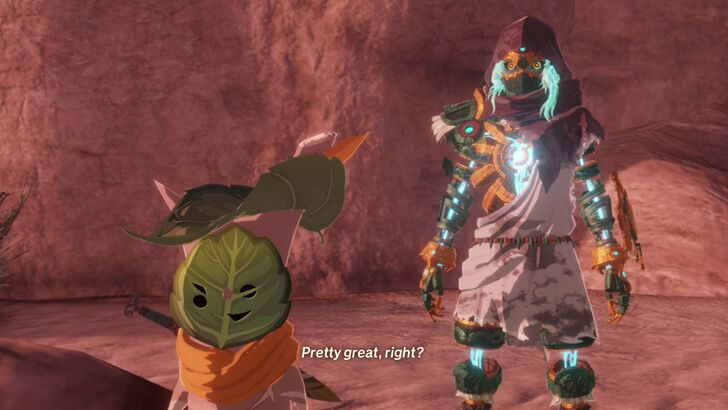
Since Nintendo’s exact reasoning remains private, speculation regarding their strategy is inevitable. There’s a possibility that, much like the transition observed with the PS5, the company is gradually migrating its massive player base from the original Switch. By only giving out kits to select developers, they may be prioritizing their own first-party exclusives. As the adage goes: People buy Nintendo consoles for Nintendo games. The brand has always relied on its own characters to define its hardware; it’s part of the reason why Nintendo’s best-selling games are almost always in-house productions. It allows Nintendo’s own creative direction to dictate the new console’s early identity.
There’s also the possibility of quality control. Following the "drought" in third-party games that hampered the GameCube, then-Nintendo President Satoru Iwata sought to ensure the Wii had a steady supply of support. As reported by Nintendo Life back in 2006, Nintendo made development kits available to third parties for as little as "$1,732"—a fraction of the "$20,000" cost of a PlayStation 3 dev kit at the time.
⚫︎ Monster Trux Extreme: Arena Edition on the Wii, Developed by Data Design Interactive
This, however, opened the floodgates to a surge of shovelware—low-effort releases from publishers looking to capitalize on the system’s popularity. As Game Informer reported in 2009, the Wii was widely seen as "easy to develop for," which, combined with its massive install base and large casual audience, made it especially attractive for low-quality projects aimed at less discerning consumers.
The issue simply isn’t that popular systems attract more games (both the Wii and the Switch demonstrate that) but that an oversaturation of low-quality titles can crowd storefronts and make it harder for players to identify genuinely good games. In the Wii’s case, this was reflected in a disproportionately high number of poorly reviewed titles and weaker third-party performance. On Metacritic in 2009, "out of the 182 Wii games listed at the time of this writing, 74 of them – or 40 percent – scored 50 or lower out of 100," noted Game Informer.
The same is true for the Switch, though not to the same egregious degree. The platform faced criticism for an eShop flooded with low-effort releases, to the point that Nintendo updated its storefront algorithms just last year to de-prioritize low-quality titles and reduce the visibility of shovelware.
Regardless, it is still too early to claim anything. Nine months is not enough time to fully judge whether this will pay off in the years to come. A slow start in exclusives does not automatically point to the console’s failure, just as a strong launch lineup does not guarantee sustained success. What matters more is how the library develops over time, and that is something the Switch 2 has not yet had the chance to fully show.
The Switch 2's Success Will Be Defined in the Coming Years, Not Now
The worry about the Switch 2’s lack of strong exclusives right now is understandable, but it does not mean the system is failing. Every console generation takes time to find its footing; this happened to the 3DS and even the DS.
Nintendo’s recent financial results show the Switch 2 is still selling well overall, with quarterly profit rising on hardware demand even without a flood of new exclusive titles. The absence of a new Mario or Zelda mainline game right now doesn’t mean there never will be one. With any luck, we’ll see an announcement in the next big Nintendo Direct, whenever that may happen to be.
What matters most is that the hardware is selling, the library is steadily growing, and players can still enjoy the vast catalog of Switch games, now enhanced by the Switch 2’s new Handheld Mode Boost. History shows that a console’s identity and long-term success are rarely defined in the first few months. The Switch 2 is still in its infancy, and the story it will tell over the coming years is far from fully written.
Sources:
Games Press | Insert Coins again: Bit Boy!! Arcade 2 announced for Nintendo Switch 2
GamesIndustry.biz | Elden Ring is the biggest new IP since The Division | European Monthly Charts
GameSpot | Silent Hill 2 Remake Devs Give Update On Upcoming Nintendo Exclusive, Project M
GameSpot | Smaller Game Studios Are Struggling To Get Nintendo Switch 2 Dev Kits
IGN | Huge Nintendo Switch 2 Update Adds Handheld Mode Boost for Switch 1 Titles
Nintendo | Important information about compatibility of Nintendo Switch games with Nintendo Switch 2
PlayStation.Blog | Hermen Hulst Q&A: What’s Next for PlayStation Studios
The Motley Fool | Sony Q3 2020 Earnings Call Transcript
VGC | Forget business sense, Sony’s cross-gen U-turn is disappointing for PS5’s potential
VGC | Sony says God of War Ragnarök has sold 11 million copies in 3 months
You may also like…
|
Switch 2 Review | Good? Bad? Worth It? |
|
Switch 2 Accessories - Best Ones to Buy |
|
Nintendo Switch 2 Launch Games |
|
Switch 2 Accessory from Japan Lets Players Go One-Handed |