| No Rest for the Wicked | |||
|---|---|---|---|
| Release Date | Gameplay & Story | Pre-Order & DLC | Review |
No Rest for The Wicked is a heavily stylized action role-playing game made by the developers of Ori and The Blind Forest. Read our review to see what it did well, what it didn’t do well, and if it’s worth your time and money.
Everything We Know About No Rest for the Wicked
No Rest for the Wicked Story Plot
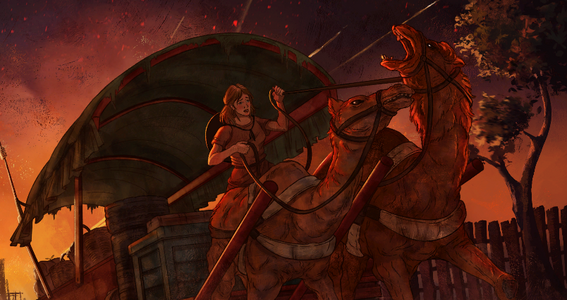
King Harol has died in the year 841, and next in line is his son, Magnus, whose notoriety of being inexperienced yet arrogant precedes him.
The kingdom has but a few moments to mourn, as the Pestilence– an unholy plague long ago forgotten for a thousand years– has returned. It spreads across the land, corrupting and destroying all things that come into contact. However, an ambitious and ruthless figure from the church named Madrigal Seline sees this as an opportunity to prove herself in the eyes of her god.
Players take on the role of one of the mystical holy warriors with remarkable powers called the Cerim. They hay pledged their allegiance to fend off and eliminate the Pestilence no matter what the cost. However, with all of the powerful figures in play, from foolish royalty to determined power-hungry leaders, The Cerim will be entangled and pulled across every direction whilst the Pestilence steadily and creepily spreads its influence far and wide.
No Rest for the Wicked Gameplay

No Rest for the Wicked is a top-down action RPG, where the genre is sought to be reimagined by Moon Studios. Its combat is primarily souslike in nature, where enemy attacks are weighted and telegraphed in order for players to perfectly time their own attacks, dodges, or parries. Progression is focused more on leveling up stats and with equipment, incentivizing players to invest in certain attributes and search for specific weapons that fit their playstyle. Moreover, the game features platforming sections that test the reflexes and dexterity of players as they venture through dungeons and fight off monsters at the same time.
No Rest for the Wicked Release Date
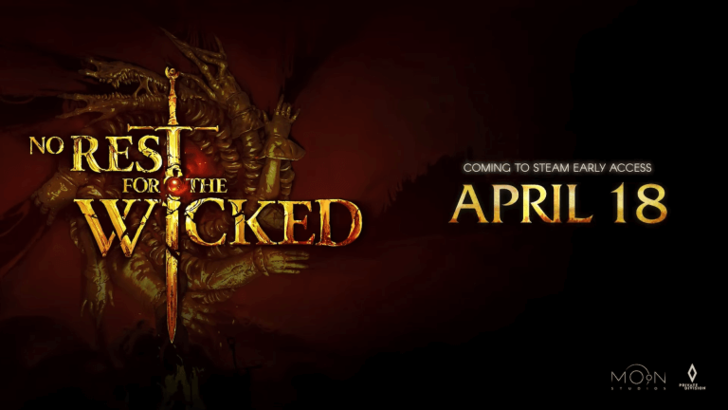
No Rest for the Wicked became available to play in early access since April 18, 2024, for the PC. It will eventually find its way to the PlayStation 5 and Xbox Series X|S at an undisclosed later date for its full official launch. Early access was released at around April 18, 12 p.m. EDT / 9 a.m. PDT.
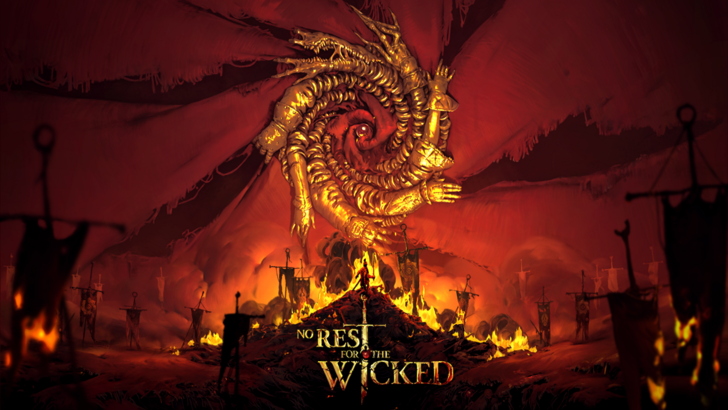 No Rest for the Wicked No Rest for the Wicked |
|||||
|---|---|---|---|---|---|
 Steam Steam |
 PlayStation PlayStation |
 Xbox Xbox |
|||
No Rest for the Wicked Review (Early Access)
Arcane Meets Dark Souls
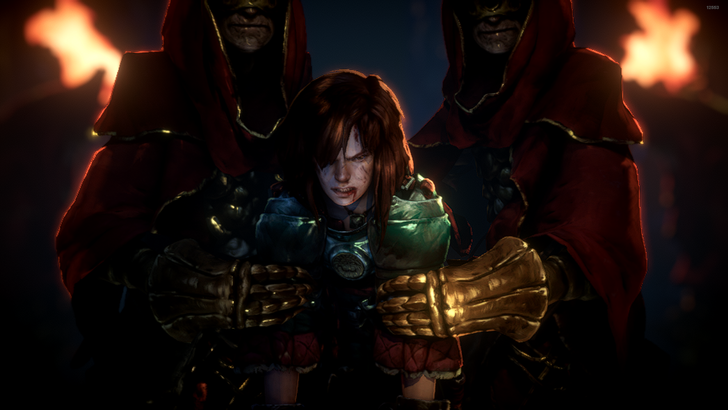
When I mention the word "soulslike", what’s the first thing to pop in your head? It’ll likely be the genre’s defining title Dark Souls or one of its many sequels and derivatives, but what else? Maybe you picture an armor-clad figure dodge rolling out of harm’s way? Perhaps a sprawling narrative told through item descriptions and loading screen tips comes to mind? I bet you even pictured a shot cutscene with stylized 3D assets. Well, whichever of those you thought of, you can bet that No Rest for the Wicked has it, even if it is just an early-access game.
Okay, maybe No Rest for the Wicked isn’t strictly a soulslike—it certainly doesn’t call itself that on any platform—but I can make a case that it could be. It certainly plays like one with its beat-for-beat dodge rolling and stat and equipment-based loadout system. It could also pass itself off as one with its beautifully stylized cutscenes and narrative that’s just barely too complex for the casual player.
But, fine, allow me to show you everything this game has to offer and you can decide in the end if this game really is a cross between Arcane and Dark Souls.
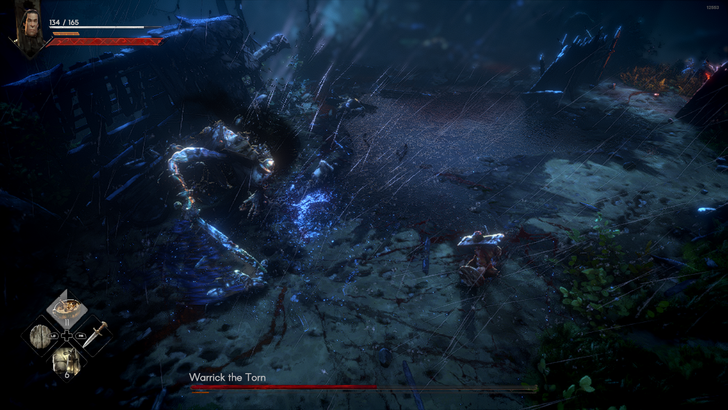
Let’s talk about the gameplay first, as this is where No Rest for the Wicked has the clearest soulslike influences. Before I tell you about the game’s mechanics, however, I first must insist that you play this game using a controller. Mouse and keyboard controls are also viable, but a controller setup will give you the best experience, especially if you’re using a PS5 controller with haptic feedback. Got that? Good, let’s continue.
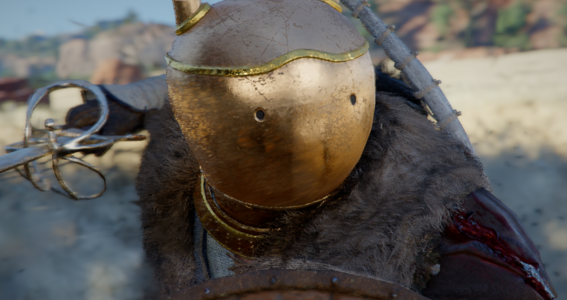
As an action game, No Rest for the Wicked’s gameplay is mostly combat, a lot of which looks and plays very similarly to true soulslikes. Players find armor pieces and weapons as they play, allowing them different playstyles according to their current load out. There’s the standard sword and board style (complete with parry mechanics, of course), dual-wielding style, heavy weapons style, ranged combat, and even a bit of sorcery and faith-based mechanics. This game even has its own twist on the dodge roll mechanics that Dark Souls doesn’t have, but I’ll elaborate on it when I talk about the equipment load system.
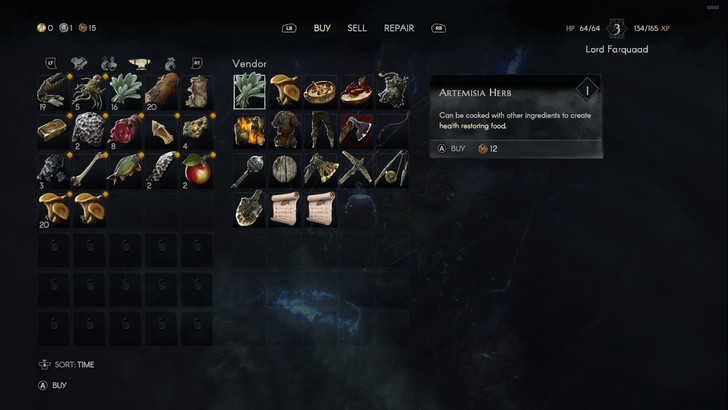
Various consumables can also be found around the game’s amazingly stylized 3D map, including firebombs, potions for stamina and poise, repair dust, and various oils that change your weapon’s damage type temporarily. Instead of a recharging healing vial, players regain health by foraging, cooking, and eating food, which can have additional effects like better defense or more stamina for a limited time. All of these can be assigned to a directional hotbar, which also lets you cycle through all consumables. While players don’t have a weight limit for unequipped items, they do have a limited inventory space.
Combat itself is rather straightforward, at least at first glance. You’ve got basic attacks for minor damage and charged power attacks for meatier whacks. You’ve also got combo strings, accessible only if your character dodges or dashes. While on the topic of dodging, let’s circle back to the unique dodge mechanics I alluded to earlier.
The way your character dodges in this game depends on your equipment weight. You can either dash forward quickly, dodge roll somewhere slower, or deal heavy damage with shoulder rams if your character has light, medium, and heavy equipment loads, respectively.
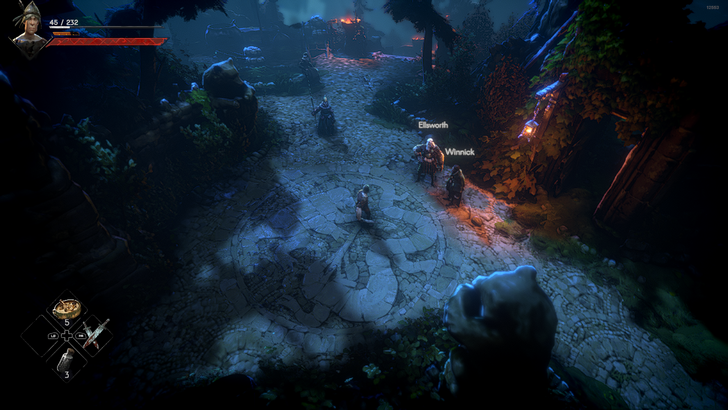
That’s such a cool idea and it makes heavy equipment loads a bit more tolerable, if not outright viable. It’s cool that No Rest for the Wicked did something with that mechanic proactively instead of just using it as a way to limit player builds.
Moving past the game’s combat, let’s talk about the game’s crafting and gathering mechanics. Yeah, this soulslike-adjacent game has Stardew Valley-esque gathering mechanics in it. You can dig, fish, mine, and deforest using an array of harvesting tools. This is how you create new gear, including armor, weapons, and consumables. I must admit, it’s a bit rudimentary right now, and the harvesting animation itself, though sublime, takes a bit too long.
Crafting is also limited by what recipes you know, so you’re going to be lugging around unusable resources for a good while. Thank the gods there’s a storage system to help with this.
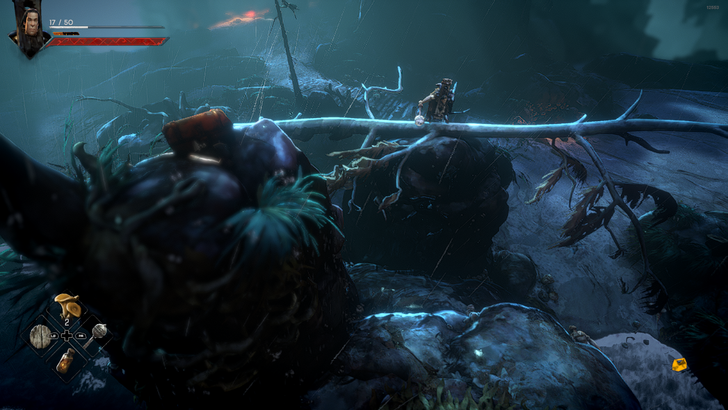
Last among the notable gameplay mechanics is the game’s platforming, which is a mechanic not often seen in these types of games. We’ve established that this game isn’t a true soulslike, but its other soulslike qualities might lead one to expect that jumping around to get to places isn’t a core gameplay mechanic. It is though, and the game rewards exploration and careful plaforming with money, gear, and loot.
Personally, I appreciate this odd assortment of gameplay mechanics because it keeps things fresh. This game could have done well enough without platforming or resource gathering, but it chose to add those things to spice it up a bit.
None of them feel tacked-on, either, as each one has as robust an implementation as the game’s combat. It simply wouldn’t be No Rest for the Wicked if it was just hacking and slashing all day.
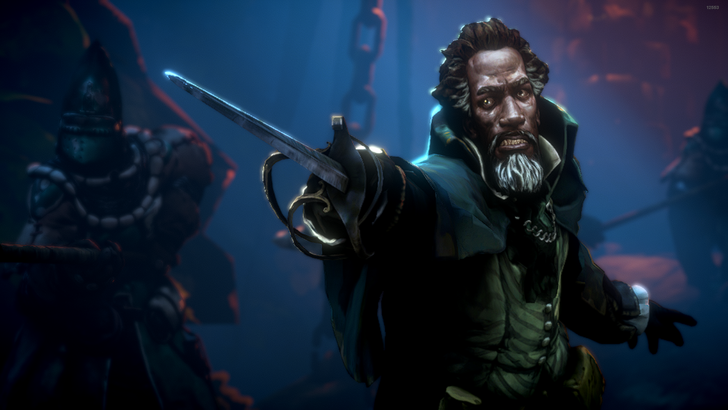
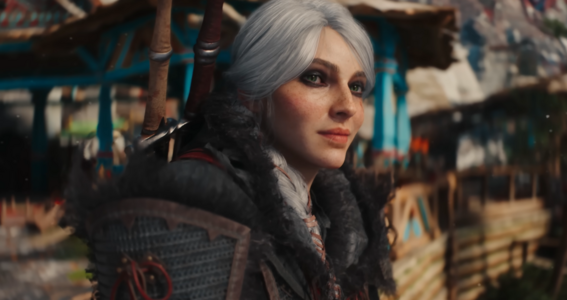
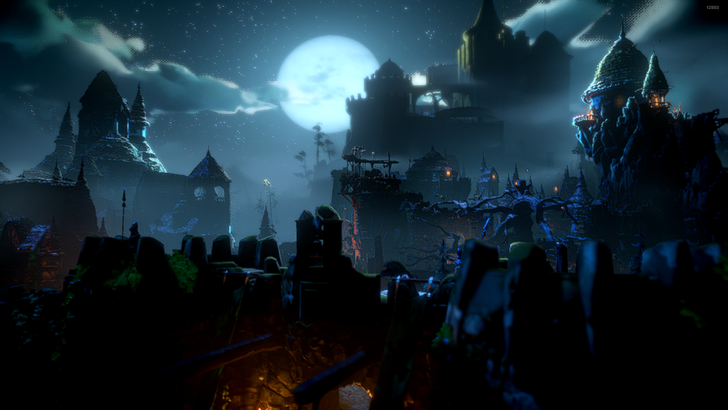
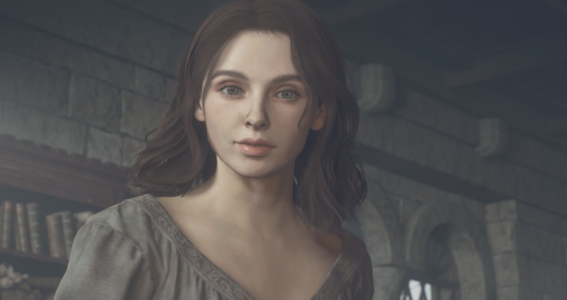
With gameplay done, let’s get started with the game’s visuals because I have so much to say about it. Let’s get the obvious out of the way: I love how this game looks. I was initially put off by how "apelike" the character looked during character creation, but I eventually understood that it was a stylistic choice. And what style is that exactly? Well, if you’ve seen Arcane, then you already know what I mean. The world, the characters, the gear; they all look like they were painted into existence.
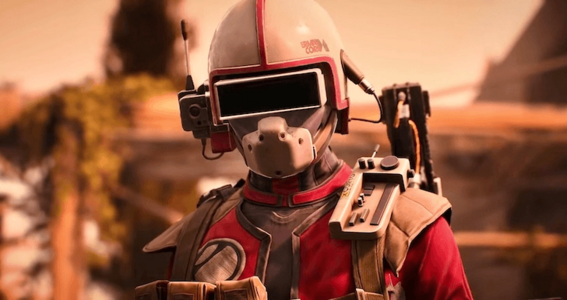
I swear, I can see individual brush strokes on people’s faces during cutscenes sometimes. The character design is nothing to scoff at either, balancing real-world influences with the exaggerated proportions of this stylized setting.
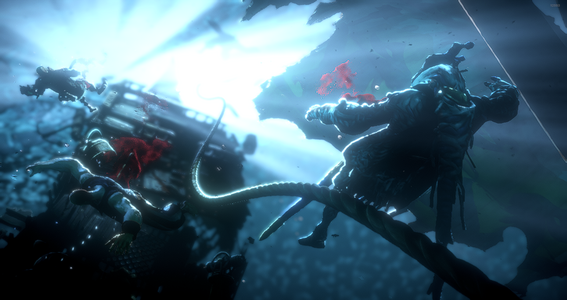
But above all of these amazing details is the game’s masterful cinematography. The cutscenes are beautifully directed, almost as if they were made for television. Unique blocking techniques, framing devices, and dynamic camera movements make all of this feel like it’s a show that I would vibe with so hard.

After all that, there’s another aspect to the game’s visuals that just brings it all together into something to feast your eyes upon: its animation. From detailed facial movements to the most fluid attack animations I’ve seen in a long time; this game has it all. It’s the neat little bow to the visual package that makes this game stand out among its peers. I should have seen this coming. I mean, what else should I have expected from the developers behind Ori and the Blind Forest?
The sensory feast doesn’t stop there, however, as this game’s audio is an experience all on its own. The voice acting isn’t just tolerable, it’s way above the industry standard, at least in my opinion. Paired with the game’s great writing, as I’ve exhaustively mentioned in this review before, it reads like a series that I ought to be watching. The music helps with this as well, being of great quality and always apropos to the scenery at hand.
With a cavalcade of praises trailing behind it like that, what makes this game less than deserving of a perfect score? Well, it isn’t early access for nothing, that’s for sure. The game bugs out every so often, putting my character in walls or inescapable areas whenever I land incorrectly from a failed platforming event. On more than one occasion, I was met with an empty UI that I couldn’t exit from whenever I attempted to talk to an NPC, forcing me to reload an older save. Thankfully, this has never caused me to lose more than a few minutes’ worth of progress, but it’s still worth noting.
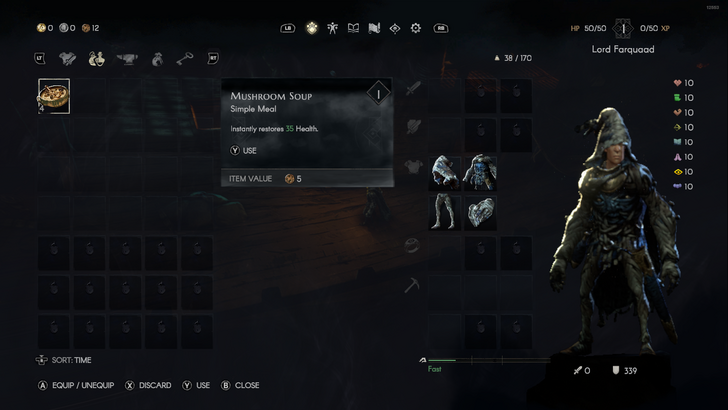
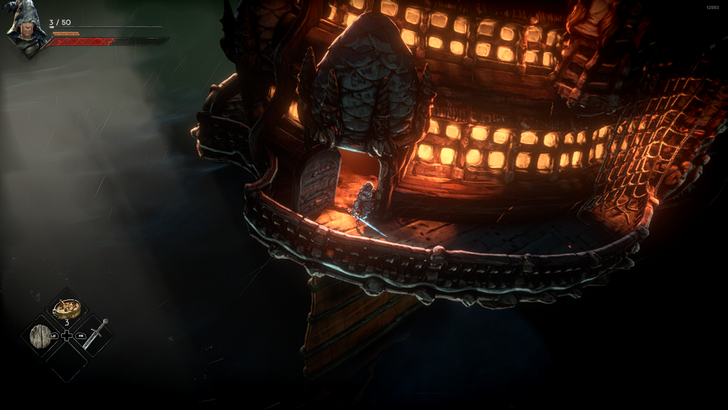
The game is also a bit sluggish overall, with your character’s running speed feeling insignificant and enemy attacks far outpacing your own. It depends on your equipment, but sometimes, even your inputs get delayed by a few too many milliseconds to be effective. In a combat system where rhythm and skill are key, those milliseconds might as well be eternities.
Lastly, the game’s durability system is just unfun to play around with. Dying doesn’t lose you money, it loses you durability, which may as well be money with how often you’re going to need to rebuy items. Repair powders exist, but they’re either too rare or too expensive to craft to be reliable. I’d sooner lose my in-game currency than suffer another broken sword becayse I misjudged a jump.
There’s also the matter of quality of life, as the game currently lacks UI elements for PS5 controllers or the option to rebind controls in any way. Action game players, especially those who play soulslikes and soulslike-adjacent games, love their custom key binds, so this is a major hit against the game’s quality.
Overall, this game just needs a bit more spit and polish to be viable. It has plenty of great things going for it already, the devs just need to buff out the scratches and maybe rethink a few minor gameplay mechanics. That’s what early access is for anyway. It’s a great game now, but I’m sure that it can get ever so slightly better without too much effort.
So, what'd I tell you? It's like Arcane and Dark Souls, right?
Is No Rest for the Wicked Worth It?
It Still Has Kinks to Work Out But It’s Worth It Now
Imperfect as it is, I can see a great game underneath all these bugs. No Rest for the Wicked clearly has a lot of talent and effort fueling its development, so it’s only a matter of time before it’s out of the oven and worth its $35.99 price. If you’re apprehensive about buying a game that still has a few bugs in it, that’s fine. I will say, though, those bugs pale in comparison to everything else that No Rest for the Wicked can offer.
| Platform | Steam |
PlayStation |
Xbox |
||
|---|---|---|---|---|---|
| Price | $35.99 | ||||
No Rest for the Wicked FAQ
Does No Rest for the Wicked Require Online Connection to Play?
No. According to Mikey—one of the game’s developers—No Rest for the Wicked does not require an online connection to play.
Does No Rest for the Wicked have a Multiplayer?
Not yet. No Rest for the Wicked is currently only a single-player experience, although the game’s developers have confirmed that the game’s first major update will add multiplayer features, allowing up to three other players to connect and play via online multiplayer.
Game8 Reviews

You may also like...


No Rest for the Wicked Product Information
 | |
| Title | NO REST FOR THE WICKED |
|---|---|
| Release Date | April 18, 2024 (Early access) |
| Developer | Moon Studios GmbH |
| Publisher | Private Division |
| Supported Platforms | PC(Steam), PlayStation 5, Xbox Series X|s |
| Genre | Action, RPG, |
| Number of Players | 1 |
| Rating | ESRM Mature 17+ |
| Official Website | No Rest for the Wicked Official Website |
- Disclosure: Game8 was provided with a free copy strictly for review purposes with no other compensation.