
| Crimson Desert | |||
|---|---|---|---|
| Release Date | Gameplay & Story | Pre-Order & DLC | Review |
Overview
What is Crimson Desert?
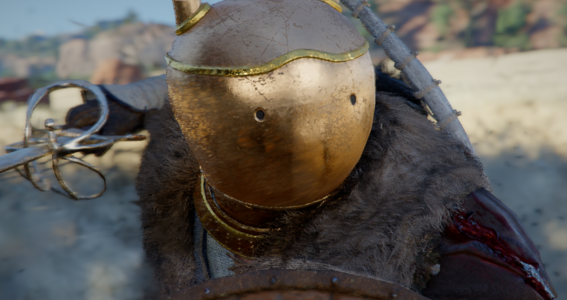
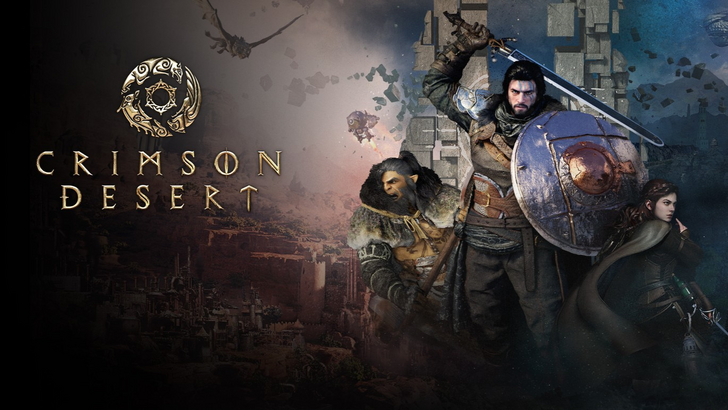
Crimson Desert is a single-player open-world action adventure, set in the medieval fantasy world of Pywel. Players can travel by foot, horseback, and even by dragon moving between cities, remote villages, and untamed wilderness. While the main campaign follows Kliff and his journey to find the remaining members of the Graymanes, there are also side quests that provide useful rewards, such as expanding your inventory. Exploration is rewarded at every turn as players discover other mini games like boxing, archery, and more.
Crimson Desert features:
⚫︎ Open World Exploration
⚫︎ Skills Evolve Unlocking More Attack Combos
⚫︎ Complex Boss Fights
⚫︎ Exploration Driven
⚫︎ Environmental Storytelling
⚫︎ Multiple Playable Characters
⚫︎ Can Pet Dogs and Cats
For more gameplay details, read everything we know about Crimson Desert's gameplay and story.
| Digital Storefronts | |||||||
|---|---|---|---|---|---|---|---|
 Steam Steam |
 PS PS |
 Xbox Xbox |
 Mac Mac |
||||
| $69.99 | |||||||
Crimson Desert Review: The Adventure Keeps Getting Better
MMO Roots to a Solitary Journey
Pearl Abyss first demonstrated their talent for creating a fantastical world with Black Desert Online (BDO), an MMO that continues to remain relevant to this day. Whether you love it or hate it, it’s undoubtedly one of the few MMOs at the top of the genre.
My own relationship with BDO had been something of a roller coaster. At first, I was completely drawn in by its world and atmosphere, but I found the stories felt disconnected and fragmented from each other.
Then came Crimson Desert, which began as a prequel to Black Desert Online but later spun off to be a wholly single-player title. Immediately, I couldn’t help but wonder how the foundations of an MMO would work in a single-player RPG. More importantly, will focusing on that format lead to better storytelling?
After sinking my teeth into Crimson Desert, I can say that it does, but only if you’re willing to invest the time.
Scattered Brotherhood in the Vast Lands of Pywel
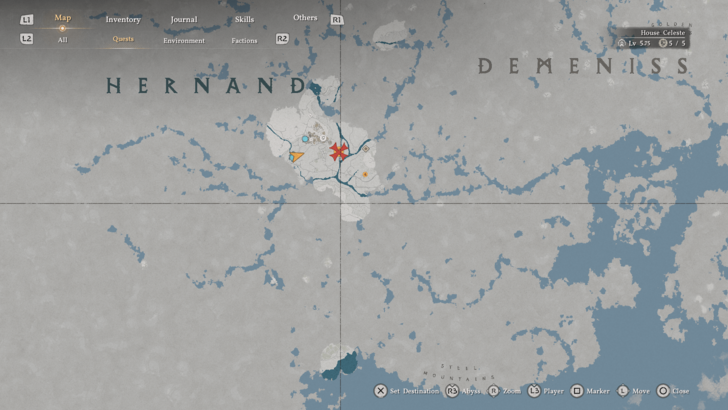
Crimson Desert takes place in Pywel, a massive continent, divided into various countries and regions each with its own identity. This is more than just a name change on a different part of the map; each area has a unique aesthetic and specific ways its residents and community interact with the world and the player.
The first country that players will explore is Hernand. Right off the bat, the regions here set expectations of the variety you will see, even within the same country. Hernand's main capital is a medieval town, consisting of large stone castles and fortified towns. But once you start traveling away from there, you begin to see the world becoming more fantastical in nature. The world begins to stretch its legs, and you start seeing just how much bigger Pywel is than what your first few hours in the game might suggest.
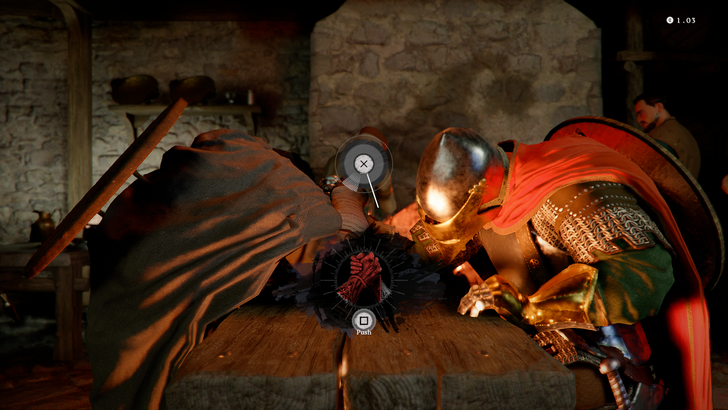
We follow our main protagonist Kliff, after his faction, a rugged tribe often seen as riffraffs called the Graymanes, is defeated by a rival faction known as the Black Bears. Kliff’s initial quest is a personal one: find the last remaining members of the Graymanes and re-establish the faction. However, the plot threads quickly begin to unfold in other directions, including a mystery surrounding the Abyss—a place that only those who can harness the power of nature can access. What starts as a simple, personal journey for Kliff evolves into a multifaceted story where different machinations interconnect.
As Kliff balances his different priorities, the narrative also maintains its fluidity by shifting focus between the various plot threads: some chapters will focus on the Graymanes, others on the Abyss, and others still on the political relationships between countries. This back-and-forth perspective allows for the player to juggle everything without fully losing sight of the other. However, that also tilts the storytelling into a disjointed rhythm, where the connections between them isn’t immediately clear.
Familiar MMO Loop Without the Repetitiveness
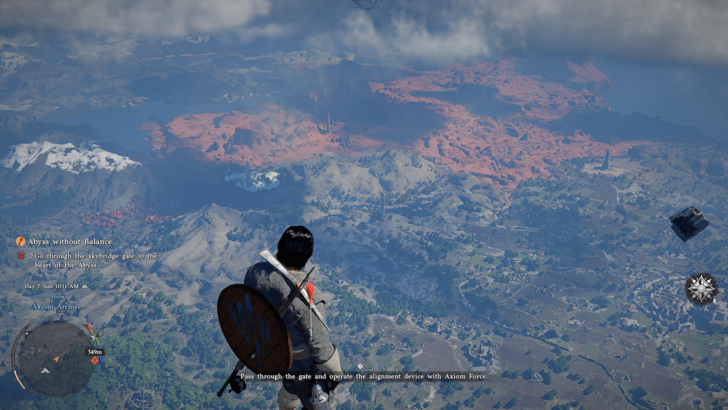
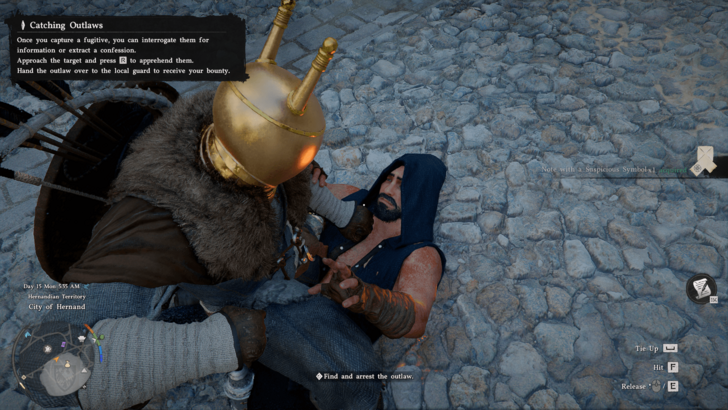
The core gameplay loop in Crimson Desert is structured similarly to MMOs. The main story is tackled linearly, chapter by chapter, but a wealth of other content in its massive open-world—side quests, environmental puzzles, bounties and minigames (arm wrestling, boxing, etc.)—keeps the action engaging.
But even if you do find yourself focusing entirely on the main campaign, the loop never really felt repetitive. If you boil it down, the structure for each chapter is consistent: complete a mission and encounter a boss fight. But it’s the execution that ensures no two chapters feel the same. The boss fight might occur at the end, very suddenly in the middle, or even at the very beginning of a chapter.
This dynamic approach for boss placement helps maintain a sense of freshness even when it’s technically formulaic.
A World That Demands Exploration
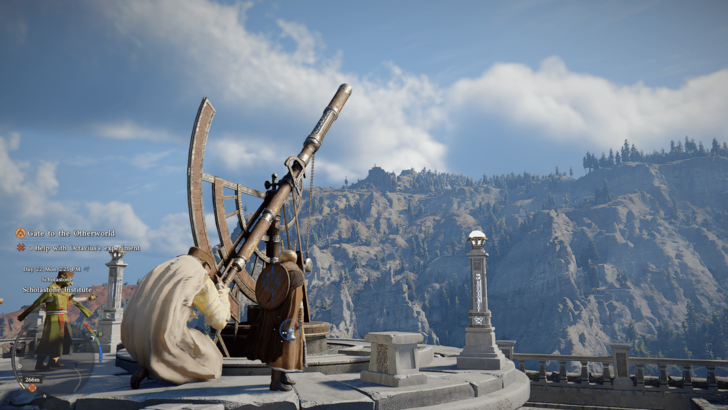
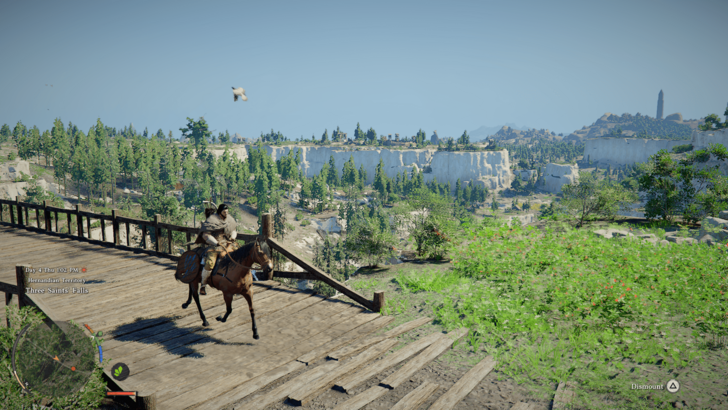
More than anything though, exploration was what consumed the majority of my playtime. The sheer expanse and size of Pywel creates an immersive world with nooks and crannies begging to be discovered.
I’d set out for a main story mission only to end up side-tracked hunting down a bounty, completing a side quest, farming ingredients for cooking, or just wandering around to see what hidden corners I could find. Some of these activities, especially in the first few chapters, were honestly more engaging than the main story itself, becoming the reason to linger and really take in the world.
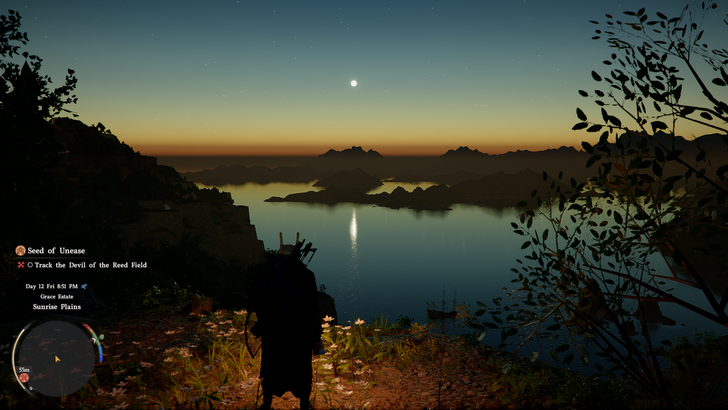
That’s honestly what Crimson Desert’s main draw is: its world. Typically, when there's a large game world, it’s normal to worry how many assets will be reused to fill up the world. This is not an issue in Pywel.
Everything, even the random hamlets and villages that fill the map, feel purposefully placed and well-built. Mountainside villages, for example, are compact and suited to the terrain without sprawling farmlands, while farming communities spread across open fields. Finding them is as satisfying as exploring a large city because they feel like natural parts of the game’s world rather than just filler.
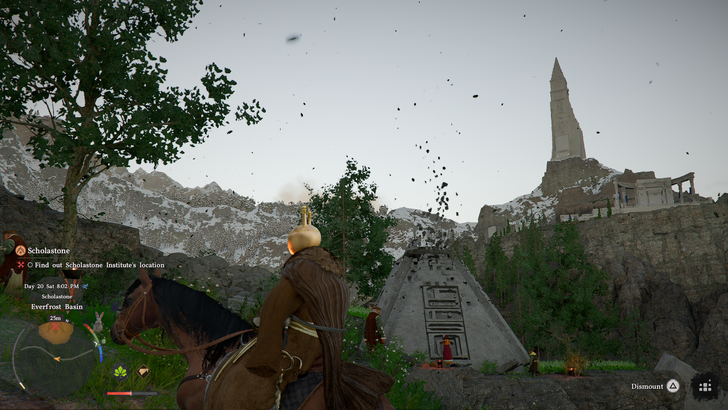
But while traversal is satisfying, given the sheer size of the world, getting from point A to point B will inevitably take a long time, whether on foot or even on horseback. Fast Travel eventually becomes available, but the destinations are randomly scattered around the map, usually far enough from main landmarks. Therefore, even once fast travel becomes an option, expect to spend time walking the rest of the way to get where you need to go.
It might sound like a chore for those who just want to finish their objectives as fast as possible, but I think it’s a brilliant design that encourages you to learn the map rather than simply look at a waypoint and travel there. After enough time with the game, navigating from one point to another becomes second nature—remembering routes and shortcuts without even thinking.
Puzzles That Actually Let You Think
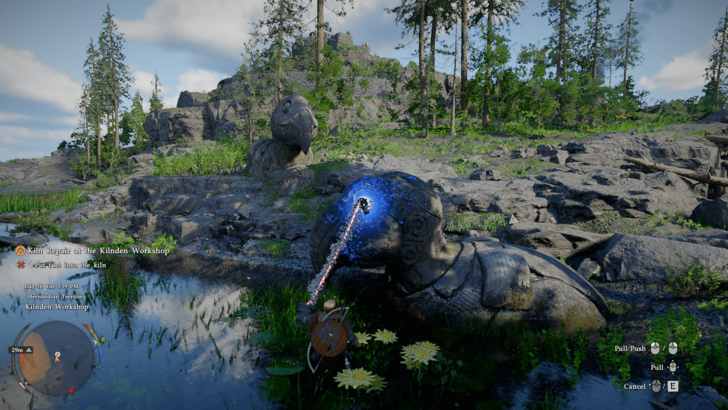
Another thing the environment does really well are the puzzles scattered throughout the world. I appreciated how little the game held my hand through them. Most of the time, there aren’t any glowing environmental clues telling you exactly what to do. The game just drops the puzzle in front of you and trusts that you’ll figure it out with the skills you currently have.
I’d spend a good ten minutes just observing; what mechanisms are there, what objects can be interacted with, and what skills I currently have that might affect or control them. Sometimes the answer was simpler than I expected, other times it required trying a few different approaches before it clicked.
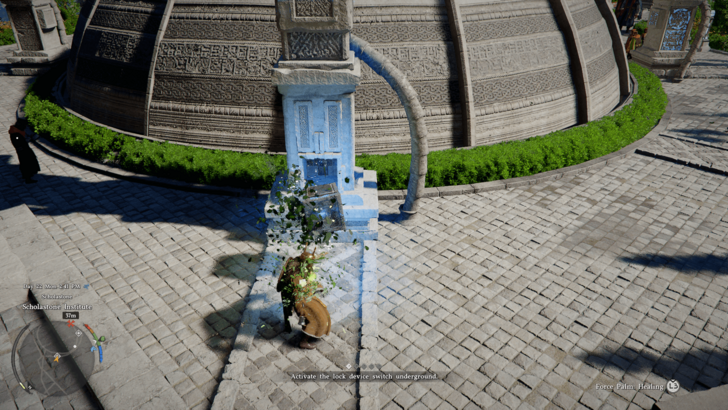
The game doesn’t treat you like a child. Crimson Desert trusts its players to experiment, to fail a couple of times, and to eventually piece things together. That freedom makes problem-solving genuinely rewarding because it feels like the world is responding to your curiosity rather than forcing you down a predetermined path.
The Controls Are Weird… Until They Aren’t
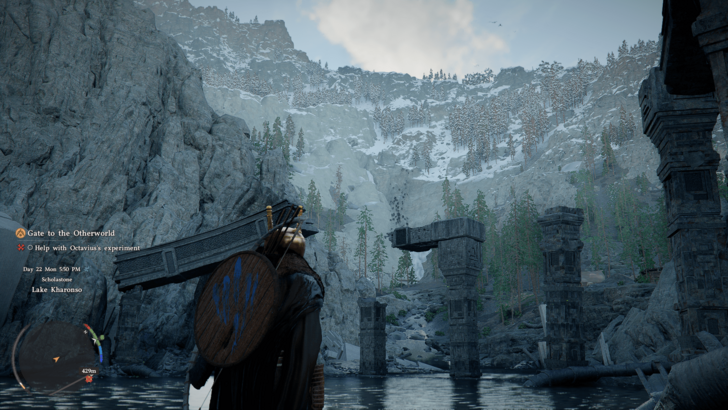
Of course, we have to address the elephant in the room: the control scheme. If you’ve seen the discussions online, you’ll know that a lot of the concerns revolve around the controls. And there is merit to that concern.
Like many modern gamers, I’ve grown used to the "standard" layout shared across several games. For example, normally you’d expect to sprint when pressing L3. Here though, L3 makes you crouch, while sprinting requires double tapping X, which, in most games, is the jump button. This meant that for the first few hours, I kept crouching when I meant to sprint, and sprinting when I meant to jump. It was undoubtedly messy at first, and required some time to get used to it, but I DID eventually get used to it.
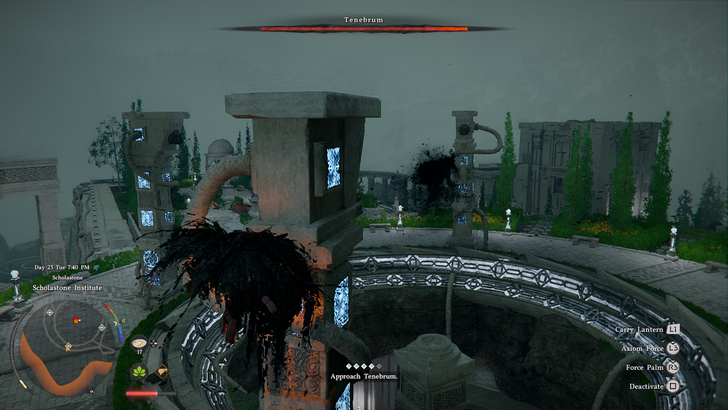
The bigger concern I’ve seen people have though, is the controls for combos. Pearl Abyss has mentioned incorporating fighting game DNA in their controls and it shows here.
The game has a lot of skills, but it’s not exactly about unlocking dozens of completely separate abilities. Instead, many of them evolve. A skill might start with a simple button input, but as it develops, that same base input branches into a more advanced version that requires adding another button to the sequence. So the combo inputs start to make sense once you begin upgrading the skill tree.
There’s definitely a learning curve here, no doubt about that. But it’s not complicated just for the sake of being complicated. And it helps that the game doesn’t dump every possible combination in your lap right away.
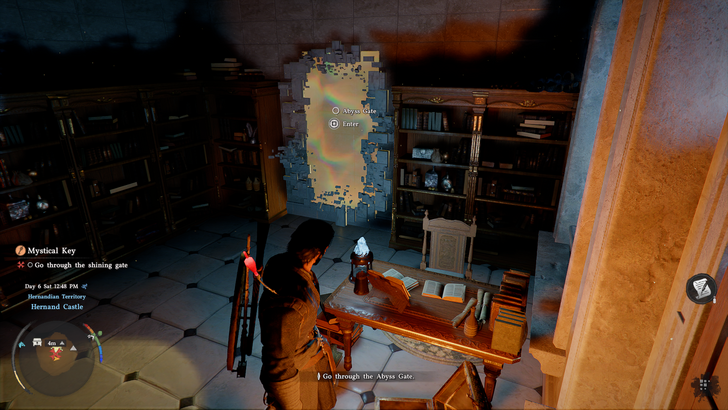
Once things start clicking, pulling off combos against regular enemies become natural. The controls are responsive, which makes chaining attacks second nature after a bit of practice. Boss fights, however, are a different story. In those intense encounters, I often found myself relying on the reliable combos I had already memorized, simply because one wrong input could leave me open to a devastating hit.
So timing also plays a big role. Knowing when to dodge, guard, or commit to an attack can sometimes push combat into Soulslike territory. Thankfully, since the skills evolve throughout your playthrough, it never feels overwhelming, just increasingly satisfying the more comfortable you become.
Character Build Isn’t Just About Raising Numbers
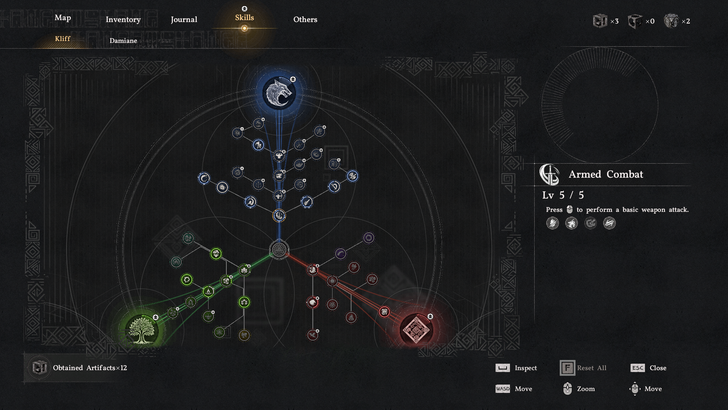
The progression system in Crimson Desert is built around a skill tree rather than traditional RPG stat allocation. There are no direct stat points to manually dump into defense, vitality, or strength. Instead, players use an item called an Abyss Artifact to increase skills or any of the three main attributes: Health, Stamina, and Spirit.
From those three core attributes, the skill tree branches out:
Stamina skills help with combat
Health skills obviously help with vitality and support abilities
Spirit skills enhance the ability to use the power of nature.
This makes character building enjoyable because instead of inflating numbers, your growth is tied to how well you actually play the game. There’s also room for experimentation because the skill tree is resettable (with a specific item), letting players try different builds.
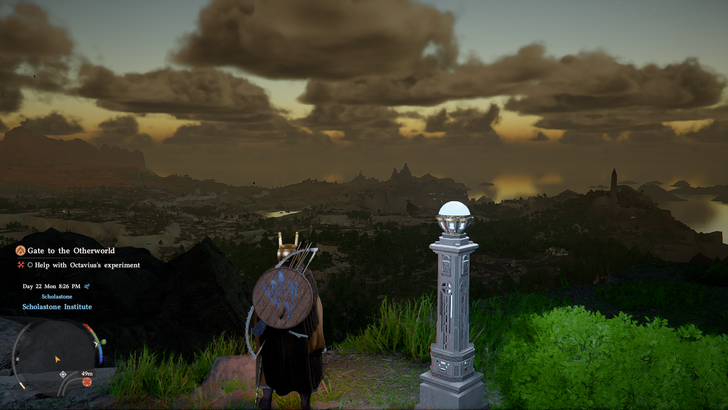
Personally, the first thing I prioritized was Health. Combat in Crimson Desert can get brutal. They’re not just a test of skill, they’re tests of endurance, so having a bigger health pool felt like the safest early investment. After that, I leaned into Spirit since it is useful for both environmental interactions and combat. Once those felt to be a good spot, I started investing more into the armed combat skill under Stamina, which definitely helped the fights that kept ramping up.
Boss Fights Are More About Surviving Than Winning Quickly
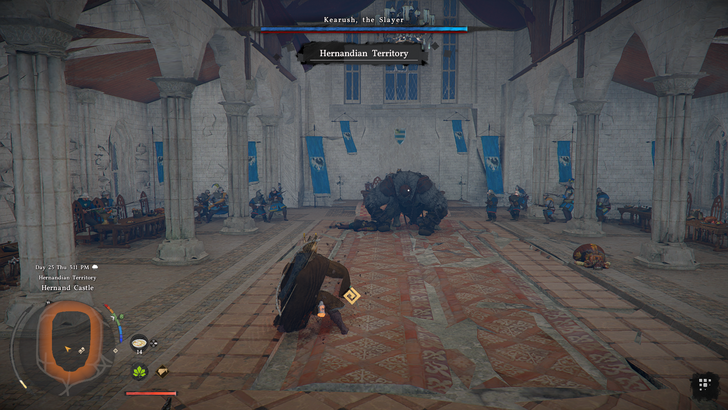
Bosses usually have some form of vulnerability you can exploit, but figuring that out is only part of the fight. The bigger challenge is surviving long enough to actually make use of it, because each new boss is more relentless than the last.
On average, I spent around two hours learning and eventually defeating a single boss. Studying their attack patterns, identifying vulnerabilities, and what skills or attacks I have that can deal the most damage.
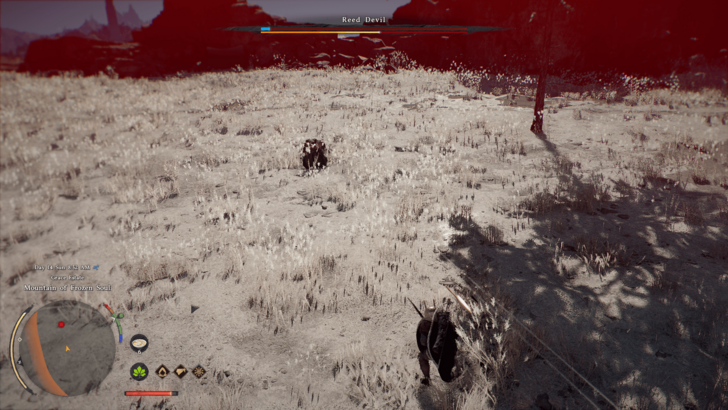
In most RPGs, you might get one or two boss fights like this across the entire game. In Crimson Desert, you’re basically doing that every chapter. Every boss fight is a major encounter, and by the time you finally bring one down, it genuinely feels like you earned it.
Story Feels Like Separate Tales
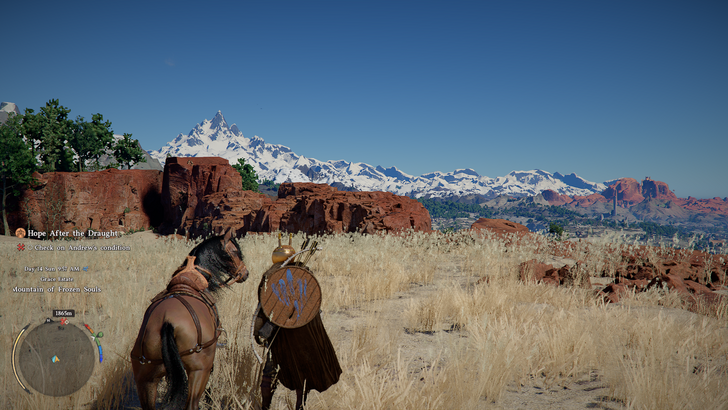
Crimson Desert’s narrative, in my opinion, is arguably its weakest link. To be clear, weakest doesn’t mean bad;l it just means it doesn’t have the same impact as the rest of the game.
There are two main reasons for this. First, the game’s opening doesn’t really take the time to properly set up its world for the player. The Graymanes are presented as this Viking-esque faction, and the Black Bears look pretty similar in tone. So if someone somehow went into this game blind—like, truly blind—and didn’t realize it was a fantasy setting, the opening setting doesn’t quite connect to the rest of the world once it starts expanding beyond that initial conflict.
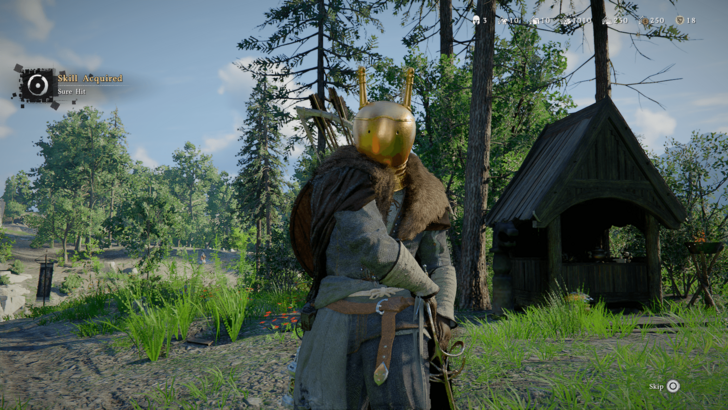
Second, even as the story moves forward and new plot points start appearing, the game struggles to make them feel like they’re part of the same bigger picture.
After the opening, Kliff’s motivation seems straightforward enough: find the remaining members of the Graymanes. He repeats in dialogue how this is his only purpose, and he will not do anything else. But the game immediately starts pulling him in other directions. He ends up helping clean up the streets of Hernand, which drags him into the city’s political machinations. Then suddenly he’s also wrapped up in something much bigger involving the Abyss and his new ability to harness the power of nature.
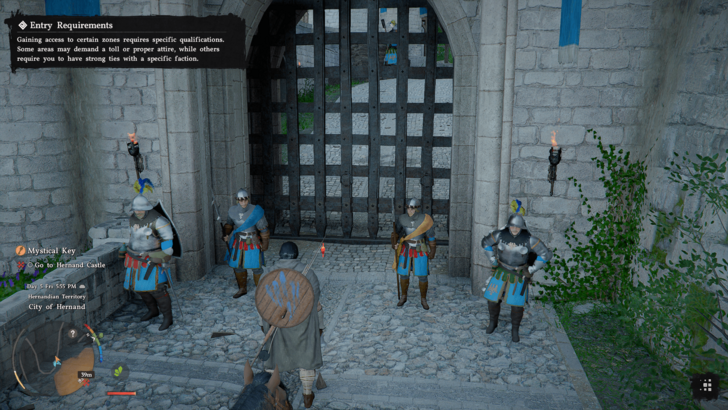
The problem is that these plot points feel isolated from each other. For example, in one chapter, the focus was about helping the Graymanes deal with what honestly feels like smaller, personal, problems. Then the very next chapter Kliff is pulled into this much larger mystery with a different group of people studying the Abyss.
Because of that, I found myself caring more about certain story threads than others. At one point, I genuinely stopped caring about the Graymanes because the mystery of the Abyss and even the political machinations of different countries were not only better written, but also made more sense in the world of Pywell.
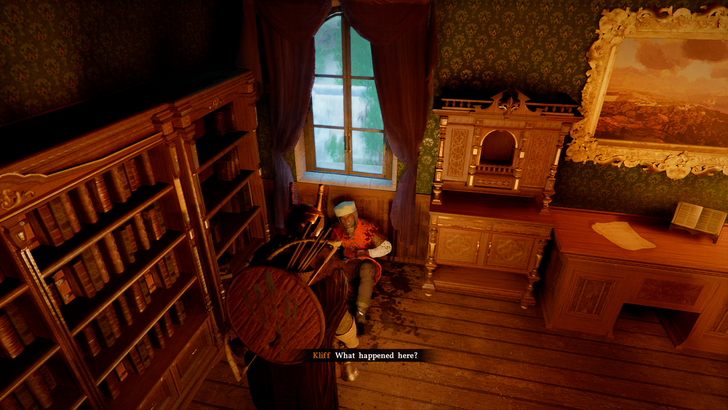
In hindsight, the messy introduction may be an intentional mirroring of Kliff’s own situation. Being a Graymane, Kliff was implied to be accustomed to keeping on his own, suddenly, he’s thrown into a world he barely understands. With little knowledge of political tensions or the hidden powers of nature, the opening setting that feels different from the rest of the game, captures exactly what it’s like to learn what’s going on in Pywel alongside Kliff.
But while playing through it, instead of feeling like it’s all coming together, the experience felt more like I had to force myself to piece it all together. Again, that doesn’t make the story bad. It’s just more like playing through different stories that just happen to exist within the same world.
New Playable Characters Add Depth (Eventually)
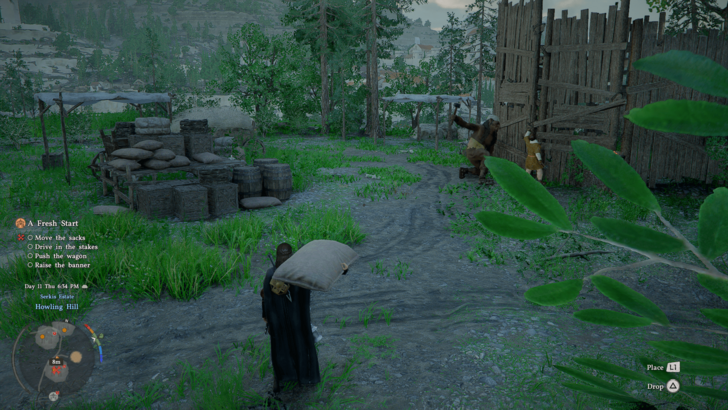
Crimson Desert has multiple playable characters. Without going into spoilers, the first additional character becomes playable during a segment when there isn’t much of a reason to actually use them at that moment. At the point when this character is introduced, the main story can only progress when you’re playing as Kliff, so you obviously end up sticking with him. On top of that, the narrative thread connecting this new character to the main plot isn’t immediately explained or even really acknowledged, which made their introduction feel random.
That said, this is very much an initial impression. Eventually, their motivation becomes clearer, and their presence starts feeling less like a distraction. Even their side stories become another piece of the bigger picture.
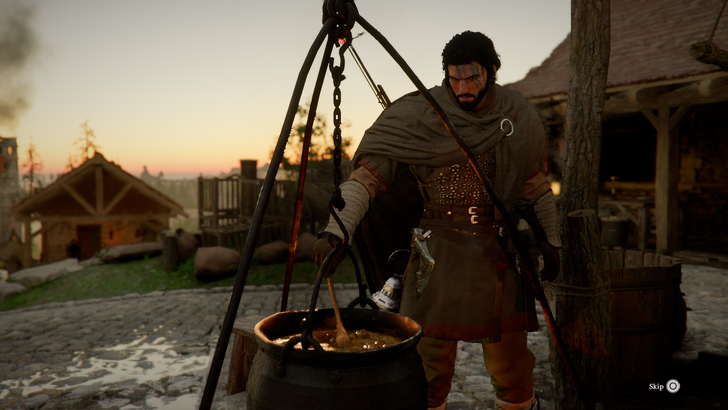
I guess, what my point really is, when it comes to the narrative and characters, Crimson Desert doesn’t always make the best first impression. But the payoff will start to show up later if you give it the time to develop
Practical Benefits of Having Multiple Characters
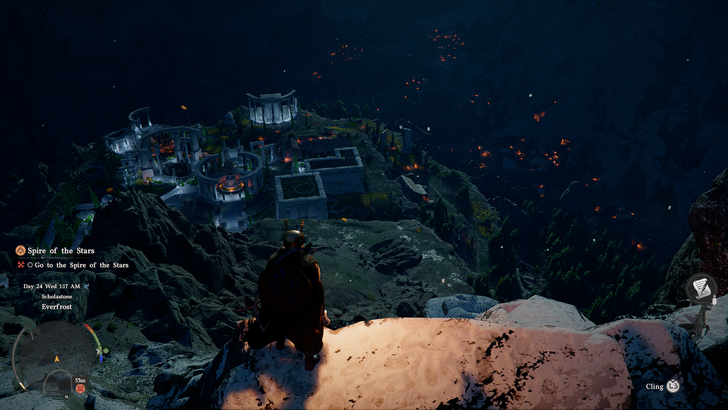
From a practical gameplay perspective, having multiple characters is extremely useful. Each character exists in their own location in the world, so if you leave one character somewhere and switch to another, they’ll still be exactly where you left them when you switch back later.
This makes traversal and exploration a lot more convenient. Instead of constantly traveling across the map with a single character, you can essentially have different starting points spread throughout the world, depending on who you switch to.
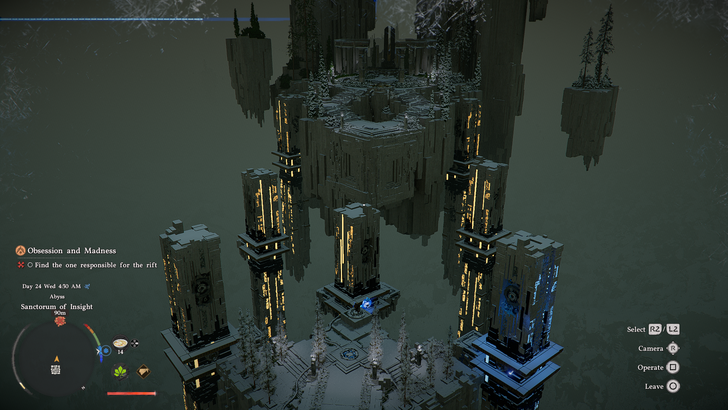
In addition to that, each character immediately comes with their own set of gear, completely separate from Kliff’s. So it’s like stepping into a different loadout right away, which adds a bit of creativity and flexibility to your playstyle.
All of this combines to make managing multiple characters feel seamless. It encourages experimentation and gives players more freedom to play the game on their own terms.
Is Crimson Desert Worth It?
Yes, Worth the Time and Money
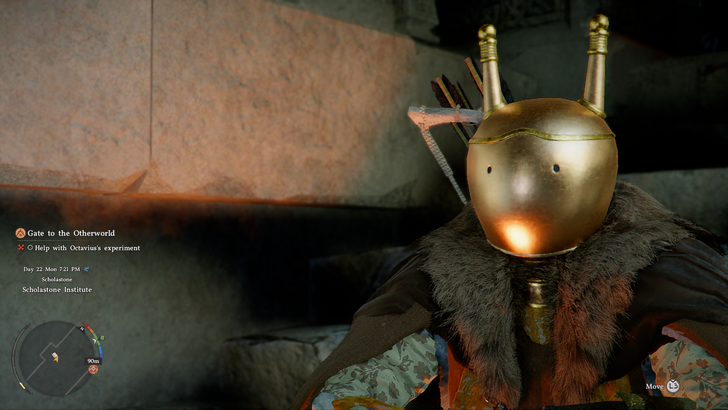
For $69.99, you’re not just getting a game, you’re getting an experience. This is a game built for players who enjoy getting lost in a world, learning its geography, understanding its system, and slowly uncovering what else it has to offer.
If you’re looking for an open-world with meaningful progression and plenty to discover even after the campaign ends, Crimson Desert is absolutely worth the price. It’s a game that asks for commitment, but the experience it offers in return makes your money and time investment worthwhile.
Crimson Desert FAQ
What are the controls for Crimson Desert?
Depending on your preferred controller, the game provides a diagram in the Menu > Others > Help section where you can view all specific controls. For DualShock controllers, the layout for basic controls are as follows:
⚫︎ L2 - Ranged Weapon (Hold to aim, release to shoot)
⚫︎ L1 - Guard / Aim
⚫︎ R2 - Heavy Attack (Hold for chain attack, tap for single attack)
⚫︎ R1 - Normal Attack (Hold for chain attack, tap for single attack)
⚫︎ Triangle - Unarmed Attack (Hold to kick)
⚫︎ Circle - Dodge
⚫︎ X - Double-tap to Sprint
⚫︎ Square - Jump (Tap for flight)
⚫︎ D-Pad Up - Summon Horse (Hold for Quickslot Characters)
⚫︎ D-Pad Left - Sheathe Weapon (Hold for Quickslot Weapons)
⚫︎ D-Pad Right - Consume Healing Item/Food (Hold for Quickslot Food)
⚫︎ L3 - Press to crouch, hold for Axiom Force
⚫︎ R3 - Force Palm
Game8 Reviews

You may also like...
 |
Monster Hunter Stories 3 Review RPG, Adventure |
 |
Kingdom Come: Deliverance 2 Review RPG, Action, Adventure |
 |
Mafia: The Old Country Review RPG, Action, Adventure |
 |
Avowed Review RPG |
 |
Crimson Desert News |