| Death Stranding 2: On the Beach | |||||
|---|---|---|---|---|---|
| Release Date | Gameplay & Story | Pre-Order & DLC | |||
| Review | PC Review | ||||
Overview
What is Death Stranding 2: On the Beach?
Death Stranding 2: On The Beach is an open-world action-adventure game with touches of a walking simulator that will iterate over the core gameplay fundamentals of its predecessor. The newly released PC port includes a completely new difficulty setting designed to challenge even the most veteran porters, as well as new VR training missions that relive Sam’s epic battles against the cultists.
Playing as Sam Porter Bridges, players balance packages on their person to carefully deliver them across barren landscapes and wastelands. Alongside that, they travel and connect isolated cities to form a network, so that communication and travel lines can be established. Players will spend most of their time travelling the open world filled with hostile BTs and raiders in order to safely reach their destination points.
Death Stranding 2: On the Beach features:
⚫︎ Hideo Kojima Game
⚫︎ Narrative Driven
⚫︎ Third Person Asynchronous Action Adventure
⚫︎ New Difficulty Setting
⚫︎ New VR Training Missions
⚫︎ Celebrity Cameos
⚫︎ Strand-Type Gameplay
For more gameplay details, read everything we know about Death Stranding 2: On the Beach’s gameplay and story.
| Digital Storefronts | ||
|---|---|---|
 Steam Steam |
 Playstation Playstation |
 Epic Epic |
| $69.99 | ||
Death Stranding 2: On the Beach Review: A Port That Delivers
Reconnecting the World Once More
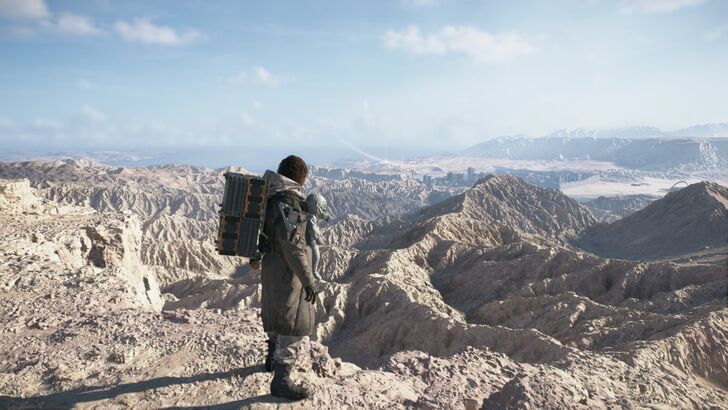
It may be controversial, but I really think Death Stranding 2: On The Beach was one of those games that flew under the radar last year. Don’t get me wrong, there were a lot of titles that really made a mark in 2025, but it was rather odd to see the game not having the spotlight it once had in its previous release. And it’s not exactly because it’s bad either.
It’s a sequel that actually improved on many things, and smoothed out many of the first game’s rigidity into something that’s more robust, responsive, and even better-looking than before. But that’s also where it had its issues, as the difficulty of the game plummeted since many of the struggles you had to deal with in the previous iteration were alleviated with the sequel’s new tools and improvements.
That said, I enjoyed the sequel very much last year, and the experience is definitely one-of-a-kind. So I wanted to see what’s new and how good the PC port is, especially since I wanted to know if they could repeat what they did with the previous game and how amazing that port was, in terms of performance. And I wasn’t wrong, Kojima and his team have done a masterful job at porting the compelling sequel.
Still Heavy and Heart-Wrenching
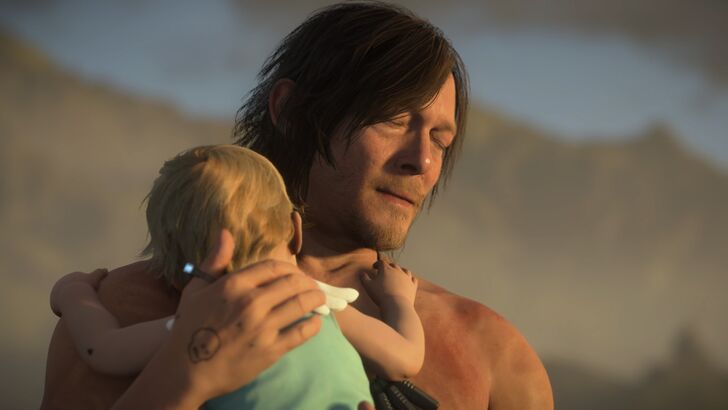
I won’t reveal too much with the details of the story, especially since it’s the main reason why you’d play the game, but Death Stranding 2 still hits as hard as it released. Nothing has changed in the main story, so players who have never played the sequel can still expect the same compelling narrative that captured many fans, myself included.
It’s still as deeply intimate, supernatural, and, most of all, personal. This is one of the more impactful games I’ve played, conveyed through a cinematic experience that explores duty, familial bonds, and even grief. It’s still just as immersive, too.
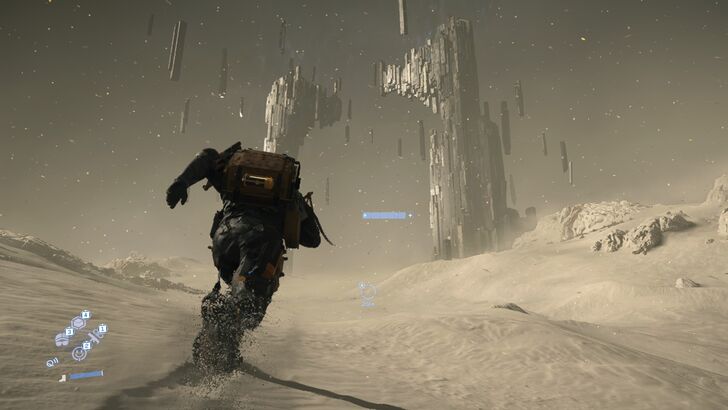
The same goes for its gameplay; the entire loop is very much the same. You still fulfill orders by delivering items to clients and trekking through various terrains to reach your destination. The combat remains a focal point with the overhaul of its mechanics, and it’s still as accessible as it was at release. The new systems make it a more action-oriented game, giving you the choice to go in guns blazing or sneaky-beaky like.
In short, Death Stranding 2 still hits as hard as it did when it first released, only this time you can play it on your PC.
Masterful Performance With The Decima Engine
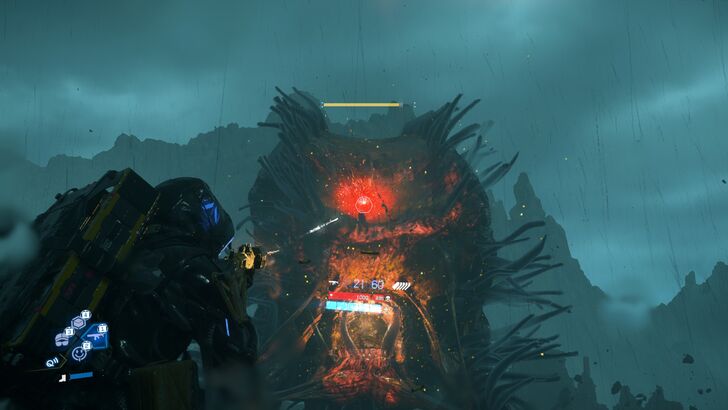
Now, let’s talk about the best part of the port: the performance. I don’t know what witchcraft Kojima Productions worked with the Decima Engine, but it has single-handedly proven that it’s one of the greatest, if not the greatest, game engines I’ve ever seen and played on. For context, I play on a mid-spec PC with an RTX 3070, and I’m in awe of how well the game performs at 1080p on High settings, maintaining a stable 144 FPS.
Outside of my PC, however, it has a ton of options you can tweak for optimal performance. First, it has uncapped framerates to display the game as smoothly as possible on high-performance monitors. Second, it supports multiple upscaling methods, including NVIDIA DLSS, AMD FSR 3.1, Intel XeSS, and their in-house PICO upscaling, which was used on the PlayStation 5 release.
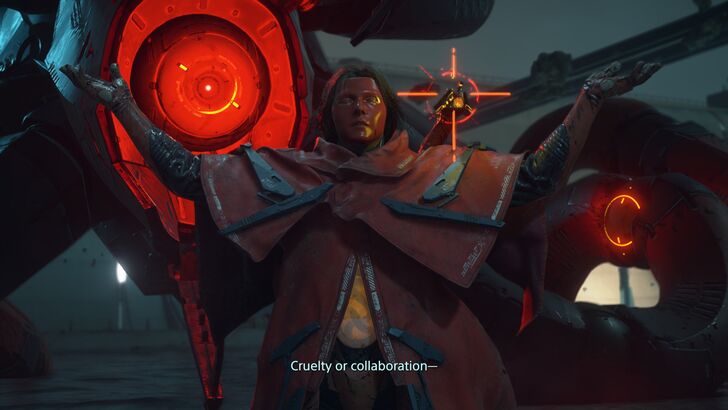
Third, it also supports ultra-wide screens, from the standard 21:9 to the super-ultra-wide 32:9. Lastly, for those with high-spec rigs, the game also now has the option to enable Ray Tracing on reflections and Ambient Occlusion, giving its already stunning visuals an even bigger upgrade.
It’s a near-flawless port, with only a few stuttering and slowdown issues that don’t affect the overall experience.
Comes With DualSense Functionalities
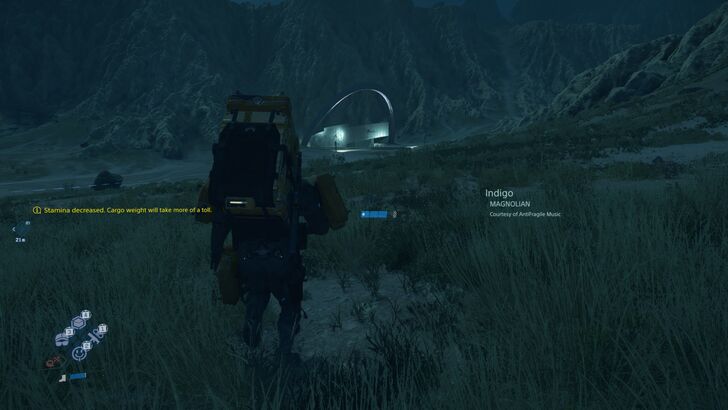
One of the PlayStation 5's biggest features is the DualSense integration in its games, especially how it enhances immersion. I’m happy to report that these features are also available on the PC port, provided you’re using a DualSense, of course. The haptic feedback lets you feel like you’re actually trekking through ravines, valleys, and even mountains, and the adaptive trigger further adds to the experience with its weight-balancing mechanics.
New Content Isn’t Massive, But Welcome Additions
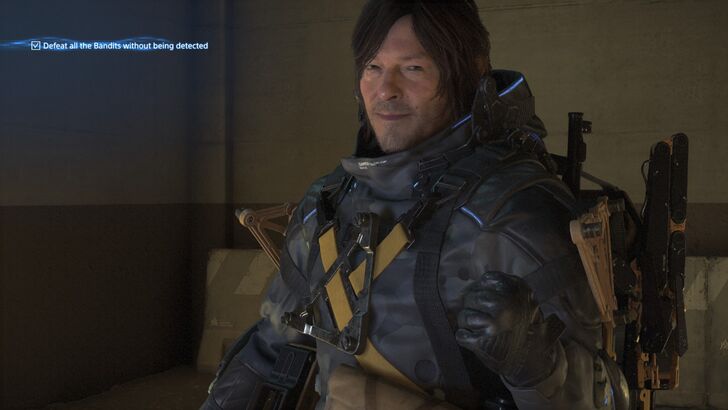
It’s also worth noting that the PC port includes some additional content, specifically on the gameplay side. While they aren’t massive changes to the game’s overall loop, they’re still welcome additions to the overall experience. However, one thing in particular did directly address one of its flaws, and it might actually be the definitive way to play the game.
To The Wilder is Definitely Wild
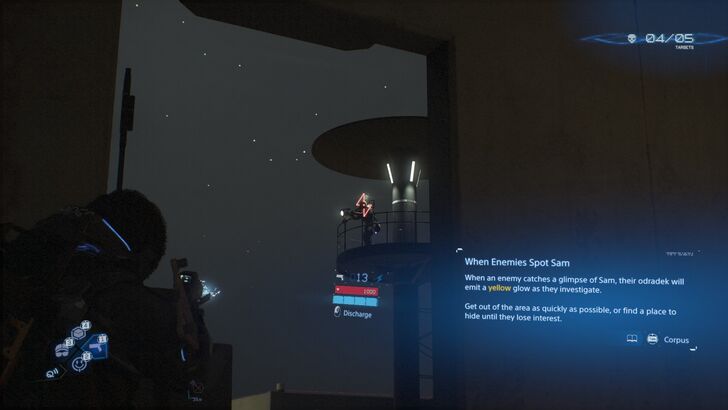
One of my main complaints about the sequel was how the many quality-of-life improvements smoothed out the experience so much that nothing caused friction anymore. The new vehicular transport and more inclusive asynchronous multiplayer aspects made the once perilous experience a walk in the park. Not only that, but the combat also lacks that punch to really make it a tougher experience.
The new difficulty, “to the wilder,” adds that new challenge to the combat, making encounters with BTs and other enemies feel much more risky. And that’s not all, starting a game on this difficulty means that you can’t switch out of it. This means you’re forced to complete your save on it; you’ll need to create a new save to play the game.
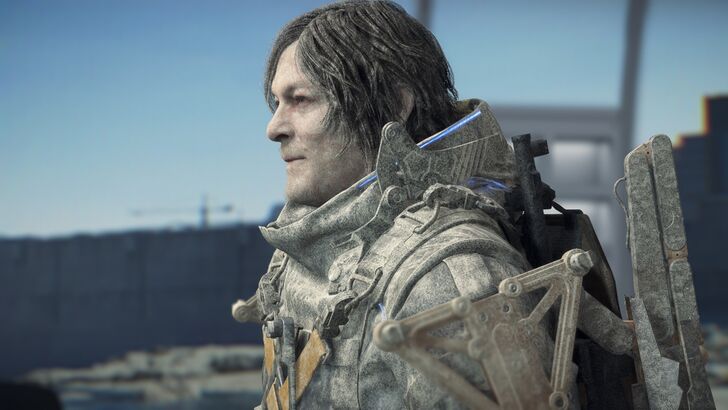
While it doesn’t bring back the previous installment’s difficulty through its traversal mechanics, it doubles down and shines a light on the intended experience—smoother movement, with more action. In my experience, the new difficulty definitely made me rethink my strategy for combat encounters as a whole. I opted to play safer and a lot slower, which certainly reminded me of a certain stealth series that Kojima once developed.
It’s a welcome addition to the game, one that I think is the definitive way to play the game rather than its original difficulties.
Relive the Neil Vana Fights and More
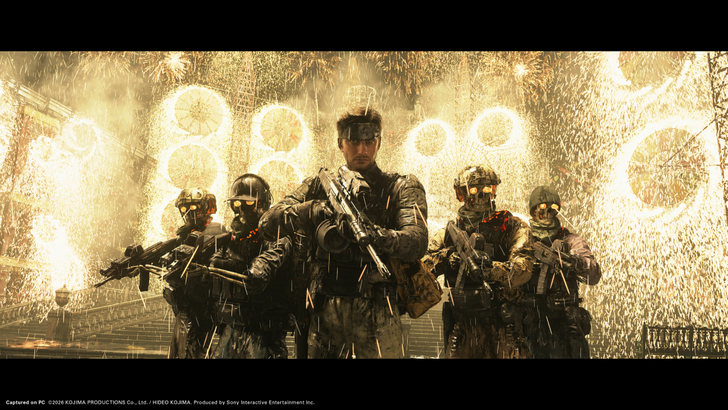
Sure, I did say that the game wasn’t all that difficult before, but that doesn’t mean that it didn’t have its memorable moments. Many of those came from the many boss encounters against Neil Vana and his army of flaming skeleton soldiers, now added to the game’s VR Training program as a way to replay these many fights. Accomplishing these awards you with different cosmetics, specifically the bandana and its many different colors.
In addition to gameplay additions, it includes new live-action cutscenes that were removed from the original game due to capacity limitations. And the most important addition of all, Tarman’s iconic Chiral Cat visits you in your room and around the base from time to time, and you can take pictures with it in Photo Mode.
Is Death Stranding 2: On the Beach Worth It?
Yes, It’s a Port That’s Worth the AAA Price
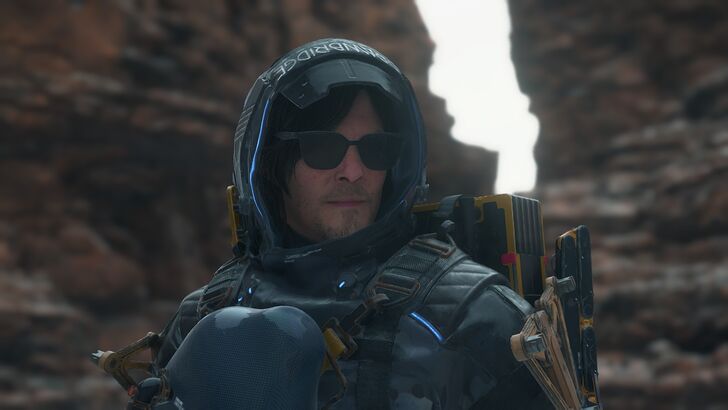
Death Stranding 2: On The Beach was one of the games I thoroughly enjoyed in 2025, and having it finally be released on PC means more players can finally try it out. The Decima Engine proves to be one of the best game engines we have to date, one that showcases that a AAA game can be well-optimized and can be played if you don’t have a rig that breaks the bank. The new “to the wilder” difficulty also adds more to the overall experience, one that I hope players will consider playing immediately, even if they’re not familiar with the game yet.
I could easily recommend the series to players who are into more narrative experiences and sci-fi themes, as Kojima’s penchant for writing cinematic storylines focused on his many characters remains as apparent as ever. It’s also recommended to players who want to try something that’s completely one-of-a-kind, since there is no other game that plays like it.
FAQ
Can I Play Death Stranding 2: On The Beach Without Playing The First Game?
Short answer: no. The long answer is that the recap doesn’t cover the whole narrative and lore in the first game. You can learn more about it in our article here.
Game8 Reviews