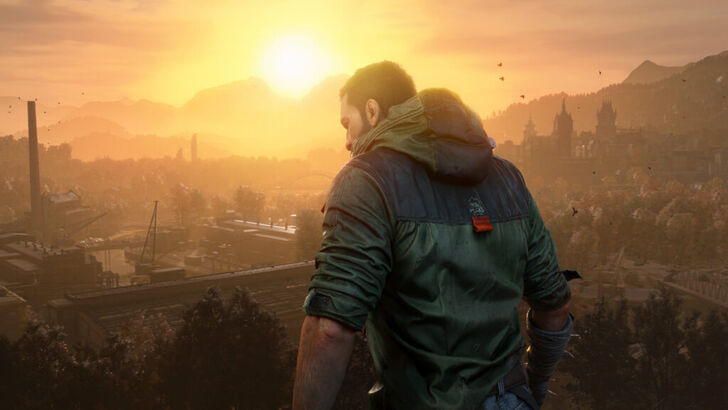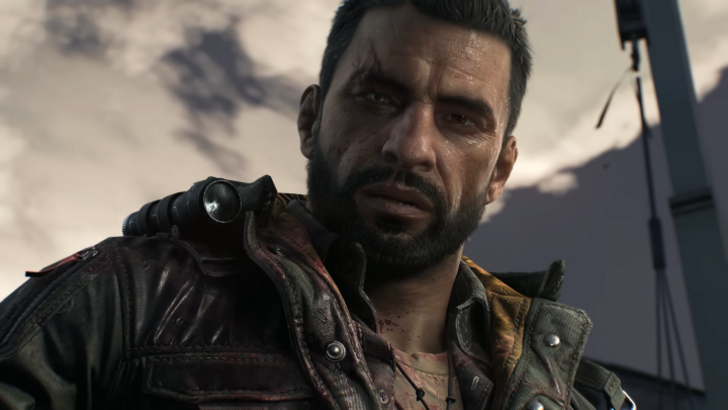
Dying Light: The Beast builds on the series’ foundation with reworked combat, enhanced enemy AI, and a new narrative focus centered on returning protagonist Kyle Crane. Read on to learn how the game evolves the zombie survival formula.
Dying Light: The Beast Reworks Combat System With Smart Design
Improved Weapon Feedback and Survival Elements from Dying Light 2
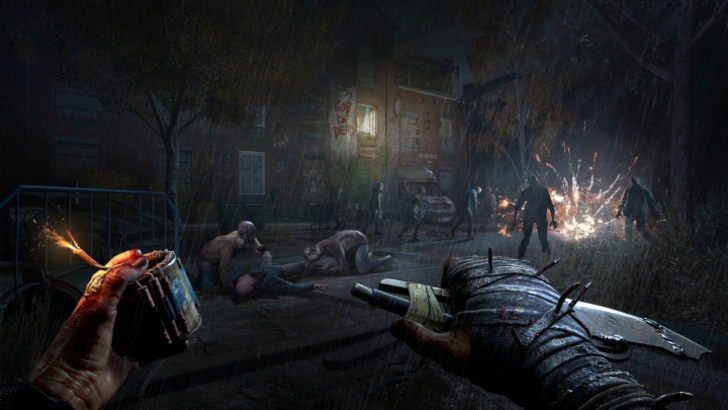
Dying Light: The Beast introduces several changes to the franchise’s core gameplay system, including redesigned combat mechanics, updated enemy AI, and new temporary powers tied to returning protagonist Kyle Crane. In a recent interview by Gamerant, Dying Light franchise director Tymon Smektala explained how community feedback has influenced the development of the spinoff, emphasizing the team's efforts to add greater depth to the game's combat.
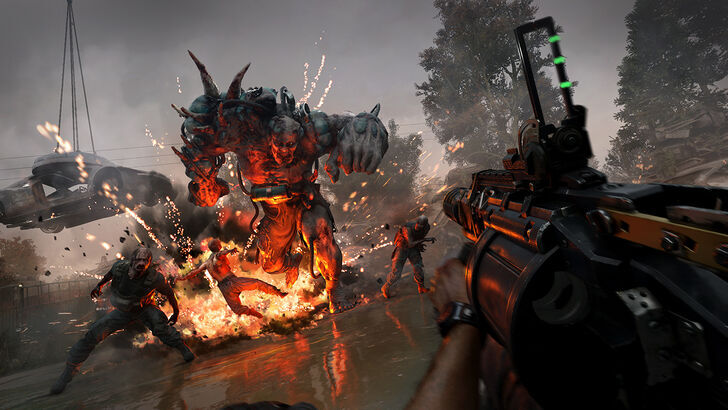
"The Beast is a game of smart survival, so even if you look at the screenshots and think, 'oh, there’s a machete, there’s a zombie in front of it, so this must be about hacking and slashing'… think again. The bloody juiciness is there, but the fights are challenging, the resources are scarce, and sometimes it’s better to use your own set of legs to avoid combat than to run to it mindlessly."
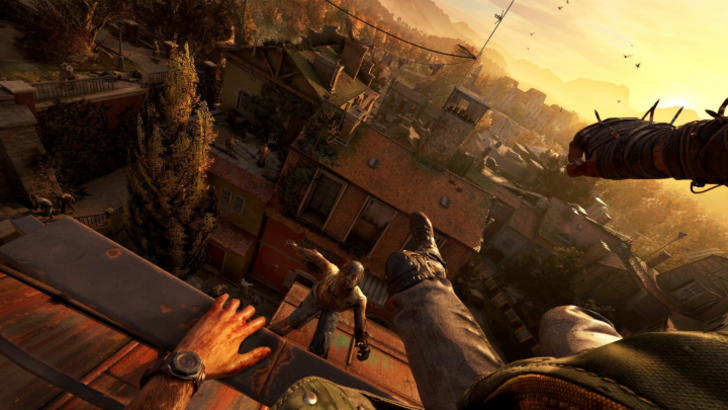
Players consistently praise the series' first-person combat movement, especially in the first Dying Light. This mobility gave the game a distinct rhythm compared to the slower, more grounded approach of many other zombie titles. In contrast, some players felt that Dying Light 2's combat lacked the same impact. While still responsive, the weight and intensity of melee encounters were traded in the sequel for smoother animations, resulting in a combat style that felt less grounded.
In response, Smektala noted "We vary the reactions to hits depending not only on the general weapon type—blunt/slashing—but also the weapon weight. It creates a quite unpredictable spectacle of violence in front of your eyes."
Players also noted how quickly weapons broke in the 2022 sequel. While the system aimed to promote smart resource use, many felt it relied too much on repetitive crafting, making the gameplay feel more like a grind. According to Smektala, the team has spent the past three years improving Dying Light 2’s combat by refining enemy AI, adding more tools to the player's arsenal, and fixing weapon feedback.
Melee Combat Highlights Precision, Pressure, and Unleashing the Beast
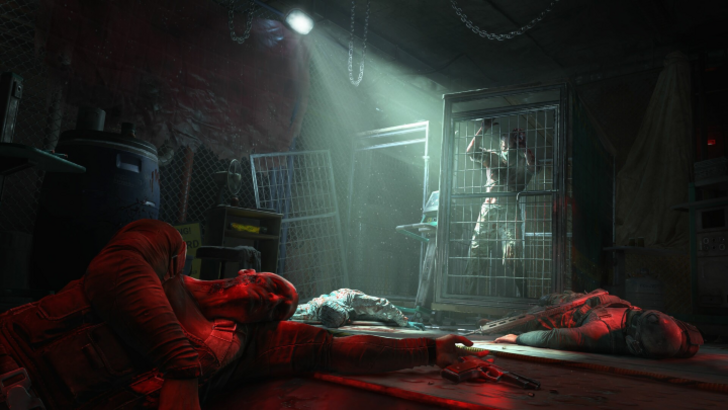
Melee combat appears to remain central to the Dying Light experience, but it’s shifting away from pure brute force. Updates to animations, hit detection, and responsiveness now place greater emphasis on timing and positioning. Attacks also trigger more realistic enemy reactions and dismemberment plays a functional role, allowing players to interrupt attacks or create tactical openings.
"We have increased the precision of our weapon arcs—trajectories that represent how the weapon slices—so now it’s possible to cut an enemy's limbs in more places than ever. And, of course, all of the visual representations of cuts and wounds are rendered in all the g(l)ory of the current gen consoles and PC's graphical power."
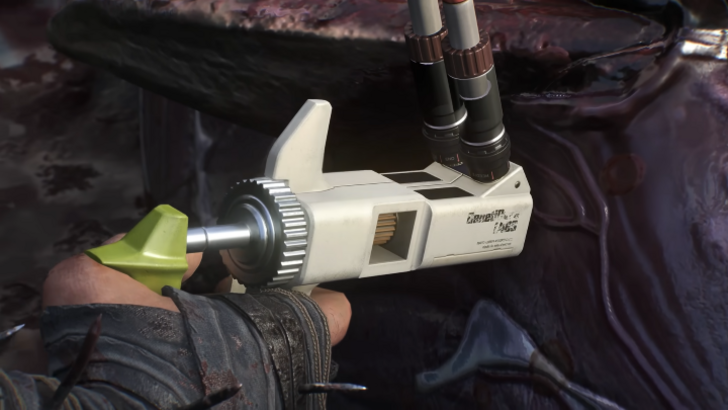
In addition, a new feature central to Dying Light: The Beast is the temporary "Beast Mode," which lets Crane inject a Chimera-based serum to briefly enhance his speed, strength, and movement. While active, players can execute advanced parkour and environmental takedowns, adding a new layer of tactical options to gameplay.
Similar to adrenaline or barbarian rage, Beast Mode is designed to complement the gameplay. Its limited duration and resource cost encourage strategic, situational use rather than constant reliance. Whether it has major implications for the narrative has yet to be confirmed.
Human AI and Firearms Overhauled for More Dynamic Combat Encounters
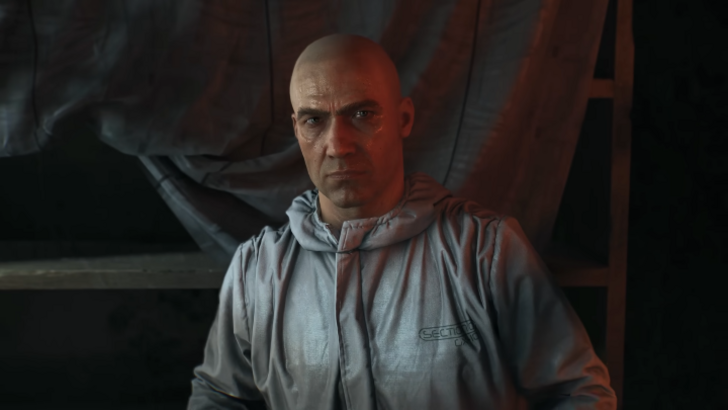
Encounters with human enemies have also been reworked. Rather than behaving as mindless filler between infected hordes, human AI now takes cover, flanks, and uses a wider range of weapons. Developer Techland notes that these improvements aim to sustain tension without relying solely on the unpredictability of the undead.
"Coming from Dying Light 2: Stay Human, we had tons of feedback regarding the behavior of our melee fighters, and we tried to react to all of it when coming up with the new implementation in Dying Light: The Beast."
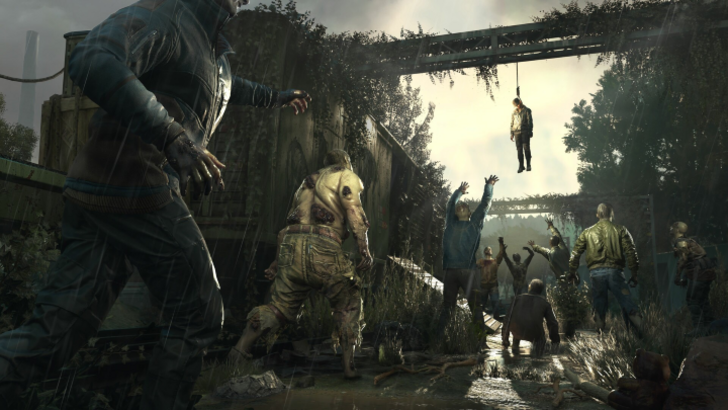
Techland has also revamped the shooting mechanics in Dying Light: The Beast, rebuilding enemy AI from the ground up to deliver a more engaging firearms experience. As the team puts it:
"For the shooters—we haven’t really touched that topic for close to 10 years, so there was a lot of homework to do... We basically had to build our shooting AI from scratch, but it really was a blast, pardon the pun."
Renewed Narrative Focus and Structure Built Around Castor Woods
Dying Light: The Beast shifts the action to Castor Woods—a forested region that replaces the series’ urban sprawl with open terrain, vertical structures, and isolated industrial sites. This new setting encourages a slower, more atmospheric pace while preserving familiar traversal mechanics like climbing and gliding. Safe zones return with added features such as barricades and shutters, promoting a more active approach to nighttime survival.
Firearms are also reintroduced with improved handling and limited availability, offering situational value without overshadowing melee combat. Moreover, vehicles make a comeback for select missions and traversal, adding variety without disrupting the game’s core loop.
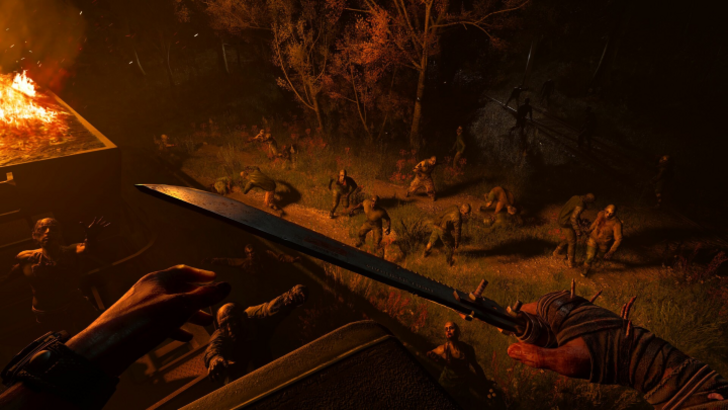
Originally conceived as DLC, The Beast has expanded into a full standalone experience. Set after Crane’s captivity, the story follows his return to a changed world, with a 20 to 40 hour campaign built around a tighter narrative and optional exploration.
Dying Light: The Beast is set to release on PC (Steam and Epic Games), PS4, PS5, Xbox One, and Xbox Series XIS this August 22, 2025. For more on Dying Light: The Beast, catch the latest information in our article below!