




| Vampire: The Masquerade - Bloodlines 2 | |||
|---|---|---|---|
| Release Date | Gameplay & Story | DLC & Pre-Order | Review |
Vampire: The Masquerade - Bloodlines 2 Review Overview
What is Vampire: The Masquerade - Bloodlines 2?
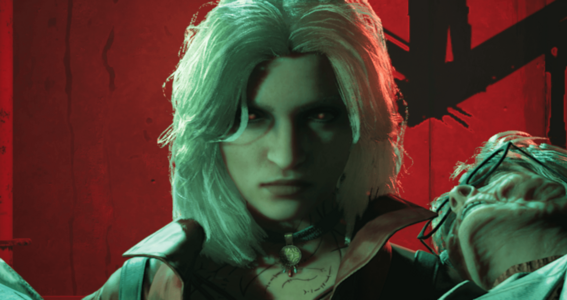
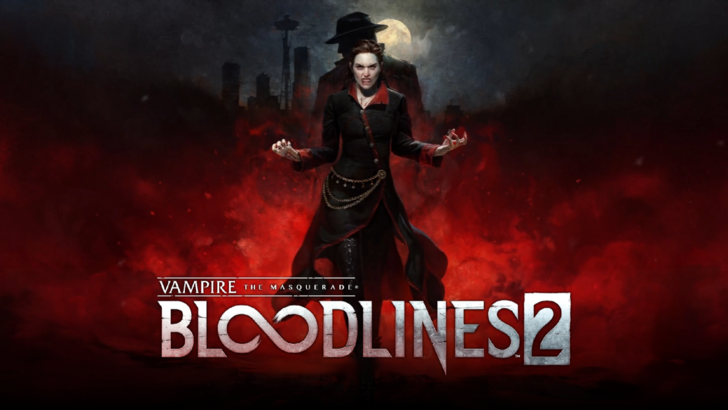
Vampire: The Masquerade - Bloodlines 2 is an action RPG where players take on the role of Phyre, an elder vampire awakening in 2024 Seattle after centuries of Torpor. As Phyre navigates a city ruled by rival vampire factions, they must uncover the mystery behind their weakened powers while maintaining the delicate secrecy of the Masquerade.
Vampire: The Masquerade - Bloodlines 2 features:
⚫︎ Choose Your Clan From Six Vampire Lineages
⚫︎ Unlockable Skills and Abilities
⚫︎ Multiple Tactical Approach in Combat
⚫︎ Dark Underbelly of Seattle
⚫︎ Story Altering Choices
⚫︎ Brooding Urban Atmosphere
For more gameplay details, read everything we know about Vampire: The Masquerade - Bloodlines 2's gameplay and story.
| Digital Storefronts | |||||
|---|---|---|---|---|---|
 Steam Steam |
|||||
 Epic Epic |
 GoG GoG |
||||
 PlayStation PlayStation |
 Xbox Xbox |
||||
| $59.99 | |||||
Vampire: The Masquerade - Bloodlines 2 Pros & Cons
| Pros | Cons |
|---|---|
 Strong and Engaging Narrative Distinct Characters Flexible Playstyle Strong and Engaging Narrative Distinct Characters Flexible Playstyle |
Shallow RPG Systems Repetitive Mission Structure Dated Visuals and Stiff Animation |
Vampire: The Masquerade - Bloodlines 2 Story - 9/10
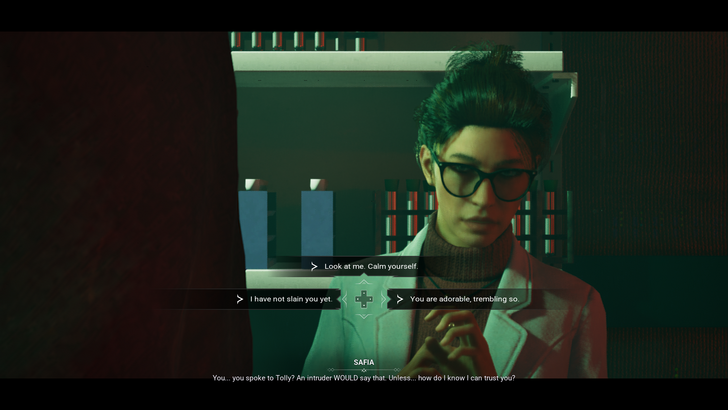
Bloodlines 2’s story thrives on mystery and moral ambiguity. Phyre’s journey is layered and engaging, unfolding naturally through conversations and choices that feel weighty without forcing exposition. Every character has depth and purpose, politically and personally. However, the lingering plot holes and reliance on player interpretation by the end keep it from feeling fully complete.. Still, as a narrative experience, it remains one of the game’s strongest pillars.
Vampire: The Masquerade - Bloodlines 2 Gameplay - 7/10
The gameplay loop balances action and stealth well enough to keep things interesting early on, with telekinetic combat and clan abilities providing a decent range of styles. Yet, repetition sets in fast—missions often rely on clearing groups of enemies with little variation. The RPG layer feels shallow, and the clan system doesn’t fully capitalize on its potential for unique builds. Fun, yes, but lacking the mechanical bite expected from such a rich world.
Vampire: The Masquerade - Bloodlines 2 Visuals - 7/10
Seattle looks strikingly moody under the neon and snow, capturing that gothic underworld atmosphere the series is known for. The art direction nails the tone, but technically, it’s nothing groundbreaking—textures are flat, and environments feel confined. Performance is stable, which helps, but for a 2025 release, it’s visually modest. Style carries the weight where fidelity can’t.
Vampire: The Masquerade - Bloodlines 2 Audio - 9/10
The soundtrack is a standout—dark, pulsing, and perfectly tuned to the rhythm of the hunt. It gives every alleyway and confrontation its own heartbeat. Voice acting, though cringey at times, fits the world’s dramatic tone. Sound effects and ambient audio help anchor the game’s nocturnal tension, creating a sensory experience.
Vampire: The Masquerade - Bloodlines 2 Value for Money - 8/10
At $59.99, the package feels fair for what it offers, a compelling story, strong atmosphere, and multiple endings that encourage replayability. The lack of deep RPG systems and some mechanical fatigue limit long-term investment, but it’s a solid 30-35 hours of dark intrigue. It doesn’t reinvent the genre, but it earns its price through personality and worldbuilding alone.
Vampire: The Masquerade - Bloodlines 2 Overall Score - 80/100
Bloodlines 2 may not surpass its legendary predecessor, but it stands tall as a bold, flawed, yet undeniably captivating return to the world of Bloodlines. It’s equal parts moody thriller and stylish action game, with a story worth experiencing even if its systems occasionally falter. It’s not perfect—but perfection was never the Masquerade’s goal.
Vampire: The Masquerade - Bloodlines 2 Review: Fangs Could’ve Been Sharper
Cult Classic Reborn in Darkness
Having spent years immersed in horror and gothic worlds—whether carving my way through cursed cathedrals, surviving haunted manors, or diving deep into role-playing systems that thrive on choices and consequences—Vampire: The Masquerade - Bloodlines was always a familiar name. The original wasn’t perfect by any means, its bugs and clunky combat were almost as infamous as its charm. But beneath that rough surface lay something deeply special, a layered, choice-driven RPG that felt alive in a way few games at the time did. It captured the essence of the tabletop experience—freedom, consequence, and the seductive danger of power—and in doing so, it became a cult classic.
Bloodlines 2, on the other hand, walks into the night with that heavy legacy looming over it. Following up a beloved title like that is no easy feat, especially when nostalgia sharpens expectations. But for this review, I want to make something clear, I’m not here to compare it piece by piece with its predecessor. Instead, I approached Bloodlines 2 as its own creature and judged it by what it achieves on its own merit, not by what came before.
Seattle by Night
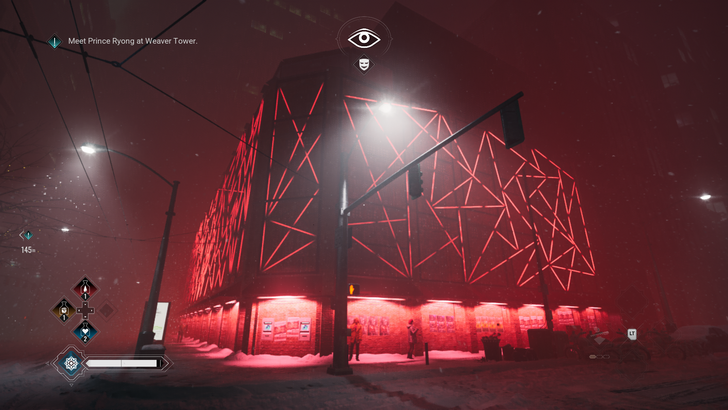
Vampire: The Masquerade - Bloodlines 2 trades the moody backstreets of Los Angeles for a slicker, colder hunting ground—Seattle, 2024. This time, we don’t play as a newly embraced Kindred desperate to earn a place among the undead elite. Instead, we step into the worn boots of Phyre, an elder vampire who’s just clawed their way out of Torpor—a deep, century-long slumber that’s left them half-forgotten, half-myth. For players, that shift changes everything. We’re not climbing the ranks anymore, we already had our reign, our name, our legend. Now, we are the Nomad trying to understand a world now bathed in LED glow.
And yet, everything is still bound by the same invisible law, The Masquerade, the centuries-old campaign that hides vampire society from mortal eyes. Break it, and you risk chaos, exposure, and the wrath of your own kind. That ever-present threat gives every interaction, every errand, and every feeding a tense, dangerous edge.
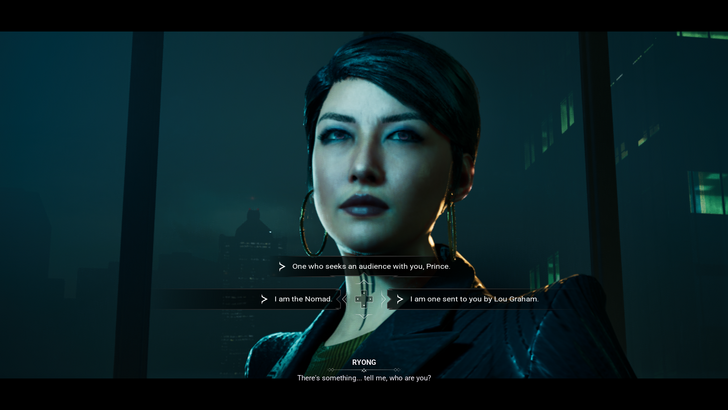
But Bloodlines 2 doesn’t just linger in politics and secrecy. It anchors its story in something far stranger: Phyre’s uneasy bond with Fabien, a companion who, for reasons I won’t spoil, ends up trapped inside Phyre’s mind and body. It’s a bizarre relationship that sparks both humor and tension, especially as Phyre discovers strange markings carved into their skin and realizes their once godlike power has dulled. Why is Fabien here? What happened during Torpor? Each question only bleeds into another.
Waking from a Century of Slumber

The gameplay loop unfolds like a nocturnal rhythm, nights are divided between tasks for the city’s power players. Lou, the former Prince of Seattle; Ryong, the current ruler trying to keep order; and Katsumi, the anarchic leader of the rebels. By day, Phyre rests, unlocking fragments of Fabien’s memories. Side quests come and go with the passage of each day—miss one, and it’s gone for good. And with six possible endings, your choices carve the path of your undead legacy, though not without repetition creeping in by the later hours.
Phyre’s missions follow a familiar pattern, you’re given an objective—often infiltrating a specific location—and that space is almost always crawling with enemies. Whether it’s anarch renegades, monsters, or the agents from Information Awareness Office (I.A.O), each encounter plays out similarly. Some missions are quick errands, but most unfold into these incursions where stealth and violence is used to get the job done.
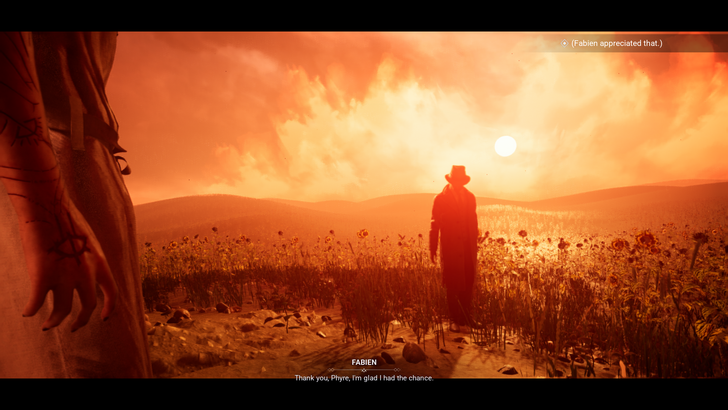
Meanwhile, Fabien’s story threads through two timelines. The days before he and Phyre merged into one consciousness, and his earlier life chasing the elusive Rebar Killer. His sequences lean on psychological intrigue as he uses his vampiric mind tricks to deceive and pry memories and secrets from witnesses, piecing together a case that intertwines with his and Phyre’s unraveling fate.
Now that we’ve set the stage, let’s sink our fangs into the real heart of it all: how Bloodlines 2 actually plays.
Blood Ties and Fractured Souls
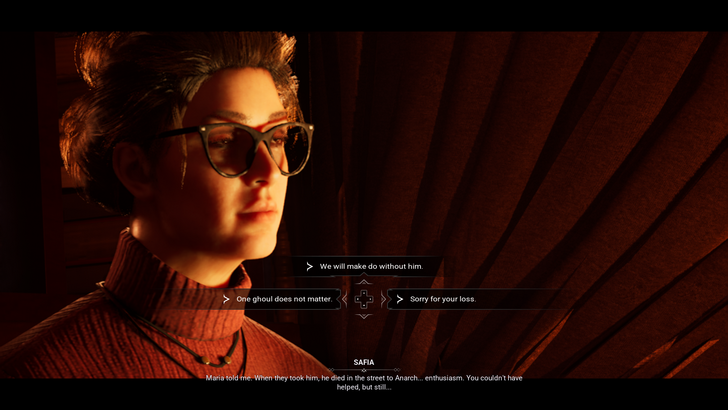
The story of Vampire: The Masquerade - Bloodlines 2 unfolds in that deliciously slow, intoxicating way where every answer only opens two new questions. It’s a web of deceit and personal reckoning, and I genuinely enjoyed how naturally it evolved. Each new revelation about Phyre and Fabien’s condition felt like another layer being peeled back—not rushed, not forced, just building tension one conversation at a time.
Now, I will say, if you’re a bit impatient, this kind of slow deliberation might not be your style. Missions can take their time depending on the difficulty you’ve chosen and the story prefers to simmer rather than surge. But it’s that deliberate pacing that makes the payoff satisfying. The mystery piles up until that one final puzzle piece clicks into place and suddenly, everything connects.
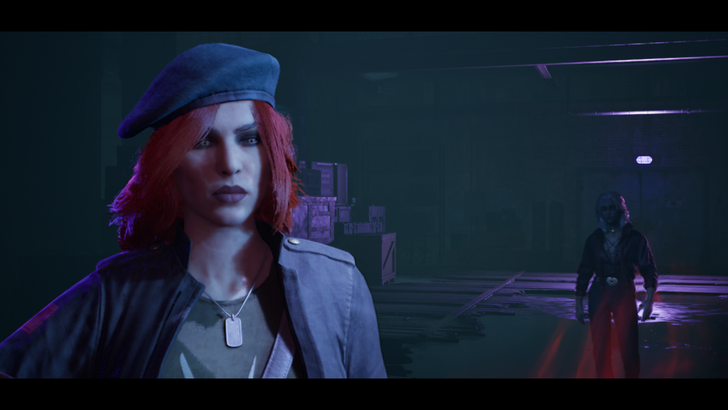
Well… almost everything. Because by the end, some threads are left dangling, some holes never fully patched, some lean on your interpretation, leaving you to fill in the blanks. And oddly enough, that works in the game’s favor. The layers of politics and personal rage intertwine beautifully, painting a picture of a city fraying under centuries of deceit.
The chemistry between the major players carries that tension forward, even when dialogue occasionally fumbles. The writing isn’t perfect. Some lines teetered with awkwardness, like when characters sound like their age (centuries old) only to throw in an oddly modern quip—but somehow, it works. That slight cringe gives them texture. Every character, from the city’s political players down to minor characters, feels distinct. No one exists just to fill space (except for the humans loitering the streets), everyone feels like they have their own story simmering in the dark.
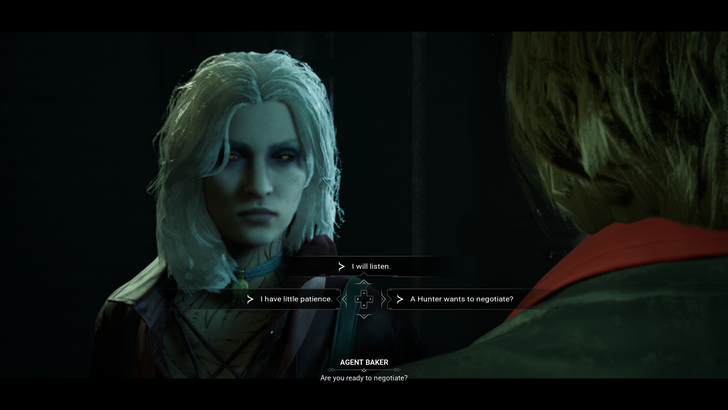
I’ll admit, having Phyre as the main character felt like an elementary self-insert, but the dynamic between them and Fabien brings the needed complexity to the narrative. I just wish there was more of that push and pull earlier on—the trust between them only really lands (wink wink) toward the end.
There’s also one particular character I genuinely rooted for, someone who deserved a different fate, especially given the six endings on offer. With City in Flames, City of Anarchy, City Most Fabulous, City Restored, City Unchained, and City of Kinship, your final outcome depends heavily on the alliances you build and bridges you burn. I won’t spoil how each one plays out but you can leave (or stay) Seattle better than when you found it, or worse.
It’s worth noting that for much of the early and midgame, your choices don’t feel like they carry much weight. The story plays out in a largely linear fashion until when decisions finally start having meaningful consequences. That said, every small interaction does count—certain responses and relationships determine who stands with you in the end, even if it doesn’t seem that way at first.

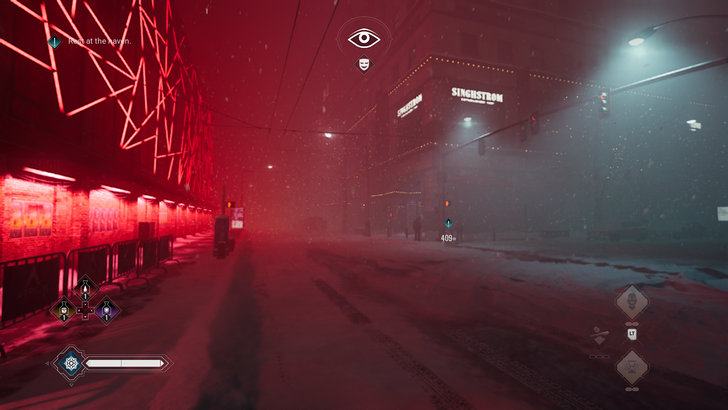
Seattle, for all its limited size, feels alive in a haunting, subdued way. The city isn’t sprawling, but it’s dense, each alley, nightclub, and rooftop layered with life. I found myself gliding between rooftops, activating heightened to stealth kill enemies because yes, they roam the city too, or spying on mortals pulsing with unique blood types.
There are three blood resonances—Sanguine, Choleric, and Melancholic—each influencing your blood differently. Tracking the right target becomes a quiet hunt: watching, waiting, then luring them into shadowed corners for a drink.
Bloodlines and Power Plays
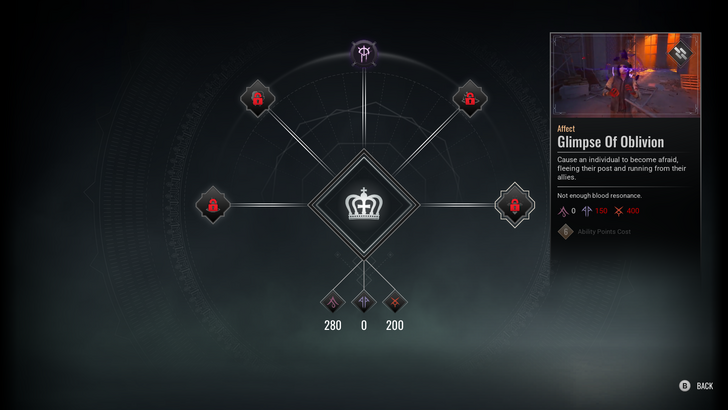
Those resonances aren’t just for flavor, they let you tap into abilities from other clans. It’s a mechanic that builds on top of your chosen lineage. You start by pledging to one of six clans—Brujah, Tremere, Banu Haqim, Ventrue, Lasombra, or Toreador—each with their own specialty and power fantasy. Brujahs thrive on brute force, Tremere wields blood sorcery, and Lasombra manipulates shadows like a living weapon.
As you progress, you can visit each clan’s head to unlock additional powers, provided you’ve collected enough Blood Resonance. Unlocking each clan ability grants you access to its unique passive skill, which is rewarding in theory.
But as fascinating as that sounds, the system blurs its own lines. You can still unlock powers from other clans, which dilutes the significance of your initial choice. Imagine if instead, your clan dictated a core identity—your foundation—while still letting you develop a shared universal skill tree. That balance could’ve reinforced individuality without restricting creativity. As it stands, the freedom is nice, but it leaves the role-playing depth a little thin.
I also wish there were more ways to build on Phyre beyond just unlocking skills. Maybe a proper progression system—something to level up your powers, strengthen attacks, or gain additional passives over time. Then again, Bloodlines 2 doesn’t really follow a traditional RPG structure. You don’t "level up" in a usual sense, instead, experience points are used to give you more points to unlock attributes.
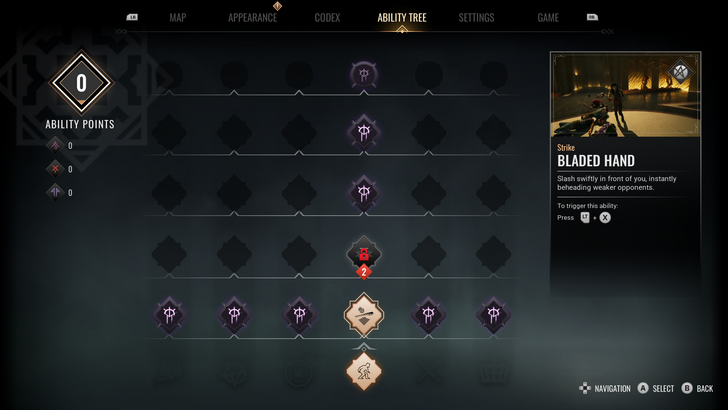
A more defined RPG structure—where builds, attributes, and playstyles truly mattered—would’ve elevated not just the gameplay loop, but replayability. Sure, multiple endings give you reason to return, but the journey there doesn’t dramatically shift based on who you are. The fantasy of "your vampire, your story" ends up dimmed by a system that only half commits to it.
Bloodshed and Shadows
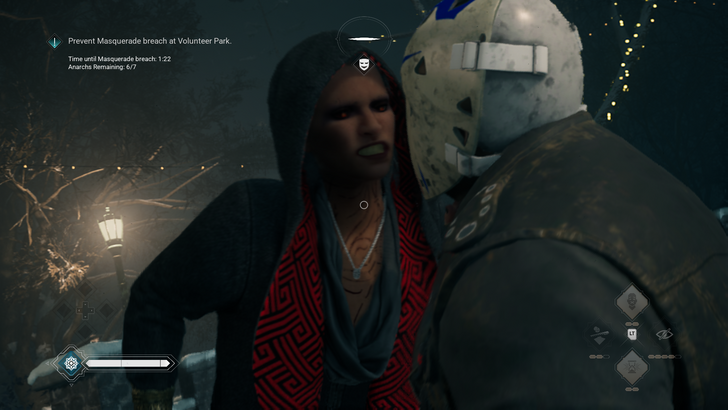
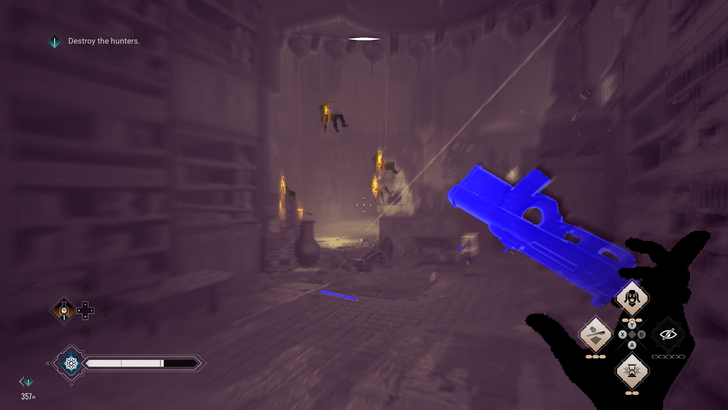
Combat begins with a promise—flashy, powerful, and deeply satisfying. The thrill of lifting enemies with telekinesis, tossing them off ledges, or ripping guns from their hands to fire back never gets old. Unlocking new skills is also a rush, the game nails that dopamine hit of newfound power.
At first, I was completely hooked. Combat was a joy with each encounter feeling like a showcase of what being an elder vampire could mean. Phyre, after all, has access to abilities that set them apart from most Kindred. As someone who went with the Banu Haqim clan, I made it a point to lean into their toolkit—Bladed Hand, Split Second, Mute, and Unseen Aura—alongside the clan’s passives, Silence of Death and Unseen Passage. Together, they let me glide unseen through the dark, feeding before anyone even realized they were being hunted. It was my kind of playstyle, stealthy, deliberate, predatory.
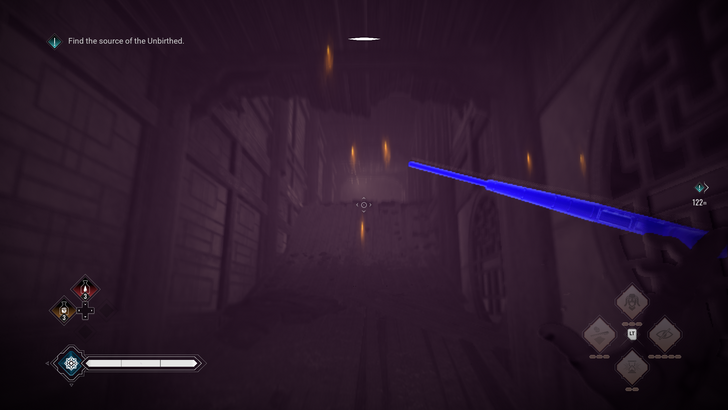
My combat rhythm became a dance of patience and violence, sneaking and silently eliminating one enemy after another. When discovered, I’d unleash Split Second to tear through as many enemies as possible in a heartbeat. I’d also chain my skills through the handy slow-motion that triggers when holding LT on the Xbox to open the skill wheel, then vault out of danger using dodge, and back to the shadows I go to set up the next strike. When it all came together, it felt phenomenal.
But as the nights drag on, missions start to blur together. Too often, encounters devolve into clearing wave after wave of enemies. It’s not that the mechanics themselves are poor, it’s the overuse. The enemies themselves don’t necessarily get tougher, the game just throws more at them at you, like a ridiculous amount of enemies. There’s only so much satisfaction you can wring out of mowing down another group of enemies before it starts feeling like work.

That’s when fatigue sets it. The limited amount of potions didn’t help either. I enjoyed feeling like a powerful elder, but on higher difficulties, managing resources becomes punishing. Relying heavily on abilities made encounters thrilling in bursts, but exhausting in longer sessions. I had to conserve skill charges and choose the right moments to feed. A shop or some way to purchase potions would’ve made a world of difference.
Still, there’s room to experiment. The combat gives you enough freedom to mix powers, try new approaches, and carve your own style of chaos. The occasional timed missions, where you’re racing against the clock to eliminate targets, bring back a spark of tension that keeps the blood pumping.
Style and Substance
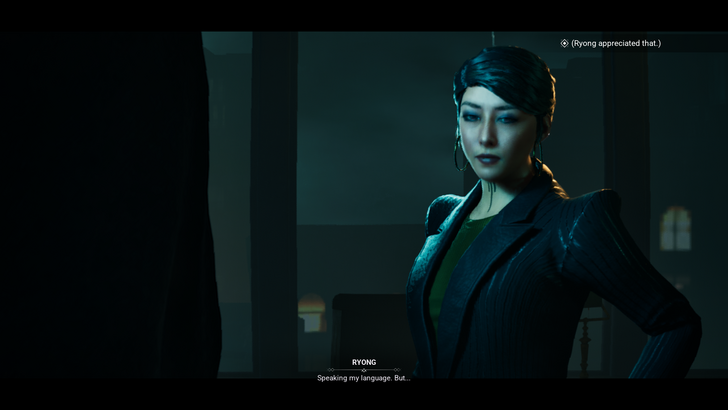
Moving away from the fights, one of the things that really stood out to me was how immediate the dialogue reactions felt. Although I was a little bummed that there isn’t a visible relationship meter anywhere, reactions are real time when someone starts to like you—or hate you. Certain lines you pick make characters hesitate, change their tone, but I will say, outcomes seem the same. I guess, it’s less about approval points and more about presence. You’re not checking stats, you’re gauging moods. And honestly, that works beautifully for a game built on politics, deception, and eternal hunger.
Speaking of presence, Bloodlines 2 gives you a decent wardrobe to back it up. There’s enough to play around with—dark coats, club-ready fits, and some classic gothic staples. It’s more flair than function, but I appreciated the effort. It reinforces that vampiric fantasy of blending into human nightlife while still looking just a little too perfect.

Now, as for the visuals… they’re serviceable. I wouldn’t call Bloodlines 2 a technological marvel—especially not by 2025 standards—but it’s consistent. The atmosphere does most of the heavy lifting: snow rolling through neon-lit alleys, damp concrete glistening under streetlights, the kind of gloom that feels alive with whispers. Character models and animations? A bit stiff, sure. But the tone is so thick and deliberate that I found myself forgiving the lack of polish more often than not. Maybe it’s the lighting. Maybe it’s just the vampire charm.
Finally, if there’s one thing Bloodlines 2 absolutely nails, it’s the music. The soundtrack is drenched in pulse and mood. I caught myself nodding to the tracks while exploring or mid-fight, which is a good sign that the sound design knows exactly when to take center stage. The ambient hums of the city and the occasional club bangers create this unspoken rhythm to Seattle’s underworld.
Is Vampire: The Masquerade - Bloodlines 2 Worth It?
It’s a Flawed but Fiercely Entertaining Return to the Masquerade
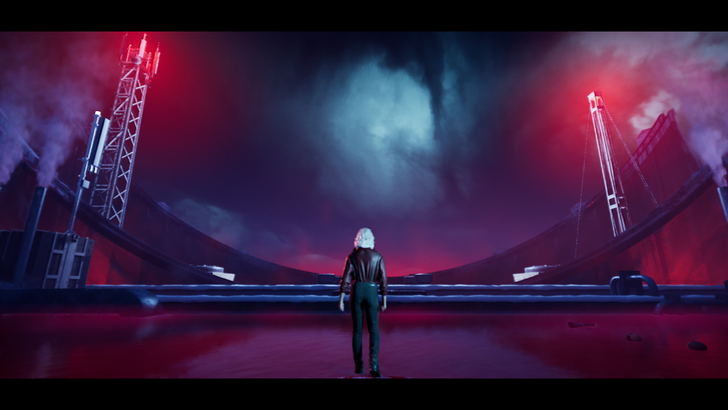
If we strip away the heavy weight of its name and the long shadow of its predecessor, Vampire: The Masquerade - Bloodlines 2 stands as a solid, story-driven action game with a clear identity. It may not carry the deep RPG mechanics fans hoped for, but what it does have is an atmospheric, character-rich experience that knows exactly what kind of world it’s painting. Its blend of gothic intrigue and nocturnal beauty makes Seattle feel alive in all the ways that matter.
This isn’t the Bloodlines of 2004, it’s something leaner, more focused, and easier to digest. Some will see that as a flaw, others as a necessary evolution. The dialogue system feels meaningful without needing meters and numbers. The combat, while repetitive at times, still delivers satisfying moments of power. And the choices, both in conversation and in ending, give just enough room for players to make the story their own.
For $59.99, you’re getting a game that might not redefine the genre, but certainly justifies its existence within it. It’s a gritty, moody experience with replay value baked into its endings and playstyles—even if the RPG side doesn’t reach the heights it could have. If you come expecting the second coming of a cult classic, you’ll be disappointed. But if you come for a grounded, stylish, vampire-centric action RPG with attitude and heart, you’ll find something worth sinking your teeth into.
As for me? I’ll be diving back in for another ending. Seattle’s still calling and I’m not quite done listening.
| Digital Storefronts | |||||
|---|---|---|---|---|---|
| Steam |
|||||
| Epic |
GoG |
||||
| PlayStation |
Xbox |
||||
| $59.99 | |||||
Vampire: The Masquerade - Bloodlines 2 FAQ
What Are the Six Vampire Clans in Bloodlines 2?
The six playable clans are Brujah, Tremere, Banu Haqim, Ventrue, Lasombra, and Toreador, each offering unique powers and combat abilities.
What Are the Three Blood Resonance Types?
The three blood resonance types are Sanguine, Choleric, and Melancholic, each granting different bonuses and influencing which abilities players can unlock.
Game8 Reviews

You may also like...
 |
NINJA GAIDEN 4 Review Action, Adventure |
 |
Dying Light The Beast Review Action, Adventure, Horror, Survival |
 |
Silent Hill f Review Survival Horror |
 |
Cronos: The New Dawn Review Action, Horror, Survival |
 |
Vampire: The Masquerade - Bloodlines 2 Latest News |
Vampire: The Masquerade - Bloodlines 2 Product Information
|
|
| Title | VAMPIRE: THE MASQUERADE - BLOODLINES 2 |
|---|---|
| Release Date | October 21, 2025 |
| Developer | The Chinese Room |
| Publisher | Paradox Interactive |
| Supported Platforms | PC (Steam, Epic, GOG), PlayStation 5, Xbox Series X|S |
| Genre | Action, RPG, Horror |
| Number of Players | 1 |
| ESRB Rating | M |
| Official Website | Vampire: The Masquerade - Bloodlines 2 Website |




finally, a review that's not just hating on the game (^з^)-☆