


The Legend of Khiimori is an action-adventure title that puts you in the shoes of Naraa, an aspiring Yam courier rider. Read our review of its early-access build to see what it did well, what it didn't do well, and if it's worth buying.
Everything We Know About The Legend of Khiimori
The Legend of Khiimori Plot
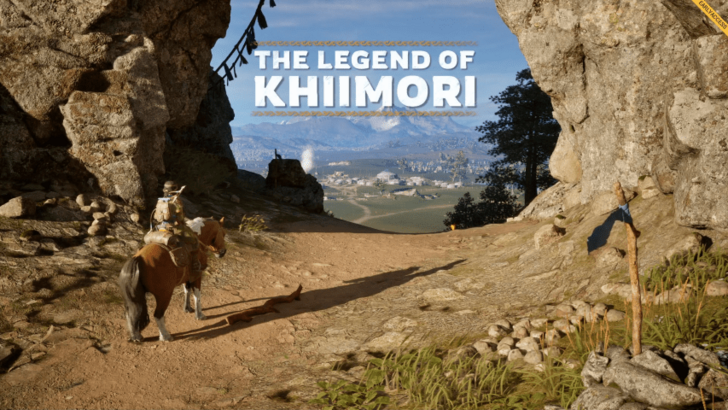
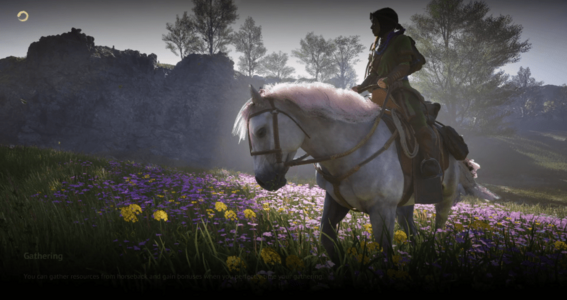
Set in the vast lands of 13th-century Mongolia, The Legend of Khiimori narrates the tale of Naraa, a young Yam courier rider who aspires to be one of the best, aiming to connect the scattered Mongolians, one package at a time.
The Legend of Khiimori Gameplay
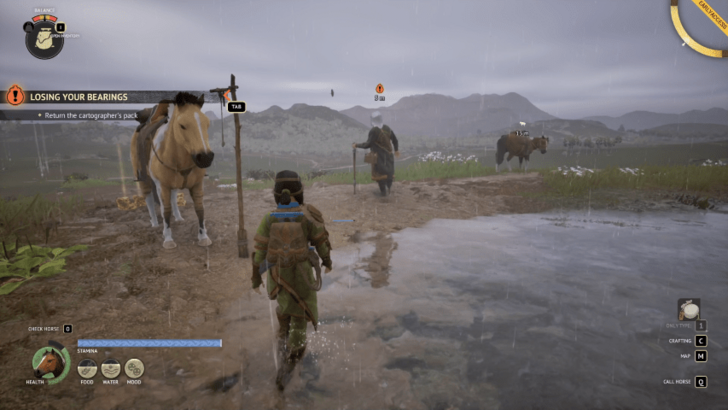
The gameplay primarily revolves around open-world exploration on horseback, completing both courier and cartography missions as you gain prestige to become a land-renowned Yam courier rider. Aside from the exploration gameplay, it also places great focus on horses—from breeding to create foals with specialized traits to training them through on-the-field experience, taking care of horses is an important part of its mechanics.
There are elements of combat and survival as well, with crafting and resource management on the side, in line with the game’s delivery-based quests.
The Legend of Khiimori Release Date
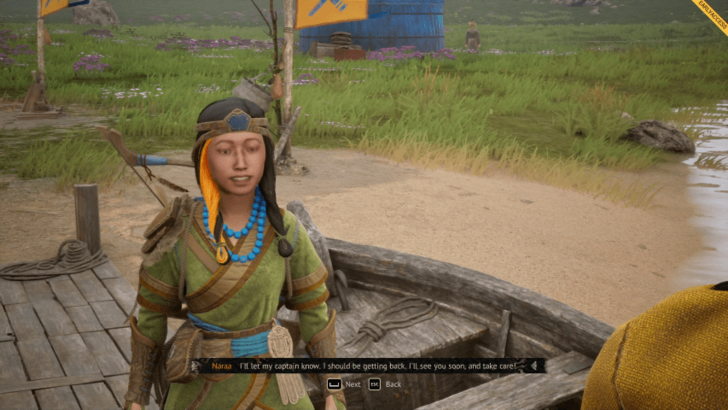
The Legend of Khiimori will be available to purchase on Steam and Epic Games once it is released in Early Access on March 3, 2026. The PS5 and Xbox Series X|S editions will receive the full release instead.
| Digital Storefronts | |||||
|---|---|---|---|---|---|
 Steam Steam |
 Epic Epic |
 PS PS |
|||
| Wishlist Only | |||||
| Xbox |
|||||
| Coming Soon | |||||
The Legend of Khiimori Review [Early Access]
The Horseshoes Need Much More Polishing
Death Stranding, the infamous Kojima-led walking simulator set in an apocalyptic Earth, was a game I found myself enjoying. While I did mostly end up staying to see the plot through to the end, I did enjoy the walking and delivering gameplay. As a cozy gamer myself, I’m interested in games making the most mundane of activities more interesting—Death Stranding puts hiking and package delivery together in a wonderful blend of striking visuals and engaging gameplay (as far as I’m concerned), along with an intriguing plot to cap it all off.
So when The Legend of Khiimori came up on my feed one day (back then, it was Windstorm: The Legend of Khiimori), I was pretty intrigued. Back then, I was still on an Umemusume high, so anything horse-related made my ears perk up just a bit. No cute horse girls here, but the premise, the open world, the exploration—so…Death Stranding-esque, but horses? Sign me up. Unfortunately, it was delayed a few weeks before its supposed first release, and so it was quietly kicked to the back of my mind…until recently.
And here I am, diving headfirst into the heart of 13th-century Mongolia and getting to touch (virtual) grass and lovely horses. Unfortunately, it’s got a long way to go before it captivates me like how Death Stranding did, but I have high hopes for its eventual rise and polish throughout the development process.
Mongolia, Bringing You Close To Nature
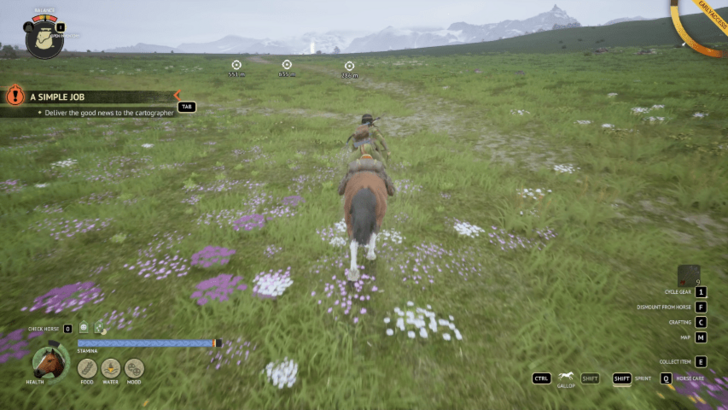
The Legend of Khiimori (henceforth will just be referred to as simply Khiimori) is set in Mongolia sometime in the 13th century, and you take on the role of Naraa, a young and aspiring Yam courier rider with a passion for connecting her scattered people through packages and letters. Kind of like Death Stranding, but less apocalyptic and more heart-warming. The entire story, so far, revolves around her getting to know the landscape and her nation, learning from the people she meets.
Aside from that, there’s not much of a solid plot going on just yet. It’s really just to build Naraa’s prestige and to learn the lore of the land. A game without a central plot may be confusing, but half the fun in Khiimori is the exploration of its expansive map.
Exploration On Horseback
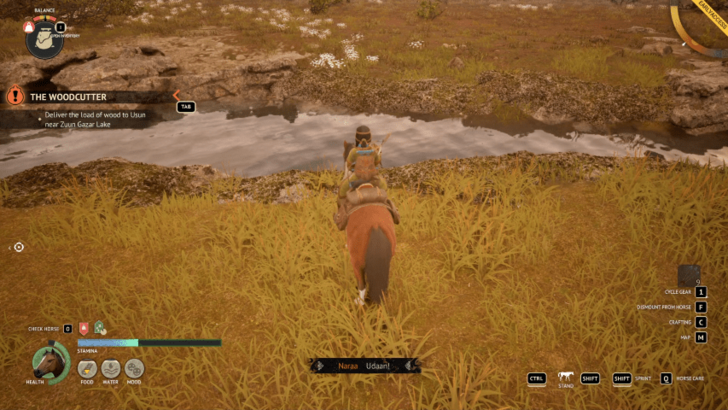
As mentioned before, most of Khiimori’s gameplay revolves around its open-world exploration and accomplishing missions for both the courier company and the cartographer, while also caring for and training your horse troupe.
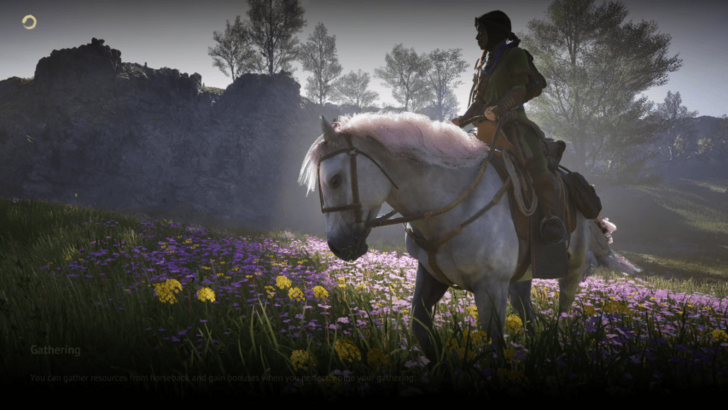
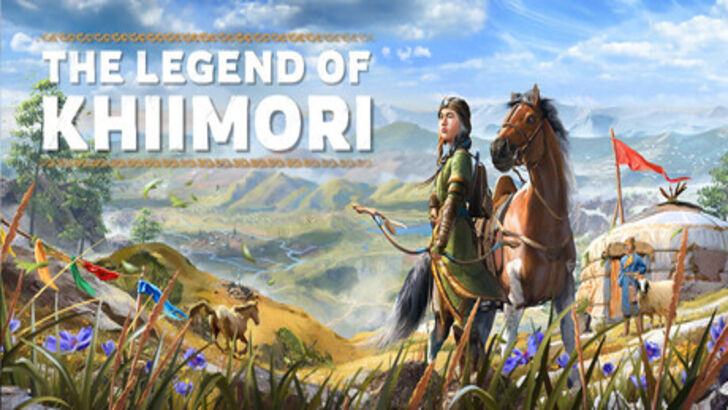
If it wasn’t obvious from the game’s key art, horses are a big deal in this game. You can breed them to raise stronger foals with specialized traits, train them to up their stats, and take care of them. They’re not just modes of transportation that you can summon in a snap like in other games—they’re living, breathing animals, and your most trusted partner through and through.
All horses have three main needs, namely Food, Water, and Mood. These needs must be kept up, or else the horse will not cooperate with your whims. They also gain buffs and debuffs that greatly affect their performance. Essentially, it has survival mechanics—but not for you, but for the horse.
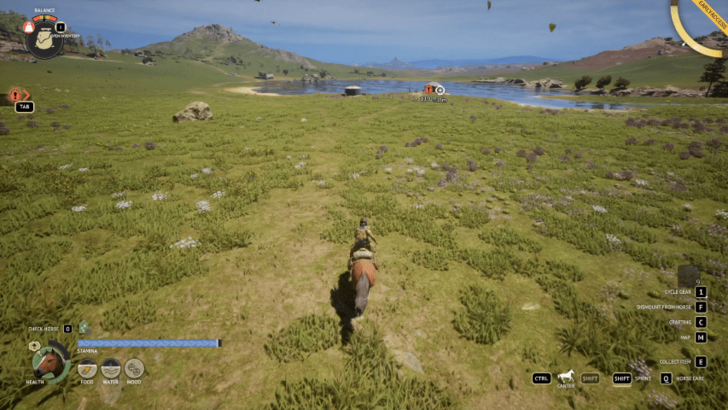
Naraa and her chosen horse, which can be changed in the stables depending on their attributes, can take on several courier missions at once, provided that her horse is able to carry all the cargo. A lot of the items you’d need to deliver weigh at least 10 kg in total, sometimes so much more. Cartography missions, on the other hand, just require you to visit the specified location to take note of it.
Once stocked, you can’t just go on ahead—you’d need to play a little bit of balancing Tetris too. If you’re familiar with Death Stranding’s balancing mechanic, it’s almost exactly the same, except you only have three inventories to fill. A horse is equipped with two saddlebags for each side, and Naraa also has her backpack. You must make sure that the cargo’s weight distribution is balanced, along with your other survival items like horse food and tonics, or else it might injure the horse in the middle of the journey.
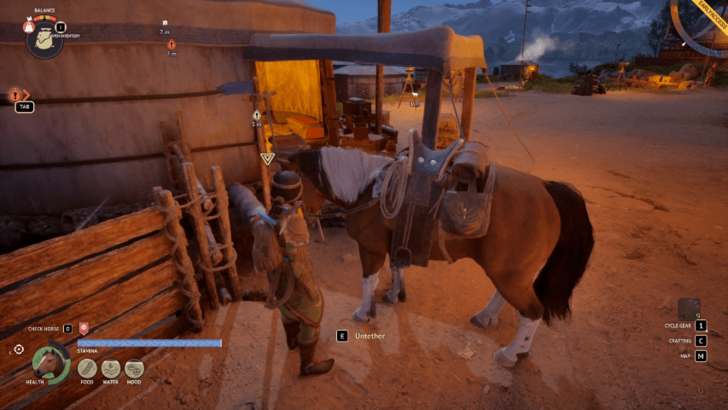
And then, with a full crate of supplies and a passionate heart, you can then begin your adventure throughout the land, connecting Mongolia—one package at a time. Rinse and repeat. That appears to be the main point of the game so far, and honestly, that’s totally fine. It’s a long game of fetch and deliver, but with its expansive world full of things to discover, the mundane doesn’t seem so tedious after all.
Lose Yourself In Mother Nature
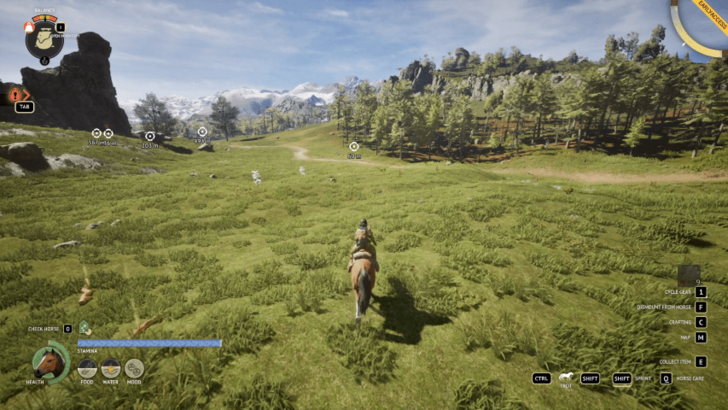
One thing you’ll notice from the get-go is how visually stunning Khiimori looks, especially in terms of the environment. If the surroundings are gorgeous, there’s more of an urge to go and explore them—and the game did not disappoint. The grass along the breeze, the foliage, the strong gusts of wind, the falling snow, the blue water—the attention to detail is amazing. It wouldn’t be out of the ordinary if you just lost yourself and cantered around with your trusty equestrian sidekick, uncovering more of the map and taking in all the views.
Unfortunately, the same cannot be said for the character models—they’re decent, but the animations oftentimes look quite awkward, especially in cutscenes. Nevertheless, it’s not a bad thing and can definitely be polished further, as the developers themselves have particularly acknowledged the animations part, so I’m excited to see how it’ll all turn out. The character designs themselves, though, are stunning and really seem to embody Mongolian culture. Their faces, their hairstyles, and their clothing—they're all a sight to see.
The Sounds Of Mongolia, Music to the Ears
Another aspect that was evidently well done was the game’s audio. Mongolian folk music accompanies your journey as you traverse the land, some tracks coupled with deep, meaningful singing voices, and others more instrumental but still carrying the same weight and awe as the voiced ones. Simply put, I was entranced by it all—unfamiliar music to my ears, but soothing all the same. Sometimes, I found myself just standing by the lake, listening to the background music, with a hefty sprinkling of the sounds of nature.
The voice acting is decent as well. Nothing revolutionary, but each Mongolian word and name sounds authentic and real, further adding to the immersion of being a Mongolian courier in the 13th century. It seems every and all NPCs are voiced as well, which adds a nice touch.
Transitions can be disruptive, though, with background tracks just suddenly cutting off into silence before starting up again. This is most evident when moving in and out of settlements or biomes. So while you’re racing at the speed of light with your trusty horse, the fantasy is broken by the abrupt stop of the music. Boo.
A Glitchy Mess
While the core gameplay is fun on its own, the gameplay experience is bogged down by its numerous glitches. From random crashes and misplaced quest markers, to horses getting stuck in things that ultimately lead them to their "death" (basically fainting, but it counts as a game over, so to speak)...all of these minor things coming together really leave a sour taste in the mouth.
Firstly, the rerouting of the horse when you call them is wonky most of the time, with the horse getting caught up in trees, rocks, buildings, and even the darn ground. What doubly sucks is that the game counts these as "attacks" to the horse even when it’s not your fault, causing them to take damage from the glitched repeated collision.
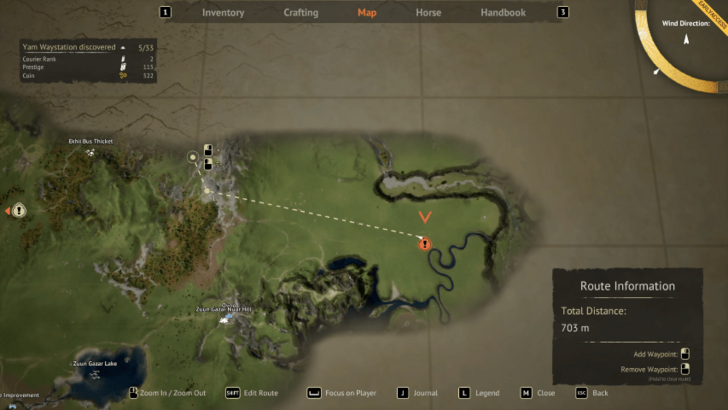
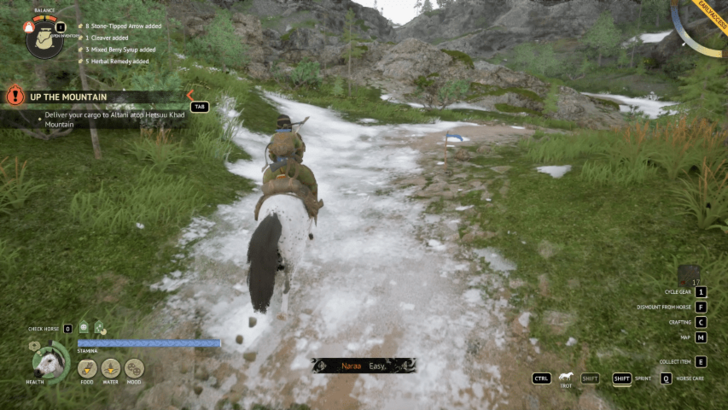
Next up, quest markers are randomly misplaced—in a particular mainline quest that told you to saddle up and go up a mountain, the quest marker instead directs you to an open plain over a thousand meters away from where you are. How did I know? I followed the wrong pin first just to confirm my suspicions…and I was right. Frustrated, I reloaded my save and went up the right path on the second attempt, but that was an absolute waste of time.
Also, some actions randomly stop working. When I got a horse to call my own (your first few runs around the grasslands are with borrowed horses), the action that allows you to collect raw materials on horseback just…stopped working. It was easily remedied by reloading the save file. Still, it was baffling, to say the least. And it didn’t happen only once—it happened quite a few times.
Missing Dialogues
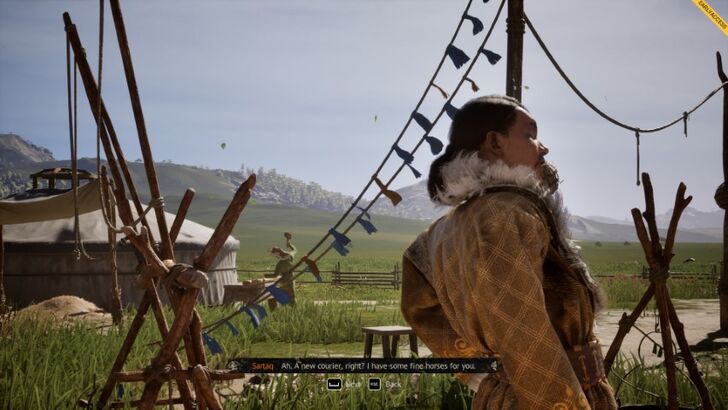
For a game about learning the land and learning about the people, it’s a bit sad to see that entire dialogues are missing from the game even at Early Access. It wouldn’t be too frustrating if it was with a quest deep into the game that not all players would have reached, but this was literally the third stop of the main questline.
Granted, it was probably a minor thing, and you can gather what Shaman Altani was trying to say from the consequent task—she was just asking you to slot the stele into the Red Turtle statue. Simple enough. Nevertheless, it was jarring to come up to her to complete the quest, only be greeted by Naraa’s "Okay, I’ll do it!". This may be a singular mistake, but with the way the rest of the game is…there are surely other ones out there.
Overall Conclusion
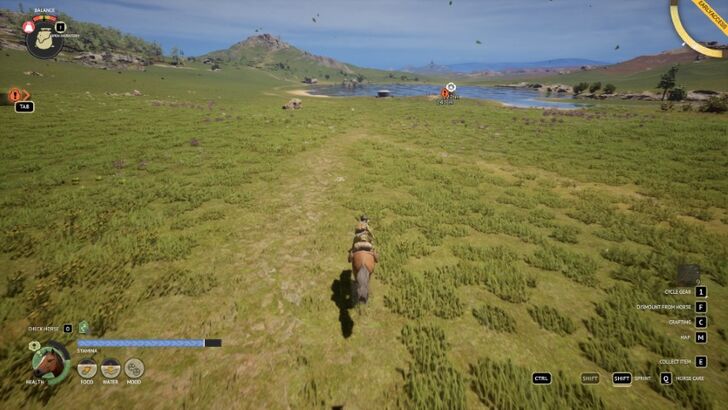
The Legend of Khiimori has the potential to create something engaging and amazing, but at its current state, it might feel more tedious than relaxing with all the bugs that just seem to get in the way of your nature-filled adventures.
Legends have to start somewhere, but I’d say that despite its somehow game-breaking shortcomings, it’s got the barest of its foundations down pat. A lot more polish down the line, and these horse’s hooves will be as shiny as a glittering gem.
Game8 Reviews

You may also like...

The Legend of Khiimori Product Information
 |
|
| Title | The Legend of Khiimori |
|---|---|
| Release Date | March 3, 2026 |
| Developer | Aesir Interactive, NightinGames |
| Publisher | Mindscape |
| Supported Platforms | Steam, Epic Games, PS5, Xbox Series X|S |
| Genre | Adventure, Casual, Simulation, Early Access |
| Number of Players | 1 |
| ESRB Rating | RP |
| Official Website | The Legend of Khiimori Official Website |