



| Tales of Xillia Remastered | |||
|---|---|---|---|
| Release Date | Gameplay & Story | DLC & Pre-Order | Review |
Tales of Xillia Remastered Review Overview
What is Tales of Xillia Remastered?
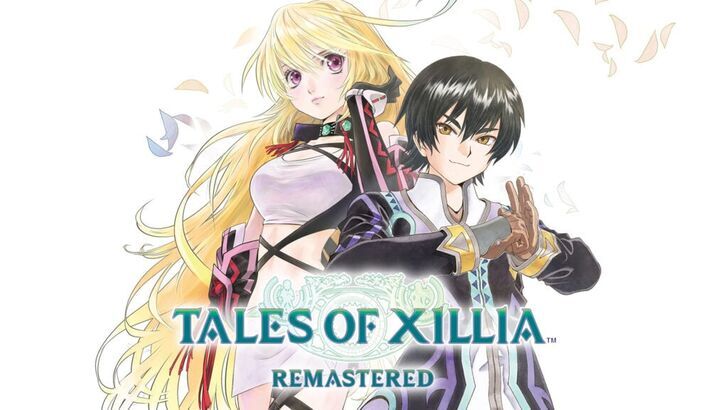
Tales of Xillia Remastered is the enhanced version of Tales of Xillia, originally released in 2011 in Japan (and 2013 internationally). It’s the thirteenth main entry in the long-running Tales series, and this remaster brings the PS3 classic to modern platforms, specifically PC, PS5, Nintendo Switch, and Xbox Series X|S. It was released on October 31, 2025.
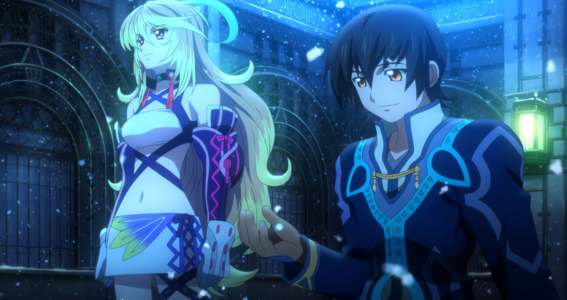
The game begins with the player choosing between two protagonists: Jude Mathis, a medical student; or Milla Maxwell, the Lord of Spirits. Together, they uncover a hidden threat in Rieze Maxia. A powerful device created b y the kingdom of Rashugal is draining the world of its mana. Their resulting alliance fuels a quest to dismantle the said device and preserve the balance between humanity and spirits.
The remastered edition retains the Dual Raid Linear Motion Battle System of the original. It is a real-time combat style where players can link two party members to execute synchronized combo attacks and support skills. Beyond the improved visuals, Tales of Xillia Remastered introduces a suite of quality-of-life enhancements, such as auto-save and the early access to the Grade Shop. It also includes over 40 DLC items like costumes and bonuses.
Tales of Xillia Remastered features:
⚫︎ Dual Protagonist Narrative
⚫︎ Enhanced Visuals and Performance
⚫︎ Fast-Paced Real-Time Action Combat System
⚫︎ Early Access to the Grade Shop
⚫︎ Plenty of Quality-of-Life Improvements
⚫︎ Includes Original DLC
For more gameplay details, read everything we know about _GameName's gameplay and story.
| Digital Storefronts | |||||||||||
|---|---|---|---|---|---|---|---|---|---|---|---|
 Steam Steam |
 Nintendo Nintendo |
 PlayStation PlayStation |
 Xbox Xbox |
||||||||
| $39.99 | |||||||||||
Tales of Xillia Remastered Pros & Cons
| Pros | Cons |
|---|---|
 Combat is Fast and Fun Great Quality-of-Life Improvements and DLCs Strong Cast of Characters Combat is Fast and Fun Great Quality-of-Life Improvements and DLCs Strong Cast of Characters |
The Game Doesn’t Need Two Routes Dungeons and Environments Feel Dull Dated Visuals and Forgettable Environmental Music |
Tales of Xillia Remastered Story - 8/10
The story here follows the familiar rhythm of a classic Tales of game. There are world-ending stakes, clashing ideals, and just enough twists to keep things interesting. It is, though, the cast that really carries it. Jude and Milla lead one of the stronger ensembles in the series, each one adding something memorable to the journey. However, the game’s dual-protagonist setup feels half-baked, especially since the two characters are almost always together, so whatever differences their routes have feel miniscule in the overall narrative.
Tales of Xillia Remastered Gameplay - 8/10
Tales of Xillia Remastered keeps the series’ trademark real-time combat as sharp and satisfying as ever. It’s fast-paced and easy enough to get into, but mastering combos, timing, and Linked Artes takes real effort, and that’s what makes it so much fun. The added systems like character linking, cooking, and skill customization give fights more depth than you’d expect. It even rewards those who actually take the time to experiment with various builds. Sure, the repetition sets in when you’re grinding through the game’s rather linear and bland dungeons, but you can always toggle off enemy encounters anytime you want. It is possible, though, for a vanilla experience to feel like a slog to play through, so it’d best exploit the game’s many quality-of-life improvements to your benefit.
Tales of Xillia Remastered Visuals - 7/10
Visually, the game looks good, with its anime-inspired character models and bright art direction doing a lot of the heavy lifting. The clean visuals and smoother performance make it easier to appreciate the game’s combat and cutscenes. However, do keep in mind that this is still a game made originally for the PlayStation 3. It is still going to be a product of its time. Textures and environments look dated, and the dungeons in particular feel dull to explore. If not for the strong art design holding everything together, the world would’ve looked far less appealing.
Tales of Xillia Remastered Audio - 7/10
A lot of the area and town themes here in Xillia Remastered feel plain and tend to fade into the background. They, quite frankly, don’t leave much of an impression. However, the battle themes sound absolutely amazing. It’s even a nice touch that the music changes depending on which protagonist you choose, with Jude’s leaning into electric guitars and synths, while Milla’s brings in more violins. There are even small details like tracks shifting based on the costumes your characters wear. It’s a shame, though, that the option to swap in older Tales soundtracks is still locked behind a deluxe edition. A few voice performances, too, don’t quite hit the same quality as others. Still, when it works, it sounds really good.
Tales of Xillia Remastered Value for Money - 10/10
Tales of Xillia Remastered packs in a lot for what it offers. For $40, you’re getting the full base game, all the DLC costumes and attachments, and a ton of quality-of-life options that make replaying it smoother than it ever was on the PS3. Between the main story and all the optional content, there’s easily dozens, if not even a hundred of hours here for anyone willing to see everything through. Between the main story and the extensive optional content, players can easily sink dozens, if not over a hundred, of hours into seeing everything through. For a remaster of a decade-old JRPG, it delivers much more than the average port and offers incredible value that makes returning to Rieze Maxia worthwhile after all these years.
Tales of Xillia Remastered Overall Score - 80/100
It’s easy to see why Tales of Xillia is one of the more beloved entries in the series. The remaster manages to respect what made the original great while smoothing out its rougher edges just enough to feel at home on modern platforms. The updated visuals, faster load times, and new quality-of-life options all make it a much easier game to sink hours into, especially for returning players. Some design elements still show their age, as one would expect of a PS3 JRPG, but they never take away from how solid and engaging the adventure remains. More than anything, it’s a reminder of how well this story, its cast, and its world continue to hold up after all these years.
Tales of Xillia Remastered Review: Proof That Good Tales Never Die
An Old Favorite Finds New Life
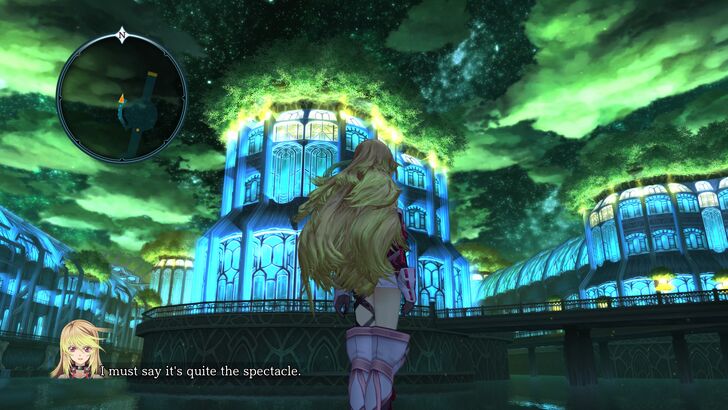
The Tales of series has built quite the catalogue over the years, one that’s long overdue for some attention beyond Japan. Many of its older titles have either never seen a proper rerelease or are trapped on hardware that’s becoming harder to access. Bandai Namco has made a few attempts at preservation before, like when Tales of Abyss was ported to the 3DS, or when Tales of Vesperia got its Definitive Edition. There was even that somewhat questionable remaster of Tales of Symphonia back in 2019, which, personally, left a lot to be desired.
But the Tales of 30th Anniversary Remastered Project feels like the most confident attempt yet to preserve and modernize the series’ legacy, with the goal of bringing older entries to current systems as the franchise nears its 30th anniversary. Tales of Graces f Remastered led the charge earlier this year. Now, the project continues with Tales of Xillia Remastered, a reintroduction of one of the most celebrated PS3 JRPGs of its era.
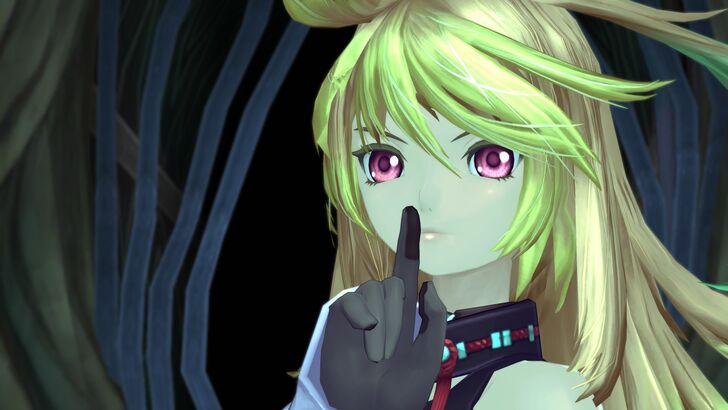
I don’t have my original copy of Xillia anymore. Someone probably stole it along with Xillia 2 from my old game cabinet, something I still mourn to this day. But even without it, I remember Xillia vividly. I poured hours into it back on the PS3, playing through both Jude and Milla Maxwell’s stories. I didn’t manage a 100% run, but that didn’t stop me from loving every second of it. Xillia left such an impression on me that I still rank it alongside Radiant Mythology and Berseria as one of the strongest entries in the series.
Coming back to it now, though, more than a decade later as an adult now with more experience under my belt, I can see the cracks I didn’t notice before. Tales of Xillia is still a solid JRPG, but it’s very much a product of its time. It’s structured, linear, and occasionally clunky in its pacing. Regardless, Xillia Remastered makes a strong case for itself, especially with the visual and quality-of-life updates that smooth out a lot of the older frustrations. Some issues, however, are too deep in its foundations to fix, but it’s hard to deny how good it feels to have Xillia back, running well and accessible again after all these years.
A Tale as Old as Time
Tales of Xillia takes place in Rieze Maxia, a land where humans and spirits coexist through the use of mana. The story follows two main characters whose paths intertwine after a fateful encounter in the city of Fennmont. Jude Mathis is a young medical student whose curiosity gets the better of him when his professor mysteriously disappears during a research project tied to the military. His search leads him deep into a government laboratory, where he meets Milla Maxwell, a woman who claims to be the Lord of Spirits and protector of the world’s mana balance.
It’s here where everything begins to unravel; the activation of a massive weapon called the Lance of Kresnik drains Milla of her four spirit companions, and this leaves her powerless, and for the first time, human. After the incident, both Jude and Milla are branded as fugitives by the Rashugal military. What begins as an escape turns into a journey across the continent, uncovering secrets about the Lance, the governments at play, and the very nature of the world itself. Along the way, they learn of another nation, Auj Oule, and the growing tensions between the two countries, driven by their dependence on spirits and the mana that sustains them.
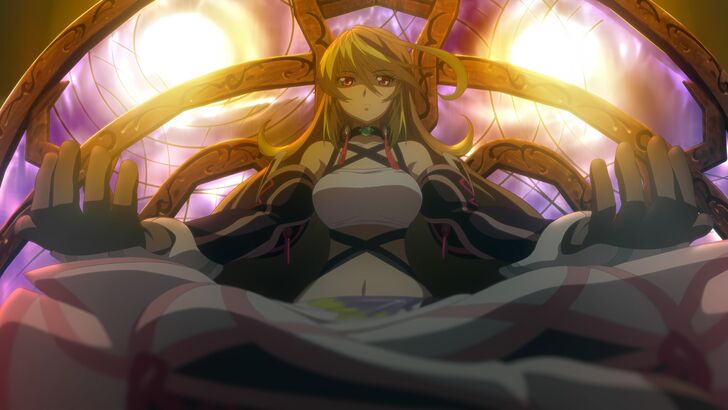
Like many Tales games before it, Xillia revolves around the idea of two opposite worlds and the moral lines that blur between. It’s a familiar setup for the series, but one that can still feel effective thanks to how well it balances the political drama with the personal stories of its characters.
I adored this story back when I first played it. The dual narrative was something I hadn’t really seen in the series before, and it gave me a reason to play through the game twice—once as Jude, then again as Milla.
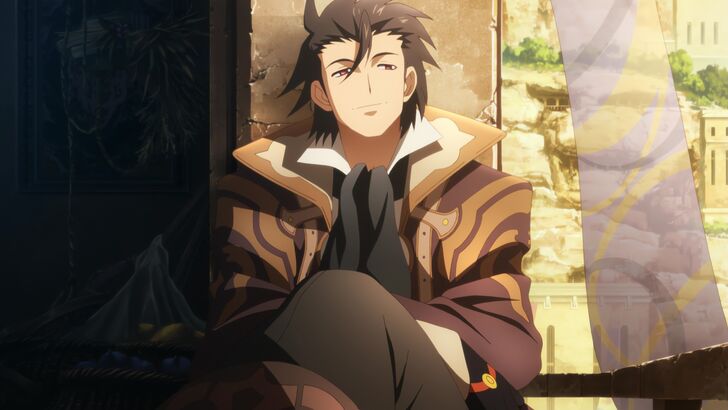
The cast, though, is what makes Xillia’s story truly memorable. Tales games are known for having likable party members, but Xillia might have one of the strongest lineups in the series. Jude and Milla are well-written leads who complement each other. Supporting them are characters like Elize, a shy girl with her talking doll Teepo; Rowen, a dignified butler who adds a grounded voice of reason; and Leia, Jude’s childhood friend who brings warmth and light to the group.
My personal favorite, though, has always been Alvin. He’s a mercenary whose motives aren’t always clear. He’s selfish, secretive, and often hard to trust, but the game takes its time revealing why he is the way he is. His eventual growth and how he learns to care for the others make him one of the more layered characters in the cast.
All of this is made even better by the skits, a Tales of series staple. These are short interactions that pop up between characters as you travel. Some are relevant to the story, while others are just small moments of humor or reflection. They don’t last long, but they go a long way in fleshing out the characters. You’ll see them discuss why Milla wears what she wears, or Rowen and Alvin talk about something completely mundane. It’s fluff, sure, but it makes the group feel more like actual friends rather than a party of plot devices.
What makes these even better is that they are fully voiced with a strong English dub cast. Matthew Mercer as Alvin and Erin Fitzgerald as Teepo both deliver solid performances. Milla’s line delivery, though, can sound too flat at times, though it can be argued that it fits her detached outlook early on in the story. Regardless, the rest of the cast feels natural and comfortable in their roles.
Why Are There Even Two Protagonists to Begin With?
As much as I still appreciate the dual-protagonist setup of Tales of Xillia, I’ve always felt that it doesn’t fully live up to what it promises. Having two characters with separate viewpoints sounds like an exciting way to experience a story. You’re supposed to see events unfold from two angles: Jude’s grounded and human perspective, and Milla’s more detached one. However, the execution feels uneven. It’s a gimmick that mostly works in concept but struggles to hold up once you’ve played through both routes.
Playing as Jude gives you a better understanding of the world and its setting, especially early on. You get to see what everyday life in Fennmont looks like, learn about the city’s structure, and understand Jude’s motivations beyond just "following Milla." It’s a more complete introduction to the story’s universe. When you switch to Milla’s route, though, that sense of buildup disappears. Her story starts straight into the first dungeon with very little setup. It makes her introduction feel rushed.
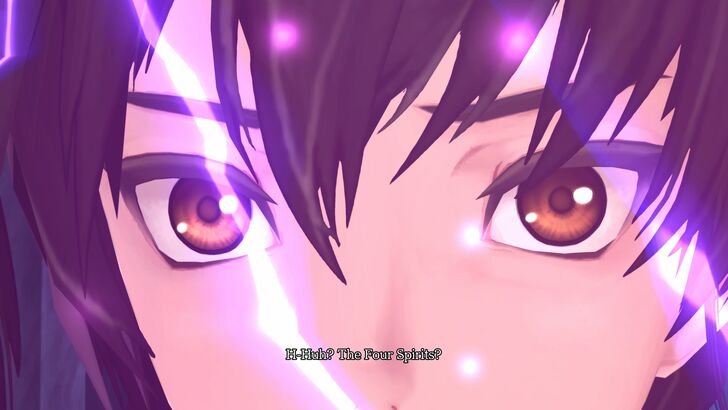
I understand the idea behind this. The dual narrative is supposed to make you feel like you’re seeing the same story from two sides, catching details you might’ve missed before. And to some degree, it succeeds. There are moments exclusive to each route that help deepen your understanding of certain characters or scenes. For instance, there are subtle exchanges and emotional beats that only happen in Jude’s version, particularly with Elize, and they do add value if you’re invested enough to notice them.
But the problem is that these differences often feel too small to matter. The two protagonists spend most of the game traveling together, meaning their perspectives rarely diverge in any meaningful way. Outside of a few isolated scenes, you’re mostly experiencing the same story twice.
It doesn’t help that the game sometimes undercuts its own premise. There are scenes where you’re clearly playing as one protagonist, but the camera shifts or dialogue plays out as if it’s told from the other’s perspective. It breaks the illusion of having two different viewpoints.
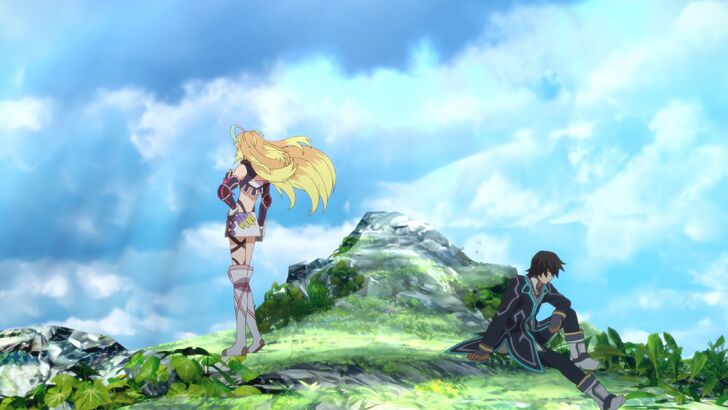
To be fair, there are small details that make a second playthrough worth doing. Certain lines of dialogue, reactions, and side scenes help flesh out moments that feel more complete when seen from both sides. These bits do add value, and they help make the characters’ relationship feel more layered by the end. However, I wish they went further with it. The game rarely commits to letting both characters truly have their own journeys.
Something closer to what games like Kingdom Hearts: Birth by Sleep or Dream Drop Distance did would have helped, where each character follows a clearly distinct path that intersects naturally later on. Instead, Tales of Xillia gives you a taste of two perspectives but never fully delivers on the promise of either. It’s interesting enough to go through once, but if you’re just in it for the story, you will find little new of it in the other perspective.
Combat System is Easy to Learn, Hard to Master
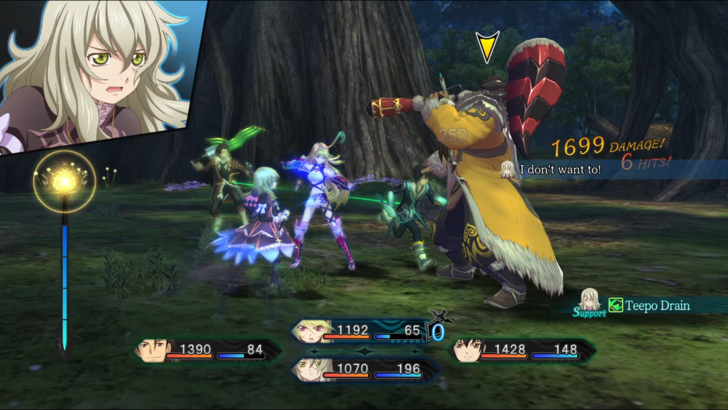
If you’ve played a Tales of game before, you’ll feel right at home with Tales of Xillia Remastered. The structure hasn’t changed much since its PS3 release. You spend most of your time moving between towns, fields, and dungeons, talking to NPCs, finding treasures, and tackling side quests. They aren’t particularly exciting, but they help break up the pacing between story beats.
Combat is, as always, where the game is at its best. Xillia builds on the foundations of previous Tales titles but refines them with small but meaningful tweaks. Battles are initiated by running into enemies on the field, which then transition into a closed 3D arena. You control one character in real time, using directional attacks, combos, and Artes—special moves that consume TP, the game’s equivalent of mana.
Your basic actions are governed by the Assault Counter (AC), which limits how many moves you can perform consecutively. It works a lot like Tales of Graces f’s Chain Capacity system, in that it stops you from just button-mashing your way to victory. At the start of the game, combat is pretty straightforward, but as you unlock more Artes and Skills, the system starts to open up. Before long, you’ll find yourself stringing together long combos and switching targets fluidly.
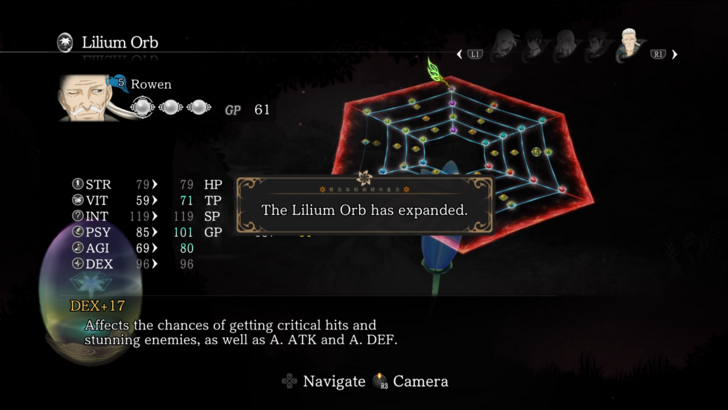
Progression ties neatly into this through the Lilium Orb system. Each character has their own web-shaped grid of nodes that represent stat boosts, Artes, and passive Skills. You gain Growth Points (GP) as you level up, and spending them unlocks nearby nodes. It’s not the deepest upgrade system in the series, but it’s satisfying enough to tinker with, especially since every new skill or Arte is fun to experiment with in battle.
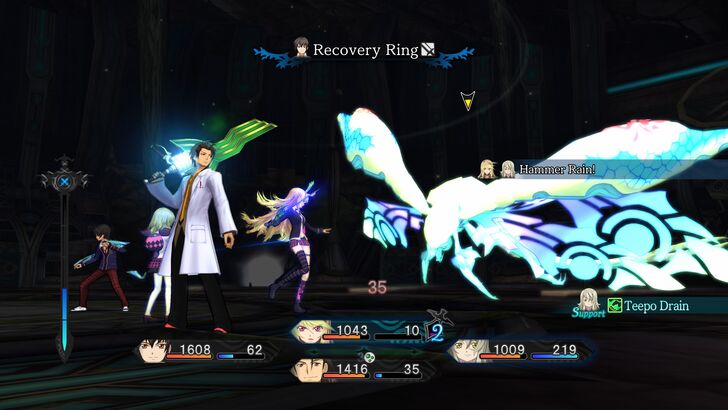
The most distinctive mechanic in Xillia’s combat, though, is the Linked Arte system. This allows your controlled character to "link" with another party member during battle. When linked, you can flank enemies together, protect each other from attacks, and execute Artes that combine your abilities for extra damage or added effects.
Each character pairing has different results, too. Plus, when you fill up your Overlimit gauge, you can chain multiple Linked Artes one after another, resulting in flashy combos that feel incredibly satisfying to pull off. It’s a system that’s easy to learn but hard enough to master. But even if you don’t fully grasp all of its nuances, it’s still fun to mash out attacks and watch your characters flow between moves.
Battles can get repetitive, especially since you’ll be doing that a lot. It’s a JRPG, after all, and with it comes grinding for EXP or money. It’s best to keep this in mind going into the game. Thankfully, there are a lot of quality-of-life improvements that go a long way in making this game better than its original PS3 release.
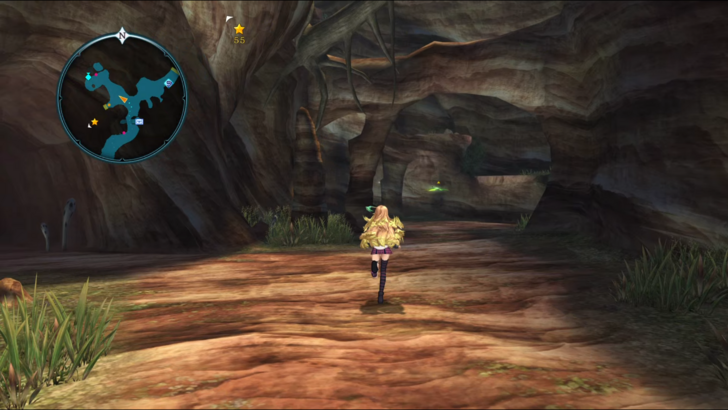
Not everything in Tales of Xillia has aged gracefully, though. The level design, for one, shows its age. Dungeons and field areas are mostly linear, often made up of narrow corridors and repetitive rooms with little to interact with. There are some "puzzles," but the ones that exist are so simple they barely register as obstacles.
Enemy encounters can start to feel like filler, too—groups of monsters scattered across long hallways that do little more than slow your progress. It’s not that the dungeons are bad, but they’re definitely a product of their time.
Small Quality-of-Life Additions that Make a Big Difference
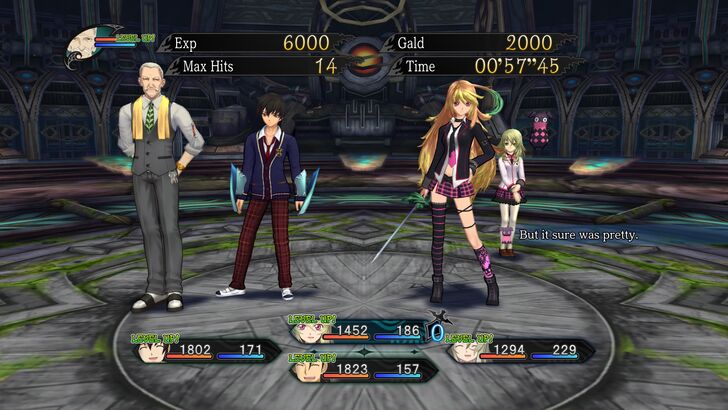
It’s a good thing that Tales of Xillia Remastered comes with a lot of quality-of-life improvements, because they go a long way in making the game easier to revisit. The original Xillia wasn’t exactly punishing, but it did have its share of small frustrations. This remaster somewhat smooths out many of those rough edges. Like with Tales of Graces f Remastered before it, the developers made a conscious effort to cater both to returning players and to newcomers who might be jumping into Xillia for the first time. Almost all of these options can be tweaked freely in the settings, which means you can decide whether to experience the game as it originally was or take advantage of modern conveniences to focus more on the story.
Performance and visuals are the most obvious upgrades. The game runs at a steady frame rate now, and load times are noticeably faster than on the PS3. Character models and textures have been cleaned up, and while it’s not a complete overhaul, the sharper image quality and smoother animations help make exploration and combat feel more fluid. But the real improvements are the smaller things that directly affect pacing. Enemy encounters, for instance, can be toggled off entirely if you’d rather explore without interruptions. This one change alone makes dungeon crawling much less of a slog, especially in areas where enemies respawn too quickly.
The mini-map has been reworked too. It now highlights quest markers, treasure chests, and even hidden collectibles. Limited-time events or side quests are clearly marked, which saves you from having to wander aimlessly or constantly check guides. Exploring the world of Rieze Maxia feels more manageable now, and for a game that’s more than a decade old, that makes a big difference.
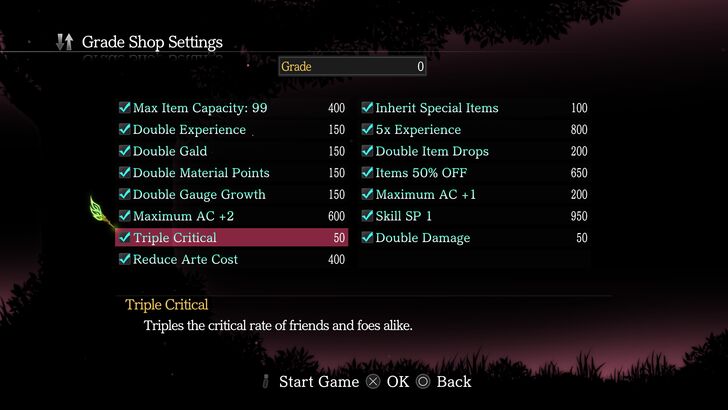
Another major change comes in the form of early access to the Grade Shop. Traditionally, the Grade Shop is something you unlock only after finishing the game once. You’d earn Grade points during your playthrough based on combat performance and achievements, then spend them on modifiers for a New Game Plus run—things like doubling experience or gold, carrying over Artes, and other bonuses that make replaying more rewarding. In Xillia Remastered, you get access to this feature much earlier, and you even start with a small pool of Grade points to use right away.
I like how this acknowledges that many people playing this remaster are long-time fans who’ve probably already beaten the game before. You can enable bonus to make your first run smoother or experiment with new builds and strategies without having to grind for them.
You can still play the game in its original state if you prefer that challenge, but if you just want to enjoy the story or revisit the characters without worrying about grinding or random encounters, the remaster gives you that flexibility. It’s not a radical reimagining, but the cumulative effect of these small improvements makes Xillia Remastered feel more comfortable to play, whether you’re reliving old memories or discovering the game for the first time.
Is Tales of Xillia Remastered Worth It?
Yes, for Fans Old and New
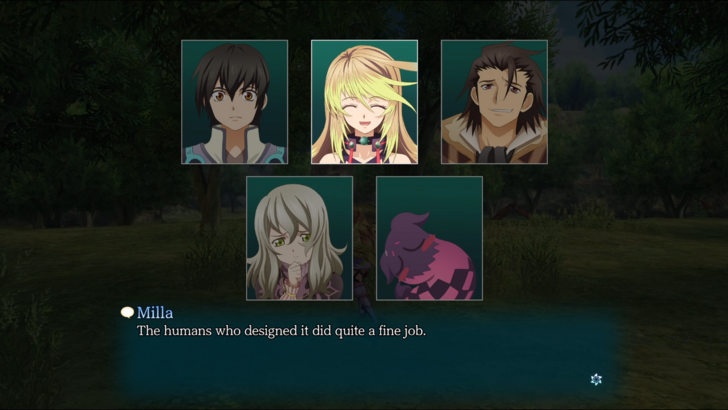
Like Tales of Graces f Remastered before it, Tales of Xillia Remastered revisits one of the series’ better entries with care and respect for both its legacy and its fans. It’s a well-considered remaster that smooths out some of the rougher edges of a 2013 JRPG. The visual and performance upgrades go a long way toward making it feel modern enough, even if the game’s age still shows through its somewhat dated structure. These are pitfalls that come with the era more than with the remaster itself, and although Bandai Namco can’t completely erase them without overhauling the entire game, they’ve done a solid job updating the experience for current players.
What helps a lot is that nearly all of the original DLCs are bundled in. If you ever wanted Alvin dressed as Kratos from Tales of Symphonia or Jude Mathis in the outfit of Tales of Destiny’s Leon, you can. The sheer amount of content included here feels like a thank-you to long-time fans, giving them everything they might’ve missed or couldn’t access back then. Newcomers, on the other hand, will still find a solid RPG beneath the nostalgia.
The game still carries some of the baggage of its time, but depending on how much you dig into it, Tales of Xillia Remastered can easily run 40 hours for a main playthrough, with double or even triple that if you dive into side quests and play through both character routes. No amount of update can completely hide its age, but it’s a heartfelt remaster that’s easy to sink into. Here’s hoping this gets followed by Xillia 2! If not, I wouldn’t oppose a remaster, or even a remake, of Tales of the Abyss.
| Digital Storefronts | |||||||||||
|---|---|---|---|---|---|---|---|---|---|---|---|
| Steam |
Nintendo |
PlayStation |
Xbox |
||||||||
| $39.99 | |||||||||||
Tales of Xillia Remastered FAQ
Who Should I Start With: Jude or Milla?
You can choose either protagonist in the Tales of Xillia Remaster to start. However, many players, including myself, recommend beginning with Jude's story first to get more foundational context about the game world. It's best to reserve Milla's storyline for a second playthrough to fully appreciate her journey.
Game8 Reviews

Tales of Xillia Remastered Similar Games
Tales of Xillia Remastered Product Information
|
|
| Title | TALES OF XILLIA REMASTERED |
|---|---|
| Release Date | October 31, 2025 |
| Developer | DOKIDOKI GROOVEWORKS, Inc. |
| Publisher | Bandai Namco Entertainment |
| Supported Platforms | PC (via Steam) PlayStation 5 Nintendo Switch Xbox Series X|S |
| Genre | Action, Adventure, JRPG |
| Number of Players | Single-Player (1) 2-4 Player Co-Op (During Battles Only) |
| ESRB Rating | ESRB Teen |
| Official Website | Tales of Xillia Remastered Website |


Why is there so much trash for the PS5? PS3 and PS4 era had so many great games coming out constantly. The last worthy games were FF Rebirth and Star wars the outlaws. Everything else is PS2 garbage