




| Resident Evil Requiem (RE9) | |||
|---|---|---|---|
| Release Date | Gameplay & Story | Pre-Order & DLC | Review |
From the Arklay Mansion to Requiem, explore Umbrella’s rise, collapse, and lasting impact on Raccoon City, bioweapons, and the future of Resident Evil.
Disclaimer: This article traces Umbrella’s role across the full Resident Evil timeline, including story events, game revelations, and significant spoilers.
Umbrella Corporation’s Entire Lore & Timeline According to Resident Evil Games’ Release Dates
Umbrella’s Rise, Fall, and Legacy
Umbrella Through Resident Evil’s History
Resident Evil (1996)
Resident Evil 2 (1998)
Resident Evil 3: Nemesis (1999)
Resident Evil: Code Veronica (2000)
Resident Evil 0 (2002)
Resident Evil 4 (2005)
Resident Evil 5 (2009)
Resident Evil 6 (2012)
Resident Evil 7: Biohazard (2017)
Resident Evil Village (2021)
Resident Evil 9 Requiem
Umbrella’s Story In Chronological Timeline
Umbrella’s Role Evolved With the Franchise
Resident Evil’s Umbrella Corporation’s Rise, Fall, and Legacy
Umbrella Through Resident Evil’s History
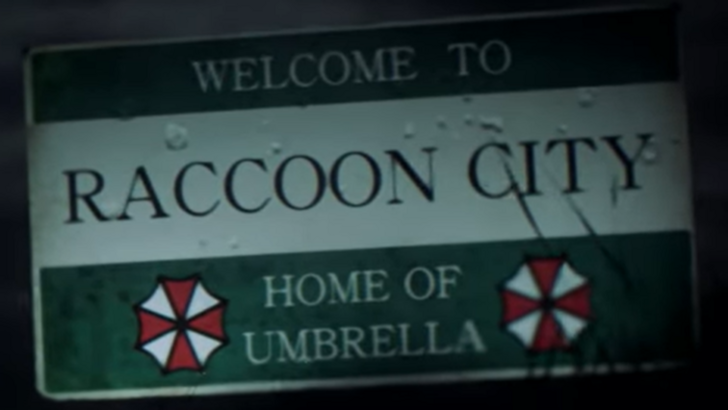
Since the release of Resident Evil, Umbrella Corporation has served as the franchise’s defining force—the architect behind biological disasters, outbreaks, conspiracies, and the creation of Bio-Organic Weapons (B.O.W.s). For years, understanding Resident Evil meant understanding Umbrella. But Umbrella’s role has never remained static. Across multiple releases, its presence shifts from an active antagonist to a collapsed corporation, then into something far more complex. A legacy, an ideology, and a symbol that other groups inherit, exploit, or attempt to redefine.
This article follows that evolution in release order rather than chronological timeline to reflect how players experienced these revelations in real time. Each new entry didn’t just expand the lore; it recontextualized everything that came before it, redefining what Umbrella was, who created it, and how deeply its influence reached. Seen this way, the company’s history mirrors the franchise’s own transformation from contained horror to worldwide biowarfare. If you want the entire Resident Evil story in a nutshell, you can jump to our complete lore breakdown below.
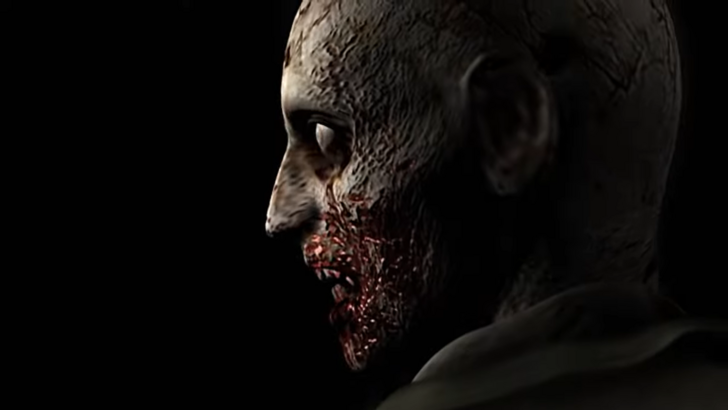
With Resident Evil Requiem positioned to revisit Raccoon City and seemingly unresolved threads, the series once again circles back to its point of origin. To understand what that return could mean, we have to trace how Umbrella rose, fell, and endured across the history of Resident Evil.
Resident Evil (1996): Umbrella and the Mansion Incident
Discovery of Umbrella’s Underground Laboratory
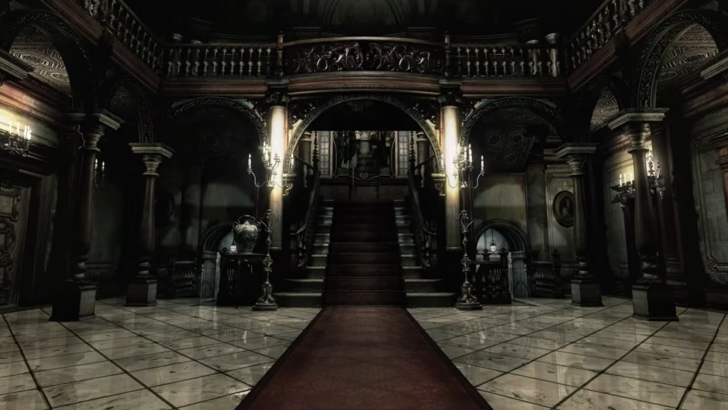
The franchise’s first entry introduces Umbrella through the investigation into a series of murders in the Arklay Mountains that leads S.T.A.R.S. Alpha Team to the Spencer Mansion. Beneath the estate lies a hidden laboratory complex, and with it the first clear evidence that Umbrella is far more than a pharmaceutical company, but an entity that is conducting illegal bioweapons research on a massive scale. Experimental Tyrant Virus (T-Virus, a bio-weapon that alters a host’s DNA) leaks into the facility, infecting researchers, security personnel, and test subjects, and eventually spreads into the surrounding wilderness.
Key figures within S.T.A.R.S. reveal how deeply the company’s influence reaches. Team captain Albert Wesker is exposed as an Umbrella operative tasked with securing combat data on the B.O.W.s, turning the mission into a field test for the corporation’s creations. Meanwhile, surviving members Chris Redfield and Jill Valentine become the first witnesses to Umbrella’s experiments—from the Tyrant project to the mass-produced infection that demonstrates the T-Virus’s weaponization potential.
The Blueprint for Future Outbreaks
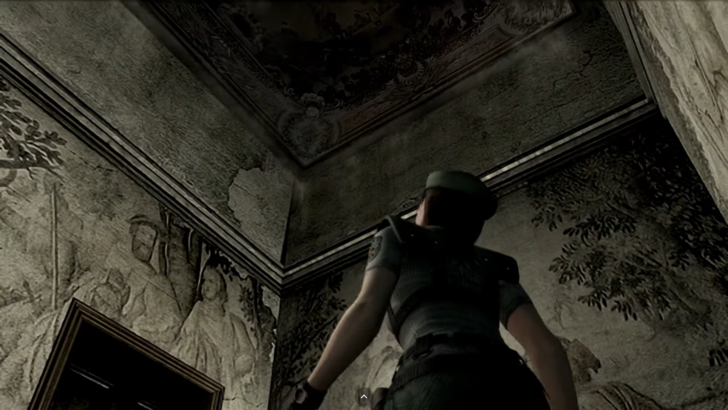
The mansion incident is the establishment of the core pattern that defines Umbrella throughout the early series: secret research facilities, the use of human lives as disposable assets, and corporate cover-ups designed to contain both biological and information leaks. Even the destruction of the mansion at the end of the game is less a victory over the company and more of a temporary setback for them, as the data collected by Wesker and the surviving research ensures the continuation of its weapons program elsewhere.
The Arklay outbreak connects directly to the later disaster in Raccoon City, introduces the key personnel who will shape the series’ future conflicts, and establishes the idea that every bioterror event to come can be traced back to a single source. In its first appearance, Umbrella is not yet a global symbol, but rather the foundation of everything it will become is already in place beneath the Spencer Mansion.
Resident Evil 2 (1998): Raccoon City and Umbrella’s Corporate Collapse
William Birkin and the Creation of the G-Virus
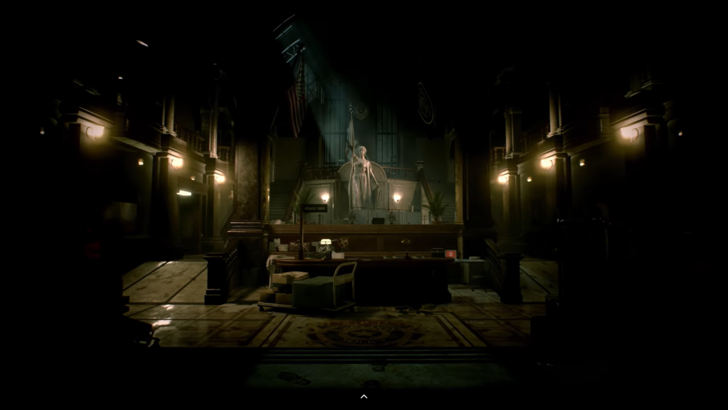
If the mansion incident exposed Umbrella’s existence, the Raccoon City outbreak revealed its consequences on a national scale. Set weeks after the events in the Arklay Mountains, the T-Virus spreads beyond the compound’s facilities and into an entire population center, transforming the fictional Midwestern city into a quarantine zone.
At the center of this escalation is the underground NEST laboratory, Umbrella’s primary research complex beneath the city. Here, virologist William Birkin develops the Golgotha Virus (G-Virus), a mutagen far more advanced and unstable than the T-Virus. When Umbrella’s security forces attempt to seize his research, Birkin injects himself with the virus, triggering a chain reaction that leads to the lab’s fall and the contamination of Raccoon City’s water supply through rats.
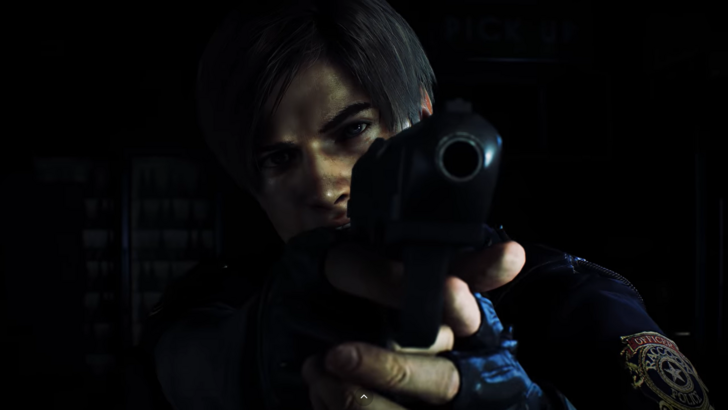
The incident is experienced through two youngins (at the time), Leon Kennedy and Claire Redfield, who both arrive at Raccoon City at the start of the outbreak, as they gradually uncover the scale of Umbrella’s involvement. They encounter the corporation’s attempts to recover the G-Virus, its deployment of experimental B.O.W.s like the Tyrant, and the complete collapse of the city’s infrastructure under viral infection. Through characters such as Ada Wong—an operative sent to secure a G-Virus sample—the story also shows how Umbrella’s research has already attracted rival organizations, signaling the beginning of the global bioweapons black market.
The Cover-Up and Destruction of Raccoon City
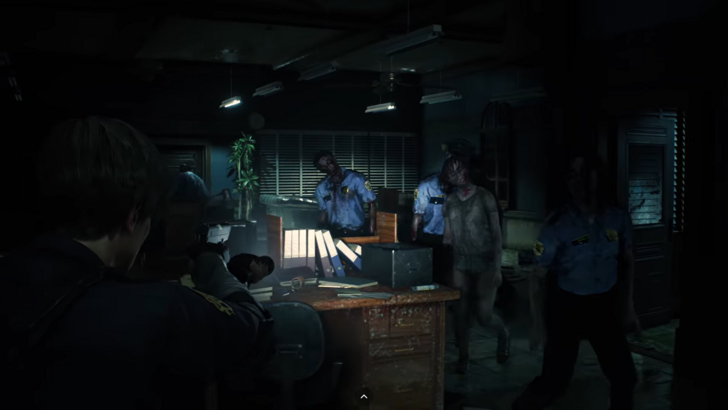
Unlike the mansion incident, Raccoon City cannot be erased quietly. The U.S. government intervenes, ultimately authorizing the city’s destruction to prevent further spread of the virus and to eliminate evidence of what occurred. This decision becomes one of the most defining moments in the series’ timeline as the nuclear sterilization that simultaneously ends the outbreak and buries Umbrella’s crimes under official secrecy. Publicly, the truth remains obscured, but behind the scenes, the corporation faces investigations, stock collapse, and mounting legal pressure.
This is the point where Umbrella’s downfall truly begins. The loss of its primary facilities, the exposure of its illegal research, and the international scramble for its remaining data fracture the company’s dominance. Yet, as with the mansion incident, the most dangerous element survives—the viruses themselves. By the end of Resident Evil 2, Umbrella is a failing superpower whose technology has escaped its control, setting the stage for both its bankruptcy and the rise of the bioterror era that follows.
Resident Evil 3: Nemesis (1999): Weaponizing the Outbreak
Nemesis Project and the Hunt for the S.T.A.R.S.
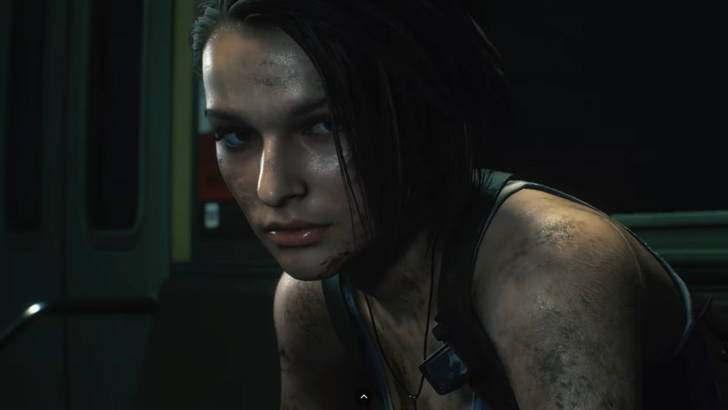
Resident Evil 3: Nemesis starts before RE2 and concludes around the same time as the bombing that takes place at the end of the second game, showing a different side to the Raccoon City incident. The outbreak becomes an opportunity for the corporation to gather real-world battle data, turning an urban collapse into a field test for its B.O.W.s. In this sense, the city’s destruction is no longer just the consequence of Umbrella’s actions, but rather, it is something the company actively exploits.
The most direct expression of this is the Nemesis Project, a European branch initiative designed to create an intelligent Tyrant capable of following orders and targeting specific individuals. The resulting pursuer is deployed into the city with a single objective: eliminate the surviving members of S.T.A.R.S., the witnesses of the Spencer Mansion incident. By hunting Jill Valentine through the streets, Nemesis serves both as an assassination tool and as a means of collecting combat effectiveness data against a trained opponent.
Umbrella’s Disposable Soldiers
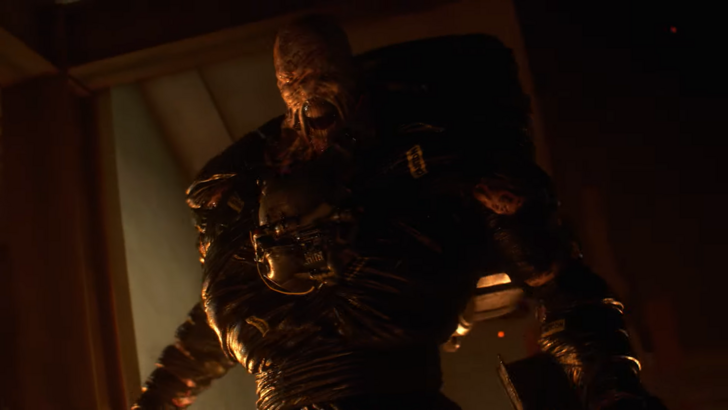
Umbrella’s private military force also plays a central role in the incident. The Umbrella Biohazard Countermeasure Service (U.B.C.S.) is introduced as a rescue unit sent into the city, but in reality, it functions as a disposable force used to observe how soldiers perform against infected populations and B.O.W.s in a real outbreak scenario. Through characters like Carlos Oliveira and his squad, the game reveals that many of these operatives were never meant to survive, further reinforcing Umbrella’s pattern of treating human lives as expendable assets.
The conclusion of the incident ties directly into the government’s decision to sterilize the city, completing Umbrella’s immediate objective: the destruction of evidence. Any remaining proof of its involvement is erased along with the urban environment itself. However, the survival of Jill and other witnesses ensures that the truth continues to circulate beyond official channels, accelerating the investigations that will lead to the corporation’s legal and financial collapse. In Resident Evil 3, Umbrella is still operational and ruthless, but we see how it is clearly acting from a position of desperation, exploiting the outbreak it created while preparing for the fall that is already underway.
Resident Evil: Code Veronica (2000): Umbrella Beyond America
The Ashford Family and T-Veronica Virus
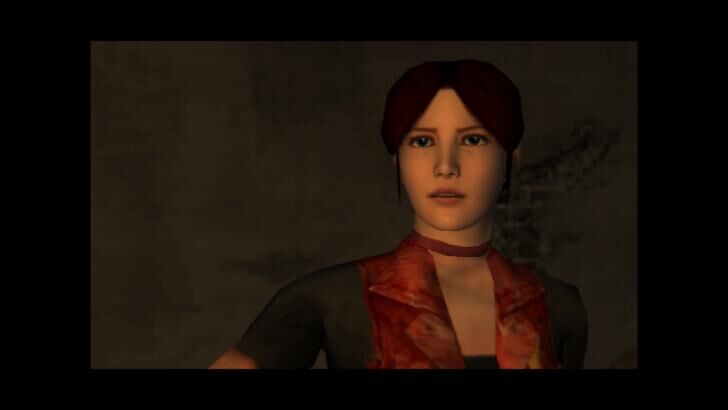
With Raccoon City destroyed and the corporation facing global investigation, Code: Veronica takes the focus away from the United States and reveals the true scale of Umbrella’s operations. The story begins with Claire Redfield continuing her search for her brother, only to be captured during an infiltration of an Umbrella facility in Paris. Her imprisonment on Rockfort Island introduces one of the company’s most important international strongholds, demonstrating that even as its American branch collapses, Umbrella’s global infrastructure remains intact.
Rockfort Island is controlled by the Ashford family, one of the founding bloodlines of the corporation, and through them, the game reframes Umbrella as more than a faceless pharmaceutical giant; it is a legacy built on aristocratic ambition and generational obsession. Alfred Ashford and Alexia Ashford represent a different side of the company’s experiments. Not mass-produced B.O.W.s for military contracts, but highly personalized research driven by the desire to achieve superiority through the T-Veronica Virus (a virus that makes all infected follow the social hierarchy of ants). Their work shows that Umbrella’s internal divisions are not just corporate, but ideological, with different branches pursuing their own visions of evolution.
Wesker's Return and Umbrella's Antarctic Facility
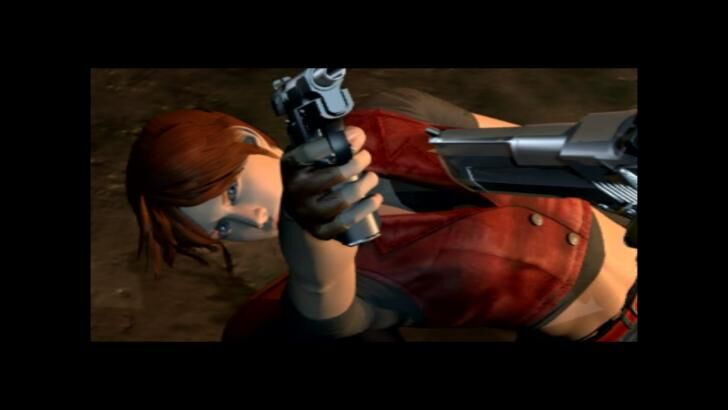
The outbreak on Rockfort is triggered by an external assault that releases the virus across the island, mirroring the earlier disasters in the series while also exposing Umbrella’s vulnerability. This attack is led by Albert Wesker, now operating independently and seeking to obtain the T-Veronica Virus for his own agenda. His return establishes that the company’s former agents are no longer serving it, but competing over its remains.
The second half of the game moves to the Ashfords’ Antarctic base, another massive research complex that reinforces how deeply Umbrella’s roots extend across the world. Hidden for decades, the facility preserves the family’s original experiments and the cryogenically preserved Alexia, tying the present-day conflict back to the corporation’s earliest days. Here, the connection between Umbrella’s founding families and its modern bioweapons program becomes explicit, linking the personal ambitions of its creators to the global disasters that followed.
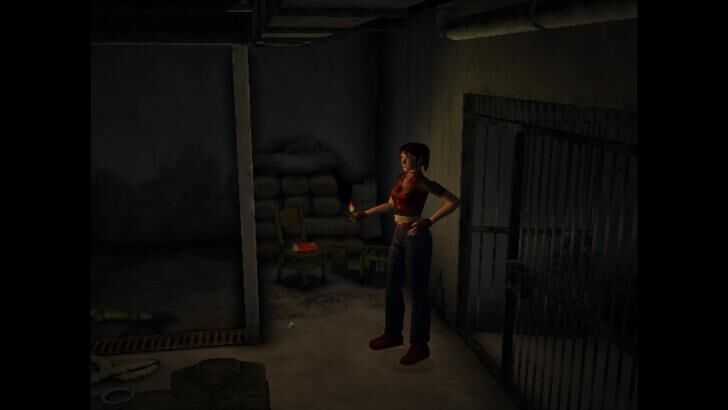
More than any previous entry, Code: Veronica shows Umbrella as a multinational empire rather than a single villainous company. Its operations span continents, its leadership is fragmented among competing factions, and its former operatives are actively looting its research. Although the corporation has not yet officially fallen, the struggle over the T-Veronica Virus makes it clear that its power is being contested from within and without. In the broader history of the series, this is the moment Umbrella stops being a unified force and becomes a crumbling network of rival legacies.
Resident Evil 0 (2002): Rewriting Umbrella’s Origins
James Marcus’ Murder was the Catalyst of the Outbreak
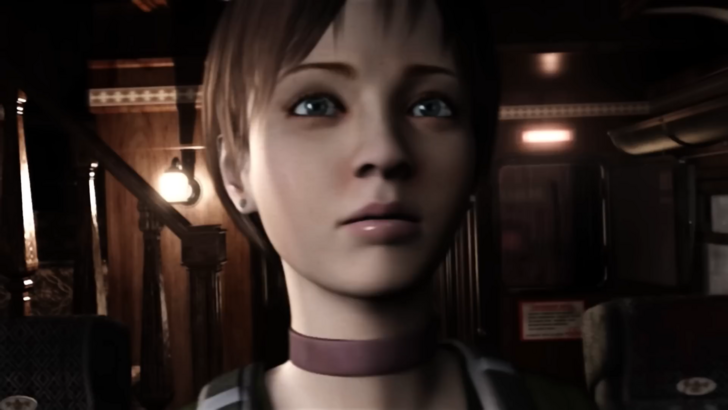
Released after the destruction of Raccoon City but set on the eve of the mansion incident, Resident Evil 0 turns the focus backward to reconstruct Umbrella’s earliest internal conflicts. The game follows Rebecca Chambers and escaped prisoner Billy Coen as they investigate the outbreak aboard the Ecliptic Express and the Umbrella training facility in the Arklay Mountains. What appears to be another containment failure is gradually revealed as the result of a long-buried corporate assassination and the revenge of one of the company’s own founders.
That founder is James Marcus, whose research into the Progenitor Virus formed the basis of the T-Virus project. Through the facility’s archives, the game establishes that Umbrella’s rise was not a unified scientific effort but a power struggle between Marcus and his partners, Oswell E. Spencer and Edward Ashford. Marcus’ murder—carried out to consolidate control over the company and its research—becomes the true starting point of the viral outbreaks seen throughout the series. The Queen Leech, which essentially revives him by absorbing his brain and memories, triggers the training facility disaster in both a literal and symbolic return of the corporation’s suppressed past.
Progenitor is the Source of Every Virus
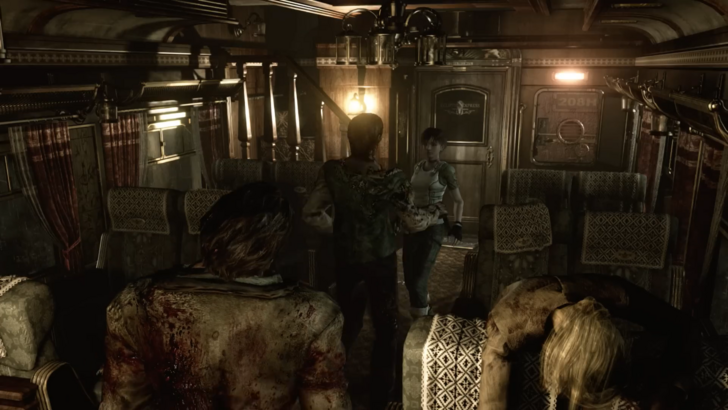
By explicitly naming the Progenitor Virus as the source of all subsequent strains, Resident Evil 0 retroactively links every previous incident to a single discovery. The T-Virus is no longer just a weaponized pathogen but rather a derivative of a much older experiment tied to the founders’ vision of human evolution. This reinforces what we’ve seen from Code: Veronica, that Umbrella is built on a eugenics-driven ideology from its inception, aligning its scientific pursuits with Spencer’s long-term goal of creating a new form of humanity.
As a prequel released after multiple mainline entries, the game functions as deliberate retroactive lore. Players already know that Umbrella is heading toward collapse, which gives these revelations a different weight; the company’s downfall is no longer simply the result of the Raccoon City exposure, but the inevitable outcome of betrayals and ambitions that existed at its creation. The training facility, abandoned and decaying, mirrors the corporation’s future… a once-powerful institution rotting from the inside.
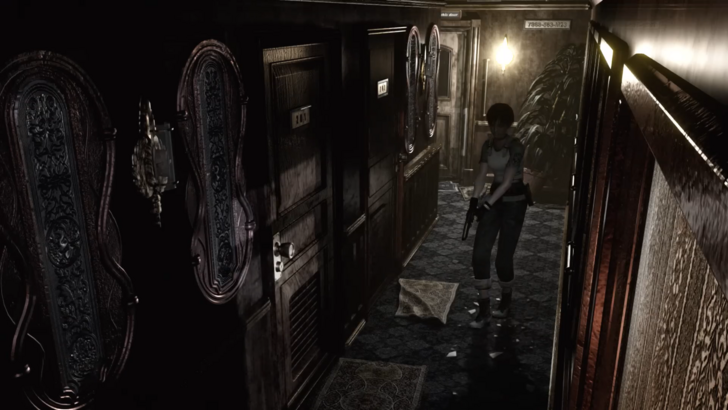
Placing this story immediately before the mansion incident also reinforces the sense of a continuous chain of disasters. The outbreak Rebecca uncovers leads directly into the events of Resident Evil, tightening the narrative loop while simultaneously expanding its historical scope. By exploring Umbrella’s formative years just before Resident Evil 4 moves the timeline into a world where the company is officially gone, Resident Evil 0 serves as a final look at the origin of everything—a reminder that even as the corporation approaches bankruptcy, the ideology and research that created it have roots far deeper than Raccoon City.
Resident Evil 4 (2005): A World After Umbrella
Umbrella’s Fall Happens Off-Screen
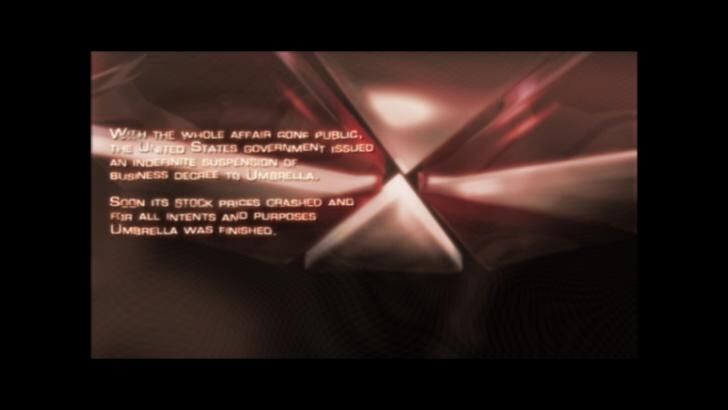
By the time Resident Evil 4 begins, Umbrella is already gone. Its collapse is not depicted through a final boss or a last stand, but through exposition: legal pressure, stock market freefall, and international investigations following the Raccoon City incident have forced the corporation into bankruptcy. This off-screen downfall is a deliberate structural choice in the series. After spending multiple games establishing Umbrella as the central antagonist, the story just moves into a world shaped by its absence, where its research has outlived the company itself.
The narrative follows Leon, now a U.S. government agent, on a mission to rescue the president’s daughter from a cult operating in rural Spain. On the surface, the Los Iluminados and their Las Plagas parasite appear unrelated to Umbrella’s work. There is no T-Virus outbreak, no familiar corporate logo, and no active Umbrella leadership. Instead, the threat comes from an independent group that has developed its own form of bio-organic weaponry.
Bioweapons Black Market Umbrella’s Absence Created
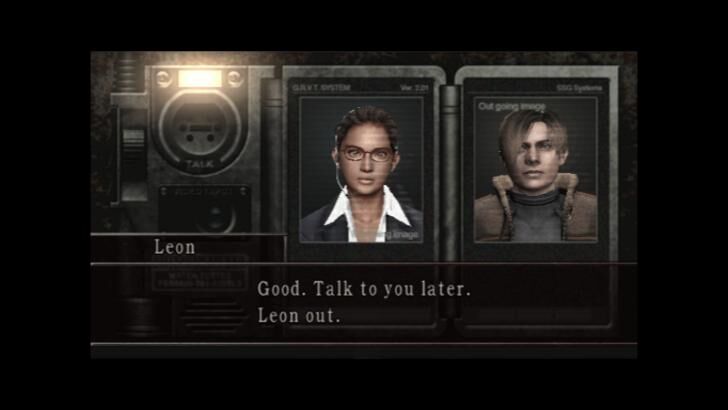
Despite its physical absence, Umbrella’s influence remains embedded in the story through the black market for bioweapons. The organization’s former researchers, data, and experimental methods have been scattered, sold, or stolen, creating a network of competing powers seeking control of viral and parasitic weapons. This is represented by Ada Wong and the shadowy group she works for, who are attempting to obtain a dominant Plagas specimen. Their mission mirrors earlier efforts to secure G-Virus samples, reinforcing the idea that the race for bio-weapons supremacy continues even without Umbrella as a central corporation.
The game also reintroduces Albert Wesker as an agent working together with Ada to retrieve the Plagas specimen. His presence connects the new threats directly to the old world, showing how Umbrella’s collapse did not eliminate its most dangerous actors; it simply freed them from a singular corporate hierarchy.
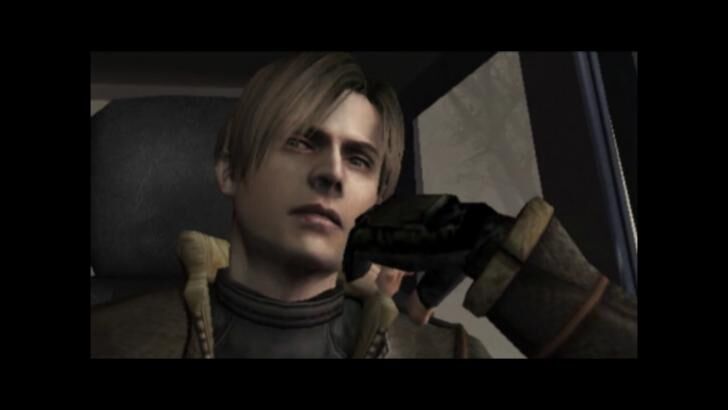
Telling this story before fully exploring the founders and ideological roots of Umbrella, which will be revealed later in the timeline, is methodical. Resident Evil 4 is designed to feel like a clean break for players: a new setting, new enemies, and a new global scale. Only in retrospect does it become clear that this "post-Umbrella" world is still defined by the company’s legacy. The parasites, the black-market transactions, and the rise of rival organizations all exist because Umbrella proved that B.O.W.s were viable. Its bankruptcy ends the corporation, but it also completes its transformation into something more dangerous… the foundation of an entire bioterror economy.
Resident Evil 5 (2009): Revealing Umbrella’s True Founders
Umbrella’s True Purpose was Eugenics
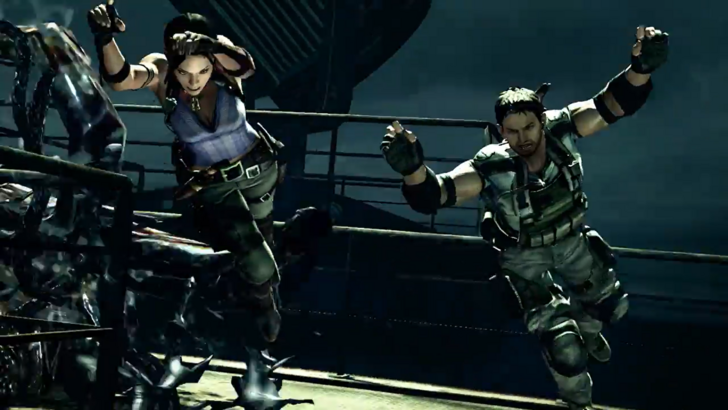
After Resident Evil 4 presents a world shaped by Umbrella’s absence, Resident Evil 5 turns back to expose the ideology that created the corporation in the first place. The story follows Chris Redfield and Sheva Alomar 5 years after the events of RE 4, as members of the Bioterrorism Security Assessment Alliance (BSAA) investigating a bioweapons incident in Africa, but the mission gradually becomes a direct confrontation with the last living architect of Umbrella’s original vision.
At the center of this revelation is Oswell E. Spencer, whose brief but pivotal appearance reframes the entire history of the franchise. Spencer confesses that Umbrella was never meant to be just a pharmaceutical front for weapons development; it was a vehicle for a eugenics-driven plan to guide human evolution through the Progenitor Virus. The corporation’s public operations, its viral research, and even its internal power struggles were all steps toward this long-term goal. That scene is another reinforcement of what we’ve already taken away from Code: Veronica.
The Power Vacuum in the Aftermath of Umbrella’s Collapse

This revelation directly feeds into the ambitions of Albert Wesker, who murders Spencer and adopts that vision for himself. Wesker’s plan to use the Uroboros virus to carry out global selection represents the ideological continuation of Umbrella without the corporation itself. He is no longer stealing samples for a client or acting as a rogue agent; he becomes the inheritor of the founders’ original objective. In a way, Resident Evil 5 transforms Wesker from a recurring antagonist into the living embodiment of Umbrella’s legacy.
The game also introduces Tricell, the multinational corporation that has covertly absorbed Umbrella’s previous standing in the pharmaceutical world. Through figures like Excella Gionne, Tricell demonstrates how the fall of Umbrella redistributed its assets into legitimate global industries, allowing bioweapons development to continue under new branding. Unlike the secret laboratories of earlier titles, this new phase operates within international markets.
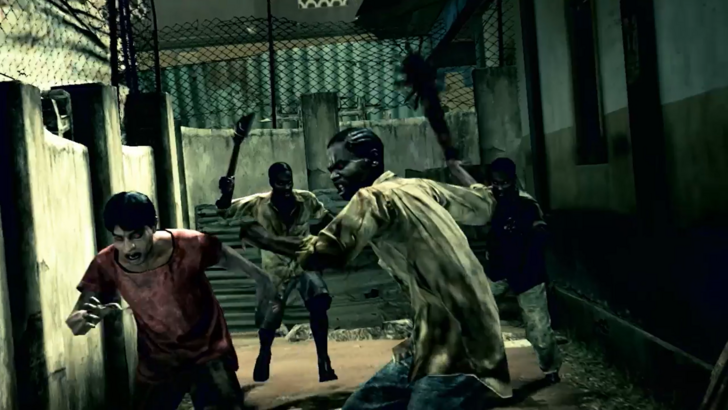
By linking the Progenitor Virus to its discovery in Africa and tying Spencer, Wesker, and Tricell into a single chain of succession, Resident Evil 5 completes the transformation of Umbrella from a corporation into an ideology. Its founder’s dream survives through Wesker’s actions, its research survives through new companies, and its biological weapons have become a global arms race. Even in death, Umbrella is not just the origin of the outbreaks, but the blueprint for everything that follows.
Resident Evil 6 (2012): Neo-Umbrella and Ideological Successors
Bioterrorism and Geopolitical Weapon
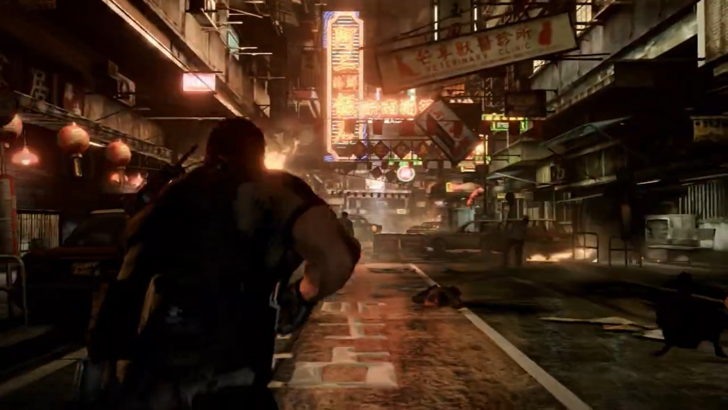
If Resident Evil 5 reveals that Umbrella’s ideology survived its corporate death, Resident Evil 6 shows how its name itself has become a weapon. The game’s multiple campaigns depict a world where bioterrorism is no longer tied to a single company or region but has become a global political tool. Outbreaks in the United States, Eastern Europe, and China are orchestrated events designed to manipulate governments, destabilize alliances, and reshape the balance of power.
The most direct appropriation of Umbrella’s legacy comes through Neo-Umbrella, an organization that deliberately adopts the corporation’s imagery and reputation. Led by Carla Radames—once a researcher, now a clone of Ada Wong created through the Chrysalid Virus (C-Virus, a combination of T-Veronica and G-Virus) project—the group weaponizes the fear associated with the Umbrella name to send a message that the era of B.O.W.s has not ended. By staging attacks and framing them under a resurrected corporate identity, Neo-Umbrella turns Umbrella from a fallen company into a global symbol of terror.
Industrialization of Bio-Weapons
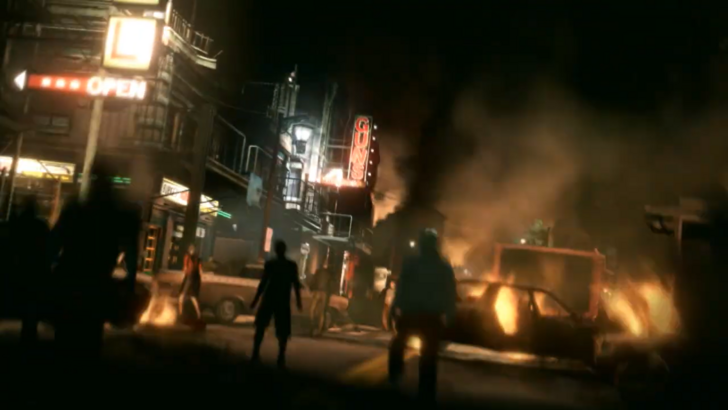
The C-Virus itself represents the technological evolution of the research Umbrella began. Unlike earlier strains, it is designed for rapid deployment, controlled mutation, and large-scale urban infection, making it ideal for coordinated bioterror operations. Its use in the destruction of cities and the transformation of entire populations reflects how far the black-market bio-weapons industry has progressed since Raccoon City.
Returning figures illustrate how the fight against this legacy has also become globalized. Leon confronts the political consequences of bioterrorism at the highest levels of government, while Chris and the BSAA engage in full-scale military operations against infected war zones. At the same time, Ada becomes central to the conflict as both a target of Neo-Umbrella’s plans and a reminder of the shadow organizations that have replaced the original corporation.
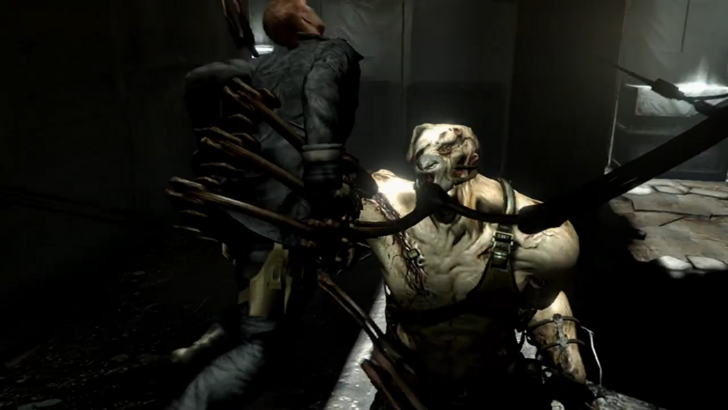
More than any previous entry, Resident Evil 6 treats Umbrella as an idea rather than an entity. Its logo is used for psychological warfare, its methods have been standardized across multiple factions, and its business model has evolved into a geopolitical strategy. The threat is no longer a single founder’s ambition or a single company’s experiment; it is a world permanently altered by the success of Umbrella’s research. In this phase of the series, the corporation is truly gone, but its identity has become immortal.
Resident Evil 7: Biohazard (2017): The Rebranding Era
Reformed Paramilitary Intervention
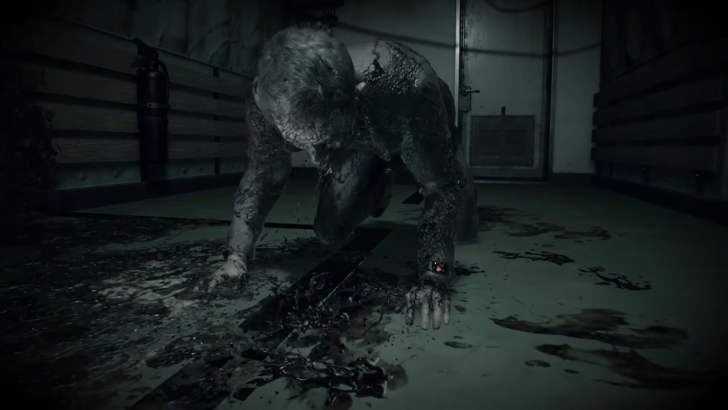
After the global scale of Resident Evil 6, the series narrows its focus again, but Umbrella returns in a form that challenges everything previously established about it. The story follows Ethan Winters as he searches for his missing wife in rural Louisiana, uncovering a new type of bioweapon in the form of the Mold and the biotechnological experiments of a covert organization known as The Connections. At first, the events appear completely disconnected from Umbrella’s history, reinforcing the idea that the age of the corporation is long over.
However, that changes in the final act with the arrival of a private military unit led by Chris Redfield, operating under the banner of Blue Umbrella. For the first time, the Umbrella name reappears not as a villain, but as a paramilitary force specializing in the containment and destruction of B.O.W.s. This "rebranded" organization claims to be a reformed version of the American branch of the original corporation, using its resources and knowledge to fight the very threats it once created.
Repurposing Umbrella’s Technology
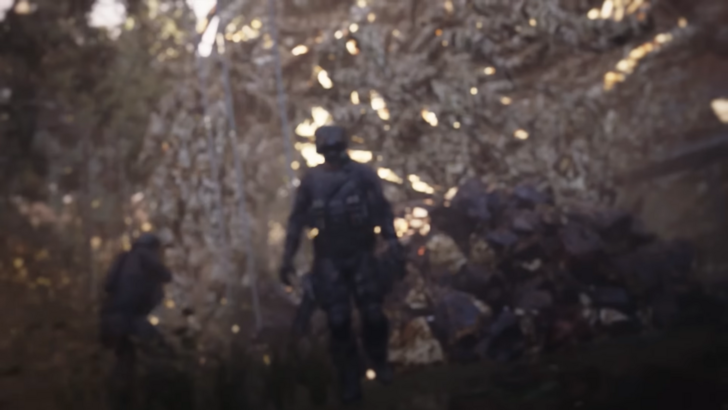
Blue Umbrella represents a deliberate attempt at corporate image control. Its equipment, anti-B.O.W. tactics, and cooperation with international organizations position it as a counter-bioterrorism group rather than a pharmaceutical front. Yet its existence immediately introduces moral ambiguity. The same brand responsible for Raccoon City is now presented as a partner in global security, raising unresolved questions about accountability, internal leadership, and whether this transformation is genuine reform or strategic rehabilitation.
Blue Umbrella deploys advanced weaponry specifically designed to combat B.O.W.s, much of it derived from the company’s original research. Its effectiveness in the Baker incident demonstrates that the data and development infrastructure of the old corporation never disappeared; they were reorganized. In contrast to Neo-Umbrella’s use of the name as a weapon of fear, Blue Umbrella uses it as a tool for legitimacy.
Resident Evil Village (2021): Umbrella’s Ancient Roots
Oswell Spencer’s Connection to Mother Miranda
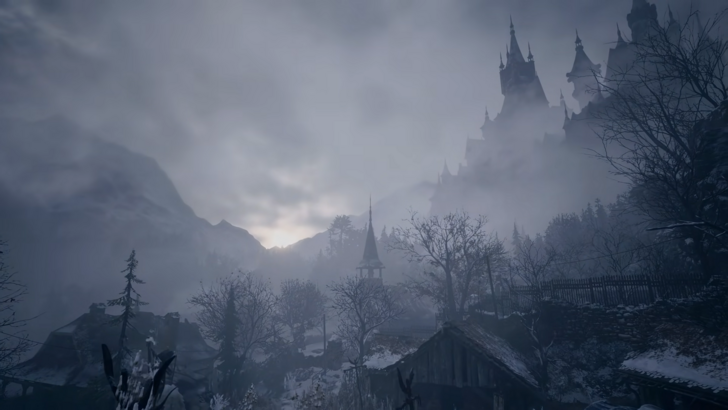
Resident Evil Village completes one of the longest-running narrative loops in the series by revealing that Umbrella’s story began with a chance encounter in a remote European village. As Ethan Winters searches for his kidnapped daughter, the game uncovers the history of Mother Miranda, a researcher whose experiments with a mutamycete predate the founding of Umbrella by decades. Through her, the origins of the franchise’s modern bioweapons are pushed further back than ever before.
The link comes through a young Oswell E. Spencer, who becomes Miranda's student and is directly influenced by her work and ideology. Miranda’s research into evolution, human perfection, and the use of a biological agent to transcend death becomes the conceptual foundation for Spencer’s later ambitions. When he eventually establishes Umbrella, even its name and corporate symbol are inspired by the village’s iconography.
Inherited Scientific Legacy
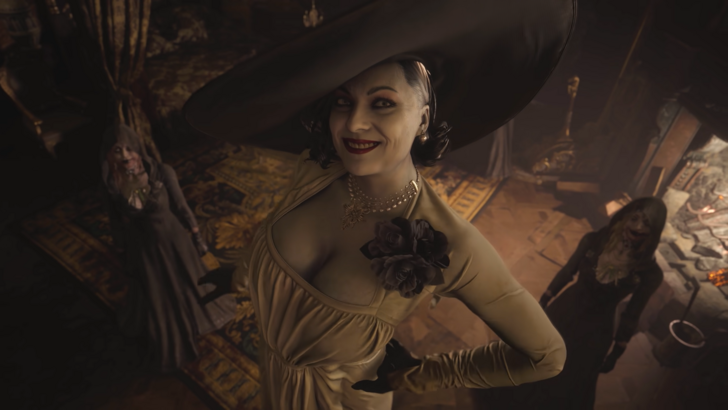
This revelation connects the Mold, the Progenitor Virus, and the entire lineage of Umbrella’s experiments into a single intellectual inheritance. Spencer’s dream of guiding humanity’s evolution—as revealed in Resident Evil 5—is an adaptation of Miranda’s beliefs filtered through science and global industry. In doing so, Village bridges the gap between the series’ modern bioterror threats and its earliest conspiracies, turning Umbrella into part of a much longer chain rather than the starting point.
At the same time, the game reinforces how far the world has moved beyond Umbrella as an active corporation. There is no direct Umbrella presence in the village, yet its founder’s legacy defines the entire conflict. The BSAA’s controversial deployment of bioweapon soldiers in the ending shows how even the organizations created to fight bioterrorism have begun to mirror the same ethical compromises, suggesting that Umbrella’s influence now persists less as a company and more as a methodology.
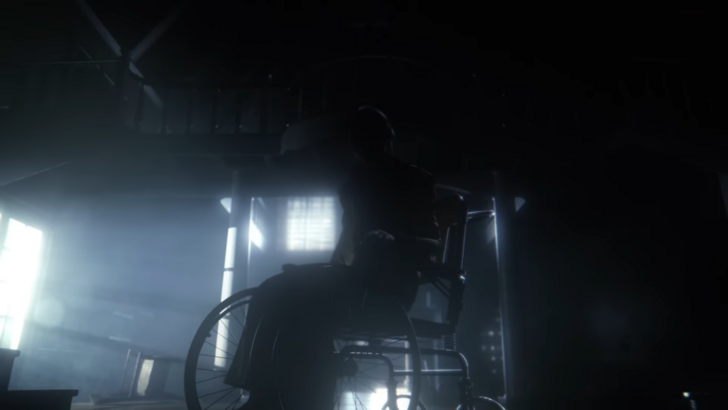
By tying Spencer’s origin to Mother Miranda and placing that revelation at the end of Ethan’s story, Resident Evil Village unifies the franchise’s past and present. Umbrella is the product of a philosophy that has been evolving for generations. In tracing that lineage back to its source, the series transforms Umbrella from a fallen corporation into a historical inevitability, linking every era of Resident Evil to a single, shared origin.
Resident Evil Requiem: Returning to Umbrella’s Ground Zero
Victor Gideon and the Elpis Project
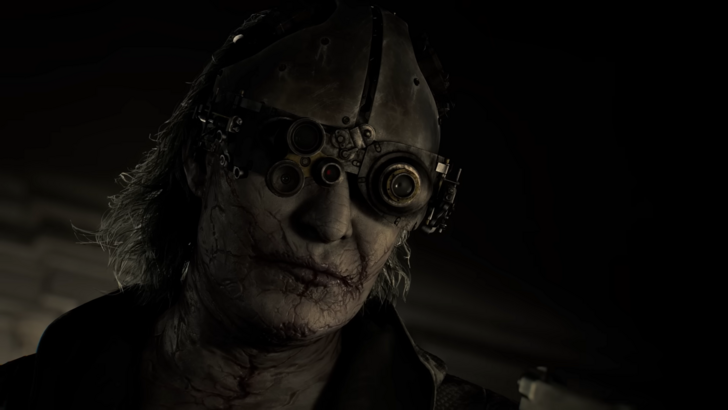
Three decades after the destruction of Raccoon City, Resident Evil Requiem brings the series back to the physical and thematic origin point of the outbreak that first exposed Umbrella to the world. Set in 2026, the game revisits the crater left behind by the government-sanctioned sterilization strike, reframing it not as a closed chapter, but as an active site of unfinished history.
Umbrella returns not as a corporation, but through one of its surviving architects. Victor Gideon, a former company researcher, has continued its work in secret under the Rhodes Hill Chronic Care Center, pursuing a project tied to Spencer’s long-theorized Elpis program. His fixation on Grace is rooted in the belief that she is the key to completing that research—the culmination of Umbrella’s evolutionary ambitions. In a reversal that complicates the founders’ legacy, Spencer’s role is also recontextualized wherein late in his life, he appears to have abandoned his original eugenics doctrine and redirected Elpis toward the creation of a true countermeasure, an ultimate anti-virus. As with much of Resident Evil’s deeper history, the intent, timeline, and extent of that change remain only partially understood.
A Bigger Government Conspiracy
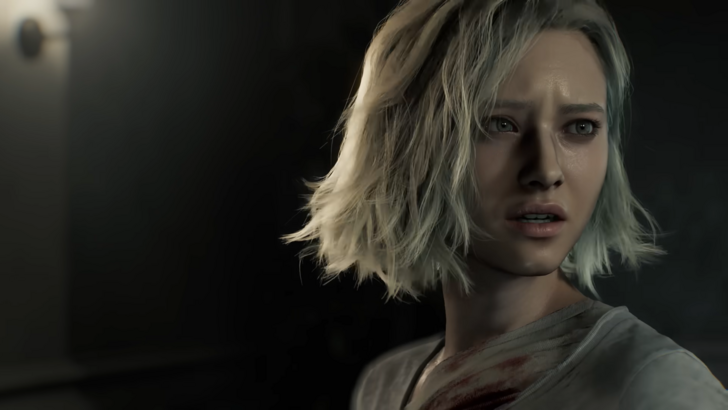
The game also reframes the destruction of Raccoon City itself. What was once presented as a last-resort containment measure is now suggested to have been influenced by covert alliances between the U.S. government and more powerful external interests—most likely the same network behind The Connections. In this light, the sterilization strike becomes not just an act of erasure, but a strategic seizure, carried out to secure control over Umbrella’s research, assets, and long-term bioweapons potential.
That conspiracy extends into the present through the revelation that the BSAA has been compromised, reinforcing a pattern that has defined the post-Umbrella era wherein every organization formed to fight bioterrorism is eventually controlled by the same forces it was created to oppose.
Umbrella’s Story In A Timeline
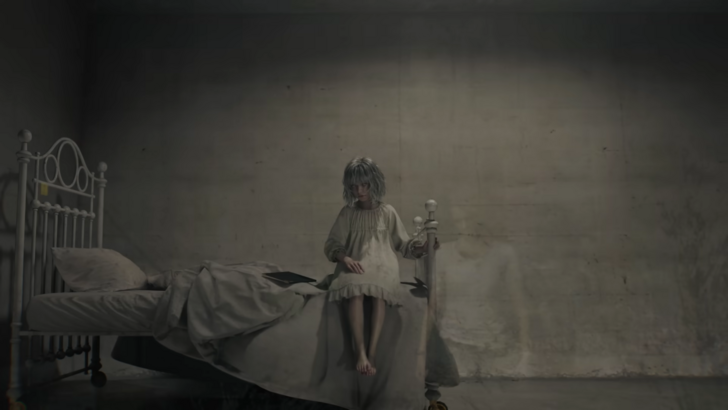
Viewed in release order, Umbrella’s role mirrors how players gradually uncover its secrets. But within the universe’s internal chronology, its history forms a much longer and more continuous chain. The timeline below follows that progression in-universe, showing how a single discovery evolves into a world permanently shaped by its consequences.
1950s
⚫︎ Mother Miranda begins her experiments with the mutamycete in a remote European village.
⚫︎ Young Oswell E. Spencer becomes her student and continues the research into evolution and biological transcendence.
1960s
⚫︎ Spencer, Edward Ashford, and James Marcus discover the Progenitor Virus in Africa.
⚫︎ Umbrella is established as a pharmaceutical company to fund viral research and Spencer’s long-term eugenics-driven vision.
1970s-1980s
⚫︎ Marcus develops the T-Virus as a derivative of Progenitor.
⚫︎ Spencer orders Marcus’ assassination, consolidating control over the company.
⚫︎ Umbrella expands into a global corporation, constructing laboratories and training facilities.
1998
⚫︎ The Arklay Mansion incident exposes Umbrella’s illegal experiments.
⚫︎ The T-Virus spreads through Raccoon City after William Birkin’s G-Virus is seized.
⚫︎ The U.S. government sterilizes the city, triggering worldwide investigations into Umbrella.
Early 2000s
⚫︎ Umbrella loses its remaining assets and declares bankruptcy.
⚫︎ Its research is stolen, sold, or absorbed into the emerging bioweapons black market.
Mid-2000s
⚫︎ Rival organizations and corporations begin developing their own B.O.W.s using Umbrella-derived data.
⚫︎ Albert Wesker attempts to carry out Spencer’s original plan using Uroboros.
⚫︎ Tricell secretly inherits much of Umbrella’s infrastructure.
2010s
⚫︎ Neo-Umbrella uses the company’s name as a tool of global bioterrorism.
⚫︎ Blue Umbrella claims to be a reformed anti-B.O.W. organization.
2020s
⚫︎ The BSAA and other groups employ bioweapon-based tactics derived from Umbrella’s research.
⚫︎ The long-term consequences of Raccoon City and early viral exposure continue to surface.
⚫︎ Investigations return to the ruins of the city, treating it as an unresolved historical crime scene.
Umbrella’s Role Evolved With the Franchise
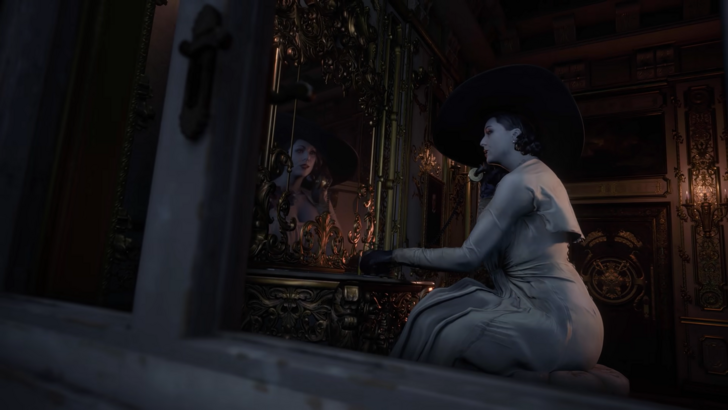
Umbrella began as a straightforward antagonist—a hidden corporation responsible for the Spencer Mansion incident and the destruction of Raccoon City—but over time it transformed into something far more complex. Across the entire franchise, the most consistent pattern is that Umbrella is never truly gone; it only changes form. It begins as a corporation, becomes a global conspiracy, collapses into a black-market ecosystem, reappears as both a symbol of terror and a supposed force for good, and ultimately settles into history as the origin point of the modern bioterror age.
This is why Capcom continues to circle back to Umbrella. It is not simply nostalgia or brand recognition, but rather, it is the narrative foundation that connects every phase of Resident Evil. Whenever the series introduces a new threat, its impact becomes stronger when it can be traced back to that original sin in the Arklay Mountains. Umbrella provides continuity across radically different tones, gameplay styles, and generations of characters. It allows new stories to feel connected to the past without requiring the corporation itself to still be active.
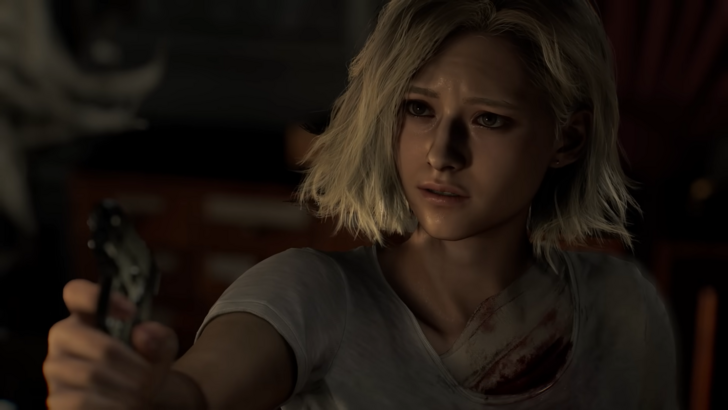
In that sense, following Umbrella through Resident Evil is about tracking the evolution of the series itself. As the franchise moves forward, the question is no longer whether Umbrella will return, but how its legacy will continue to shape the world.
Sources:
Resident Evil Portal - History Page
Resident Evil History Part 1
Resident Evil History Part 2
Resident Evil’s Legacy—Road to Requiem
Image Sources:
Welcome to Raccoon City
Resident Evil Trailer
Resident Evil 0 Trailer
Resident Evil 2 Trailer
Resident Evil 3 Trailer
Resident Evil 5 Trailer
Resident Evil 6 Trailer
Resident Evil 7 Trailer
Resident Evil 8 Trailer
Resident Evil 9 Trailer
- Images used for Code:Veronica and Resident Evil 4 are all original.
You may also like...
 |
Resident Evil Requiem Review |
 |
Resident Evil 4 Remake Review |
 |
Resident Evil Outbreak Review |
 |
RESIDENT EVIL Survival Unit |
 |
Resident Evil in a Nutshell: The Whole Story Explained |







Hello, quick question — would you want 200–500 people uploading your video content? I’ve been testing this through TokEarners where users upload videos to boost reach. You can check TokEarners and see the setup. Worth testing with a small batch.