

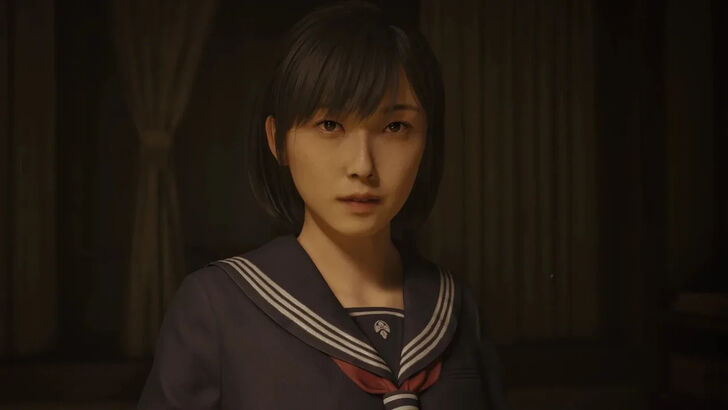
Silent Hill f’s story almost took a more classic approach until deciding to focus around Japanese mythology and culture. Read on to find out what Silent Hill f’s narrative could have been.
Silent Hill f Team Gives A Look Into The Creation of Its Story
A Different Silent Hill f Experience
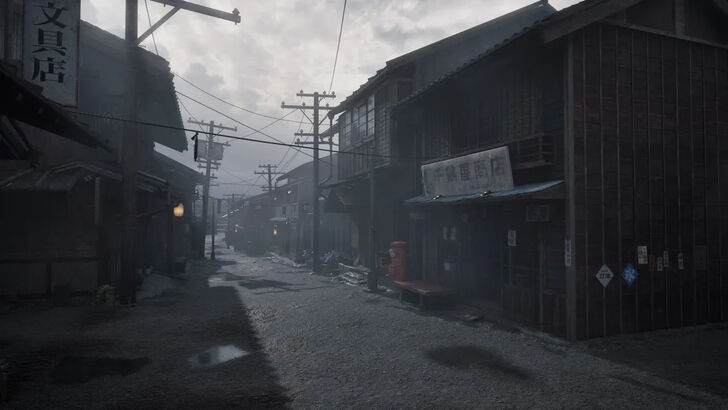
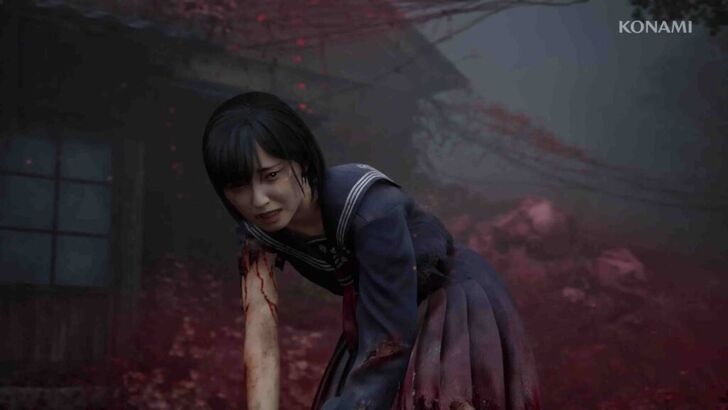
Silent Hill f’s story was almost wildly different from its current iteration, with writer Ryukishi07 and producer Motoi Okamoto noting that the team initially wanted to make the game much more similar to previous entries in the franchise. The long-awaited horror game initially took shape as a more standard Silent Hill experience set in Japan, but the team was confident that Western audiences would be more receptive to the new direction of the franchise.
In an interview with Dengeki Online, Ryukishi07 detailed the original vision for Silent Hill f’s narrative, noting that he strongly considered a "literal Japanese cult" as the main antagonist, similar to how The Order functioned in previous Silent Hill games as an overarching antagonistic figure. However, after discussing this with Okamoto they decided to make the narrative more focused around unique aspects of Japanese mythology and religion.
A More Shintoist Approach to Silent Hill
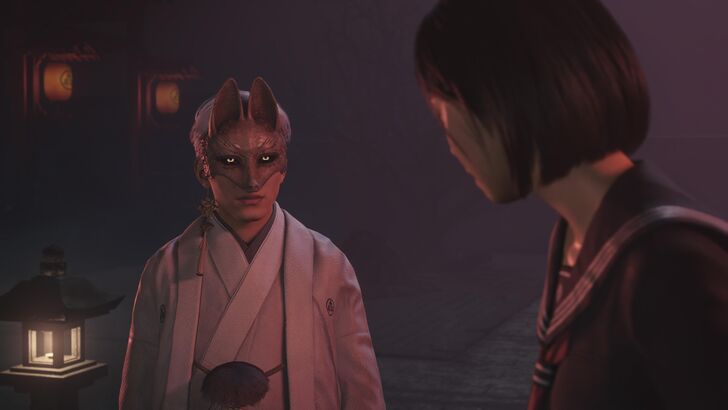
As the first game in the series set in Japan, Silent Hill f draws great inspiration from Shintoism and Japanese mythology, most notably with the Shinto-inspired fox deity Inari-sama being a central figure throughout the game, for its themes and story. This was done because Ryukishi and Sakamoto wanted an experience that was unique to Japan and reflected the differences between Japanese and Western religions and cultures.
"There are differences in religious views between overseas and Japan, and previous Silent Hill games have been made in the Christian world, with a religious view that there is an absolute god," Ryukishi07 states. Now that Silent Hill f is set in Japan, a polytheistic culture with eight million gods, the team intended to explore those differences throughout the game.
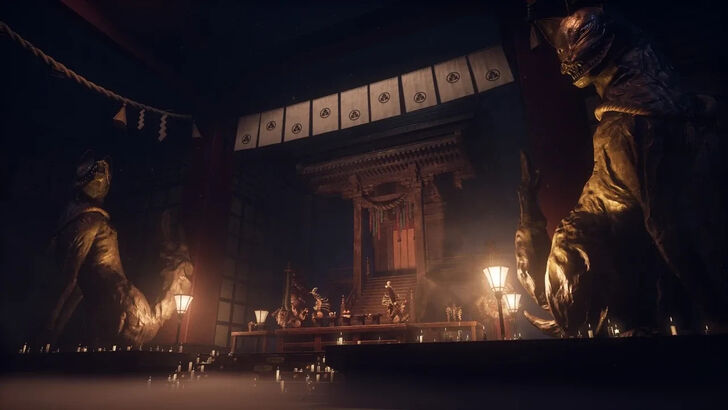
An interesting point that the developers brought up was how Japanese gods had a closer, but more transactional relationship with humanity due to the nature of polytheism and traditional shrine offerings. Ryukishi07 notes that "from the gods' point of view, it seems like they don't really care about humans if they don't believe in them," and that "they only give back in return because people respect them, and if they don't show any respect, they're [indifferent]." This is explored in Silent Hill f’s focus on Offerings to Inari-sama, being both an overarching narrative point and a key gameplay mechanic.
Silent Hill’s integration of religious themes and cultures in the games is nothing new, with The Order being an example of a story element that took inspiration from Christianity and Paganism to leverage the series’ deconstruction of religious fanaticism. In fact, it was this long-standing precedent that helped Ryukichi07 and Okamoto feel more confident in the game’s new thematic and narrative direction.
The Silent Hill f Developers Trusts the Fans
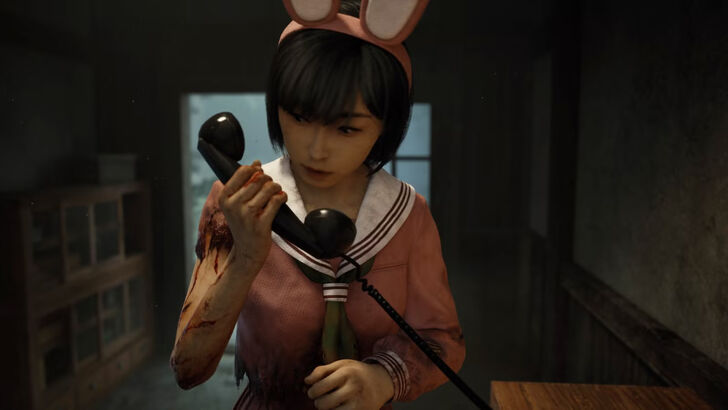
Ryukishi07 and Okamoto stated that they trusted that fans would be able to appreciate these narrative and thematic changes, having high hopes that overseas players would be able to digest their integration in the story. This isn’t the only major change that Silent Hill f has brought to the franchise, as the game includes a plethora of brand-new combat, exploration, and gameplay changes that add up to a fresh Silent Hill experience.
These changes have paid off for the team, thankfully, as Silent Hill f now stands as one of the most critically acclaimed games of the year. Game8 gave it a glowing score of 96 for its gripping and unpredictable story, haunting graphics, and clever puzzles. Read our review of the game here:
Silent Hill f also marks a significant comeback for the series, being the first mainline entry since 2012’s Silent Hill: Downpour. Konami noted that Silent Hill f is part of an overall effort to take the franchise seriously and to ensure its future success, having announced it alongside the Silent Hill 2 remake and the upcoming Silent Hill: Downfall.
Sources:
An interview with spoilers for Silent Hill F.
We asked Ryukishi07 about the meaning of f,
rejected ideas, the words at the end of the first playthrough, and other hints and some of the answers.
Silent Hill f was initially supposed to take on a more classic religious cult narrative, but the devs trusted global players to grasp a fully Japanese mythological worldview
Silent Hill's Roadmap Shows Konami is Finally Taking it Seriously