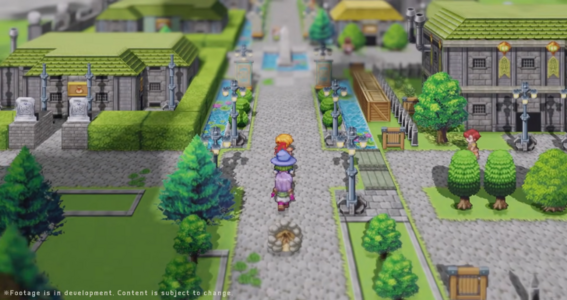


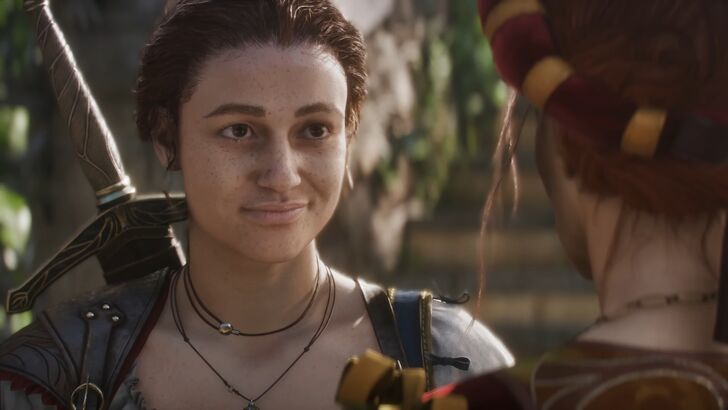
Fable just received a brand new gameplay trailer during the recent Xbox Developer Direct. Read our breakdown of the game's story, world, and what we think its place will be in the Fable timeline.
Fable New Gameplay Footage Released
Fable has finally received a release date and a gameplay trailer at the recent Xbox Developer Direct! The fabled reboot has been slated for release during Fall 2026 for Xbox Series X|S, PC, and PlayStation 5. A new gameplay showcase highlights many aspects of the original game that fans have loved, including the game's satirical humor, medieval fantasy world, and complicated morality systems, alongside some welcome new additions for the series. For more on this, check out our deep dive below!
Meet the New Albion, Same as the Old Albion
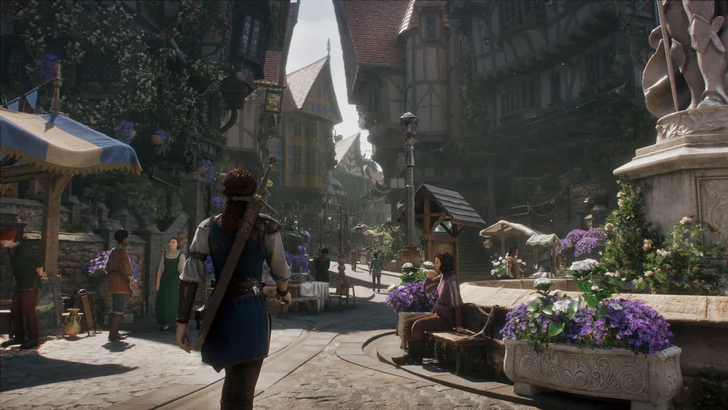
Fable's whimsical and rich fairytale world is back in a much bigger way, as the Fable team at Playground Games has shown brand new iterations of classic locations from the series reimagined for a vast open-world. Bowerstone, the capital city of Albion and a central location in the original series, retains a lot of its more iconic landmarks, such as the Heroes' Guild, Fairfax Castle, and the Old Clock Tower. It is also a larger and more vibrant city now, with thousands of "handcrafted" NPCs with their own individual personalities and stories to interact with.
The world has also expanded beyond Bowerstone as Fable becomes the first ever open-world game in the series, promising adventures all across Albion's mountains, coastlines, and different locales such as the lawless port town of Bloodstone from Fable II. Players can explore Albion however they wish after the prologue, with a rich plethora of different side quests and content waiting for adventurers regardless of their approach to the game.
In Fable, You Design and Define Your Destiny
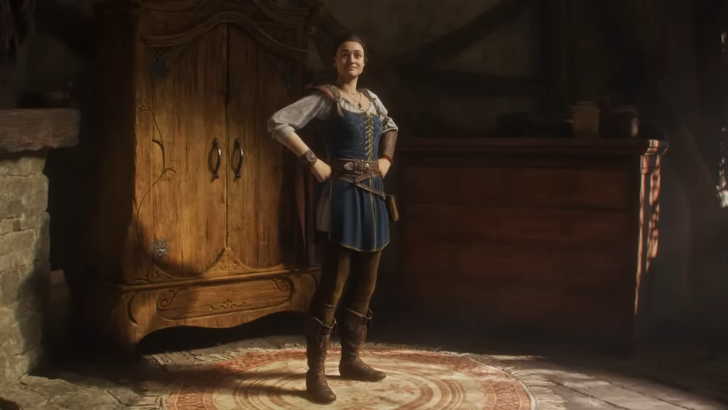
Fable's open-endedness is seen through how the player can interact with the world, with long-requested features like character customization being added to the game alongside an evolution of the original trilogy's combat system. Players can now design their characters with different cosmetics, such as clothes, shoes, and armor pieces, but not much is known if this will affect player stats similar to the original Fable.
Combat, meanwhile, has been rehauled and made more fluid with a mix of ranged and melee weapons as well as magic. Players can opt to use any weapon they find, from greatswords to hammers, or even just run a pure magic or ranged build.
A Living, Breathing Medieval Fantasy World
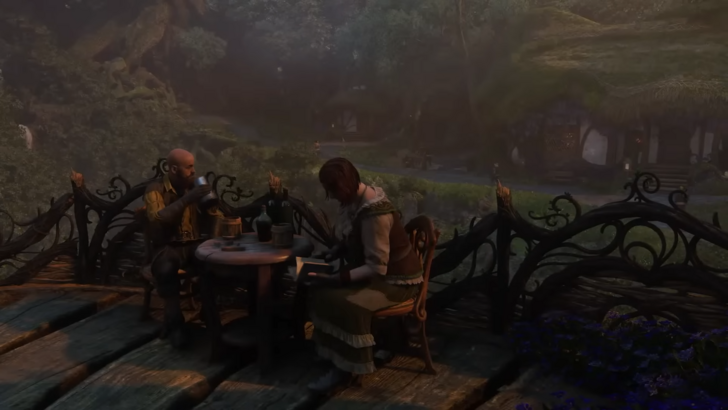
True to its predecessors, Fable presents Albion not just as a setting where a story happens, but as a fully-fleshed out world with living cities and bustling economies, and as the player, you have to carve your own place in that world. As mentioned earlier, the game contains a "Living Population" system that hosts more than a thousand NPCs with their own daily routines, stories, and personalities. Players can interact with these NPCs in a limitless number of ways, from hiring some for your business to being able to marry one, if not all of them.
Speaking of which, Fable will let players pursue the greatest fantasy of all: building their own families and purchasing both residential and business properties. Your player character can buy as much property and marry as many NPCs as they'd like (for the latter, this can be done regardless of gender, much like in the older Fable games), but these actions will play a large part in the game's overall morality and reputation system, a staple of the original Fable trilogy.
The People of Albion Are Judging You
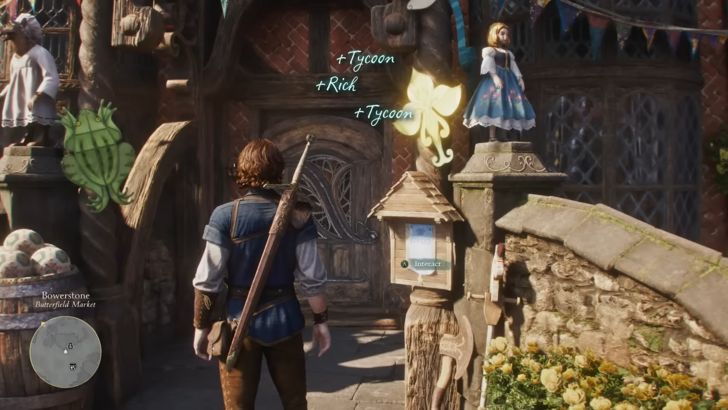
One of the most iconic and beloved parts of the original Fable games is the morality system and reputation system, which is deeply affected by your actions in Albion. This new entry has a slightly different approach to morality, though, as the developers have opted for a more nuanced and subjective approach as opposed to the more good vs. evil morality system of the original games.
Now, every action you make, from grand story-altering decisions to purchasing property to everyday dialogue options with individual people and even kicking chickens, will shape how the game's population sees you in different ways. Some characters may perceive your actions as impressive, or evil, or boastful, or heroic, depending on their own personality and how you've treated them, and will remember actions you've taken towards them and others. As the developers put it, "We'll never judge you, but the people of Albion will — loudly!"
A Petrifying Mystery Wrapped in British Humour
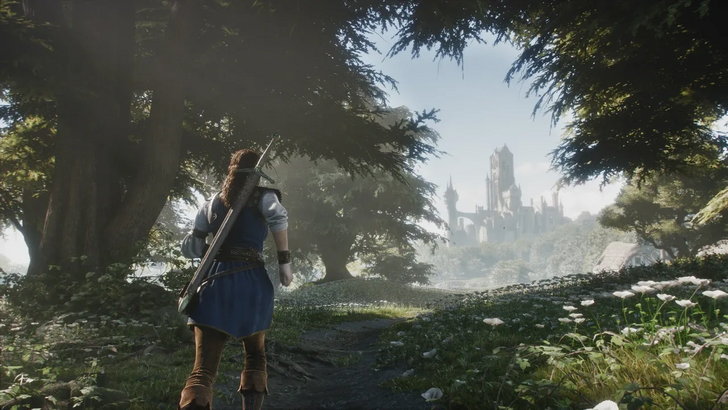
Fable is, interestingly, a series that deals in melding contrasts together. Good vs. evil, grand-scale fantasy vs. whimsical fairytales, and an increasingly detailed and realistic world with fantastical beasts, magic, and powers are all overarching and dichotomous parts of the Fable games that players bring together in their own unique way through their choices. This theme extends to the game's overall narrative, which sees a series of dark and desolate stories told through Fable's classic British Humour and sarcastic wit.
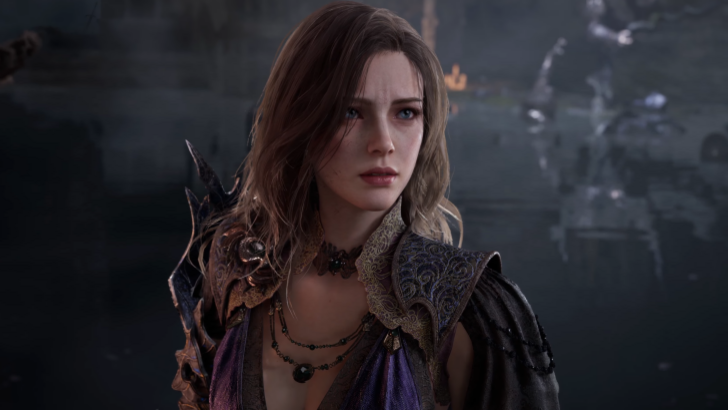
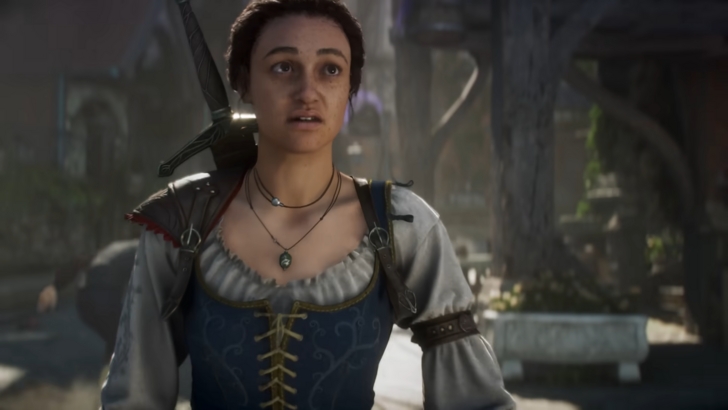
The new Fable game sees you as Albion's first hero in a generation, uncovering the mystery of your grandmother and village's petrification at the hand of a mysterious wizard while navigating the politics and dangers of Albion. Your character will be investigating your community's fate by joining the legendary and now-desolate Heroes Guild from prior games, still being led by retired guildmaster Humphrey the Golden. All the while, wars and conflicts rage on all over Albion, such as the town of Bloodstone, which has been overrun by two warring factions and hosts the notorious Cult of Shadows.
A Distant Connection to the Original Trilogy
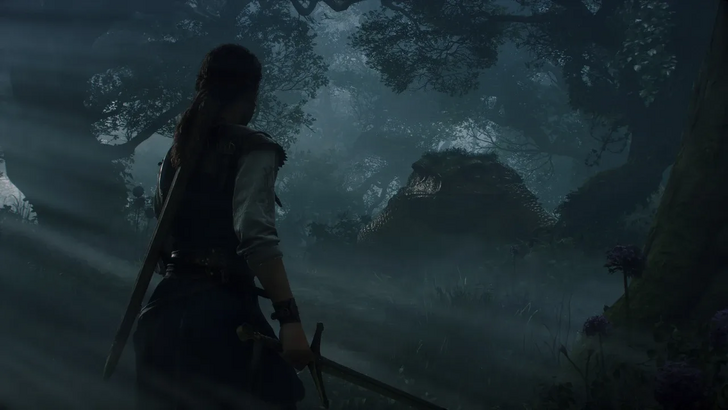
While the new Fable is, for the most part, a fresh reboot of the series, the inclusion of legacy characters and story elements like Humphrey, the Heroes Guild, the Cult of Shadows, and even returning enemies from the original trilogy indicates a connection to the Fable games of old. Playground Games manager Ralph Fulton also noted in an interview that the game would "do share lore and some of that originating lore of the Fable universe."
Speculation has been running rampant amongst Fable fans on how, if at all, this new reboot will be connected to the original games, and because of how little we know about the story so far, there seem to be multiple possibilities. Before we give our take on this, though, it’s also entirely possible that Fulton's quote only refers to preserving key parts of the Fable mythos (the Heroes Guild, Bowerstone, etc) instead of the whole overarching narrative, and that the game will remain a clean continuity reset much like DC Comics' New 52 storyline. Take our speculation with a grain of salt!
Bloodstone's Strange Power Struggle
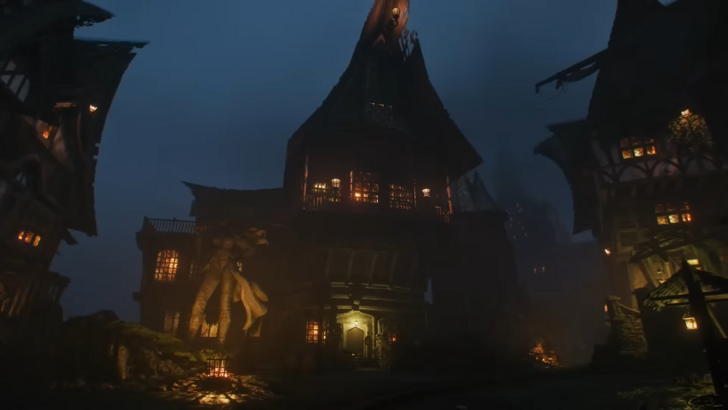
Finding out how the Fable reboot connects to the original trilogy is an arduous task given the lack of information surrounding the story, but a hint could be found in the presence of Bloodstone and the possible inclusion of the Wraithmarsh, which was hinted at during the showcase. The newly found power struggle between the two warring gangs in the town of Bloodstone is quite confounding, considering that the town has been ruled in the last two mainline Fable games by ex-pirate turned ruthless, narcissistic tycoon and de facto town leader, Reaver.
The Hero of Will and an expert marksman, Reaver is a major supporting character that's appeared as a sort of morally ambiguous ally in Fable II and III. He ends up making a pact of eternal youth with the Shadow Court 200 years before the events of Fable II, essentially becoming immortal in exchange for the destruction of his hometown of Oakvale
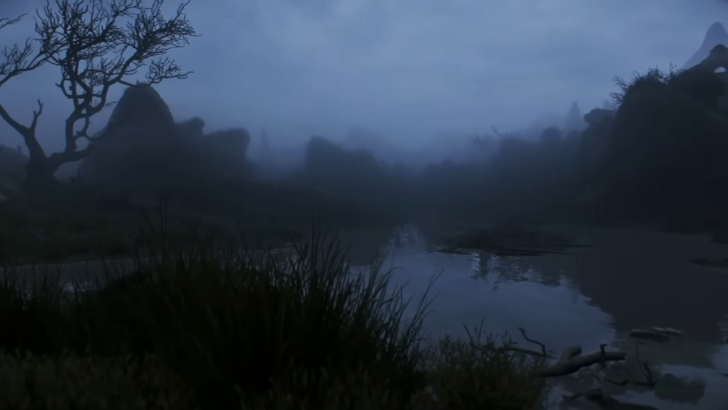
Assuming a closer connection to the original trilogy, Reaver's immortality should, in theory, still make him the leader of Bloodstone and a defining force in the area regardless of the game's place in the Fable timeline. It is indeed possible, in fact, that Reaver is operating within the shadows of Bloodstone's warring gangs and manipulating its outcome. However, so far it seems like Reaver isn't in this game as Bloodstone's leader since he wasn't mentioned in the same way that Humphrey was talked about alongside the Heroes' Guild.
Reaver's absence, the presence of the Shadow Cult, and the general power vacuum in the town (which, knowing Reaver, he would never let factions like these vye for power in his town without being involved in a very direct and Machiavellian way) could indicate that the game takes place sometime before the events of Fable I, since this would be just enough time for Bloodstone to become an established, lawless town and for the Wraithmarsh to form from the ruins of Oakvale.
The Question of Fable's Timeline
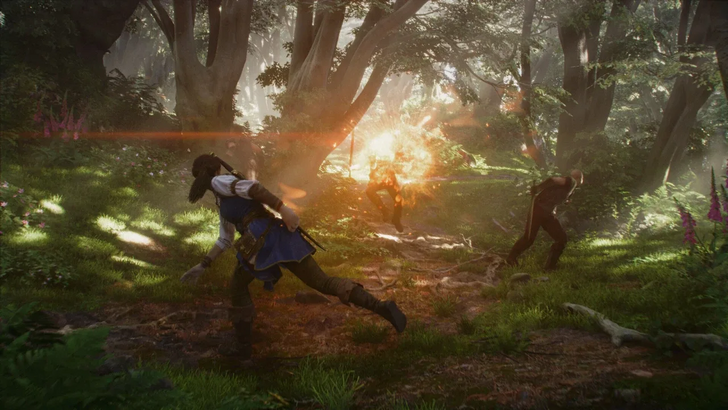
Speculation surrounding Fable already concerns so many assumptions surrounding canon and the game's connections to the original trilogy that still remain in limbo, but its place in the overall Fable timeline might be the simplest one. In fact, it seems clear that if the new Fable title does have a closer connection to the original trilogy, then it takes place in between Fable I and II, perhaps much closer to the first game than we expect.
Fable I takes place 100 years before the events of Fable II, which notably contains a much more technologically advanced society with weaponry like guns being prominent throughout Albion. Fable (2026), as shown in the showcase, remains much more medieval and fantasy-inspired, similar to the first Fable, with the developers citing games like The Elder Scrolls V: Skyrim and The Witcher 3: Wild Hunt as direct inspirations.
Bloodstone's prominence also points to this, since it only became a town after the events of the first Fable, when the Hero of Oakvale destroys the Twinvale Bandit camp and the town becomes established as a port on its grounds. The Wraithmarsh, which is also hinted at in Fable (2026), also can't exist without Reaver's deal with the Shadow Court, which could exist as the Cult of Shadows in this continuity, so the notorious pirate could have already made his deal and is awaiting a chance to seize control of Bloodstone.
Humphrey the Golden and a Lineage of Heroes
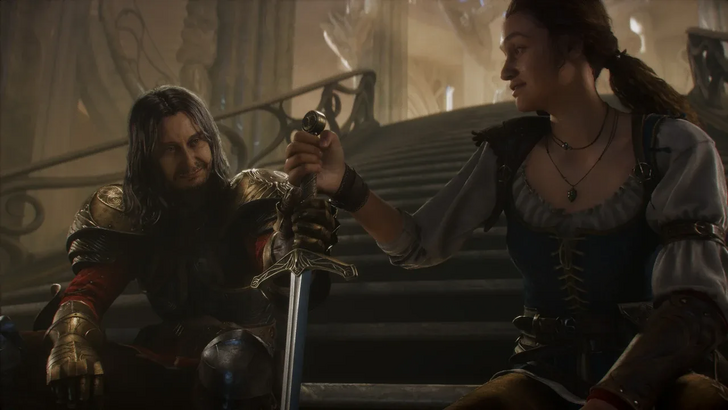
The clearest evidence to support this, though, is Humphrey the Golden's presence as the retired leader of the now-defunct Heroes' Guild. In the events of Fable I, a revolt was staged against the Heroes' Guild because of the organization's corruption into a mercenary, bounty-hunting organization that had forgotten their values.
One of the trailers described Humphrey as an old and "jaded" guildmaster that presides over a dying guild, which makes sense considering its downfall. His appearance in the game, then, brings the Fable reboot much closer to the first game since he doesn't appear in either Fable II or III, and the timeline adds up perfectly to his age and attitude surrounding heroism.
Knowing this, then, it's highly likely that the protagonist is a descendant of the Hero of Oakvale, the protagonist of the first Fable. The game describes your protagonist as " the first hero in a generation" as opposed to the last of the Archon Bloodline, which is how the heroes of Fable II and III were described.
Fable (2026) Lives Up to Its Fairytale Storytelling
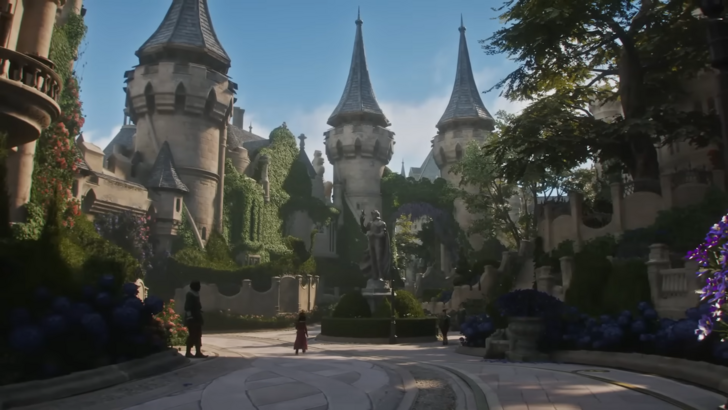
Fable, as a reboot to a long-running and long-dormant series, is definitely shooting to make itself heavily accessible to fans new and old in both its gameplay and its story. In this case, the game looks very similar to The Legend of Zelda: Breath of the Wild, an open-world reimagining of an established franchise that fractures off from a singular timeline, cherry-picks elements that worked in the original games, and promises to let players approach the game however they wish.
More than this, though, Fable's new narrative could also embody its goal of being a fantasy fairytale, a retelling of a whimsical story that changes over time. Fairytales, from their evolution as traditional, orally-delivered stories to literary children's classics to films and television, have always had certain aspects of themselves changed and refitted over time, as the core skeleton of the story remains intact. In this case, Fable's commitment to both maintaining the core of the series while evolving the parts that need changing looks like it will be fulfilling that vision handily.
Fable (2026) is slated for an Autumn 2026 release on PlayStation 5, PC, and Xbox Series X|S. For more on the upcoming open-world action RPG, read our article below!
Sources:
Fable Gameplay Overview | Xbox Developer Direct 2026
Fable: Answering the Big Questions After that Long-Awaited Developer_Direct Deep-Dive
We've Been Working on This Game for a Really, Really Long Time' — the Big Fable Interview With Microsoft Developer Playground
Xbox Developer_Direct 2026 Recap: Everything Revealed, Including a Surprise New Double Fine Game