| Yakuza Kiwami 3 & Dark Ties | |||
|---|---|---|---|
| Release Date | Gameplay & Story | Pre-Order & DLC | Review |
Overview
What is Yakuza Kiwami 3 & Dark Ties?
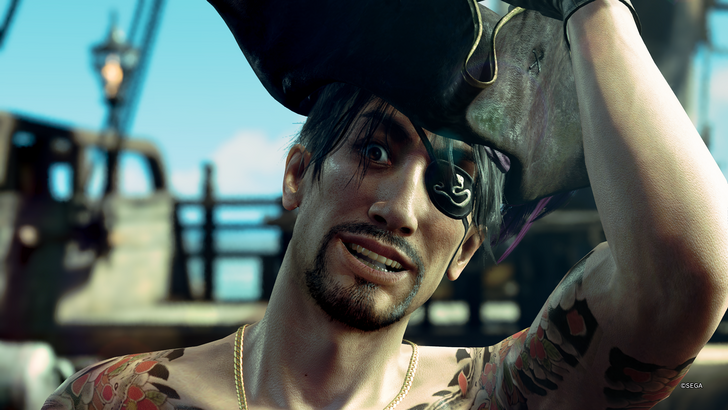
Yakuza Kiwami 3 & Dark Ties is an action-adventure RPG developed by Ryu Ga Gotoku Studio (Yakuza Series) and published by SEGA. Described as a "two-in-one experience," Yakuza Kiwami 3 & Dark Ties includes a full remake of Yakuza 3 which was originally released in February 26, 2009 and Dark Ties, a brand new game that features the perspective of Yakuza 3’s main antagonist, Yoshitaka Mine.
Yakuza Kiwami 3 & Dark Ties was released on February 12, 2026 for PC, PlayStation 5, Xbox Series X|S, Nintendo Switch 2, and PlayStation 4.
Yakuza Kiwami 3 & Dark Ties features:
⚫︎ Includes Brand-New Game and a Different Protagonist
⚫︎ Ryukyu Style Weapon Combat
⚫︎ Expanded morning Glory Management
⚫︎ Bad Boy Dragon: Biker Gang System
⚫︎ Survival Hell Roguelike
⚫︎ Modernized Visuals
For more gameplay details, read everything we know about Yakuza Kiwami 3 & Dark Ties' gameplay and story.
| Digital Storefronts | |||||||
|---|---|---|---|---|---|---|---|
 Steam Steam |
 PSN PSN |
||||||
 Xbox Xbox |
 eShop eShop |
||||||
| $59.99 | |||||||
Yakuza Kiwami 3 & Dark Ties Review: Like a Questionable Remake
No Need to Fix What Wasn’t Necessarily Broken
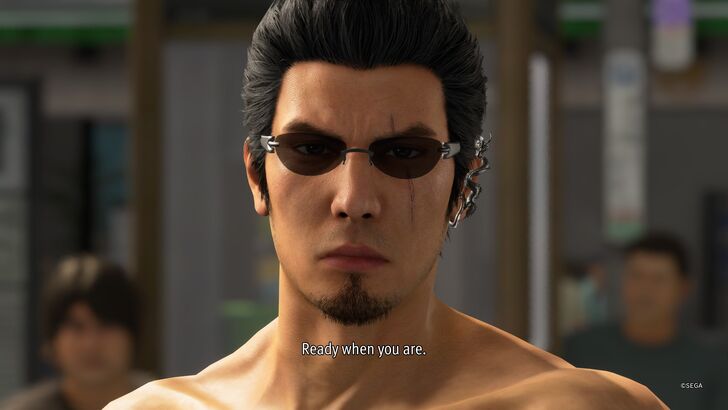
When we talk about video game remakes today, the conversation usually goes in one of two directions. On one hand, you have great remake projects like the Final Fantasy VII Remake Trilogy that aren’t afraid to tear up the original blueprint to build something new and necessary for a modern audience.
On the other hand, we’re seeing a lot of projects that only exist because a brand name is safe. The Last of Us remakes are, in my opinion, guilty of this. There are also outliers like the Until Dawn remake, which managed the rare feat of actually making the experience worse than it was before. It’s a crowded market where "new" doesn’t always mean "better," and "modern" doesn’t always mean "needed."
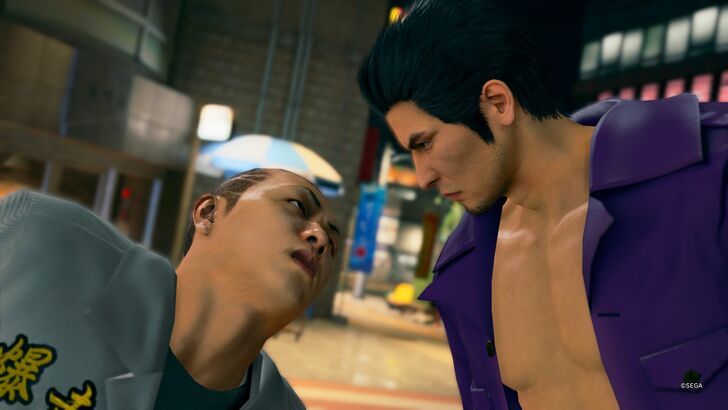
Yakuza Kiwami 3 & Dark Ties somehow manages to be all of these things at once. It’s a release that often feels unasked for because Yakuza 3 Remastered is still perfectly playable. Aside from some stiff combat and dated animations, that version captures the soul of Kiryu’s Okinawan vacation just fine. This remake tries to be ambitious by weaving in new story elements, but in doing so, it trips over its own feet. Instead of just cleaning up the rough edges, it introduces changes that actually make the broader series narrative messy and less impactful.
Yakuza 3 is nearly twenty years old now. If you’re like me and you decided to play through the series in order, jumping from the polished Dragon Engine of Kiwami 2 straight into Yakuza 3 Remastered is like a punch to the gut. The age gap is impossible to ignore. A Kiwami treatment should have been the perfect way to give its story the modern fluidity it deserves. However, what we actually got with Kiwami 3 & Dark Ties is a collection of changes that are questionable to say the least.
Dad Kiryu Deserved Better Than This
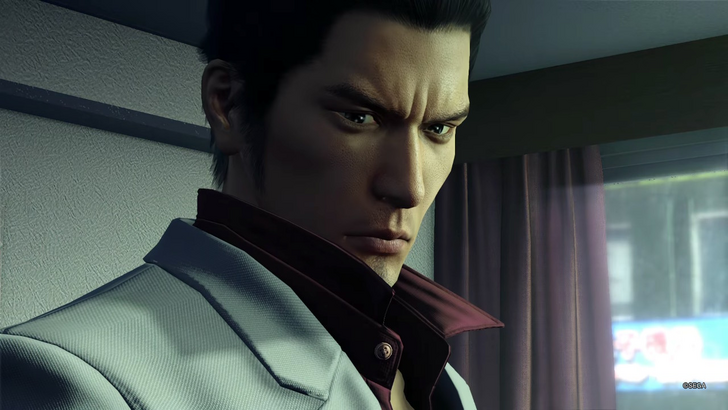
After the events of Yakuza 2, Kazuma Kiryu decides he has finally had enough of the Tokyo underworld. He leaves the neon streets of Kamurocho behind to head south to Okinawa, taking Haruka with him to run the Morning Glory orphanage. It’s a complete change in tone for the series. You go from dodging bullets and managing clan wars to making sure a group of kids has enough to eat and their homework is done.
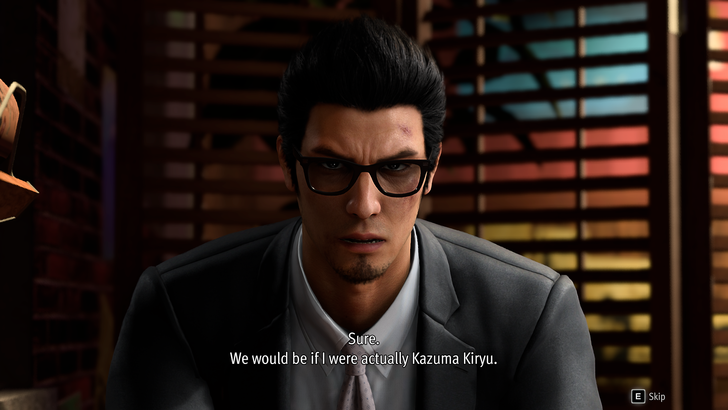
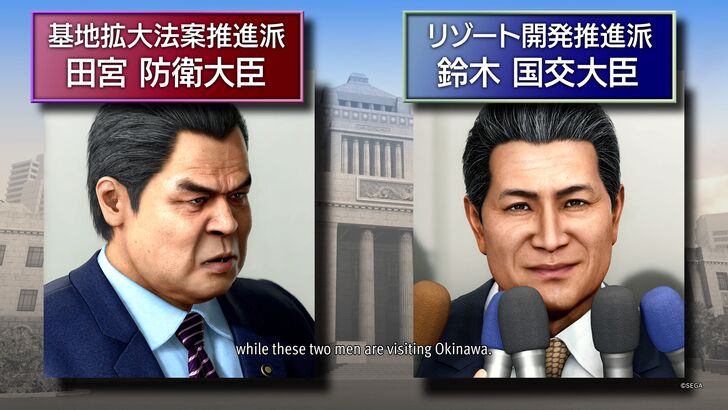
However, that peace doesn’t last long. A land deal involving a proposed military base and a resort project puts the orphanage’s property right in the crosshairs of local politicians and the Ryudo Family, a small-time yakuza group. Before long, Kiryu is pulled back into a massive conspiracy involving the Tojo Clan, the CIA, and a man who looks exactly like his deceased father figure, Shintaro Kazama.
The story here remains largely untouched from the original 2009 release, though it does feel a bit drawn out in this remake. The developers have unnecessarily recast some characters and added a handful of new cutscenes throughout the main campaign, but for the most part, these additions don’t contribute much to the plot. They often feel like filler meant to pad a runtime that’s already padded by substories. If anything, they break the pacing of a story that already took its time to get moving.
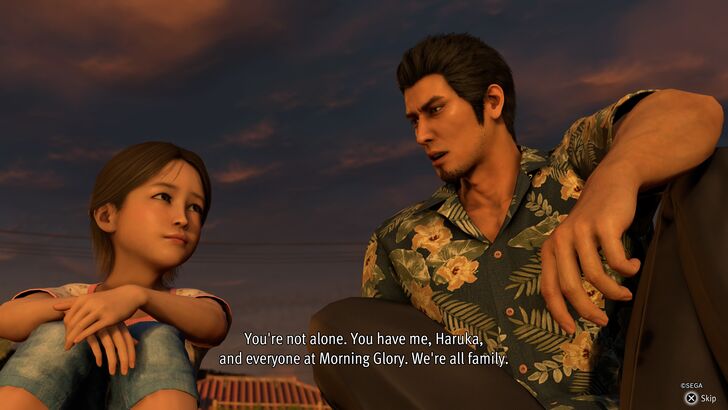
I still find the narrative of Yakuza 3 to be one of the more enjoyable entries in the franchise. This series has always been a Japanese crime drama that isn’t afraid to get goofy on the side, but the Dad Kiryu era is where the character feels most human.
After everything he went through in the first two games, he earned this break. I’ve always liked the segments where you were just spending time with his newfound family. Watching Kiryu navigate the small drama of Haruka, Izumi, and yes, even Taichi, provides a grounded reason for you to care about the stakes. When the political intrigue in Okinawa ramps up and threatens their home, the motivation to fight back is there.
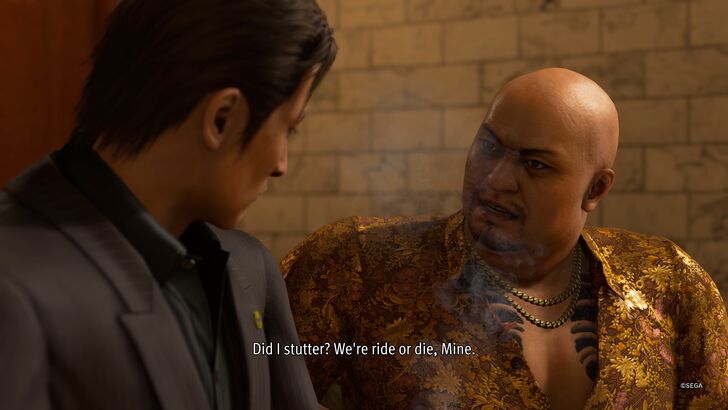
However, the way Kiwami 3 handles its legacy is where things start to get messy. This remake introduces some significant retcons regarding character deaths that were definitive in the original game. The Yakuza series is no stranger to bringing people back from the dead—usually through some convenient excuse involving rubber bullets or just somehow miraculously surviving a fatal wound—but what happens here is different.
These changes directly affect the continuity of the game that takes place later in the timeline. It creates a massive gap for anyone trying to follow the story as a cohesive whole.
Writer Masayoshi Yokoyama mentioned recently that Kiwami 3 was intended to birth "a new series." If that were the goal, then this remake is a confusing choice for newcomers to the franchise. If you are playing the game in chronological order, jumping from Kiwami 3 into Yakuza 4 will leave you with a distorted view of the timeline. It makes the experience frustrating for long-time fans who value the established lore, and it makes it even more difficult for new players to understand why certain characters behave the way they do in the later entries.
Trimming the Fat and Cutting the Soul
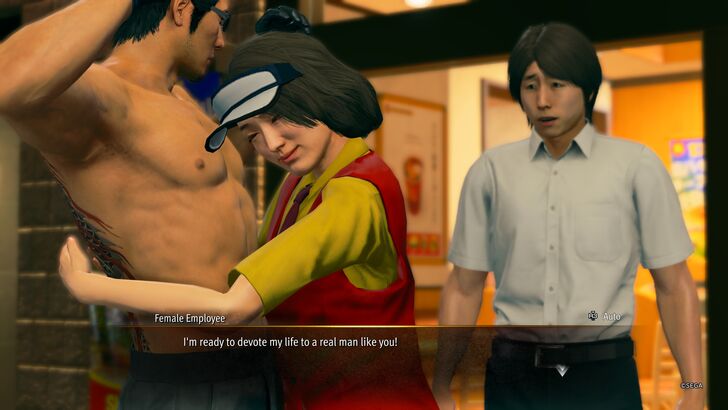
The changes in narrative direction lead us to one of the more perplexing changes in Yakuza Kiwami 3, which involves the large amount of cut content, specifically within the substories. Substories are essentially the lifeblood of the Yakuza experience. These are optional side quests that pop up as you explore the city, usually to offer a break from the more serious tone of the crime drama. They deepen the streets of Kamurocho and Okinawa.
In this remake, the number of substories has been significantly gutted. The original version of the game featured over a hundred of these encounters, but Kiwami 3 has trimmed that down to just a few dozen.
Personally, I’m not usually one to complain about cutting content if it means the remaining parts are higher quality. In the original Yakuza 3, the sheer volume of substories was honestly a bit miserable to navigate. You couldn’t run down a couple of streets without being stopped by a random NPC, which broke the pacing of the game and slowed everything down to a crawl. Many of those older quests were also nearly identical in structure, usually ending in a quick fight against some generic thugs.
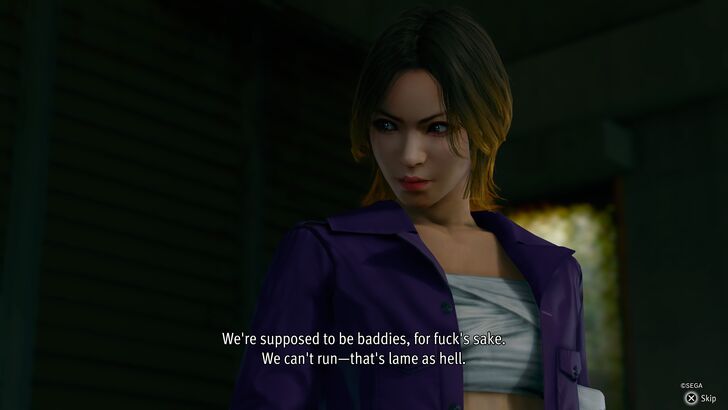
If the developers’ goal was to prune the list down to only the most meaningful and high-quality stories, I would have been perfectly fine with that. However, the execution here is baffling. They ended up cutting some of the most memorable and unique side content from the original game, such as the murder mystery at Cafe Alps.
And even with the reduced count, the game still suffers from pacing issues because of how it forces many of these side activities on you. I understand that the team wanted to improve the flow, but you are still constantly bombarded by people wanting to stop you in your tracks. Many of these encounters are mandatory, which is even more annoying.
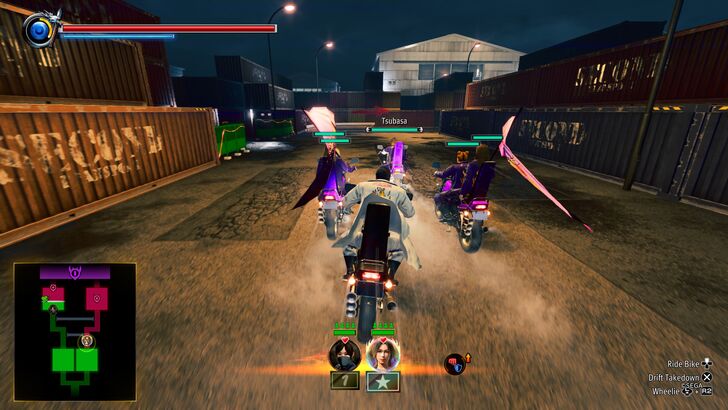
For example, early in the game, when Kiryu is just trying to walk home, he is stopped multiple times for forced tutorials. One of these introduces a gacha system where you spin a wheel to earn rewards like music CDs or cosmetics for Kiryu’s in-game phone. Right after that, you’re forced into another mandatory side story where you have to help a motorcycle gang of girls defend themselves from a rival group.
You are stuck seeing this through until you finish the first segment, all while Haruka is supposedly waiting for you at home in the middle of the night. It creates a disconnect where you know Kiryu is supposed to be home before sunrise, but the game won’t let you leave a parking lot until you raid a warehouse full of goons.
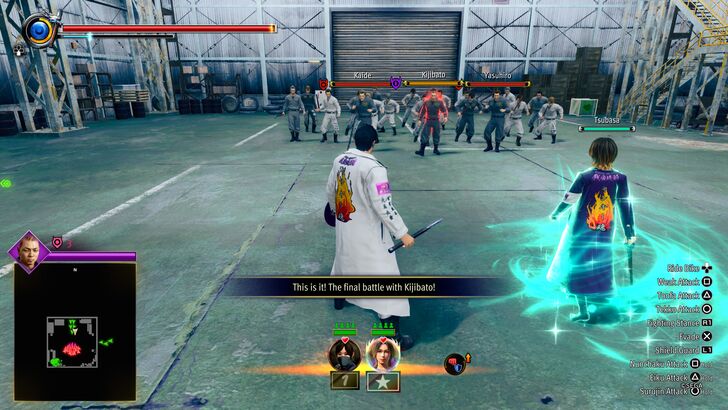
Regardless, a Yakuza game wouldn’t really feel right without a variety of minigames and side stories. Despite the forced introductions, some of the new content is actually decent. The motorcycle gang storyline, titled Bad Boy Dragon, features Kiryu and the Haisai Girls Gang protecting women from harassment on the streets. This eventually leads to large-scale gang fights where you and your squad travel to enemy territory to take down hordes of enemies.
Although the locations for these fights are painfully reused and the gameplay gets repetitive quickly, it’s a functional distraction. Kiryu riding a motorcycle is a fun novelty at first, even if it loses its charm once you realize the bike is mostly just a way to make traveling between different warehouses feel slightly less tedious. It lacks the addictive quality or depth as the Cabaret Club side story from Yakuza 0 and Kiwami 2, but it serves its purpose.
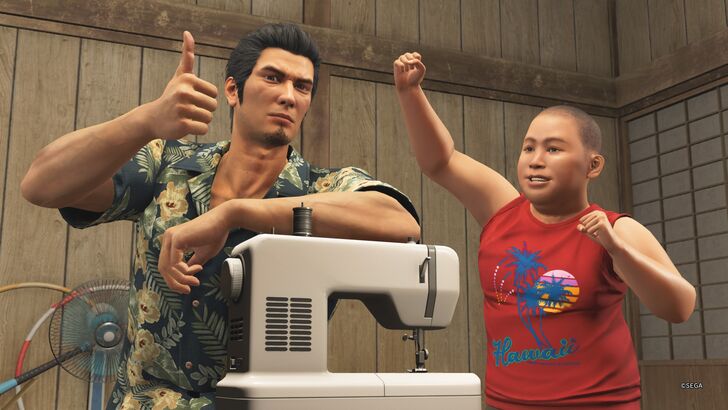
On a more positive note, they did a great job fleshing out the side stories related to the Morning Glory orphanage. In these segments, Kiryu takes over the daily chores to give Haruka a break from her responsibilities. These are mostly simple minigames where you help the kids with their homework, cook meals for the family, or plant vegetables in the garden. They aren’t mechanically complex, but they go a long way in making you appreciate the kids more.
It reinforces the Dad Kiryu persona that makes Yakuza 3 so good. These small moments of domestic life provide a necessary heart to the game and make the political drama in the main plot feel like it matters because you’ve spent time building a life with these characters.
Style Over Substance
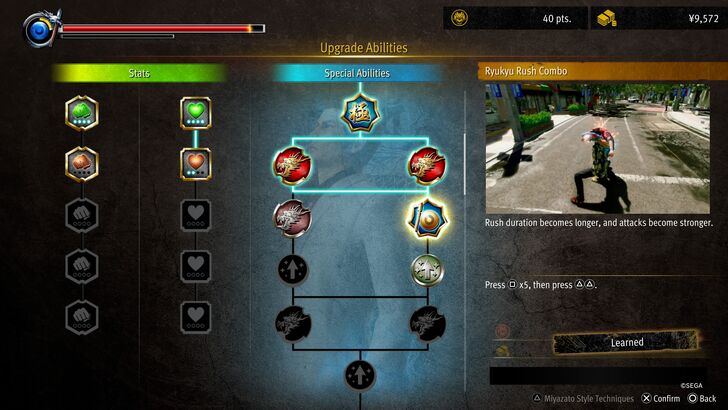
By completing specific objectives, like in the side stories and minigames mentioned earlier, Kiryu earns Training Points, which you can then spend to unlock new abilities. This sounds like a standard upgrade path, but I dislike how it essentially replaces the Revelations system from the original game.
In the 2009 version, Revelations would see Kiryu witness a bizarre or funny event in the city, and you’d have to complete a quick-time event to have him blog about it and learn a new move. It was a creative way to tie the absurdity of the world to Kiryu’s combat growth. Replacing that with a linear skill tree feels sterile and takes away a lot of the personality the original game had.
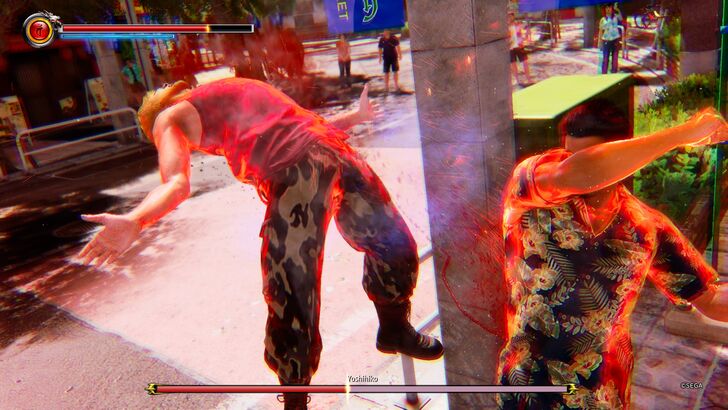
Nevertheless, you use these moves in combat. At its most basic level, the combat in Kiwami 3 follows the traditional brawler style the series is known for. You find yourself in various encounters on the streets of Okinawa or Kamurocho, where you have to take down groups of thugs, yakuza, or street punks using a mix of light and heavy attacks.
You build up a Heat Gauge by landing hits, which eventually allows you to perform Heat Actions or high-damage finishers where Kiryu uses the environment or his bare hands to absolutely wreck an opponent. It is essentially the same formula fans have loved for years, but the implementation here has some big highs and lows.
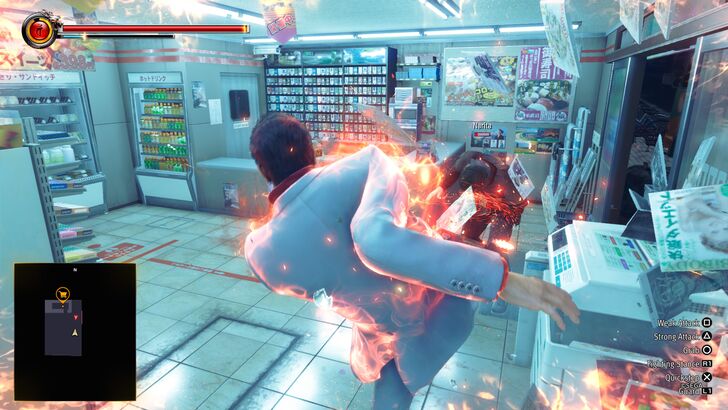
Admittedly, the combat feels much better to control than it did in the original Yakuza 3. The 2009 game was notorious for its rather clunky controls. In this remake, the movement is fluid, and the controls responsive, which is a massive relief.
However, just because it’s smoother doesn’t mean the combat is actually deep. The melee fighting becomes repetitive after only a few hours. Even as you unlock more of the skill tree and get new moves, you’ll find yourself relying on the same four-button combo over and over again.
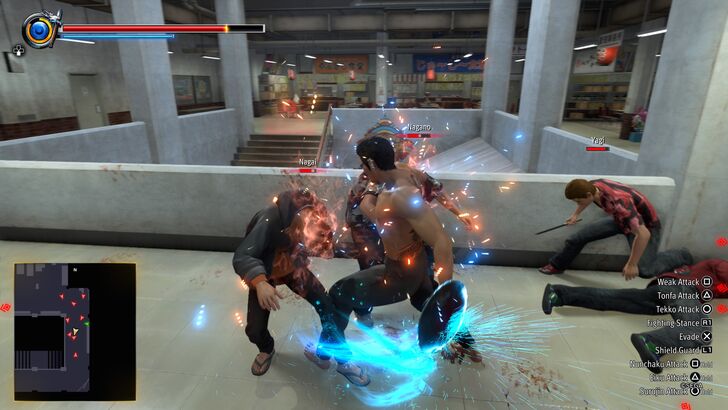
The developers tried to fix this repetitiveness by adding a brand-new fighting style called Ryukyu. This is actually one of the more unique styles we’ve seen in the series because it focuses entirely on weapon-based combat. Usually, Kiryu has to find a bicycle or a traffic cone on the ground to use a weapon, but in the Ryukyu style, weapons like shields, tonfas, and even scythes magically appear in his hand with a button press.
Different button combinations trigger different weapons, which allows for some variety in how you approach a crowd. It’s a cool idea in theory, especially since we rarely see Kiryu carry a permanent arsenal of tools like this.
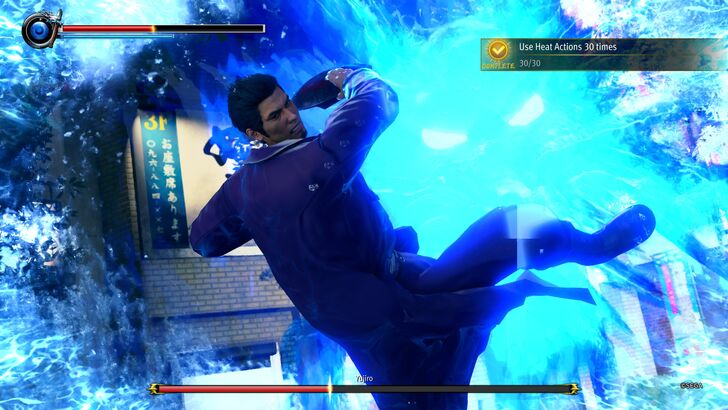
Unfortunately, even the new style can’t save the game from feeling like a button-masher. No matter how many scythes or tonfas you’re swinging around, the core problem is the enemy AI. For the most part, enemies just stand there and take your hits without much of a reaction.
There is very little strategy required; you don’t really have to learn patterns or time your dodges carefully because you can usually just overwhelm them with constant attacks. Occasionally, you’ll run into a mini-boss or a tougher enemy with a glowing aura who can take a lot more punishment, but even then, the solution is usually just more of the same. You still just hit the same buttons for a longer period of time until their health bar finally disappears.
Dark Ties is the Short Rise and Stall of Yoshitaka Mine
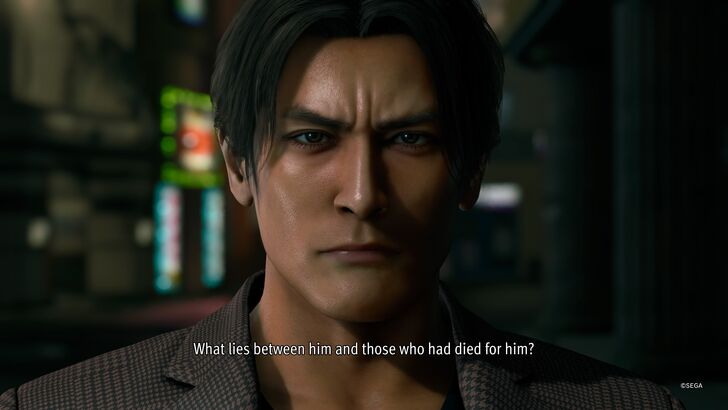
The remake of the third game is a massive undertaking on its own, but it only represents one half of the title. There’s still Dark Ties to discuss, the secondary campaign that was a big part of the game’s marketing. RGG Studio pitched this as a significant second half to the Kiwami 3 experience. In reality, though, there isn’t actually that much to talk about here.
Despite the hype, Dark Ties feels more like a fraction of the overall game. It’s roughly about a quarter of the length of the main story, and if you focus, you can see almost everything it has to offer in just a few sittings.
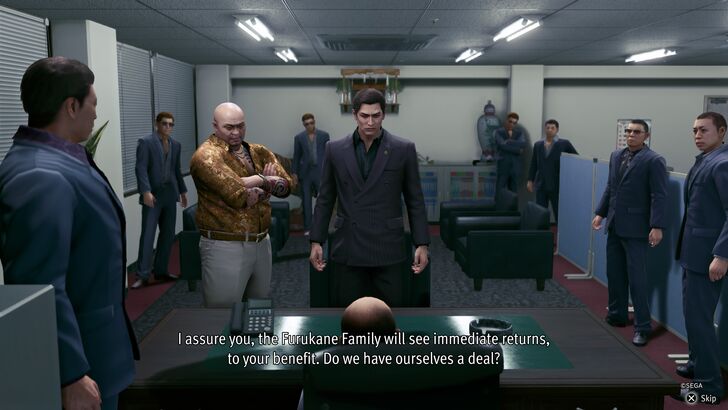
To give you an idea of what it actually is, Dark Ties serves as a prequel and parallel story centered on Yoshitaka Mine during his rise within the Tojo Clan. It is a side experience intended to flesh out the motivations of the man who eventually becomes Kiryu’s rival in Okinawa. You play as Mine, as he explores the internal politics of the yakuza, showing how he built his financial empire and secured his position as the head of the Hakuho Clan. Although the idea of playing as a high-level corporate yakuza sounds great on paper, the experience is over in just a couple of hours.
The brevity is disappointing because Yoshitaka Mine is one of the more interesting antagonists in the series. He’s always been a character that fans wanted to see more of, especially given his calculated approach to crime compared to the more hot-headed leaders we usually see.
The developers clearly tried to give him more screen time here, but they failed to add anything of real substance to his character arc. Instead of deep insights into his psyche or new revelations about his past, we get scenes that mostly just rehash things we already knew or guessed about him.
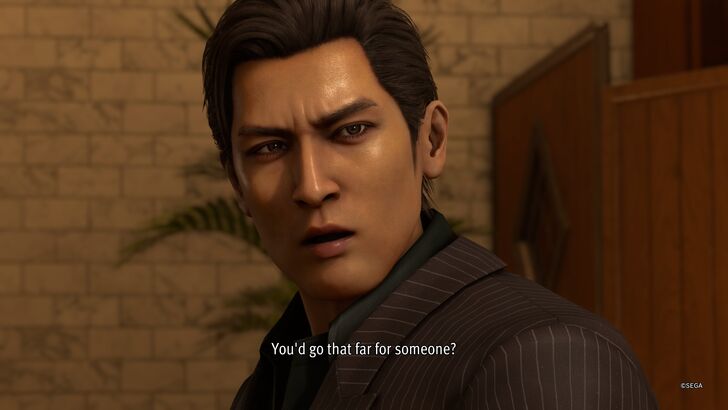
The way the story is structured in this expansion only makes matters worse. Most of the narrative progress in Dark Ties is locked behind mandatory side tasks. To move the plot forward, you are constantly forced to stop and complete boring chores to help Kanda. You can't simply follow the story beats; you have to run errands and manage bureaucratic nonsense that kills the momentum of the plot. It feels like the developers knew the story was short and used these reputation-building tasks as a way to artificially extend the playtime. Having to pause a serious political drama to go fulfill the whims of a character like Kanda is frustrating and makes the pacing completely broken.
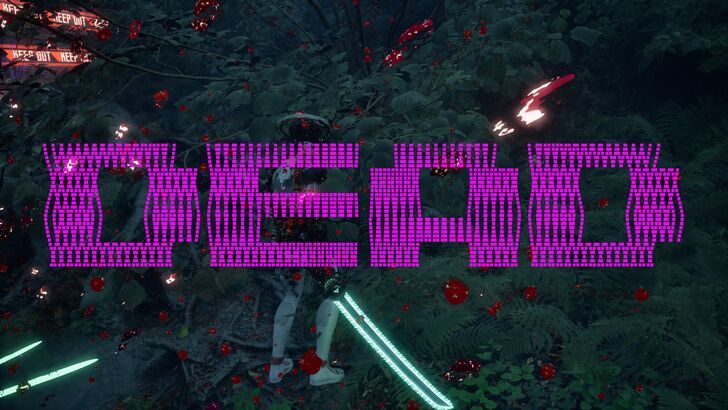
I do, however, like the roguelike minigame exclusive to Mine’s mode: Survival Hell. In this mode, Mine is thrown into a series of increasingly difficult combat floors where he has to fight waves of enemies with limited resources. As you progress through the floors, you can pick up temporary power-ups and health restores, but if you lose, you have to start over from the beginning. It’s a purely combat-focused mode that strips away the story fluff and focuses on the mechanics of the game.
Survival Hell is actually a very good distraction from the repetitive chores you’re forced to do during the main Dark Ties path. Because Mine's fighting style is different from and more brutal than Kiryu’s, the roguelike format fits him quite well. If you decide to go through Dark Ties a second time, or if you just want to test how well you’ve mastered the combat system without sitting through more cutscenes of Kanda yelling, this minigame is probably where you’ll spend most of your time.
Is Yakuza Kiwami 3 & Dark Ties Worth It?
Not Right Now; Wait for a Sale in a Couple of Months
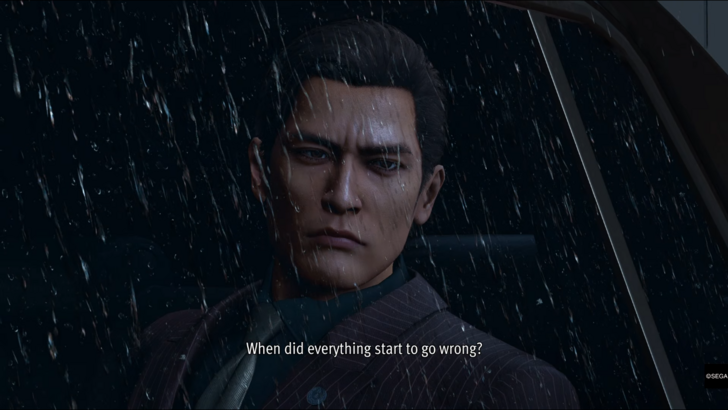
It is really questionable why Ryu Ga Gotoku Studio chose to remake Yakuza 3 in this way. Sure, even among the dedicated fans, the third entry is seen as the "black sheep" because of its age and some truly bizarre plot points, but just because the original had quirks doesn’t mean that the narrative changes in this remake were necessary. By trying to fix a story that was already complete, they’ve created something that feels inconsistent, especially when they make the series’ timeline messier and harder to follow for anyone trying to play through the games in order.
Right now, I’d recommend waiting for the game to go on sale in perhaps a couple of months or a year. If you want to jump into the third game immediately, tough luck. Yakuza 3 Remastered has been delisted from almost every digital storefront except for GOG, a move to force players toward this $60 remake. This game doesn’t fully justify that price tag. This is especially true if you’ve played the original before and were only planning to buy this version for the Dark Ties expansion, which turned out to be much thinner than advertised.
I really wanted to be optimistic about this project. I love the characters, and I love the setting of Okinawa, but Kiwami 3 & Dark Ties is a remake that lost sight of what made the original special. It trades soul for polish and leaves you with an experience that is technically better but emotionally hollow. Sometimes, it’s better to let a classic show its age than to try to rewrite it into something it was never meant to be.
Yakuza Kiwami 3 & Dark Ties FAQ
How Long to Beat Yakuza Kiwami 3 & Dark Ties?
Yakuza Kiwami 3 offers roughly 20 hours of gameplay, while the Dark Ties expansion adds another 5 to 10 hours, depending on how much side content players choose to explore.
Game8 Reviews