
| Where Winds Meet | |||
|---|---|---|---|
| Release Date | Gameplay & Story | DLC & Pre-Order | Review |
Where Winds Meet Review Overview
What is Where Winds Meet?
Where Winds Meet is an MMORPG that immerses players in a sprawling, story-driven world. The gameplay combines solo RPG progression with exploration, side quests, character building, and optional online cooperative activities, including but not limited to, guild events. Players can customize builds through weapons, gear, and martial arts techniques.
Where Winds Meet features:
⚫︎ Character Creation with Multiple Builds
⚫︎ Exploration Across Diverse Regions
⚫︎ Side Stories That Expand World Building
⚫︎ Career Paths like Healer and Scholar
⚫︎ Progression Through Equipment and Weapons
⚫︎ Different Ways To Learn Martial, Mystic, and Internal Arts
⚫︎ AI NPCs That Hold Conversations
For more gameplay details, read everything we know about Where Winds Meet's gameplay and story.
| Digital Storefronts | |||||
|---|---|---|---|---|---|
 Steam Steam |
 Epic Games Epic Games |
 PlayStation PlayStation |
|||
| Free-to-Play | |||||
Where Winds Meet Pros & Cons
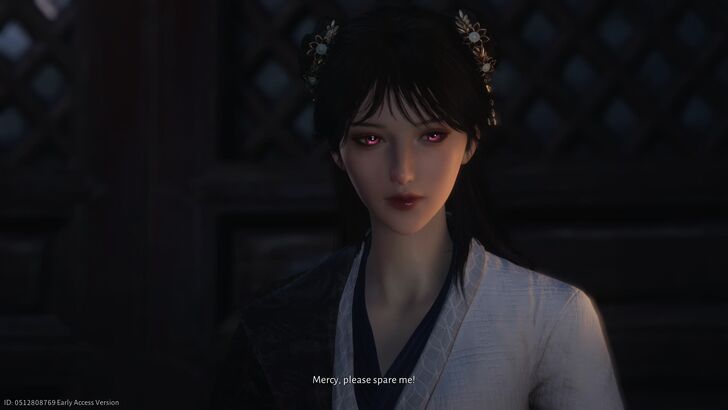
| Pros | Cons |
|---|---|
 Immersive Story with Political Intrigue and Nuanced Characters Flexible Builds and Martial Arts Variety Gorgeous Visuals Free-to-Play Friendly Immersive Story with Political Intrigue and Nuanced Characters Flexible Builds and Martial Arts Variety Gorgeous Visuals Free-to-Play Friendly |
Early Story Chapters are Confusing Occasional Audio Mismatch Technical Bugs and Crashes |
Where Winds Meet Story - 8/10
The story earns a solid 8 because while it eventually grows into a rich, immersive narrative full of political intrigue and nuanced characters, the opening chapters in Qinghe can feel confusing and whirlwindy. The protagonist’s connection to the world isn’t immediately clear, and some early plot beats are hard to follow. Once you reach Kaifeng, the story truly shines, but the initial pacing and exposition keep it from a perfect score.
Where Winds Meet Gameplay - 9/10
Gameplay is satisfying with a strong RPG loop, flexible builds, and engaging combat. Solo and light MMO elements blend smoothly, offering exploration, side content, and online co-op without feeling overwhelming. The only drawback preventing a perfect score is technical instability—I experienced a few crashes and occasional bugs during play, which can interrupt the otherwise fluid experience.
Where Winds Meet Visuals - 9/10
The world of Where Winds Meet is stunning, from sweeping landscapes to intricate cityscapes, and cutscenes are beautifully composed. Character models, animations, and environmental storytelling all work together to create a living, breathing world. Only downside is there are technical hiccups, where some cutscenes would have a loading screen in the middle, and the game crashing once in a while, otherwise this aspect is deserving of perfection.
Where Winds Meet Audio - 8/10
The music and sound design are strong, with memorable tracks like the OST for Kaifeng’s Revelry Hall enhancing the world. However, some voice lines don’t always match the scene, and occasional sound inconsistencies slightly detract from immersion.
Where Winds Meet Value for Money - 10/10
The game is free and free-to-play friendly, with microtransactions limited to cosmetics only. The content is expansive, with main story, side stories, exploration, and online features offering hundreds of hours of play. Replayability is high thanks to it being live service, and the progression feels fair and rewarding without forcing purchases.
Where Winds Meet Overall Score - 88/100
Where Winds Meet is a standout RPG that masterfully blends story, exploration, and character progression with light MMO elements. Its combat is engaging, builds are flexible, and the world feels alive and immersive. While early story pacing, occasional audio hiccups, and a few technical bugs keep it from perfection, these are minor blemishes on an otherwise impressive experience.
Where Winds Meet Review: Your Next Wuxia Obsession
An MMO Finally Catches the Wind
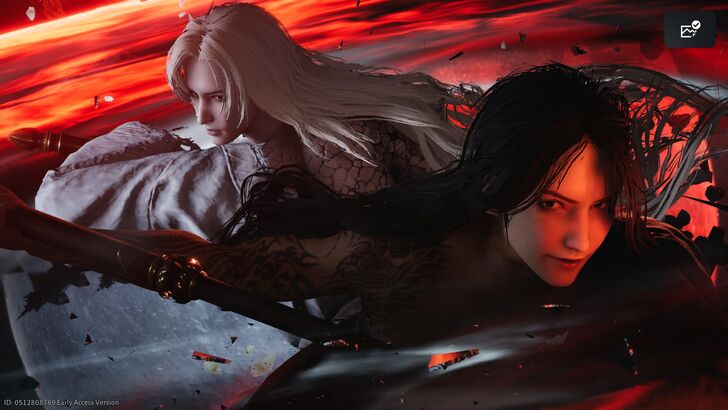
You know how it goes with MMOs. They come and go faster than a traveling merchant in an empty server—grand promises, bigger worlds, and somehow, the same old fetch quests. So when Where Winds Meet was released in China last year, you best believe I was watching like a hawk waiting for news of a global release. Every trailer, every gameplay clip—it all looked too good to be real. A wuxia-inspired open-world RPG with actual freedom? Combat that looks straight out of a martial arts film? Yeah, I was already halfway to making my account on the CN server.
I know many of us MMO enthusiasts have been keeping ourselves busy with Sword of Justice, but honestly, the anticipation just can’t compare. And can I just say, what a time to be treated with back-to-back MMORPG releases that actually try to bring something fresh to the genre. One’s a gritty, high-fantasy political drama, while the other sweeps you into a poetic martial arts epic. It feels like we’re finally in an MMO renaissance, and Where Winds Meet might just be leading the charge.
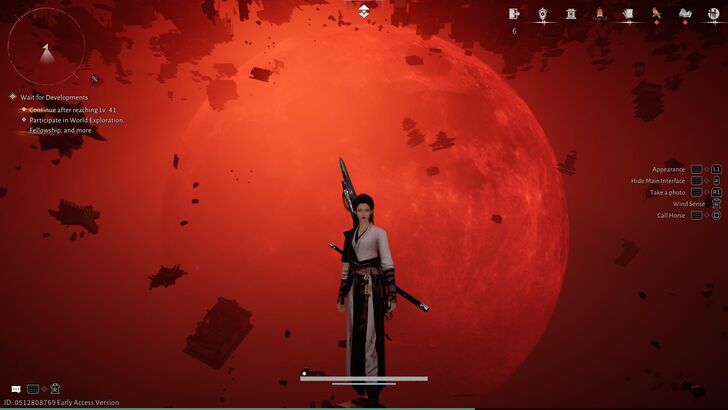
So I waited, and I’m glad I did—because Where Winds Meet finally lands with a world that feels alive, mysterious, and surprisingly heartfelt. It’s the kind of game that doesn’t just invite you to explore, it asks you to listen, to breathe it in, and to take your time wandering through its wind-swept landscapes.
A Tale Born from the Wind
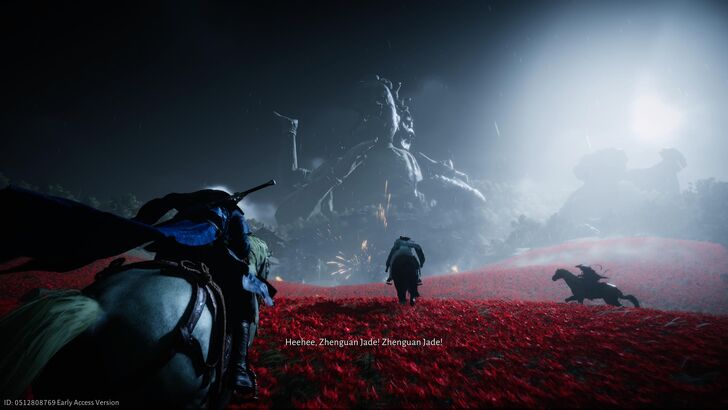
The story begins with Jiang Yan, an outcast from the Well of Heaven, seen carrying a baby through the bamboo wilderness. The opening doesn’t waste time (so i won’t waste yours as well), it throws you straight into a chase sequence where Jiang fights off pursuers, desperate to protect that child. It’s cinematic, fast, and sets the tone right away.
A few cutscenes later, time passes, and we’re dropped into the character creation screen. Yes, we’re the baby Jiang was protecting a few moments ago. Years have gone by, and the story picks up with us as a young master raised by Han Han Xiangxun and Jiang in a quiet town in the Qinghe region. Locals know us by name, but there’s something off about our guardians. Uncle Jiang is missing in action without a note behind, while Aunt Han carries herself with an air of mystery.
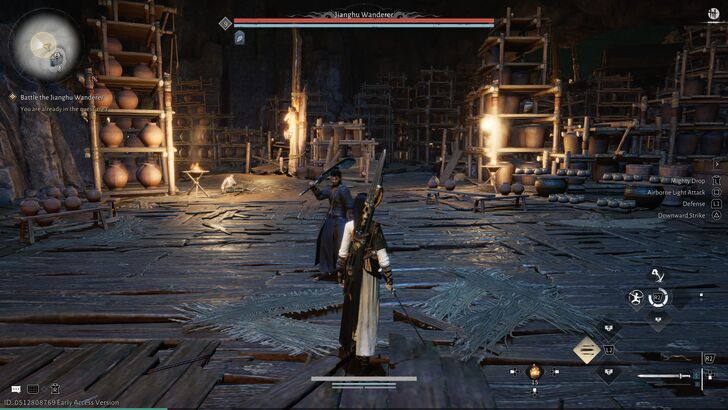
Eventually, our protagonist meets Yi Dao who becomes the spark that pushes us to step beyond Qinghe’s borders. But before any of that can happen, an attack changes everything. The town burns and everyone comes to believe our protagonist is dead. From there, we move to Kaifeng, where the story truly begins to unfold.
It’s an introduction packed with emotion, tragedy, and intrigue, setting the stage for a journey that feels deeply personal despite the game’s massive scope.
Between Heaven, Jianghu, and Level Caps
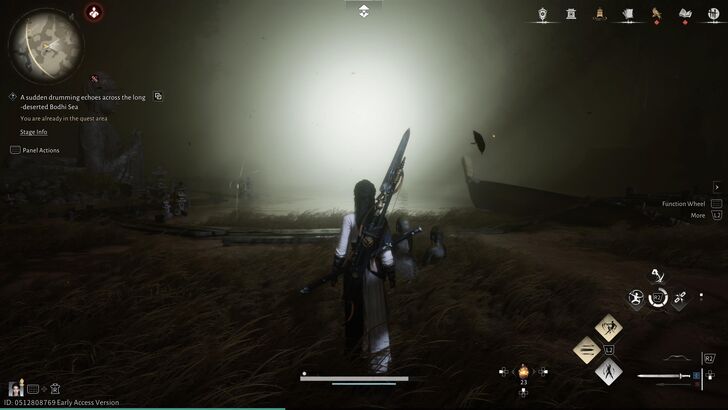
The gameplay loop leans more on the RPG side but never forgets its MMO roots. The main story follows a steady rhythm—you’re not constantly grinding, nor are you stuck in formulaic patterns—but you’ll quickly notice that progress is level-locked and time-gated. Think Genshin Impact meets Black Desert Online. You’ll hit points where advancing the main story requires waiting out a day, clearing level caps, and taking on floor trials—essentially mini-dungeons that test your combat skill and build efficiency.
Where Winds Meet ties your world level not just to experience points but also to how many real-world days you’ve played. So patience isn’t optional, it’s part of the design. Between story beats, you’ll spend your time exploring, picking up side stories, and developing your character through various martial arts and internal cultivation systems.
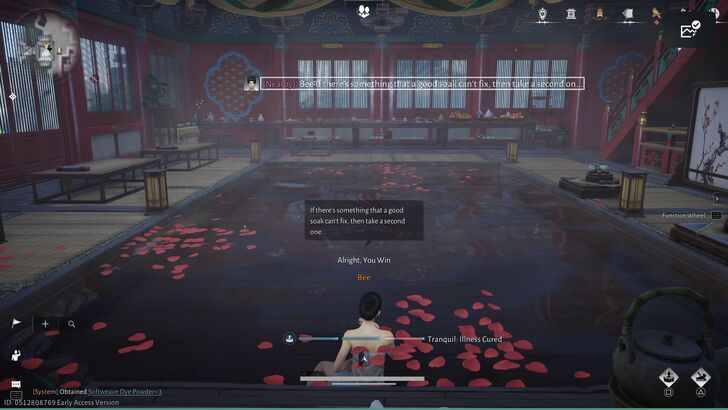
There’s a strong social backbone too, guild events, cooperative boss hunts, and mini games like chess, mahjong, and wrestling which can only be played with an opponent that’s another player. It’s chaotic in the best way, but never so overwhelming that it loses its narrative thread.
With the story and gameplay both setting the stage, it’s time to talk about what Where Winds Meet really feels like to play.
Finding Your Place in the Storm
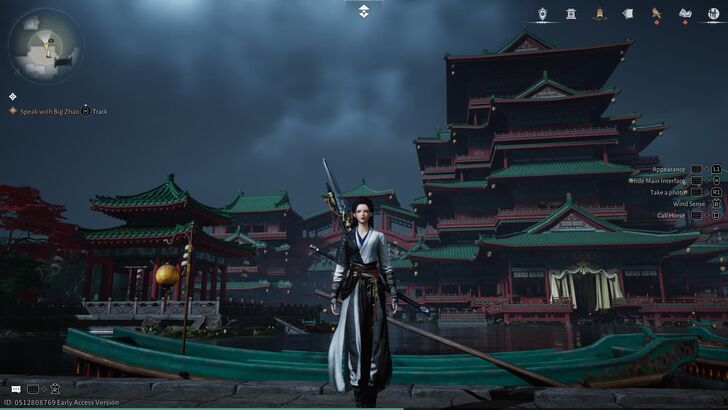
I’ll be honest with you, the first few story beats in Qinghe didn’t exactly captivate me. It felt whirlwindy, almost disorienting, and I had trouble keeping up with who’s who and what exactly I was supposed to care about. There’s a witch, Jiang’s missing, there’s Aunt Han with her mysterious persona—and in the middle of it all, me, the player, just sort of… there? It’s not that the writing was bad, but the emotional tether wasn’t clicking yet. I didn’t feel connected to the protagonist or to their circumstances, it was like being dropped into someone else’s dream.
But toward the end of the Qinghe arc, something clicked. I realized that maybe that feeling of confusion wasn’t a flaw, maybe it was intentional. Our protagonist is lost. They’ve been sheltered their whole life, raised within a small, comfortable bubble, and suddenly thrown into a world that’s much larger, harsher, and far more complex than they could have imagined. They don’t even know the weight of what Jiang did to save them as a baby. That sense of disorientation wasn’t just mine—it was theirs. And that mirroring effect between player and character slowly began to ground me in the narrative.
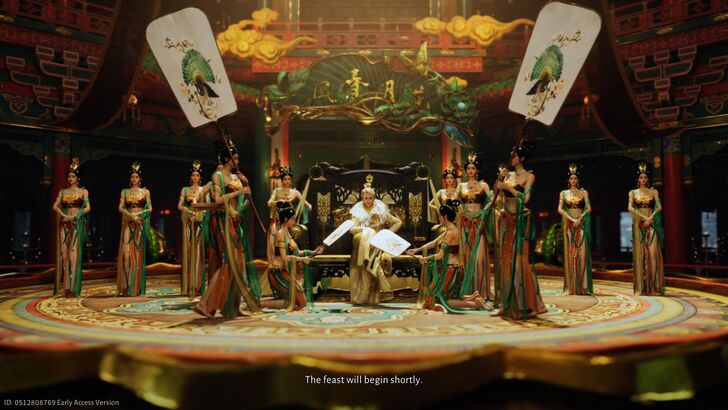
Then came Kaifeng—and it was like someone threw open the windows. The world widened (literally and figuratively), the tone shifted, and the writing matured in a way that caught me completely off guard. Suddenly, the story wasn’t about me acting on the world—it was about the world acting on me. The politics, the personal grief, the social decay, it all started to bleed into one another in a way that made the story feel alive. There’s corruption in the courts, tension among the common folk, you see poverty beside power, morality against necessity, and how the aftermath of war ripples not just through economies, but through ordinary people trying to survive.
And honestly, that’s also why even with the time-gated progression, I didn’t mind it as much as I usually do in other games. Early on, sure, when I was glued to the main story, I had that familiar "ugh, i have to wait until tomorrow" feeling. But the moment I stopped sprinting toward leveling up myself and the solo world to go through the main story as fast as possible, and actually let myself wander, the world just… opened up.
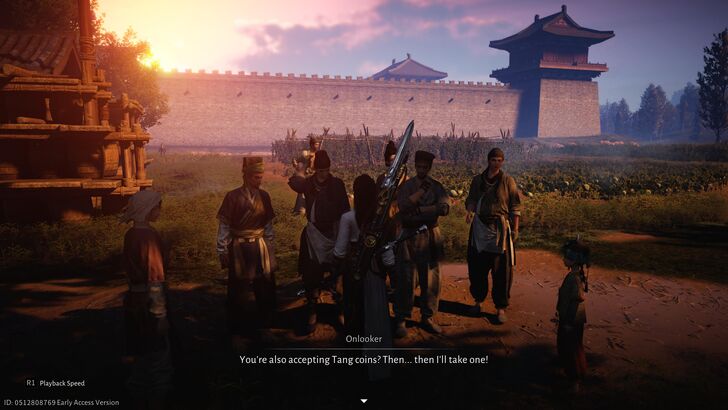
It wasn’t about just leveling anymore, it was about living in the game. The world is brimming with stories. NPCs are everywhere, walking, talking, arguing, grieving, teaching. There’s even this moment where I stumbled upon a master trying to defeat a frog? And the next I was somehow learning a frog technique because of course, that’s how this world works. And that’s just scratching the surface. I’ll get into the quest types in a bit, but my point is, the story is so rich that it feels like a breathing world that the wait never feels like a wall.
That’s when Where Winds Meet began to win me over. It’s still wuxia—make no mistake—but it’s not just wuxia. Beneath the swordfights and rooftop duels, there’s a pulse of humanity that’s hard to ignore. It’s about duty and survival, about finding purpose when the world doesn’t make sense. And in a strange way, that’s what makes it relatable. The game’s world may be filled with ancient philosophies and mystical arts, but its stories—of loss, of disillusionment, of people just trying to do what they can to survive—hit close to home.
People of the Wind
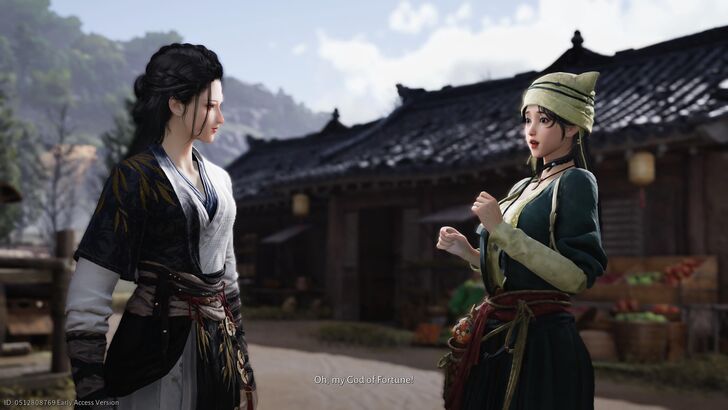
I’ll also admit that at first, I thought a lot of the characters were just plain annoying. You know that feeling when someone talks too much in a cutscene and you’re like, "you have a very punchable face." Yeah, that was me for the first few hours. But then something happened. The more time I spent with them, the more they started to unfold. These weren’t just stock personalities filling out the story’s corners. They had motives, wounds, and beliefs that clashed beautifully with each other.
Especially when I reached Kaifeng. The people I initially dismissed as thugs, scammers, and troublemakers turned out to be people who were barely hanging onto survival. Their "bad behavior" wasn’t just mischief, it was desperation. That shift in the storytelling made me want to listen more to what the game is trying to say.
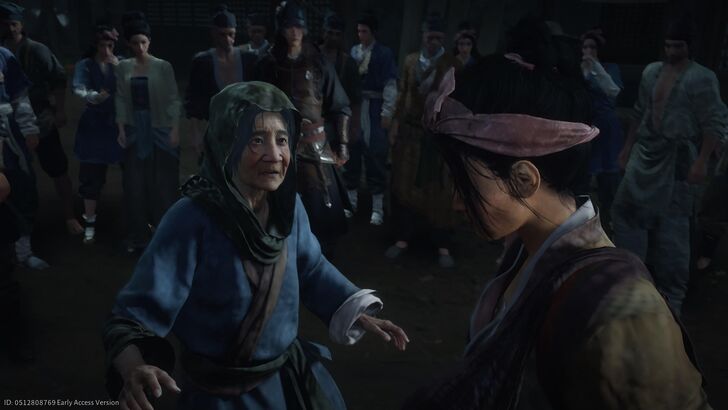
But the first side character to really stop me in my tracks was Granny Turtle. Despite her age, her struggles, and the fact that she quite literally has nothing, she remains kind and genuinely helpful to others. She survives through honest means in a city where honesty gets you nowhere, and she still somehow finds the heart to take care of people who aren’t even hers to worry about.
Everyone in Where Winds Meet seems to have their own moral compass, and not a single one of them points perfectly north. I wasn’t just following a questline, I was following people. And that’s makes the world feel alive.
Tales Beyond the Blade
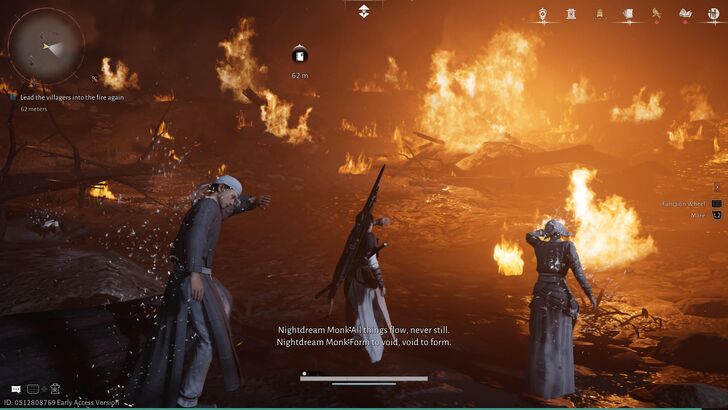
Outside of the main chapters, there’s a whole layer of side stories waiting to be uncovered. Many of them reward you with martial arts techniques you can equip, a neat incentive to dive deeper into the lore and playstyles. I won’t say these stories hit quite as hard as the main narrative, but they’re still meaningful enough to keep you engaged. Most of them tie thematically to the main chapters, sometimes offering perspective on events you’ve already witnessed.
They’re also part of the game’s broader exploration system, neatly organized into categories like Campaign, Tales and Echoes, Sentient Beings, Wandering Tales, and Outpost. Each of these tracks your progress across regions, essentially serving as your "how much of the world have you really lived in" meter. It’s not just busywork, it’s the game’s way of rewarding curiosity. And in a world this dense, curiosity pays off.
Whispers on the Road
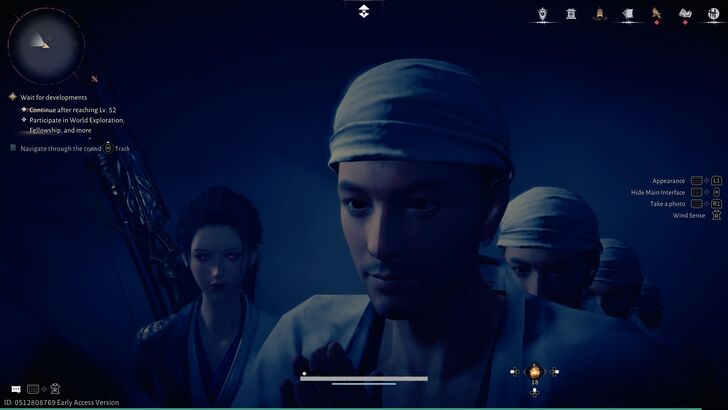
Then there are the encounters, those moments you stumble upon while exploring that feel small at first but end up lingering in your mind. These are closer to world quests, and honestly? Some of them are better written than full-blown story arcs in other games.
They don’t have voiced dialogue, which is pretty standard for open-world RPGs, but the writing more than makes up for it. One that stuck with me involved a woman scarred across her face, who’s hated by the community solely for the fact she’s ugly. You follow her story and in the end, decide the fate of what she left behind. It’s short, simple, but the message hits deep—that people are a product of their environment, and getting through to them might look like choosing kindness even when they don’t deserve it.
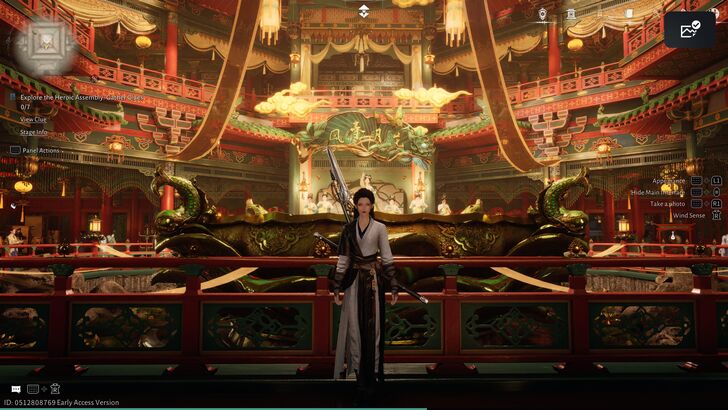
Encounters like that make Where Winds Meet feel human. They’re not just filler, they’re reflections of the game’s larger themes—struggle, redemption, and the quiet poetry of ordinary lives.
A World That Breathes
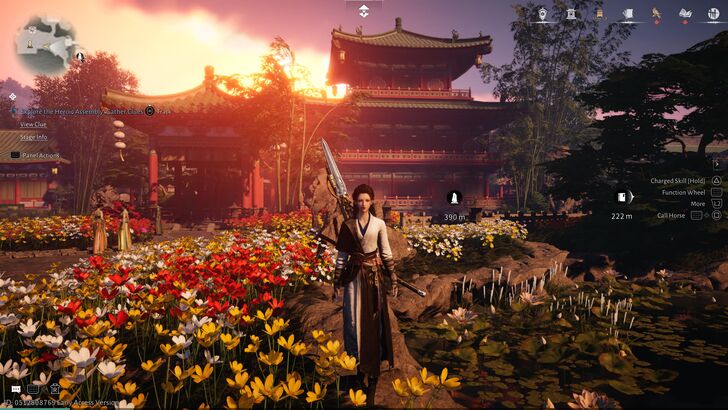
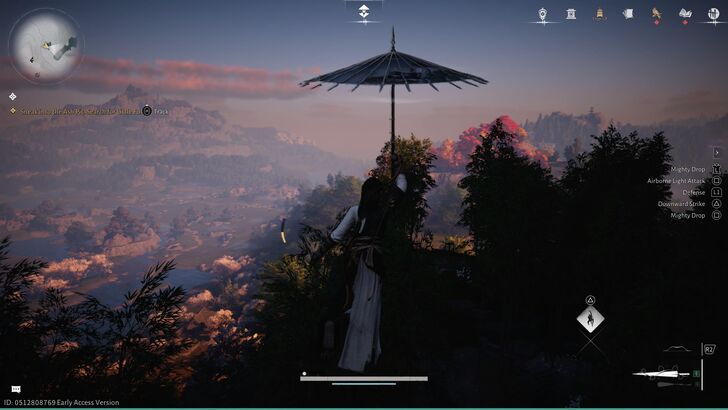
All of this—the characters, the stories, the tragedies—is framed by a world that’s just breathtaking. There are moments when you’ll just stop moving, not because you need to, but because you have to. The sun dipping behind the mountains, the glow of lanterns over Kaifeng’s bridges, the soft mist clinging to the pines at dawn—it’s like living inside a moving painting.
And then come the cutscenes. Let me tell you, they’re chef’s kiss. Few and far between, sure, but when they appear, they deliver. The choreography, the cinematic framing—it’s pure wuxia elegance.
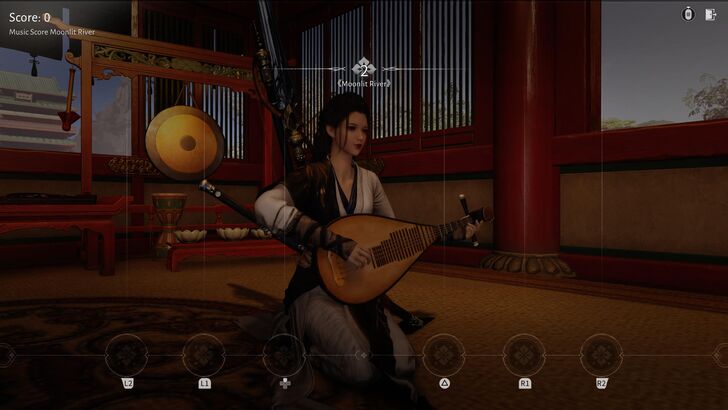
The audio, though, is a bit of a mixed bag. There are moments of brilliance—like the OST for Revelry Hall, this grand, sweeping melody that perfectly matches the scene’s energy—but there are also a few technical hiccups. Some voice lines don’t quite match the animation or cut awkwardly mid-sentence, which can pull you out of the moment. It’s never game-breaking, but it’s noticeable and affects immersion. Still, when it works, it soars. The soundscape of Where Winds Meet gives its world not just color, but life.
The Hero’s Journey
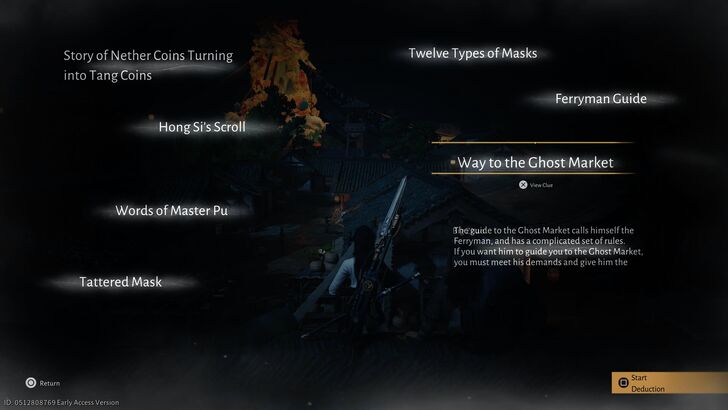
Okay, after spending so much time talking about how wandering and watching this world breathe, it’s only fair that I talk about how does it actually feel to live in the game. Because visuals and story aside, what really makes Where Winds Meet work is the way it plays.
I might be a bit biased here, but I love RPGs. And as someone who’s spent way too many late nights raiding, crafting, and grinding in MMOs, I can confidently say—I don’t mind the light MMO elements here at all. In fact, the balance feels perfect for me. The solo experience stands strong on its own, offering just enough interconnectedness to remind you the world is alive, without drowning you in constant social pressure or daily checklists.
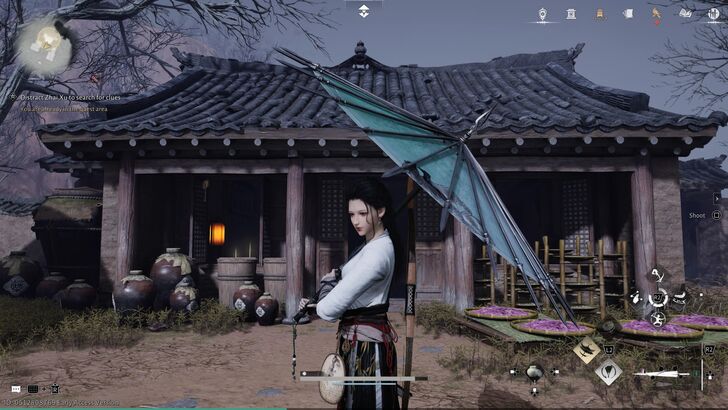
The gameplay loop itself feels familiar but never tired. You’ll move between story chapters, explore new regions, pick up side content, and build your martial abilities through both main quests and world events. It’s a loop that rewards exploration and patience—there’s always something to do, but it never nags you to do it. There’s a quiet freedom to it, the kind that makes you lose hours without realizing it.
If you’re the type who wants a bit more MMO flavor, though, the game’s got you covered. You can switch to an online mode where the world opens up into a shared space. You can form parties, take on tougher challenges, or simply explore with others. There are even certain bosses and trial events that are exclusive to multiplayer, which adds a nice layer of optional cooperation.

Playing solo, meanwhile, gives you the option to interact with other people in the world in subtler ways. You can put up signposts or read others’, these are little messages left by players, often filled with advice about tricky sections or hidden paths. Of course, since these are from other people, beware. Not all heroes leave helpful hints. (Thanks to whoever told me to just jump the chasm in one of the quests… it was not, in fact, jumpable.)
There’s also a set of light social and recreational activities that only come alive in the online world like hot spring gatherings and mini-games like the ones I mentioned before. They’re not core to progression, but they make the world feel communal.
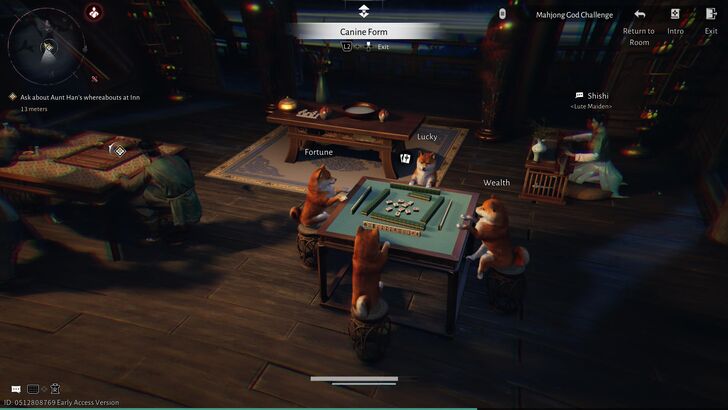
My favorite, though? Easily the moment I got drunk, transformed into a dog, and ended up playing mahjong with other dogs—uh, I mean players. But you get what I mean. It’s silly, it’s chaotic, and it’s exactly the kind of MMO nonsense that makes the world feel lived-in instead of just mechanically functional.
But really, one of the unexpected highlights is the bounty system. The world actually punishes players for causing trouble—hurt an NPC or damage property in front of witnesses and the game tracks it until you’re eventually branded a wanted criminal. A bounty goes up on your head, and yes, other players can see it.
Your arrest can come from NPC guards or from real players who accept the bounty hunt. They get teleported somewhere near your location and—surprise surprise—show up to drag you in. You can try to outrun them but you also have the option to turn yourself in. There are quests that let you atone and work off your crimes… or you can just accept your fate and go straight to jail. And honestly, the jail time here isn’t cute—your sentence can last anywhere from fifteen minutes to literal days depending on how chaotic you were becoming.
The communal aspect plays into this beautifully because jailbreaks are absolutely a thing. You can message your friends and basically have them "Prison Break" you out of custody.
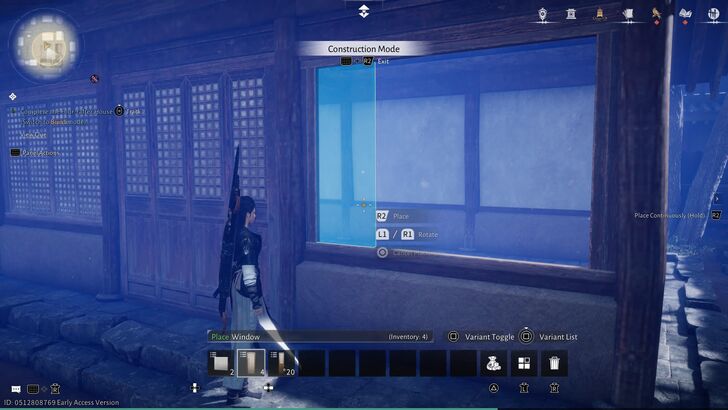
It’s that flexibility—being able to move between solitude and companionship, between narrative and freedom—that makes Where Winds Meet such a comfortable experience. You can play it like a traditional RPG, savoring every quiet moment on your own… or step out into the shared world and let chaos and camaraderie take over. Either way, it never forgets what makes both sides of the experience meaningful.
The Joy (and Bruises) of Exploration
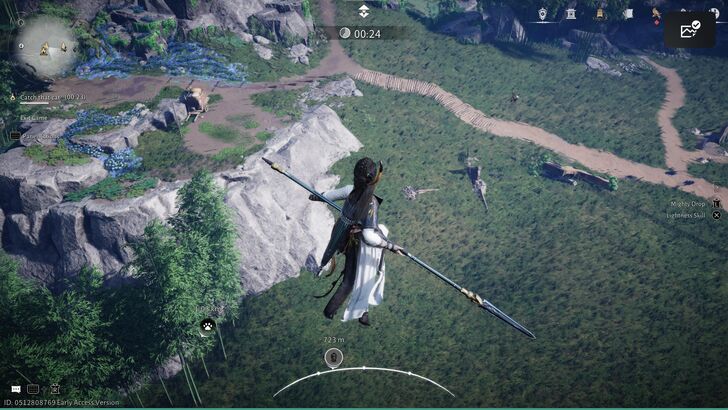
Like I said before, exploration in Where Winds Meet can be tracked through different metrics, but really, the joy of it isn’t in the numbers, it’s in the journey. It’s the feeling of cresting a mountain only to find a tucked-away shrine, or stumbling upon a forgotten battlefield that hums with lingering energy. Every region feels deliberately packed with secrets waiting to be discovered. Some of them hide behind clever puzzles that make you stop and think, while others test your stealth skills, daring you to slip in and out of guarded compounds without raising a single alarm.
But what truly surprised me was how the game weaves realism into this sense of wonder. You’re not just some immortal hero leaping off cliffs without consequence, if you land wrong, you can literally break a bone. And yes, you’ll need to see a healer to fix that. You can also get poisoned, suffer internal injuries, or pick up other maladies while exploring, and each one needs proper treatment. Sometimes that means visiting an NPC healer, but if you’ve got a friend who chose the healer job (more on this later), they can patch you up on the spot like your personal traveling medic.
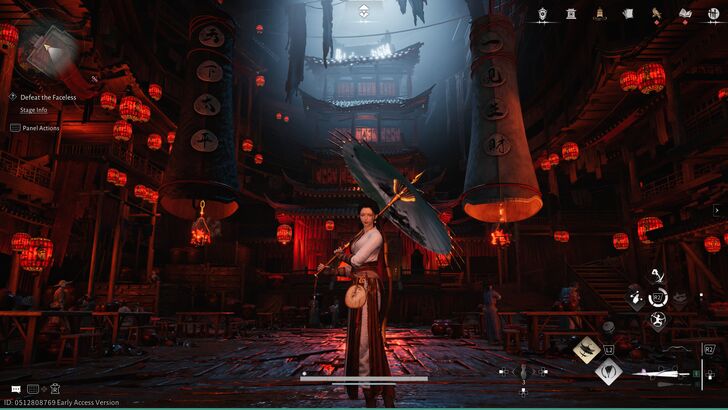
It’s a small touch, but it gives weight to your movement. It makes every jump, climb, and sprint feel grounded. Suddenly, that picturesque journey through the bamboo forest has an edge, one misstep and you’re limping your way back to town. It’s that blend of adventure and vulnerability that makes exploration feel alive.
Levelling Up and Finding Your Flow
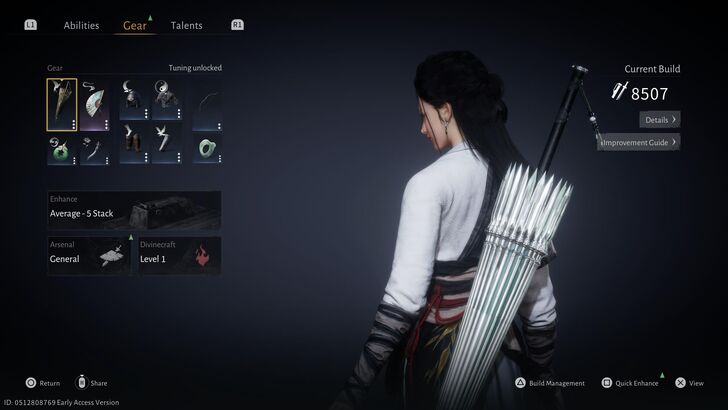
Now, as someone who’s sunk an embarrassing number of hours into MMORPGs, I was instantly drawn to Where Winds Meet’s approach to leveling. The higher you go, the slower it gets—a classic curve that rewards patience more than grinding. My advice? Don’t rush. Seriously. The world scales with you, so sprinting through the main quests just to see big numbers won’t do you much good. And maybe don’t waste your upgrade materials too early, you don’t want to pay for it when you hit the higher world levels and realize all your upgraded weapons are now basically glorified chopsticks.
Unlike traditional RPGs, you don’t assign stat points here. Instead, your growth comes from your weapons and gear sets. Each set carries its own passive bonuses, and completing a full set grants extra perks. Naturally, the higher-level your world comes with higher rarity gears, so pacing yourself matters. In terms of character builds, you can be a tank DPS, a melee bruiser, a healer, or, like me, a ranged DPS. I built around the umbrella and fan combo—stylish, fast, and surprisingly lethal.
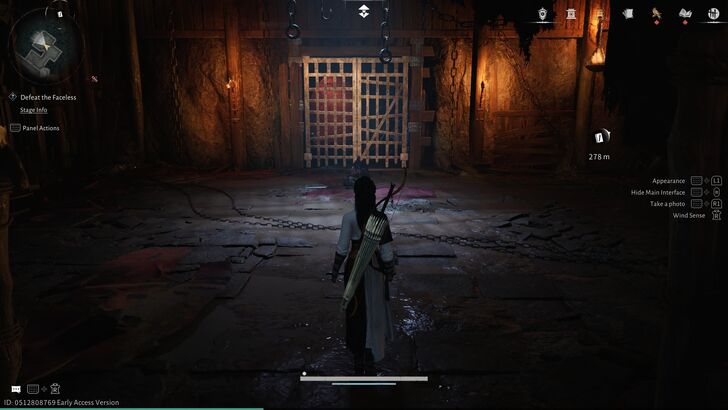
But trust me, having at least two builds is a good idea. There was one point where I hit a brick wall (or, well, a boss) because my ranged setup couldn’t even scratch it. Turns out, that enemy was weak to a tank skill I didn’t have—one I wasn’t even planning on building because I’m not a fan of how tank characters feel so heavy in RPGs. I like the light, flowy, dance-like combat styles, and Where Winds Meet perfectly translates the literal weight and movement of each weapon and martial art. Anyway, lesson learned, always keep a backup plan, preferably one that involves not dying repeatedly in the same five-minute window. Or better yet, bring a friend who can cover your weaknesses while you stay in your preferred playstyle (at least that’s what I did).
The Dance of Combat
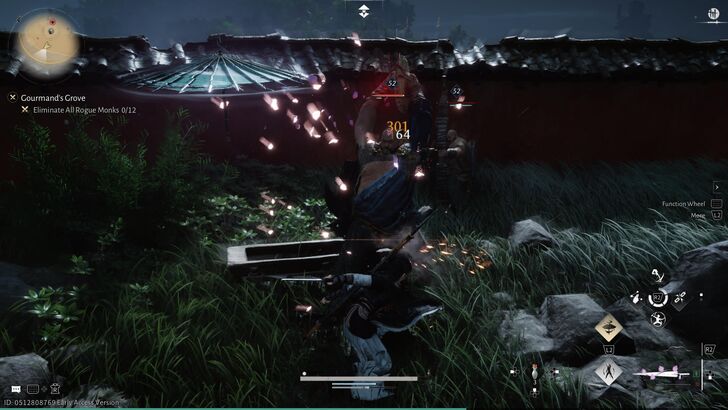
Speaking of dying, combat here? Pure bliss. It’s fast, it’s precise, and it constantly pushes you to be better. Every swing feels deliberate, every dodge meaningful. You can chain light attacks or choose charged ones, mix in your martial arts moves, and when you start layering in Mystic Arts and Internal Arts, it becomes this fluid, cinematic dance of chaos and grace.
Mystic Arts, in particular, add a lot of flavor. They’re flashy abilities that manipulate elements, often doubling as tools for solving environmental puzzles. Internal Arts, on the other hand, are more grounded—focused on buffing your performance or unleashing specialized techniques in combat. And the beauty of it all is how it ties back to your build. Your choice of weapons, your internal art combination, your martial techniques, they all shape your rhythm in battle.
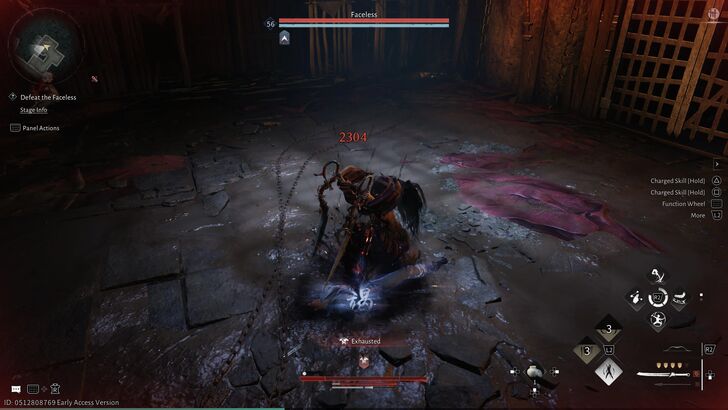
When it all clicks, it’s poetry. When it doesn’t… well, it’s a chaotic blur of missed parries and regret. But even then, it’s fun. The combat demands attention without ever feeling punishing for the sake of it.
The Path of Talents
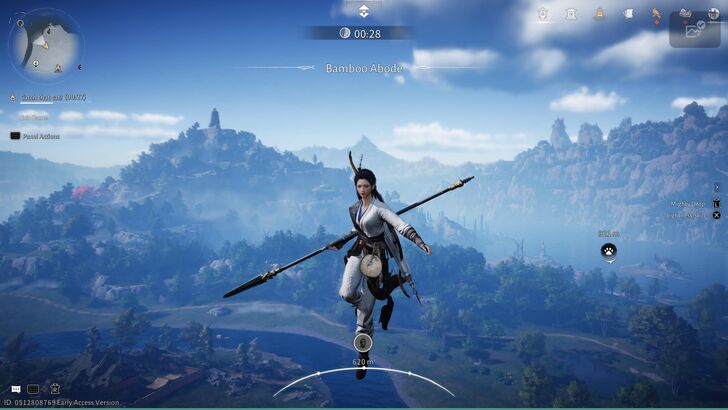
Progression in Where Winds Meet isn’t just about getting stronger, it’s about expanding your toolkit. There’s a talent tree, though calling it a tree might be generous. It’s more of a straight path of unlocks, mixing active and passive abilities. Some talents give you tangible skills you can slot into your martial rotation, while others boost your health, defense, or affinity levels. Occasionally, you’ll unlock something small—a few more martial art slots, for instance—but those incremental upgrades really add up. It’s the kind of system that quietly pushes you forward without overwhelming you with endless menus.
The Art of Stealing Techniques
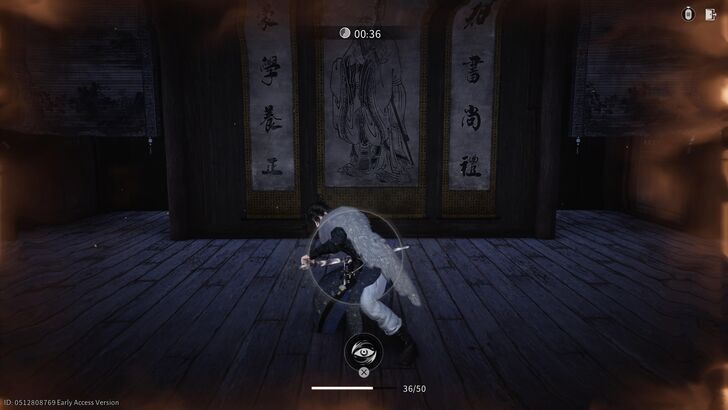
And here’s something I absolutely love, you can literally steal moves. No, seriously. Some martial techniques aren’t just handed to you, you earn them by spying. To unlock certain abilities, you’ll sneak into restricted areas, watch masters practice their forms, and learn by observing. It’s such a clever way to make skill acquisition feel like an act of discovery rather than another "buy this from a vendor" interaction.
It reminded me of those moments in classic wuxia films, where the protagonist secretly studies a forbidden art under moonlight.
The Way of the Sects
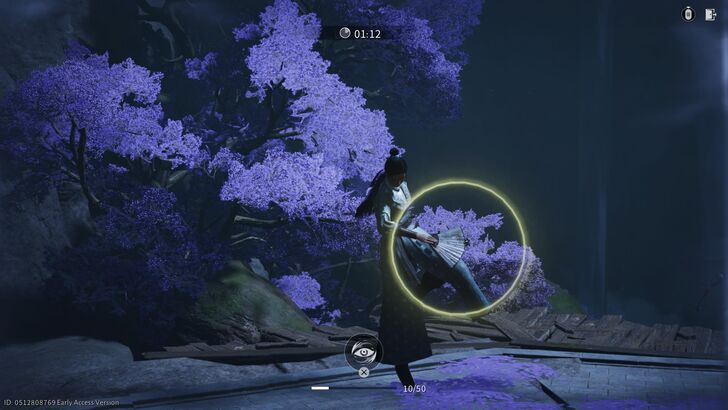
Of course, there’s an easier path to mastering new martial arts which is by joining a sect. Each sect isn’t just a faction with a cool outfit, it’s a philosophy. They’re defined not only by the martial arts they specialize in but also by the worldview they represent. Joining one gives you access to exclusive techniques, shops, and even sect-specific storylines. The trade-off? You’re bound by that sect’s discipline. You can’t just go around practicing rival schools’ moves without consequence.
It’s a refreshing take on progression. Instead of simply picking from a menu of flashy moves, you’re making a commitment that subtly influences your entire playthrough.
A Day Job Between Battles
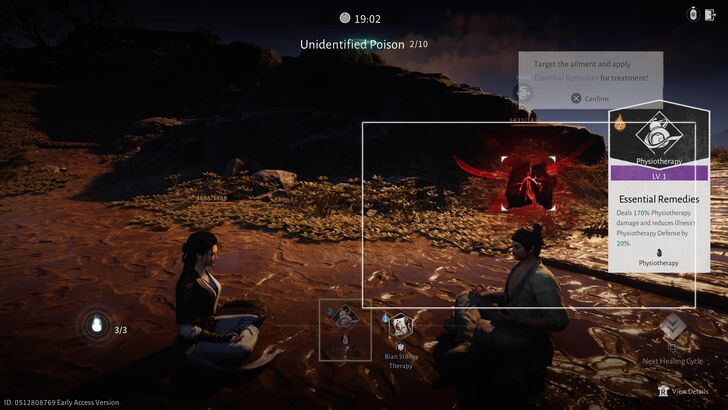
As your journey continues, you can also pick up a career. Yep, between saving the world and uncovering secrets, you can just… go to work. There are professions like Healer or Scholar, each with their own little progression paths. I chose the Healer route, mostly because it suited my tendency to fall off cliffs and break bones (see: my earlier mistake of listening to random people). And okay, fine—sometimes it’s my fault. Sometimes, I sprint off a mountain, pop open my umbrella like I’m auditioning for a wuxia remake of Mary Poppins, forget stamina exists, fail to plunge attack, and end up crumpled on the ground. So yes… coming from a place that needs constant patching up, it felt practical.
Careers add an unexpected layer of flavor. They’re not mandatory, but they give you side systems to engage with—a way to feel productive even when you’re not chasing down some grand narrative. It’s a nice break from the intensity, and it fits the world’s slower, lived-in rhythm.
Gacha, But Tastefully Done
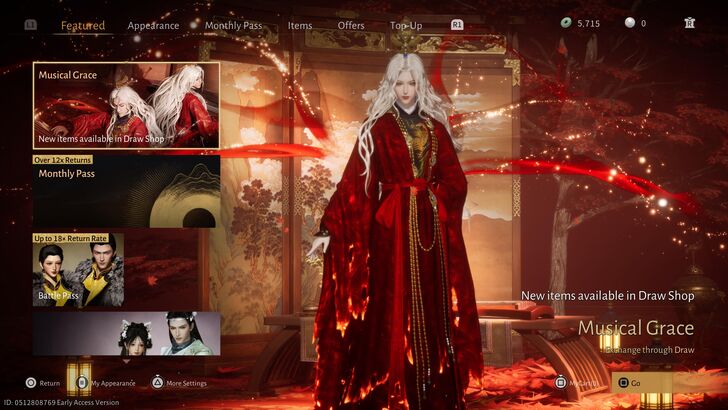
Now, let’s address the jade elephant in the room—gacha. Because come on, a game that looks this good and runs this big has to make money somehow. Thankfully, Where Winds Meet keeps it classy. The microtransactions are purely cosmetic—outfits, mounts, weapon skins, that sort of thing. No stat boosts, no hidden advantages. You can’t swipe your way to victory here.
It’s honestly refreshing to see restraint in a genre that often can’t help itself. You spend because you want to look good, not because you need to stay competitive.
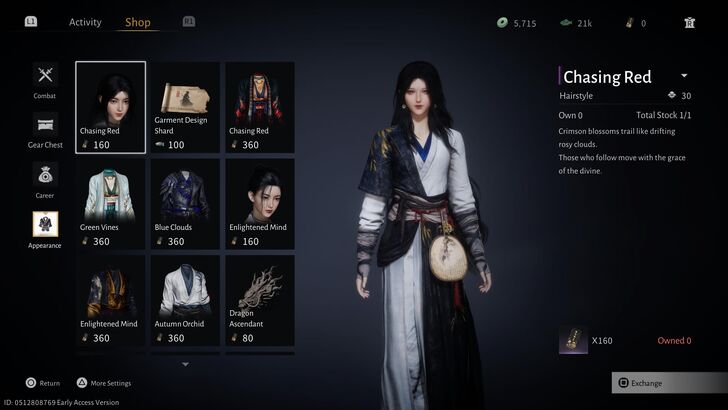
So yes, this is a genuinely free-to-play friendly game. You can easily sink hundreds of hours into it without ever opening your wallet. The grind feels fair, the pacing feels intentional, and the premium currency never gets shoved in your face. Every reward feels earned, and that’s what keeps it satisfying.
It reminds me of early MMORPGs where effort and time were the real currencies. The devs clearly respect that sense of balance.
An RPG First, MMO Second
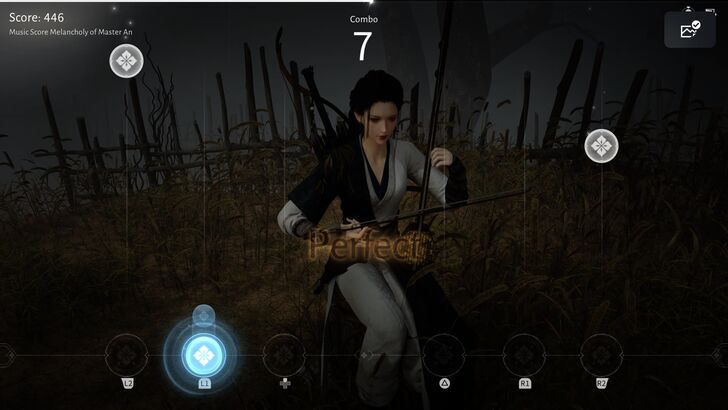
And that’s what Where Winds Meet nails, balance. Not just in combat, but in philosophy. Every system feels tuned—exploration, combat, progression, all interwoven without one overpowering the other. It’s not about chasing levels or loot, it’s about mastery, patience, and understanding how all these moving parts harmonize.
When you hit that flow—when your build, your arts, and your rhythm all align—the game sings. You’re not just playing, you’re performing.
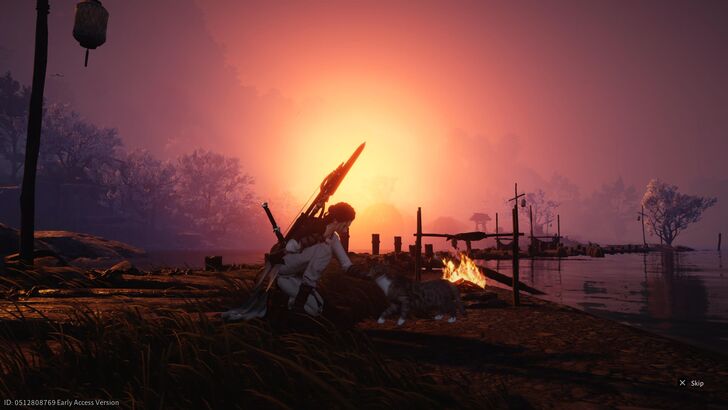
But let’s be clear, if you’re coming in expecting a massive, persistent MMO with endless raids and bustling cities, you might want to adjust your expectations. Where Winds Meet wears its RPG heart proudly. It’s intimate, story-driven, and character-focused first. The MMO layer is there, yes, but it’s more of a complement than a core.
It’s an RPG that invites you to slow down, to breathe, to listen, to exist in a world that feels beautifully ancient yet alive. And that, I think, is what sets it apart.
Is Where Winds Meet Worth It?
This Wuxia World Is Worth Every Minute
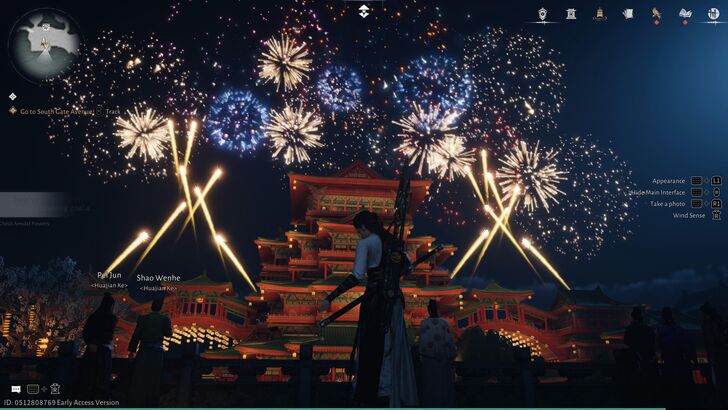
From the moment you step into Qinghe and stumble through your first chaotic chapters, the game slowly draws you in. The story evolves from a confusing whirl of events into a rich, living world full of political intrigue, moral dilemmas, and deeply human moments. Characters aren’t just props, they’re people with their own reasoning, flaws, and motives. Every encounter—from side stories to random world events—carries weight, often leaving a lingering impression long after the screen fades to black.
Gameplay is equally satisfying. The RPG loop is engaging, the combat is fluid and rewarding, and the exploration makes the world feel vast and lived-in. Whether you prefer a solo adventure, tinkering with builds, or diving into light MMO content with friends, the game accommodates both without compromising its heart. And it does all this while being free-to-play friendly, with cosmetics as the only microtransaction content.
Add in gorgeous visuals, cinematic cutscenes, and music that can range from hauntingly serene to exhilaratingly epic, and you’ve got a package that’s not just a game, but an experience. It respects your time, rewards curiosity, and constantly gives you a reason to keep exploring.
In short, Where Winds Meet isn’t just worth it, it’s the kind of RPG that reminds you why you fell in love with the genre in the first place. Whether you’re a veteran of MMOs or a newcomer to wuxia worlds, this game gives you enough depth, charm, and freedom to feel completely at home. Only thing I’m waiting for now is the global mobile release, so I can take the grind with me anywhere.
| Digital Storefronts | |||||
|---|---|---|---|---|---|
| Steam |
Epic Games |
PlayStation |
|||
| Free-to-Play | |||||
Where Winds Meet FAQ
How Can I Swap Weapons in Where Winds Meet?
You can manually swap weapons by pressing the down button on a D-pad controller, or use the weapon swap attack, which will automatically switch weapons during combat.
Can I Craft in Where Winds Meet?
Yes! Players can craft and upgrade weapons and gear using the appropriate materials found throughout the world.
Game8 Reviews

You may also like...
 |
Sword of Justice Review MMORPG, Adventure, Open-World |
 |
Tales of Xillia Remastered Review Action, Adventure, JRPG |
 |
Vampire: The Masquerade - Bloodlines 2 Review Action, RPG, Horror |
 |
Longvinter Review | A Cozy Escape... If You Have the Patience 1, MMO, PvP, PvE |
 |
BitCraft Online Review [Early Access] Casual, Simulator, Online Multiplayer |
Where Winds Meet Product Information
 |
|
| Title | WHERE WINDS MEET |
|---|---|
| Release Date | November 14, 2025 |
| Developer | Everstone Studio |
| Publisher | NetEase Games |
| Supported Platforms | PC (Steam, Epic), PlayStation 5 |
| Genre | Action, Adventure, RPG |
| Number of Players | Solo 1 Online Multiplayer Server Limit |
| ESRB Rating | T |
| Official Website | Where Winds Meet Website |