| Ghost of Yotei | |||||
|---|---|---|---|---|---|
| Release Date | Gameplay & Story | Pre-Order & DLC | |||
| Review | DLC Review | ||||
Overview
What is Ghost of Yotei Legends?
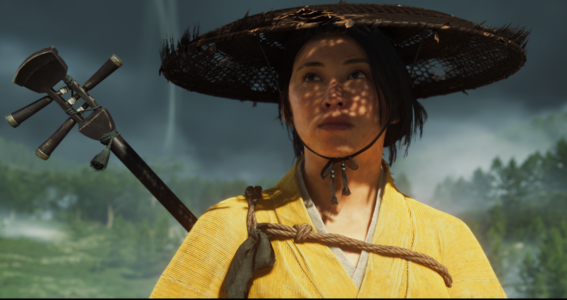
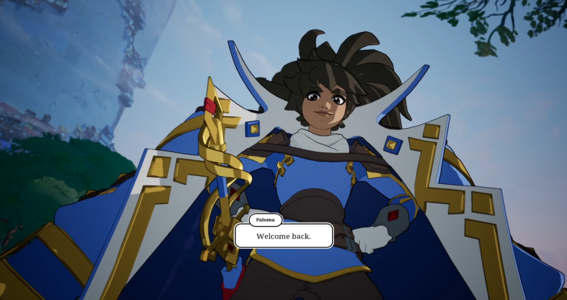
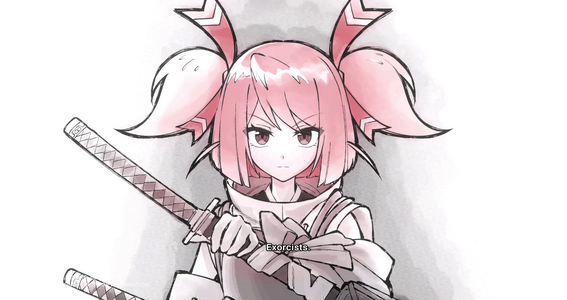
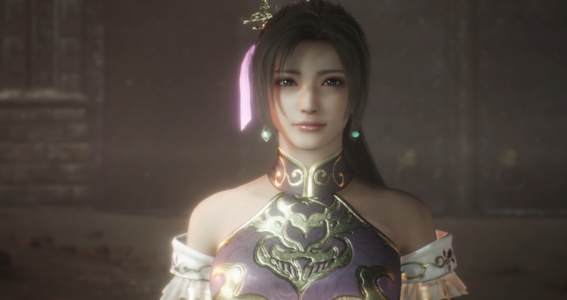
Ghost of Yotei: Legends is a free co-op multiplayer DLC for Ghost of Yotei. Players take on the role of Ghosts to take revenge against the mythical versions of the Saito Six. There are 4 playable classes, each with its own unique skills and abilities. The DLC also features an RPG progression with gear and ability upgrades as you play the game. Lastly, it has additional game modes beyond the story campaign, such as Survival and an upcoming Raid game mode, which will be added in a future update.
Ghost of Yotei Legends features:
⚫︎ Action Hack and Slash Gameplay
⚫︎ RPG Gear Progression
⚫︎ Up to 4 Player Co-op
⚫︎ 16 Story Missions
⚫︎ Survival Mode
⚫︎ Unlockable Cosmetics
⚫︎ Upcoming Raid Mode
| Digital Storefronts | |||||
|---|---|---|---|---|---|
 PlayStation PlayStation |
|||||
| $69.99 |
Ghost of Yotei Legends Review: A Free Update That Could Be a Standalone
The Ghosts Are Back
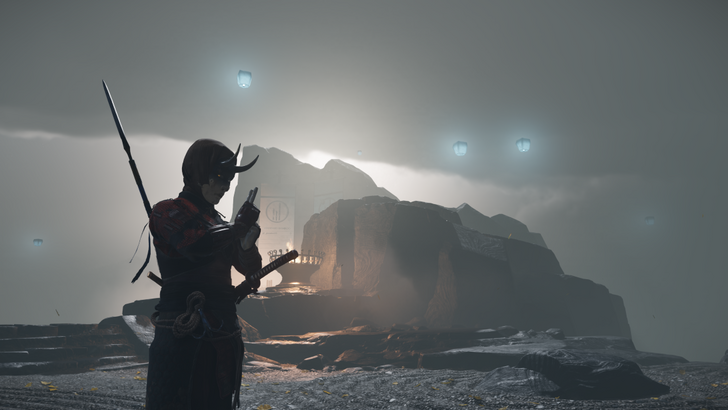
Sometimes, the greatest things come from unexpected places.
That was what I felt when I played Legends mode for the first time in Ghost of Tsushima. Just like how a Ghost strikes from the shadows, they took me by surprise with how good it actually was.
You’ve got 4 playable classes, simple RPG gearing, missions with varying designs, and even boss fights fit for multiplayer—it was an actual live-service multiplayer experience that was well worth the $20 on its own. It practically doubled my playtime on the base game, one I was hooked on, just gearing up and completing missions and other challenges.
So I was already excited when they announced that it would be coming to Ghost of Yotei as well.
Of course, I had to play it; I was basically obligated to. And let me tell you right now, I can’t believe I got Sucker Punch’d twice. It’s quite frankly an improvement across the board over the predecessor—better gearing, more fleshed out classes, and most importantly, more of what was great in the first game.
Spiritually Similar Narrative Without the Weight
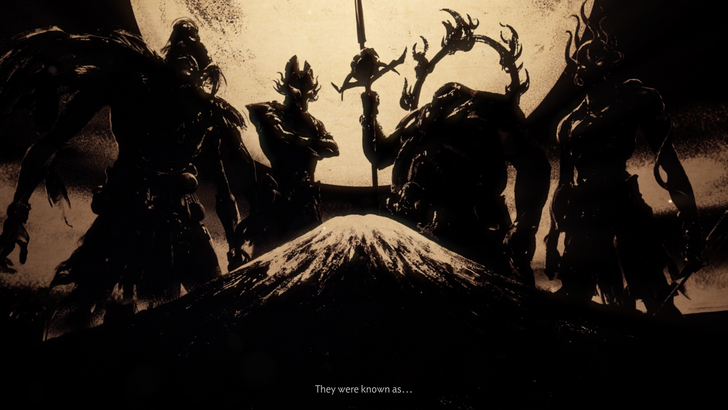
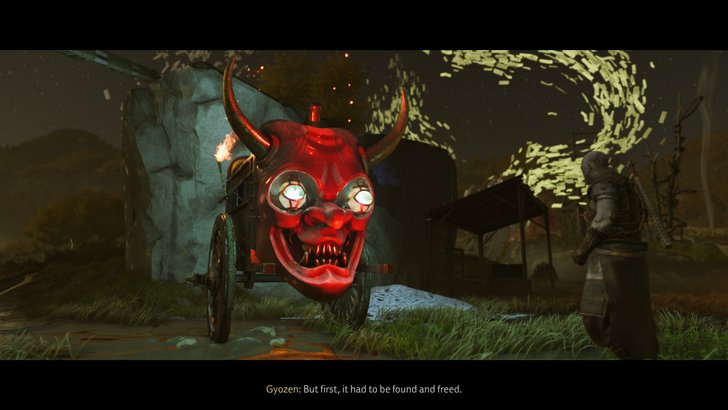
Let’s first talk about the setting, which is pretty much the same as in the last game. Old man Gyozen returns to tell the story of a different band of Ghosts this time, one that’s out for blood against the one who killed them: Lord Saito and the Yotei Six. You play as one of the Ghosts, and you take on missions structured as chapters to take down your killers.
Thematically, and even structurally, it’s still a tale of vengeance. But that’s where the similarities end; it doesn’t have any of the introspection involved in Atsu’s journey or Saito and his cronies. Without the emotional weight, the story isn’t all that impressive. It’s just a tale of warriors reborn with an insatiable thirst for revenge against their killer, one that we’ve seen one too many times.
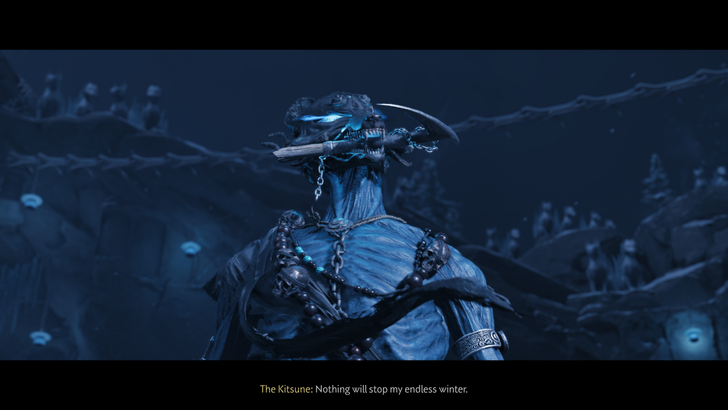
However, keep in mind that it’s supposed to be a myth.
So, despite the weak narrative chops, it’s the perfect way to tell a more exaggerated story of retribution. And it takes advantage of this by integrating the various gods of Japanese mythology through its story chapters and visuals. While I didn’t enjoy the overall story of the DLC all that much, I will have to give credit to its structure and presentation.
It is, however, quite anticlimactic in completing all of the Story chapters, but that’s also because the game’s Raids are yet to be released, which have you fight against the Dragon and Saito himself.
Same, But Better Gameplay Loop
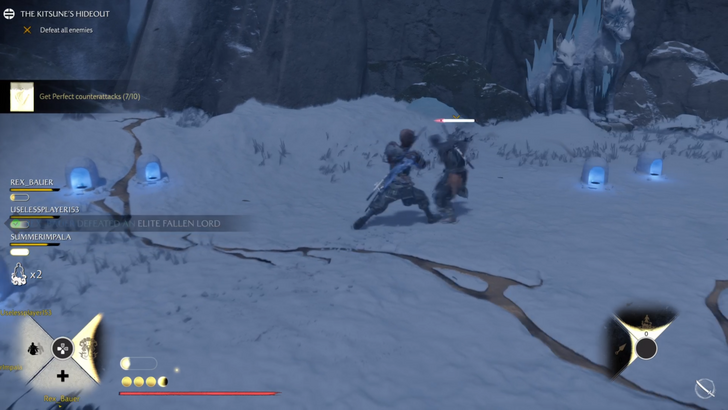
Now, let’s talk about the gameplay loop. For those of you who’ve played the Legends DLC in the previous iteration, it’s not all that different. In fact, I would even say that it’s quite literally the same, but with more improvements to its RPG elements. It’s still, quite literally, engaging Ghost gameplay, but make it co-op.
For the uninitiated, it’s a session-based co-op hack-and-slash game where players can play through different modes, including Story, Incursions, and Survival. Everything from the first game, aside from the Raids and Rivals modes, is included, along with its simple yet engaging RPG elements.
More Gear Means More Tools
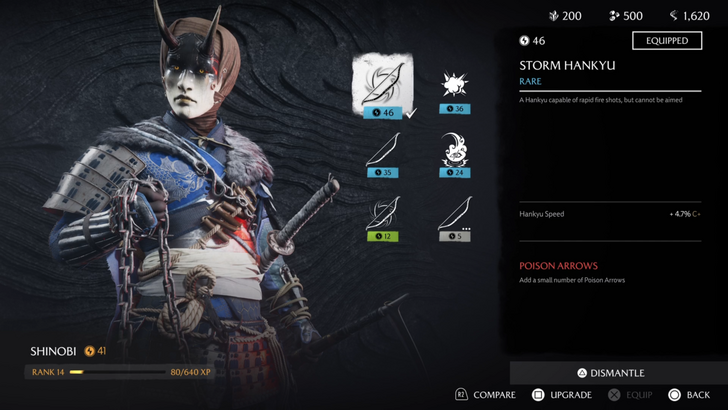
The DLC has a very simplistic RPG-style gear progression. Each piece has its own Ki rating or level that increases your overall Ki or gear score. Depending on the rating and its rarity, these items can have different passive bonuses to one of your stats.
Obtaining and upgrading gear is simple; accomplishing Story chapters and Survival missions rewards you with new items at your average Ki level. Finishing missions also nets you various currencies depending on the difficulty level, which can be used to upgrade your gear by increasing the Ki level, rerolling its perks, or even upgrading an item's rarity.
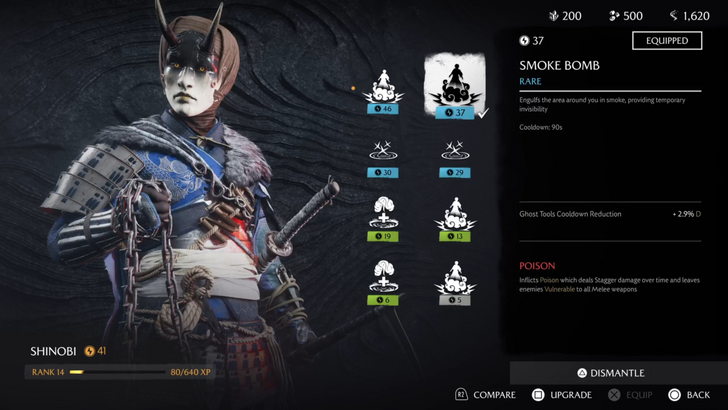
It’s similar to how it was in the previous iteration, only this time there are more gear slots for you to play around with. To be more specific, Tsushima only had 5 gear slots, whereas in Yotei, you could now equip 7 different items.
It’s a very straightforward gear system, one that does its job perfectly at highlighting the sequel’s new take on combat. This is mainly because, despite the increase in gear slots, each class has restrictions on weapons and tools that they can use.
Added Variety On Top of Classes
Expanding on the topic of progression comes the different classes. While the classes are largely the same as in the previous iteration, there are a couple of changes.
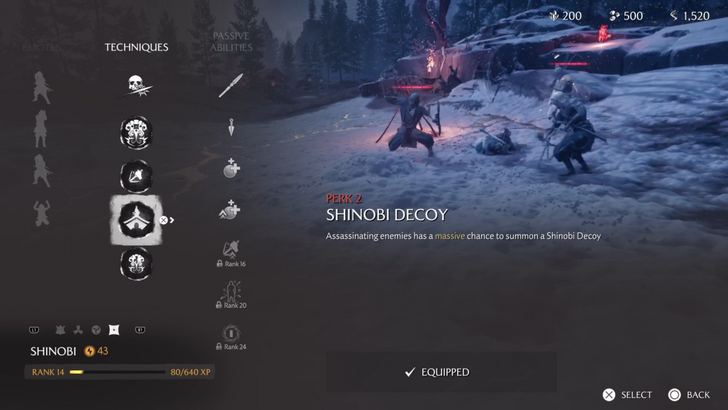
First off, their names differ from what they once were, but their identities and functions remain similar to those of their previous counterparts. An example of this is the Assassin class in the previous game, now being called the Shinobi this time around.
Second, the perks and abilities for each class now introduce a greater variety of build paths that you can take. For instance, one of the Shinobi’s perks has a chance to summon a decoy every time he scores an assassination. This works absolutely well with his class since his Class Skill, Vanish, allows him to be invisible upon activation and allows him to perform assassinations easily.
But that’s not where the magic happens, as this perk, along with his Rank 20 perk that allows him to chain Vanishes together after an assassination, means that you can potentially create an army of decoys. It’s a very interesting take on the class and the combat system as a whole, since no other class functions the same way it does in using Smoke Bombs and stealth kills in the thick of combat.
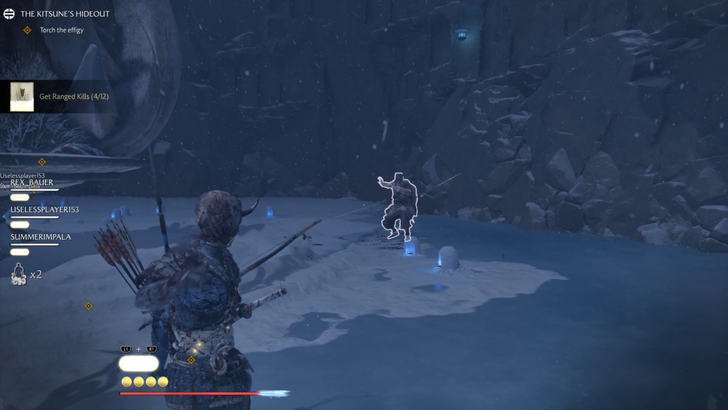
Lastly, each class has restrictions on weapons and tools that they can use, meaning that the Weapon Alignment system in the base game affects the way you approach combat as well. Using the Mercenary as an example, the class is able to bring a Katana, Dual Katana, and an Odachi, but cannot bring a Yari (Spear) or Kusarigama. This means that facing opponents with shields or sickles will be more troublesome, since you can’t stagger or break their stances easily.
It enhances combat because it’s actually something worth considering when teaming up with fellow Ghosts. Sure, you can play the same class and just play to your strengths, but you could also play a class that covers each other’s weaknesses. Or, you know, just play a Samurai, since you can equip every weapon instead and just dominate fights.
Challenge Cards Make All the Difference
The natural progression in playing Legends is to tackle harder difficulties to obtain better gear and rewards. But there’s also another caveat to playing at a harder difficulty, and these are the Challenge Cards. In favor of the Bonus objectives in the previous game, Challenge Cards are special objectives chosen by the player that affect mission encounters.
And, as with its rewards system, the harder the challenge, the higher the reward. In this case, more currency to upgrade your gear. But it’s not just the reward that changes, as this also adds more variety to the different missions that you’ll inevitably repeat.
Some Challenge Cards require you to get a specific number of kills using a ranged tool or weapon, while there are others that function as modifiers on that specific part of the mission. It could be a longer time to revive your fellow Ghost when they go down, or maybe even a straight-up increase in damage for all of the enemies in the fight.
It’s a much more involved system, rather than side objectives with fixed spawns. Not only that, but it also adds a little spice when playing at the greater difficulties, since it takes a random Challenge Card from what the players chose and adds it to one of the encounters in the mission.
Difficulty Spikes Can Be Brutal
That said, the difficulty spikes can be very brutal. Even someone like me, who played the base game on the hardest difficulty and played through the different Nightmare Raids in the previous game, found that many of the missions and Challenge Cards are much harder this time around.
This can be a combination of factors, such as changes to combat mechanics, overall stage design, and more. But one thing’s for certain: the challenge can be tough when you’re trying to gear up quickly and catch up to other players who have already unlocked all of the Legendary gear and are at max Ki rating.
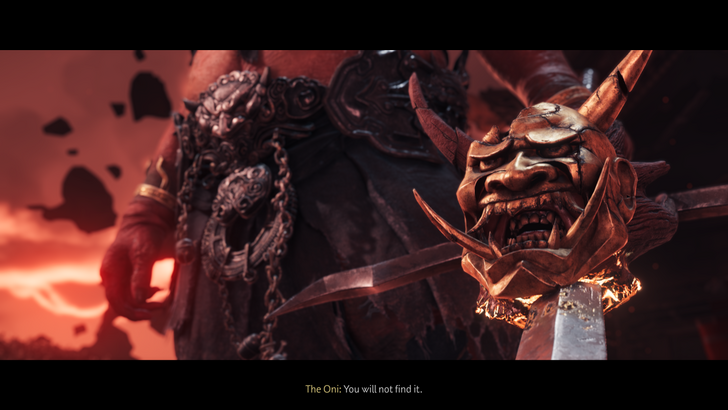
In my case, I had a couple of failed runs against the Oni in his particular Incursion. The combination of having enemies dropping flash bombs on death while having a gigantic demon with a bludgeon that floods the stage with fire was a learning experience. Of course, it’s not like it’s impossible to beat, just more to prove that the game can be skill-intensive when you choose it to be.
Even More to Come
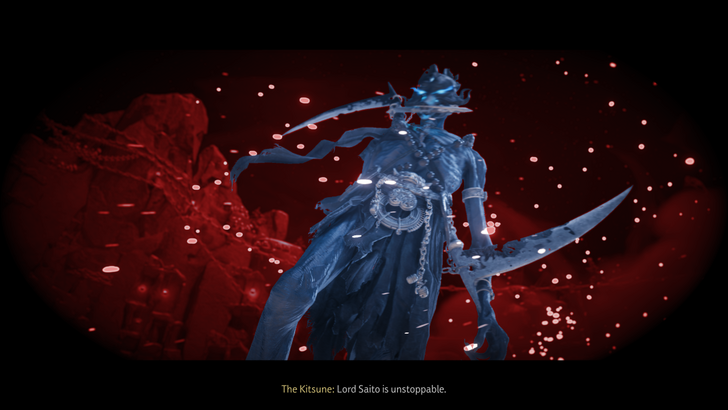
But everything aside, the best part of this DLC is that there’s literally more content to come. Sucker Punch has already announced that the Raids against the Dragon and Lord Saito will be coming soon next month, which means you have ample time to gear up and get all of your equipment ready before it arrives.
And older players also know that there could be more in store other than just Raids. Rivals, which were something akin to Destiny’s Gambits, could also be making an appearance, along with more enhancements to the game, like more difficulty levels, more Legendary equipment, and the like.
Is Ghost of Yotei Legends Worth It?
It’s Free For Owners and Absolutely Worth Your Time!
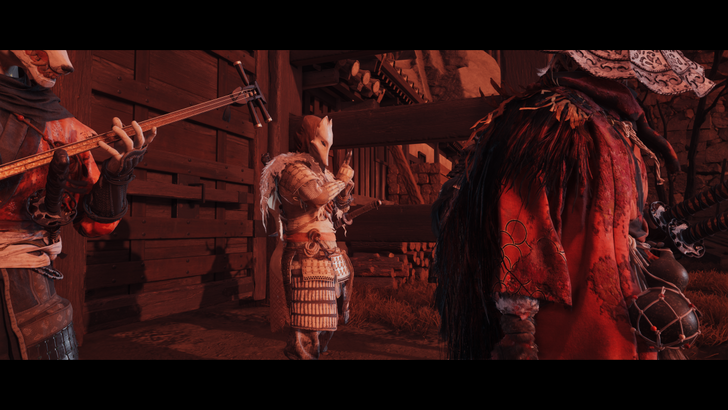
With all that said, it’s quite unbelievable that this DLC is free. Just like the base game being a direct improvement of the previous game, it’s already shaping up to be the same. Its narrative may not be amazing, but its gameplay loop and presentation remain top-notch. There’s also the fact that more content could be on the way as well, as Raids may not be the only thing coming within the year let alone the next few months.
Owners of Ghost of Yotei should absolutely give it a shot, not only because it's free, but also because it gives you more excuses to cut down your enemies. I would even go so far as to recommend getting a PlayStation Plus subscription for you to try it out. Those who don’t own the game, though, will have to wait if ever Sucker Punch decides to release the DLC as a standalone game as well.
FAQ
Do I have to finish the base game to play Ghost of Yotei: Legends?
No, all you have to do is access the game mode from the Settings menu in Single Player.
When will the Rivals game mode be included in Ghost of Yotei: Legends?
As of writing, there hasn’t been any news on its release or whether it will be included in the DLC. However, we can assume that this will be available at a later date, especially since the game may still have future updates on the way.
Game8 Reviews