

| REANIMAL | |||
|---|---|---|---|
| Release Date | Gameplay & Story | Pre-Order & DLC | Review |
Everything We Know About REANIMAL
REANIMAL Plot

REANIMAL follows a brother and sister as they navigate a horrifying island to rescue their missing friends. What was once their home has become a living nightmare—a place of loss, memory, and buried secrets. The story blends horror with hope, grounding its fear in the bond between two children who refuse to give up on each other.
REANIMAL Gameplay

REANIMAL is a co-op horror adventure that can be played solo or with a partner, both locally and online. Players control the siblings through tense, puzzle-driven environments that require communication and cooperation to progress. The shared camera design ensures both characters remain visible, heightening claustrophobia while maintaining connection. Exploration is split between boating sequences and land traversal, with each area offering new threats, mysteries, and story fragments to uncover.
REANIMAL Release Date
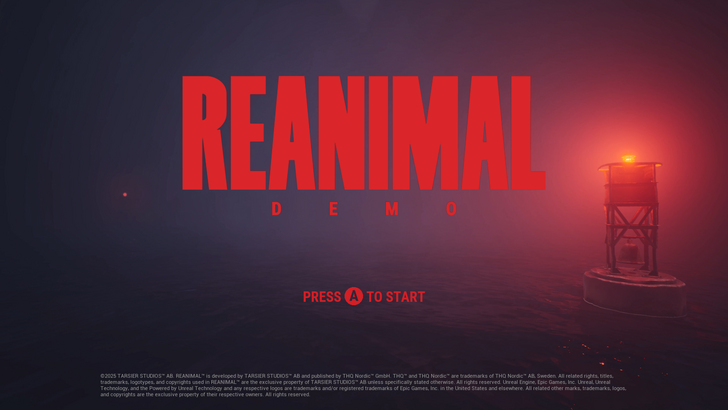
REANIMAL does not have a confirmed release date yet, but it is slated to be released for PC via Steam, Switch 2, PS5 and Xbox Series X|S next year, with full local and online co-op support at launch.
| Digital Storefronts | |||||||
|---|---|---|---|---|---|---|---|
 Steam Steam |
 PSN PSN |
 Xbox Xbox |
 eShop eShop |
||||
| $39.99 | |||||||
REANIMAL Review (Demo)
A Better Little Nightmare?

I’ve been knee-deep in nightmare inducing games lately—the kind where every hallway feels too long, every silhouette looks almost human, and silence itself is the scariest sound. Having just wrapped my review for Little Nightmares 3, I didn’t think I’d be stepping into another world built from the same cloth so soon. But here I am again, crawling through another childhood fever dream—this time, one called REANIMAL.
REANIMAL comes from Tarsier Studios, the creators of Little Nightmares 1 & 2, and you can tell. It has that same DNA, the oppressive lighting, the sense of scale that makes you feel impossibly small, and the storytelling that hides behind every creak and shadow. But this one’s different. The studio isn’t just revisiting what worked before, they’re digging their claws deeper, and honestly? I think they’ve found something sharper.
On paper, REANIMAL is a horror adventure about a brother and sister trying to rescue their missing friends and escape the island they once called home. It’s the kind of premise that sounds simple enough until you’re the one running through it, because everything here seems hostile.

Now, if you’ve been following my thoughts on Little Nightmares 3, you probably remember my biggest gripe: it lost a bit of its bite. It leaned into companionship and cooperation, sure, but it never quite let the horror breathe. The ideas were there—the execution wasn’t. So when REANIMAL opened its claws and said, "What if we did all that, but meaner?" I was listening.
For something that barely lasts forty-five minutes, REANIMAL managed to unsettle me more than Little Nightmares 3 did. It’s not because it’s louder, gorier, or more shocking—it’s because it knows exactly what it is. From the first scene, the tone is confident, deliberate, and deeply uncomfortable in the best way.
But just as it started getting good—really good—it ended. The demo cuts off mid-chase, right when your pulse is climbing, when you can practically taste the panic in your throat. It leaves you high and dry, staring at the "Thank you for playing" screen with that hollow feeling only a good horror tease can give you. I needed more—not out of impatience, but because I could feel it building toward something. Something darker. Something alive.
Good Couch Co-Op
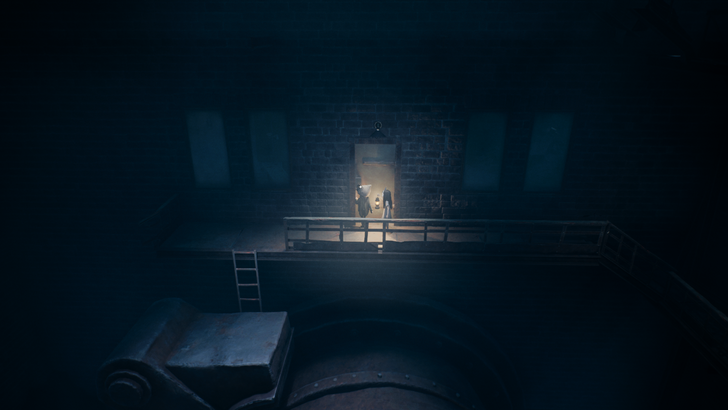
One of my biggest gripes with Little Nightmares 3 was the lack of local co-op. The series finally introduced dual protagonists but somehow stopped short of letting you experience it side-by-side. If the game could go online, why not let players sit next to each other? REANIMAL fixes that instantly. Right from the start, the option for local play changes the tone—it just feels more natural. Horror is a shared emotion, and this is one of those rare games that seems to know that.
Even when playing solo, REANIMAL’s approach to cooperation feels more grounded. There’s a smoothness to how the brother and sister work together, a rhythm that doesn’t feel as forced. Both games rely on similar mechanics—guiding your AI partner, showing them how to solve puzzles, or calling out with a simple "Hey!" to prompt an action, but in REANIMAL, those exchanges feel… less automated. The other character doesn’t just react, they respond. There’s a tangible sense of teamwork, even when you’re technically alone.
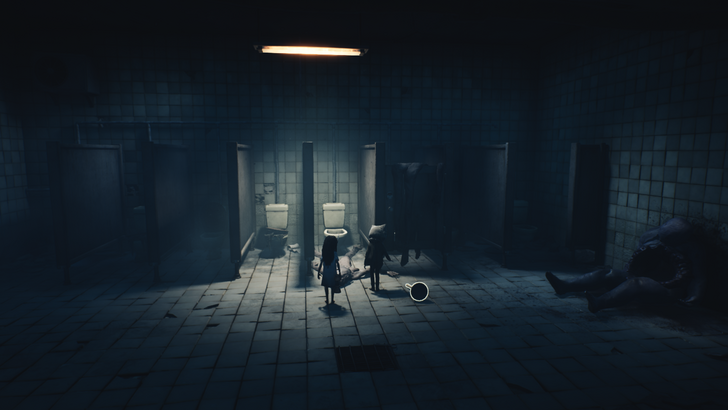
It also feels more polished compared to Little NIghtmares 3, a quiet kind of revelation to me. No more "hold-to-interact" tedium. And maybe I didn’t realize just how much Little Nightmares 3 had fatigued me with that input until REANIMAL showed me another way. The controls here are liberating. When things start chasing you, that immediacy matters.
It’s the same kind of refinement that makes you forget the mechanics exist—until you go back and realize how many tiny frustrations you no longer have to tolerate. REANIMAL doesn’t need to shout that it’s better. It just plays smoother, cleaner, more confident.
Building True Horror
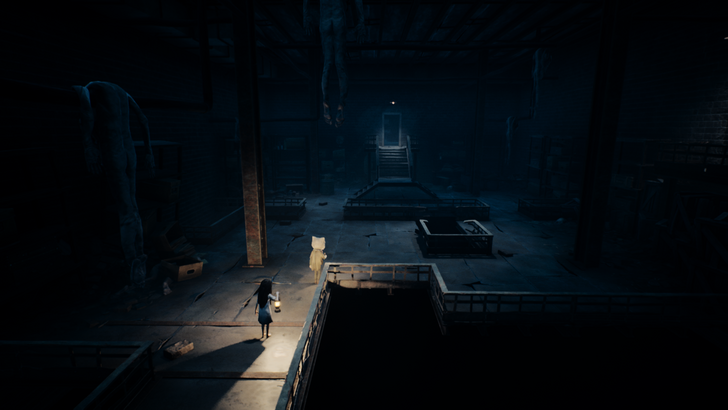
For all its charm and nightmare logic, Little Nightmares always leaned toward the surreal, a dreamlike dread, more unsettling than outright terrifying. REANIMAL isn’t interested in dreams. It wants to remind you what fear feels like when it’s awake.
From the moment you step into its world, everything feels heavier. The lighting is colder, the camera angles are tighter, and the sound design doesn’t just accompany you, it stalks you. It’s the kind of atmosphere that seeps into you before anything even happens.
REANIMAL trades surreal unease for something more primal. It doesn’t rely on grotesque imagery or abstract symbolism to make you uncomfortable. It relies on proximity. On sound. On the quiet knowledge that something is there, even if you can’t quite see it yet.
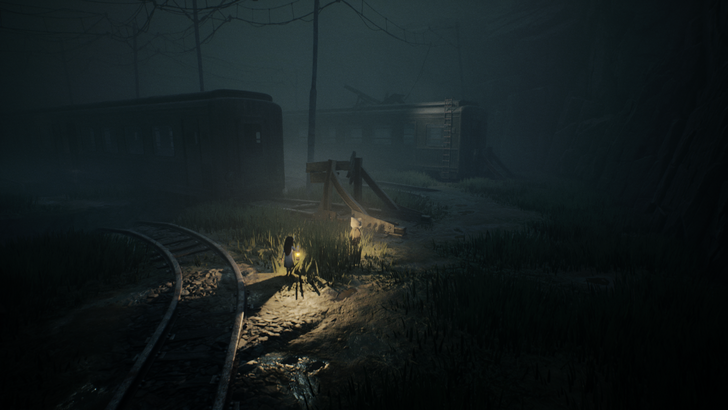
And when the game finally pushes you, it’s pure adrenaline. The demo’s final chase scene is the kind that sears itself into your memory not because of whatis chasing you, but because of what you felt. I won’t spoil the details, but the pacing is immaculate. One second you’re sneaking your way out, and the next, you’re running—instinct taking over as your hands move faster than your brain.
And then it was over, just as it was getting good. That’s how you know a horror game has you. Not when you jump, not when you scream, but when you sit there in silence, wanting to go back even though you’re afraid of what’s waiting for you.
Small Gripes, Big Potential
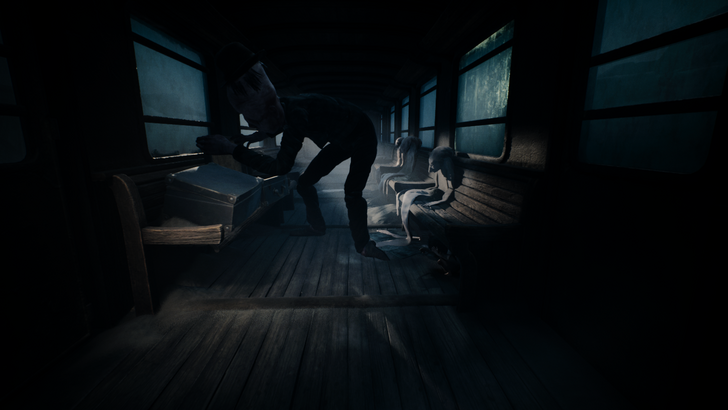
Of course, not everything in REANIMAL hits perfectly, though honestly, if these are the biggest complaints I can muster from a forty-five-minute demo, that says a lot about how strong the foundation already is.
The first thing that stood out to me—or rather, got in my way—was the camera framing during solo play. Since REANIMAL supports local co-op, the camera makes sure both siblings are always visible on-screen, no matter which one you’re controlling. It’s a fair design choice for two players sharing the same space, but when you’re playing alone, it can get a little awkward. The focus prioritizes keeping both characters centered instead of following the one you’re actually moving. It doesn’t break the game, but it does make precision moments feel clumsy, like trying to thread a needle while someone’s tugging the frame slightly off-center.
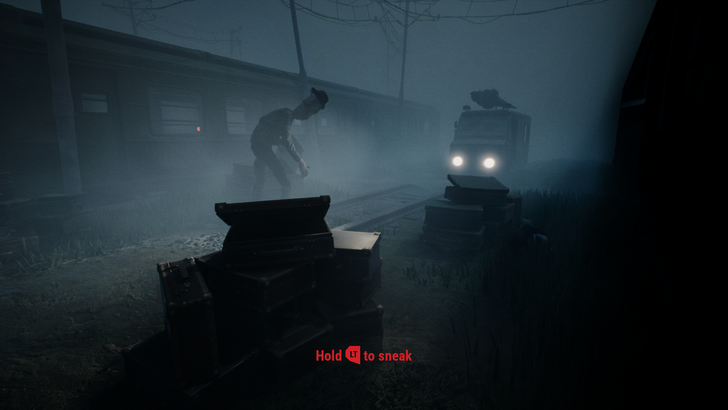
The other small gripe? Running. Or, more specifically, how draggy it feels. There’s weight in every step—which, to be fair, adds tension during chase sequences—but in quieter exploration moments, it borders on sluggish. You feel the lag between intent and action just a second too long, enough for your brain to notice it even if your heart’s too busy pounding.
None of this ruins the experience, though. Far from it. In fact, these rough edges almost feel like the kind of tuning issues you’d expect from a pre-release build. The important part— the feel of the game—is already there. The atmosphere works. The mechanics click. The tension lands. If this is what REANIMAL looks like in demo form, then I’m not worried about the final product… then I’m excited.
Dread, Perfected
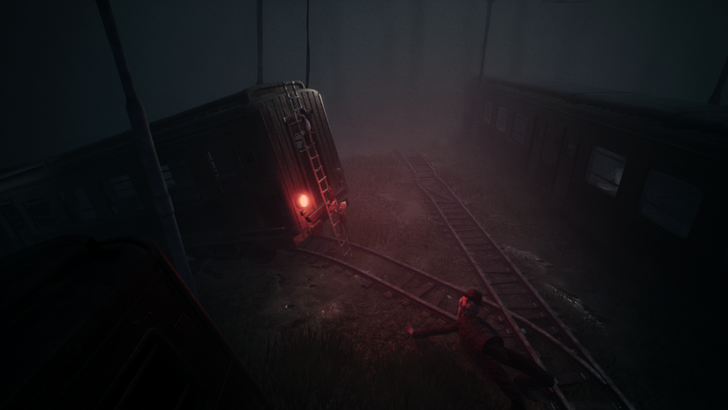
For all its familiarity, REANIMAL never once felt like it was chasing Little Nightmares. If anything, it feels like it’s quietly redefining what that legacy could’ve been. It borrows the eerie charm and the childlike vulnerability, sure, but it pushes further into something more grounded, and, honestly, more frightening.
This short demo doesn’t just tease a world; it establishes confidence. It’s not a team trying to recapture old magic—it’s one that knows exactly what kind of monster it’s building. I’m excited, but I’m also cautious, because if this forty-five-minute slice is any indication, the full game is going to demand more from us as players. Not just quick reflexes, but emotional investment.
If this demo was just the appetizer, then I can’t wait to see what kind of nightmares the full course brings.
Game8 Reviews

You may also like...
 |
Little Nightmares 3 Review Puzzle, Horror |
 |
Bendy: Lone Wolf Review Roguelike, Action, Horror, Survival |
 |
Bye Sweet Carole Review Action, Adventure, Puzzle, Indie |
 |
Silksong Review Action, Metroidvania |
 |
Hirogami Review Action, Platformer |
REANIMAL Product Information
 |
|
| Title | REANIMAL |
|---|---|
| Release Date | 2026 |
| Developer | Tarsier Studios |
| Publisher | THQ Nordic |
| Supported Platforms | PC (Steam), Switch 2, PlayStation 5, Xbox Series X|S |
| Genre | Horror, Adventure, Co-op |
| Number of Players | 1-2 |
| ESRB Rating | T |
| Official Website | REANIMAL Official Website |