
| REANIMAL | |||
|---|---|---|---|
| Release Date | Gameplay & Story | Pre-Order & DLC | Demo Review |
REANIMAL Review Overview
What is REANIMAL?
In REANIMAL, players explore mysterious islands to save their missing friends, facing environmental hazards, grotesque creatures, and challenging puzzles. The game combines 3D platforming, boat navigation, combat, and cooperative gameplay, with layered story elements and detailed environmental storytelling.
REANIMAL features:
⚫︎ 3D Cinematic Platforming
⚫︎ Grotesque Monsters
⚫︎ Distinct and Detailed Environments
⚫︎ Ambiguous Story threads Encourage Multiple Playthroughs
⚫︎ Co-op With Friend Pass
For more gameplay details, read everything we know about REANIMAL's gameplay and story.
| Digital Storefronts | |||||||
|---|---|---|---|---|---|---|---|
 Steam Steam |
 PSN PSN |
 Xbox Xbox |
 eShop eShop |
||||
| $39.99 | |||||||
REANIMAL Review: More Ruthless Than Any Little Nightmares
Better, Bigger, and Darker
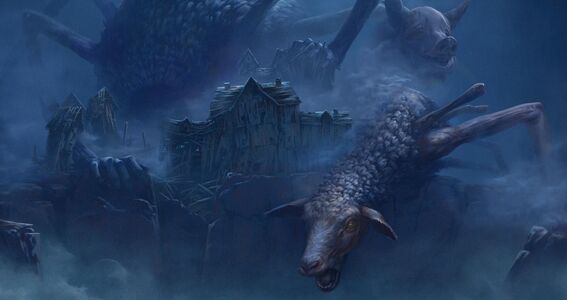
Years ago, Little Nightmares took the world by storm with its eerie atmosphere, unsettling imagery, and that distinct feeling of being small, helpless, and constantly watched. And now, Tarsier Studios is back at it again with their signature brand of nightmare-fueled storytelling, and this time, they’re even more ruthless with the execution.
So when I first saw REANIMAL, I was already paying attention. And when I got my hands on its demo last year, which was around the same time Little Nightmares 3 was released, the contrast couldn’t have been clearer to me. Within minutes, I knew this wasn’t just another dark puzzle-platformer trying to ride on past success. This was Tarsier sharpening everything they’d learned over the years and pointing it straight at the player’s nerves.
And yes, if you read my demo review, I was right. In many ways, REANIMAL is better than any Little Nightmares.
Hope Doesn’t Exist In A War Torn World
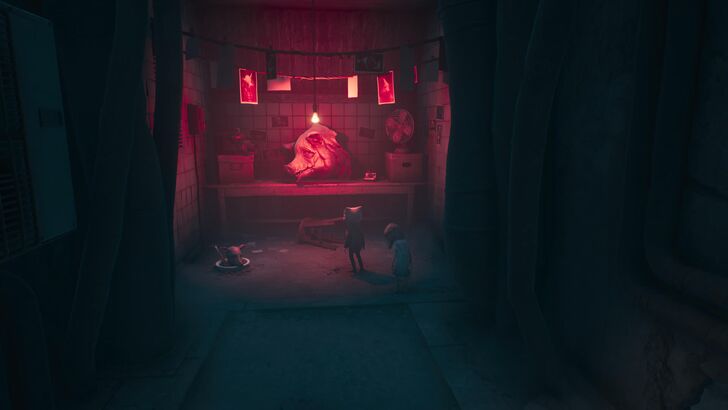
At first glance, REANIMAL looks like another familiar Tarsier experience; we have a small and fragile protagonist navigating massive, hostile environments that trigger both claustrophobia and megalophobia at the same time; everything is oversized, everything feels dangerous, and everything feels like it could crush you without even noticing you were there.
But while it is absolutely all of that, REANIMAL is also something more. Where Little Nightmares centered on Six desperately trying to escape a nightmare world that already felt lost, REANIMAL shifts the emotional focus. This time, you’re not running away. You’re going back.

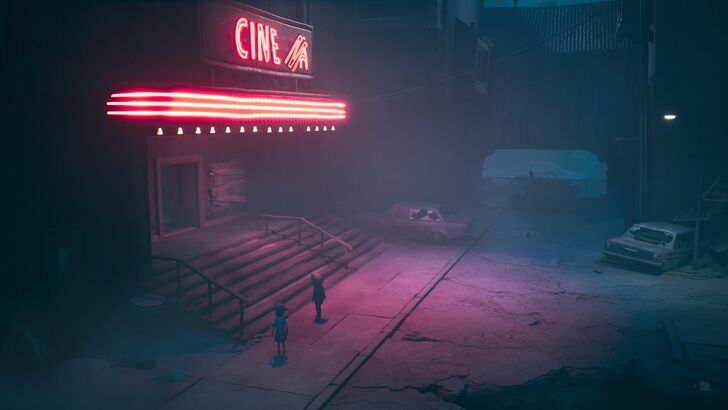
You play as a pair of siblings who return to their ruined hometown after a massive catastrophe has torn it apart, literally separating the area into isolated islands. In the chaos, three of their closest friends have gone missing. The game doesn’t go into what caused the catastrophe, how exactly the friends were separated, or even how and why the siblings managed to escape in the first place, leaving players to piece together the larger context through implication and environmental clues. In fact, it takes the entire journey just to begin seeing the bigger picture. And even after you’re done, there’s a very real chance you’ll still be sitting there asking yourself what parts were literal, what parts were symbolic, and what parts were never meant to be understood at all. What begins as a rescue mission slowly turns into something far more unsettling.
Drifting Between Ruins, Rescues, and Relentless Escapes
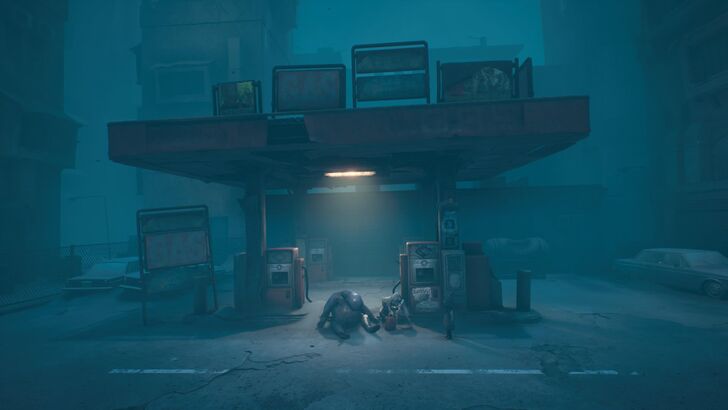
At its core, REANIMAL’s gameplay loop is a carefully balanced rhythm of exploration, survival, and escape. You move through distinct islands, each one feeling like its own self-contained nightmare, searching desperately for your missing friends. Every successful rescue isn’t a moment of relief but rather, it’s a signal that things are about to get worse. Find a friend. Trigger something terrible. Run for your life. Escape the island. Repeat. That cycle becomes the backbone of the experience.
Between locations, you’re treading dangerous waters, where visibility is limited and danger feels ever-present. Even the "downtime" between levels carries tension, as if the game refuses to let you breathe for too long.
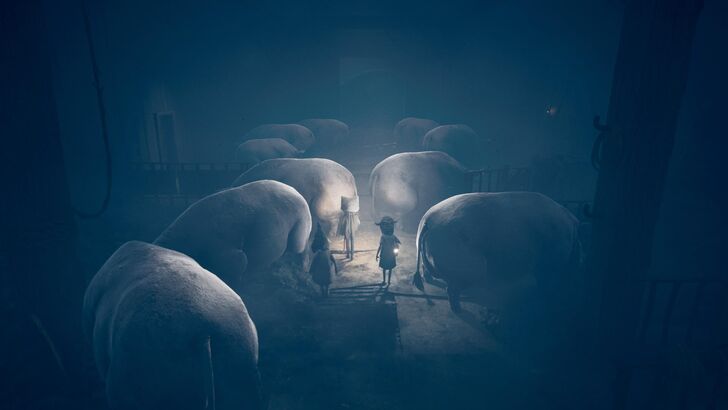
Along the way, you’ll engage with a mix of platforming challenges, combat encounters, and environmental puzzles. Sometimes you’re timing jumps across collapsing platforms. Sometimes you’re sneaking past grotesque creatures that can tear you apart in seconds. Other times, you’re manipulating objects, levers, and mechanisms to open new paths forward. It’s a surprisingly varied loop, and it keeps the experience from ever feeling one-note. But I’m getting ahead of myself. Now that we’re all on the same page, let’s actually start the review.
Horror That Seeps In Slowly
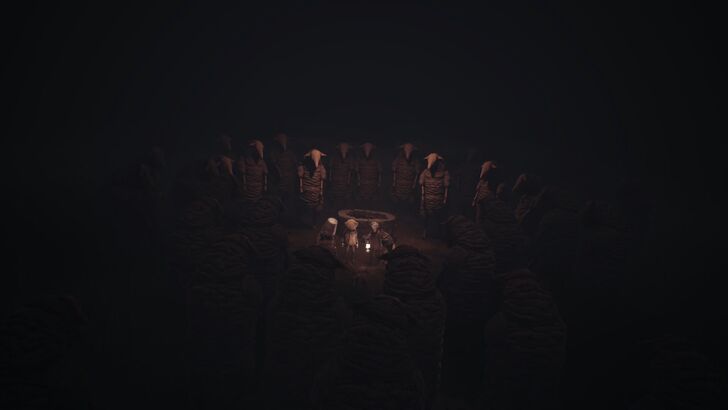
"I thought you were dead." Those are the first words the boy says to his sister after pulling her from the water, saving her from drowning. She’s panicked, disoriented, and terrified—so much so that she immediately lashes out at him, attacking in blind fear before the two of them finally calm down and recognize each other.
At the moment, it feels natural. Innocent, even. Of course he’d say that, she was drowning. It’s just a small piece of dialogue in an otherwise quiet game. And yet, by the time I reached the end of REANIMAL, those five words were echoing in my head.
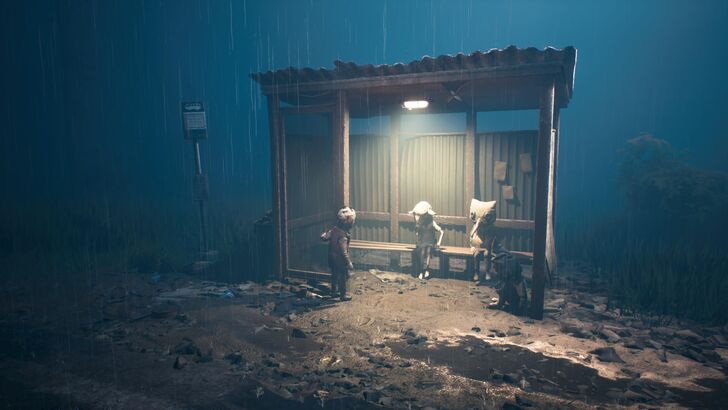
Because REANIMAL’s story—much like every other aspect of its design—has a habit of circling back on itself, much like an Ouroboros. Details that seem insignificant at first slowly reveal deeper meaning. Moments you barely register early on return later with devastating emotional weight. What initially presents itself as a story of fragile hope is actually something far crueler. It’s a story steeped in despair, in broken trust, in quiet disloyalty.
And that’s where REANIMAL’s horror truly lives, going far beyond the disturbing imagery Tarsier is known for. REANIMAL embeds its fear directly into the narrative, making it sneak back into your thoughts when you’re trying to sleep, replaying certain scenes in your head, wondering what they truly meant. The story itself is disturbing. The implications behind events are disturbing. The gradual realization of what has happened is disturbing.
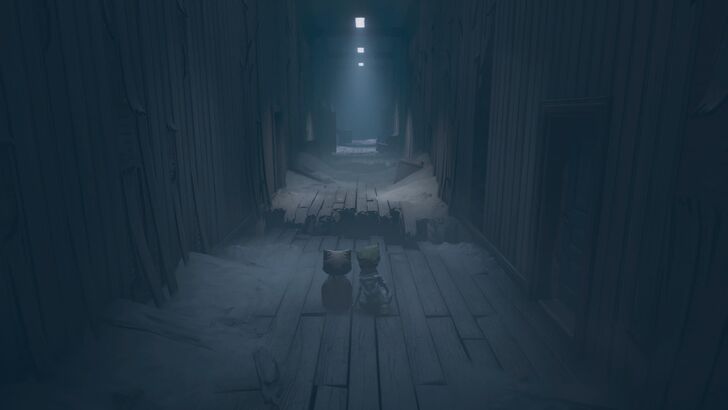
This kind of storytelling transforms REANIMAL from a " creepy platformer with puzzles" into something emotionally engaging. The ambiguity to REANIMAL’s storytelling refuses to spell things out for you or offer easy interpretations. For some players, that kind of narrative opacity might feel frustrating. For me, it is one of REANIMAL’s most haunting strengths because it’s REANIMAL respecting its players’ intelligence.
Now it’s time to talk about how the game actually plays because REANIMAL’s mechanics do more than just support the story.
Quietly Guided Without Ever Feeling Controlled
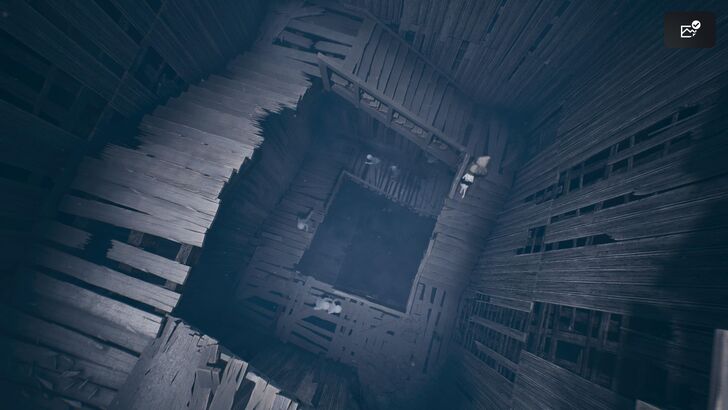
Like I mentioned above, REANIMAL has this fascinating habit of letting everything circle back on itself—its story, its themes, even its moment-to-moment gameplay. That same ouroboros-like design philosophy extends directly into how the core loop is structured.
On paper, the game is still fairly linear. You move from Island A to Island B to Island C and so on and so forth. You rescue a friend. You escape. You repeat. But it doesn’t feel tedious because the loop is cleverly divided into two intertwined spaces: the islands and the sea. One moment, you’re exploring ruined towns, army bases, and grotesque farms, solving puzzles and navigating hazards on land. The next, you’re back on your small boat, drifting through fog-covered waters, steering between debris, wreckage, and lurking threats. These two spaces constantly alternate, creating a rhythm that never settles into monotony.
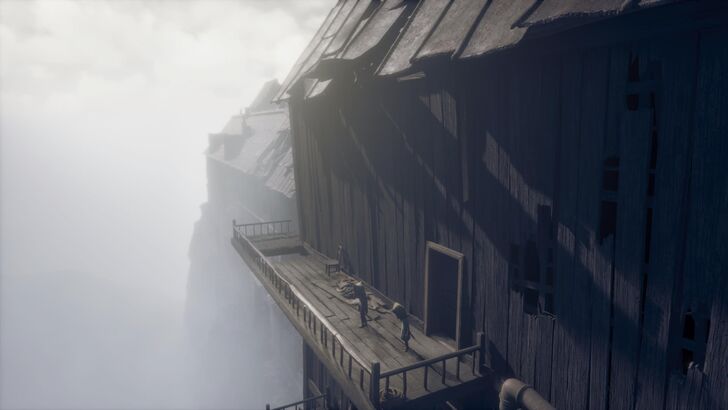
What’s impressive is how REANIMAL naturally pushes the progress forward by subtly herding you through environmental design. More than once, I found myself wandering through twisted streets and flooded buildings, only to realize I had looped back to where I started—standing on the same shoreline, staring at the same boat I arrived in. But now, a divergent path is available to me and another way forward is clear. I hadn’t been told to go there, I’d been led back and I hadn’t even noticed that the game had guided me where it wanted me to go.
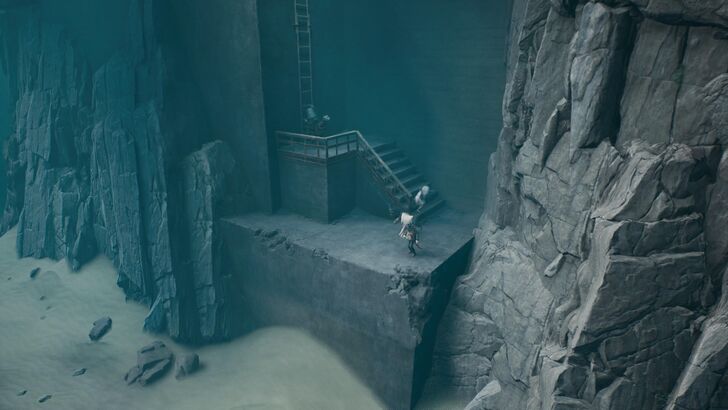
That design trick might sound small and simple, but it has a huge impact on how the game feels to play. The world is coherent. Logical. Like a real place with real obstacles, rather than a series of levels stitched together for convenience. It also maintains momentum because you’re always discovering progress organically, the pacing stays tight. There’s no long stretches of confusion, no aimless wandering, no frustration from not knowing what to do next.
REANIMAL is elegantly pulling the strings and it’s one of the reasons REANIMAL doesn’t lose its grip on you once it gets going.
Quiet Exploration to Chaotic Survival on Each Island
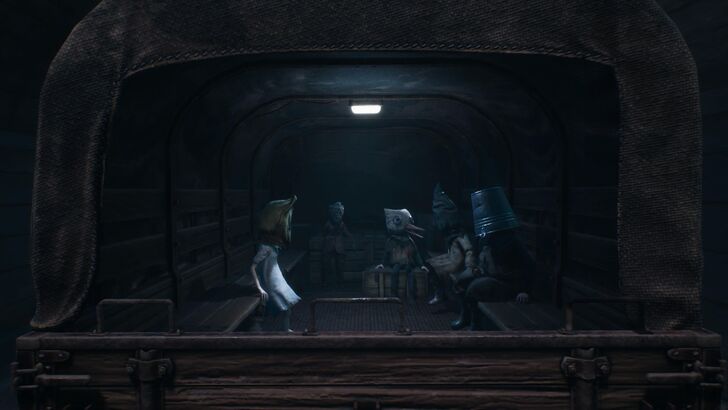
The island sections are where REANIMAL first lets you settle into its rhythm and then slowly tears that comfort away. In the early moments, most islands feel deceptively calm. You’re mainly exploring, moving through abandoned structures and landscapes, searching for your missing friends. Then, almost without warning, the gameplay begins to evolve. Suddenly, you’re not just walking and jumping anymore. You’re fighting.
Enemies start appearing in more aggressive patterns. Situations demand faster reactions. You’re forced into confrontations rather than sneaking past everything. Later on, the game even introduces sections where you’re controlling vehicles and machinery, navigating unstable terrain while trying not to get overwhelmed.
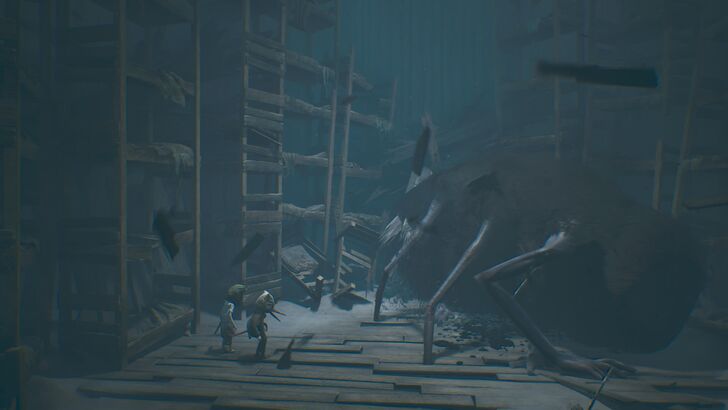
On top of that, the puzzles become more layered. Some require you to manipulate objects across different parts of an island. Others force you to think about how one area affects another. There are even moments where you’re solving problems that stretch beyond your immediate surroundings, linking multiple zones together.
What I loved about this progression is how natural it feels and how the islands never grow stale. Just when you think you’ve figured out the formula, REANIMAL adds a new wrinkle. A new threat. A new tool. A new way to interact with the world. The constant evolution keeps you mentally engaged and emotionally invested, rather than letting the game slip into autopilot.
Open Waters is Another Battleground
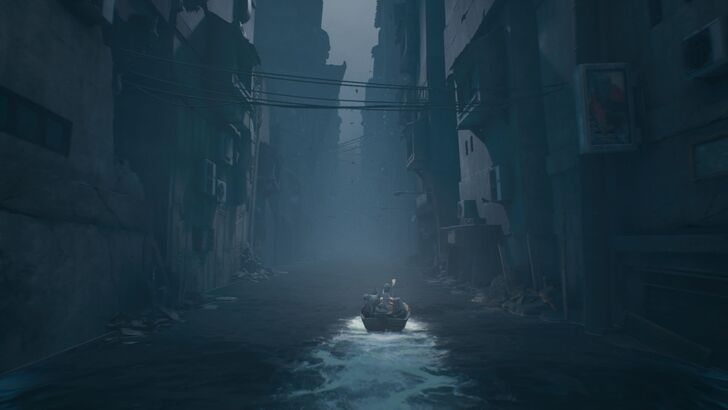
If the islands are where REANIMAL tests your problem-solving and platforming skills, the sea is where it proves that nowhere is truly safe. At first, navigating the waters feels like a breather. You steer your boat through foggy channels, weaving between wreckage and ruined structures, enjoying a brief sense of freedom. However, that doesn’t last, the sea segments will also evolve the same way the islands do, with the introduction of combat. Yes, we have naval combat here.
Creatures begin emerging from the depths. Some stalk from the back. Others attack without warning. And suddenly, your boat isn’t just a means of transportation anymore. It becomes a weapon. This completely recontextualizes the ocean. What once felt like downtime becomes another high-stakes arena, preventing tonal whiplash. There’s no "safe zone" in REANIMAL. The tension doesn’t disappear the moment you leave land. Instead, it follows you.
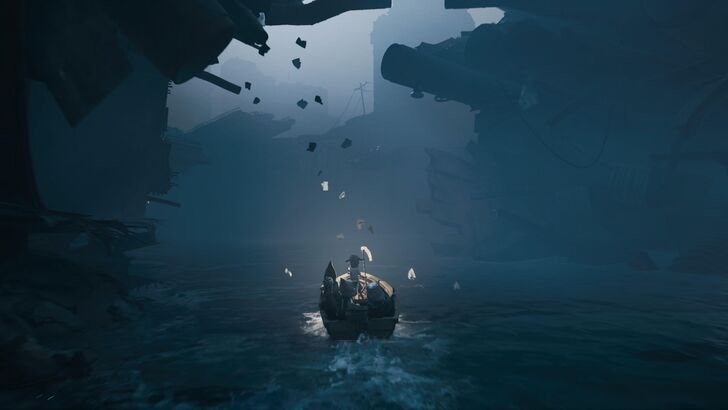
It also reinforces the game’s central theme which is vulnerability. You’re never overpowered. You’re never dominant. Even when you’re fighting back, you’re doing so desperately, using whatever scraps the environment gives you. That keeps every encounter meaningful and every victory hard-earned.
Puzzles Stretch Across Islands
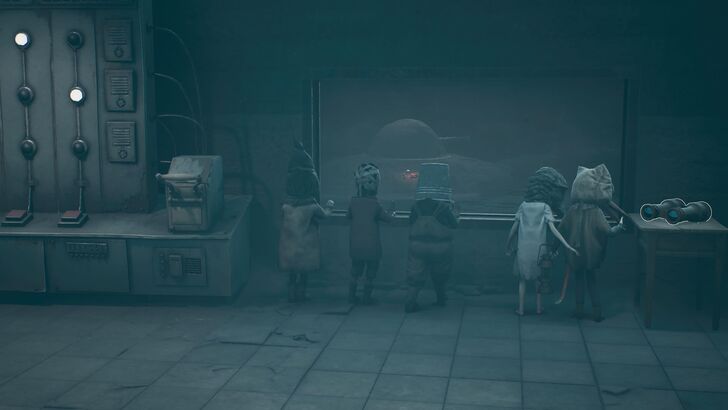
But really, one of the biggest surprises for me was just how interconnected REANIMAL’s world is. In Little Nightmares, backtracking was minimal. Most puzzles were self-contained, solved within the same room or sequence you encountered them in. Once you moved forward, you rarely looked back.
REANIMAL takes the opposite approach. Here, puzzles are layered across spaces, areas, and sometimes even entire islands. You might discover a locked door early on with no idea how to open it. Hours later, in a completely different location, you’ll stumble upon the missing key and suddenly realize what it is for.

Some puzzles are separated by vast distances. And I loved that. My favorite example is a moment involving a literal cannon. Yes… a cannon. On one island, I found an inactive artillery device to be pointed at a creature. No ammunition. No instructions. No obvious way to use it. On another island entirely, was a machine that allowed me to request specific cannonheads and ammunition.
Only after connecting those dots—across multiple locations—could I finally activate the cannon, and open a new path. It felt incredible, not because it was complicated, but because it trusted me, the player, to figure it out.
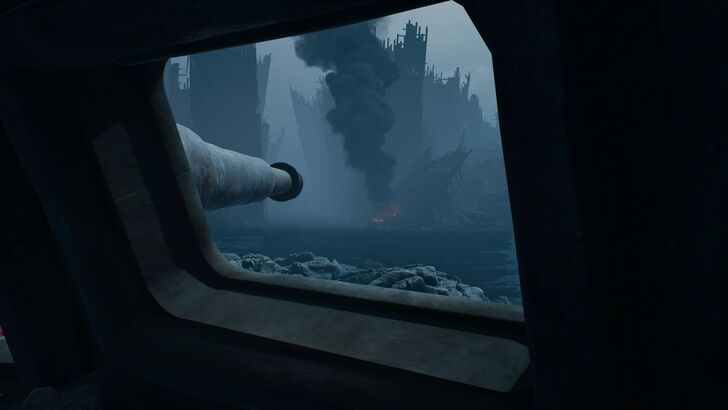
It encourages genuine observation. You start paying closer attention to your surroundings, remembering strange symbols, half-explained devices, and unexplained obstacles. You’re no longer just reacting to what’s in front of you, you’re building a mental map of the entire world.
It also gives your progress real weight. When you finally solve one of these long-form puzzles, it feels earned. It feels like the result of hours of curiosity and persistence, not just following instructions. In a genre where puzzles are often disposable, REANIMAL makes them meaningful, and that makes every breakthrough feel like a personal victory.
Sharing the Nightmare Through Co-Op
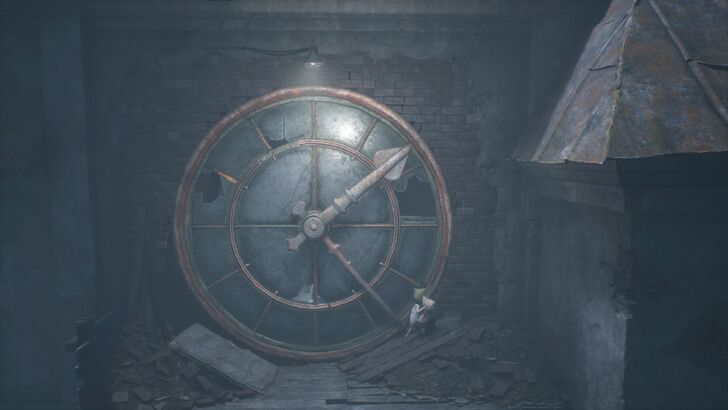
The mechanic that highlighted puzzles the most for me—and something I already appreciated during the demo last year—is REANIMAL’s couch co-op. From the beginning, the game is designed around the relationship between the two siblings. So allowing two players to control them side by side just feels right.
Playing cooperatively transforms the game. Puzzles become collaborative efforts. Combat becomes coordinated chaos. Exploration becomes a shared discovery. You’re constantly communicating, planning, and reacting together—sometimes calmly, sometimes in full-blown panic.
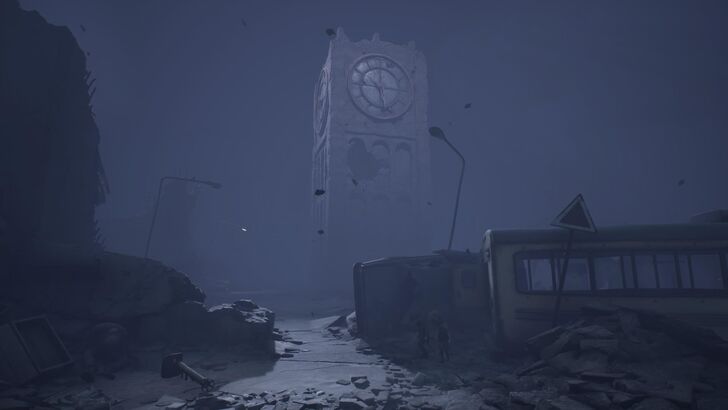
And the inclusion of Friend Pass is a huge plus. Being able to invite someone to play with you without forcing them to buy a separate copy lowers the barrier to entry in a meaningful way. It shows that Tarsier actually wants people to experience this together, rather than treating co-op as a monetization opportunity.
Technical Friction Fades Over Time
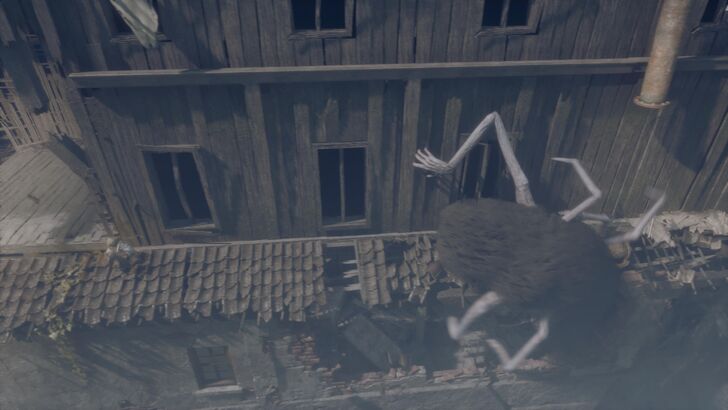
Going into the full game, I was curious to see whether the small issues I noticed in the demo would still be present. Specifically, the occasionally awkward camera angles and the slightly sluggish character movement.
During the short 45-minute demo, the camera and movement issues stood out more. They were easier to fixate on. But across roughly eight hours of full gameplay, I stopped caring. Not because the problems vanished—they didn’t—but because the game around them was strong enough to carry me past them.
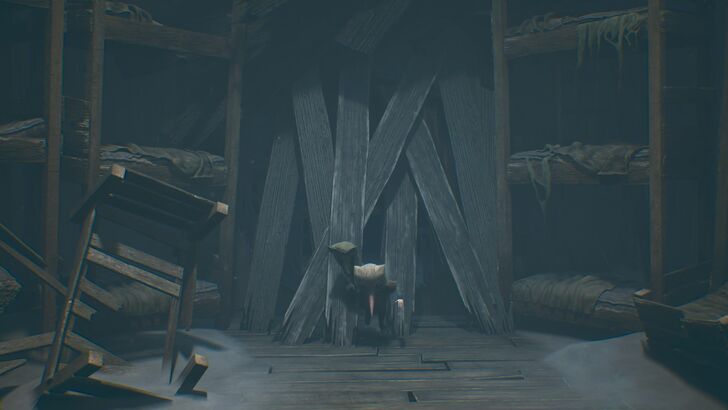
On top of those concerns, I did run into one bug during a chase sequence. In the middle of a high-tension escape, the game glitched that forced me to restart from the last checkpoint. There are no manual saves in REANIMAL, so when something like that happens, you’re entirely reliant on the checkpoint system. Thankfully, checkpoints are frequent.
I only lost a few minutes of progress, and it didn’t derail the experience in any meaningful way. It was more of a brief interruption than a serious setback. Still, in a game that thrives on immersion and tension, even small breaks like that are worth mentioning. But again, REANIMAL is a game that excels at every front so once I was fully immersed in the story, atmosphere, and pacing, those minor frustrations faded into the background.
Is REANIMAL Worth It?
Yes, It’s A Worthy Heir to Tarsier’s Legacy

At $39.99, REANIMAL delivers a tightly crafted, emotionally gripping experience that more than justifies its price. You’re not just paying for a set of levels with puzzles and enemies; you’re investing in a world that’s carefully designed to haunt you, challenge you, and reward your attention at every turn.
From its interconnected islands to the evolving gameplay loop, REANIMAL constantly keeps you engaged so that even the minor technical hiccups never break the immersion. Co-op adds another layer of value, turning the experience into a shared journey of discovery and tension. And when it comes to replayability, the narrative ambiguities mean you’ll likely return to piece together new details and interpretations you may have missed the first time.
REANIMAL is an experience that grabs you from start to finish, and for anyone who enjoys horror, mystery, and clever game design, it’s more than worth the price.
REANIMAL FAQ
What is REANIMAL’s Actual Story?
The story of REANIMAL is intentionally open to interpretation. Visual cues, events, and character actions may or may not represent what they first appear to, leaving much of the narrative ambiguous. What is clear is that the siblings’ hometown has been plunged into chaos—whether this is the result of war, a curse, or some darker force is left for the player to interpret.
What is the Significance of the Lamb in REANIMAL?
The lamb is one of REANIMAL’s recurring symbols, blending innocence with horror. Traditionally, lambs are associated with sacrifice, and in the game they are twisted into monstrous forms that reinforce the world’s brutality. The imagery invites players to interpret how purity, sacrifice, and corruption evolve within the narrative, making the lamb both a literal and symbolic representation of the game’s darker themes.
Game8 Reviews

You may also like...
 |
Little Nightmares 3 Review Puzzle, Horror |
 |
Bendy: Lone Wolf Review Roguelike, Action, Horror, Survival |
 |
Bye Sweet Carole Review Action, Adventure, Puzzle, Indie |
 |
BrokenLore: UNFOLLOW Review Psychological Horror |
 |
Pathologic 3 Review Adventure, Psychological-Horror |
 |
Little Nightmares Spiritual Successor REANIMAL Gets 3 DLCs and Friend Pass |