| Towerborne | |||
|---|---|---|---|
| Release Date | Gameplay & Story | Pre-Order & DLC | Review |
Towerborne Review Overview
What is Towerborne?
Towerborne is a side-scrolling action RPG brawler by developer Stoic, set to release its Version 1.0 on February 26, 2026, on PlayStation 5, Xbox Series X|S, and Steam. The game will also be in Steam’s Early Access until the full version is released.
In Towerborne, players must venture into The Wilds to reclaim lost territory, protect refugees, and solve the mystery of the City of Numbers.
Towerborne gives players the ability to seamlessly swap between four distinct classes. The classes include the Sentinel, Pyroclast, Rockbreaker, and the Shadowstriker. Moreover, spirit companions called the Umbra will also provide players with support in battle.
Towerborne features:
⚫︎ Side Scroller Beat ‘Em Up RPG
⚫︎ 4 Playable Classes
⚫︎ Streamlined Gear Systems
⚫︎ Stylized Fantasy Setting
⚫︎ Full Release Narrative
⚫︎ Up to 4 Player Co-op
⚫︎ Multiple Difficulty Levels
For more gameplay details, read everything we know about Towerborne’s gameplay and story.
| Digital Storefronts | ||
|---|---|---|
 Steam Steam |
 Playstation Playstation |
 Xbox Xbox |
| $24.99 | ||
Towerborne Review: A Game That Should've Caught On
Potential That Was Never Fulfilled
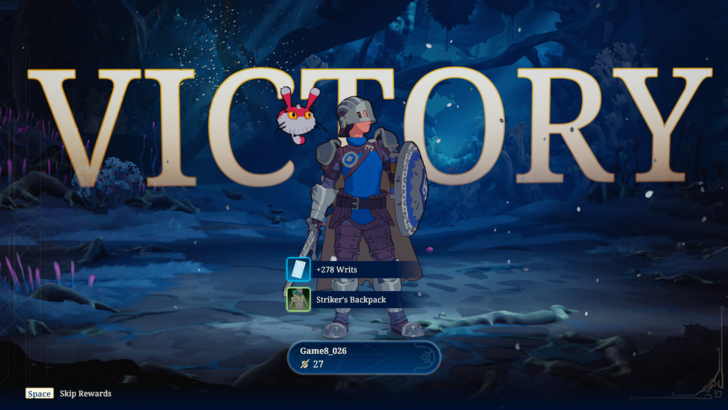
Have you ever encountered a game with extremely good ideas that just never caught on with the general public? Even when you know that it could’ve been a pretty decent game if only people knew more about it? That’s exactly what I feel with Towerborne.
Towerborne is a side-scrolling beat-‘em-up co-op RPG with loot and skill systems that has one of the more entertaining combat mechanics I’ve seen in the genre. The game was initially designed as a lite version of an MMO, one where players could group up and explore the game’s massive map to farm endlessly for better loot to perfect their class builds.
But there was one huge problem: It never caught on.
The once-promised free-to-play live service beat ‘em up RPG was in dire straits, and the developers at Stoic foresaw that if the trend continued, they wouldn’t be able to keep the game alive. So they were forced to pivot from the original plan and release the game as an offline premium game instead, right at the last minute, too.
That brings us to the game’s full release, one that’s advertised as having a more cohesive story campaign while retaining the game’s beat-'em-up RPG hybrid. As a player during its Early Access days, I can’t help but be obligated to at least check out what the game has to offer, or at the very least check out what could’ve been. And let me tell you right away that it’s actually much better than Early Access in almost every way. But sadly, it’s a game that asks what could’ve been instead of being what it is.
Improved Storytelling, But Not By Much
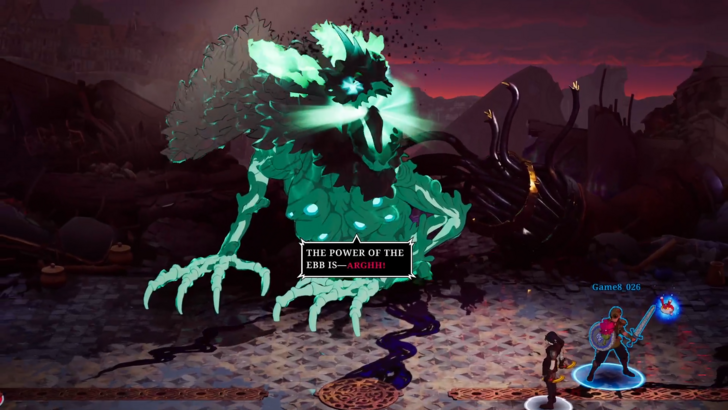
Let’s first address the elephant in the room: the narrative. The full release definitely improved the game’s storytelling, as it finally has an overarching narrative that actually develops and slowly introduces the world and its characters. But first, let me give you some context.
The story begins in the City of Numbers, a safe haven for humanity that protects its people from the monsters roaming the land. When the city is suddenly attacked by monsters and a mysterious force, the population is forced to evacuate.
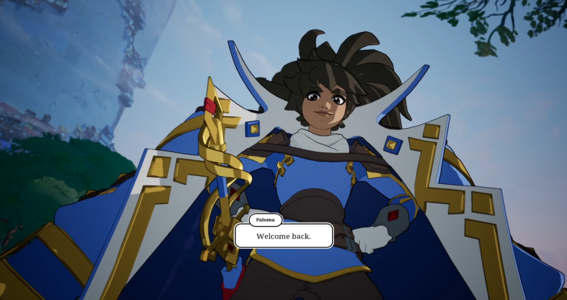
Though you are only an ordinary human, you help with the evacuation, but ultimately lose your life in the process. Your bravery does not go unnoticed, however, as Paloma retrieves your soul from the spiritual realm, Ebb, and restores you to the Shore or the physical world.
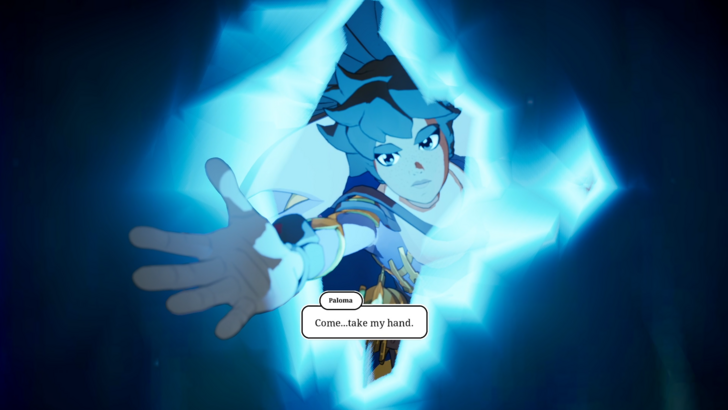
As the de facto leader of the Aces, special warriors trained to fight against monsters, she welcomes you into their ranks and immediately asks you to help in the evacuation efforts since the escape to their new safe haven, the Belfry.
From here, the story introduces you to new characters and plotlines that actually develop, especially giving more context as to who the Aces are and the reason why the City of Numbers was attacked. Additionally, the full release has more characters to push the story forward, ones that definitely added more entertainment to the narrative, thanks to the snarky, colorful dialogue.
I’ll admit that it’s still quite a mess, especially on the intro, but believe me when I say that the story did a complete 180 compared to what was on the Early Access release. For instance, the introduction of the Early Access release actually has you join the Aces immediately, and you’re not involved in anything about the City of Numbers.
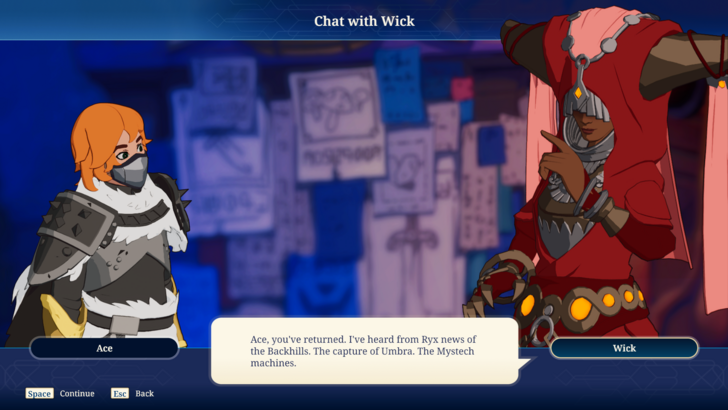
The storylines also now move in a more linear fashion, contrasting to the pre-release, where the plot tends to be scattered among other events that you have to encounter during exploration. Sure, it’s not the best setup for a story, given that there are many terms that are thrown out immediately without prior knowledge, but it’s definitely a much better effort than what was originally intended.
What we have now is a more serviceable story that’s much easier to follow and has a clear conclusion. It’s not perfect, especially since the lack of voice acting really hurts the storytelling and characters, but it’s better than the mindless grind and exploration it used to have.
Gameplay Loop Was Always Good
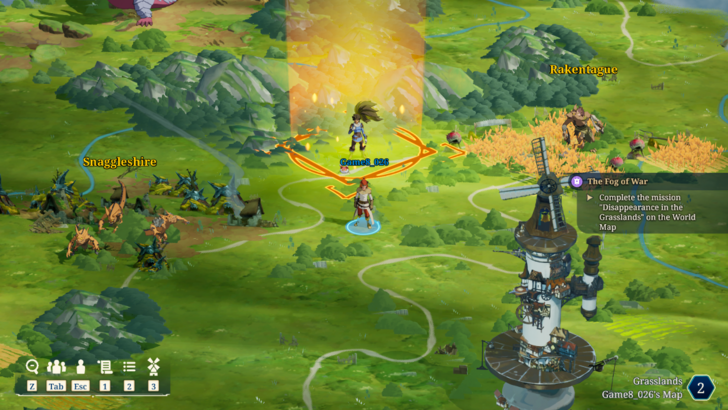
Towerborne’s gameplay loop was, and still is, the highlight of the game. It manages to turn the game’s beat-'em-up design into an engaging, fairly varied RPG. And this didn’t really change much in the Early Access leading up to the full release.
What did change, however, was the exploration, since they did away with the hex-based map design, where each grid was a tile you explored and interacted with, and made it into a world map where you simply interact with the stages instead. Not only did it make the overall pacing more bearable, but it also made gameplay less repetitive than before. There’s a glaring flaw to the endgame, but we’ll talk about that later. First, let’s dive deeper into its combat.
Combat is Still Great
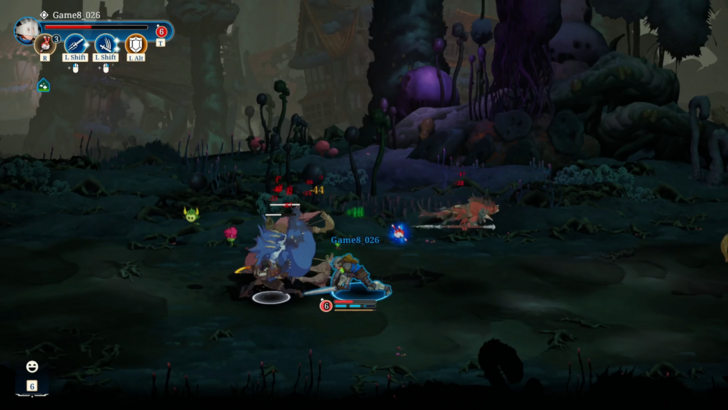
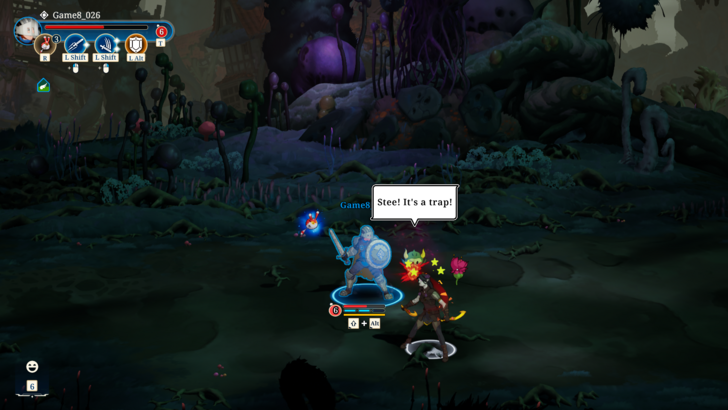
As a beat ‘em up, it’s undeniable that Towerborne can be pretty simple. You have your light attacks, heavy attacks, dodge rolls, and jumps that make up the foundation of its combat system. Additionally, players have unique class skills and abilities that make up the bulk of their damage.
From here, it definitely just sounds like every other game in the genre, but the biggest difference is the ability to cancel animations. Animation cancelling may be pretty common, but with the amount of offensive options you have, this lets you create the highest damage combos you can think of.
You can string together a combo of lights, cancel into a skill, then immediately follow up with another combo, and ultimately stay relatively safe as long as you’re aware of when and where you can use your dodge midway. Everything just feels fluid and malleable, with agency over how much damage you can dish out and how safe you want to play.
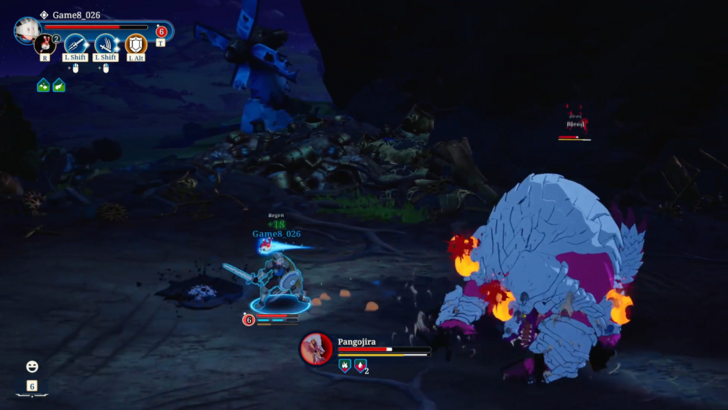
This also carries over to the game’s boss fights, since they are actually a lot more memorable than I expected. I could safely say that more than half of them were particularly fun to fight against, especially since they each have their own gimmicks during their encounters.
While the system can be at odds with itself since you’re not allowed to knock bosses airborne or push them back, it does add more nuance to how you’re supposed to play much differently against the stronger enemies. And honestly, it’s enabled by the game’s class system and how different each of them is.
Actual Class Variety
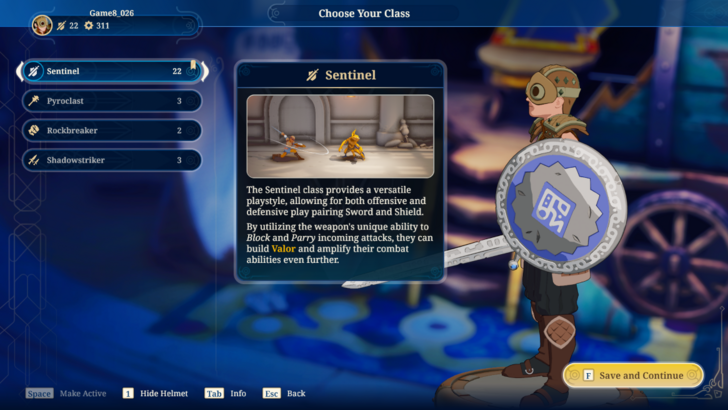
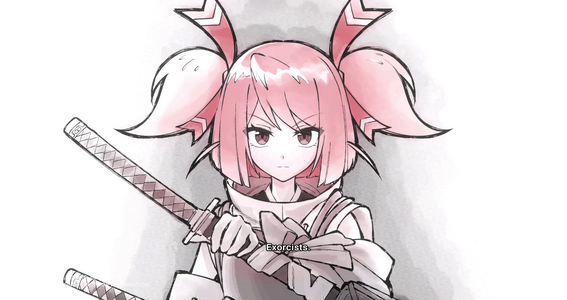
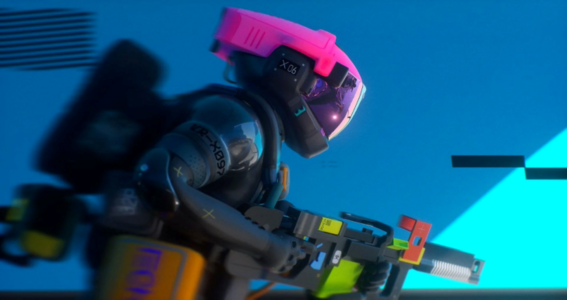
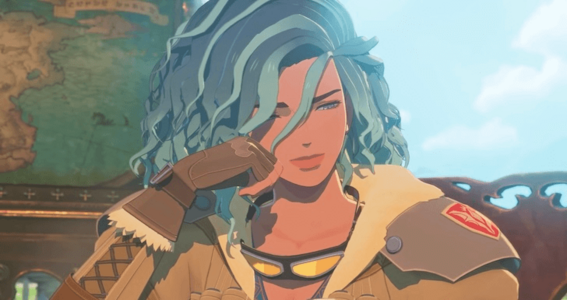
There are four different classes in Towerborne: the Sentinel, Pyroclast, Rockbreaker, and Shadowstriker. They all come equipped with different weapons, unique mechanics, and skills that define their identities and strengths in combat.
In my case, I primarily used the Sentinel, fully expecting to be more defensive given the name. What I got instead was a class that was able to combo mobs on both the ground and the air, as well as the ability to parry certain attacks. And while combos aren’t exclusive to the other classes, the parry is, and it made combat so much more engaging when I found out that the parry also gives you invincibility frames and buffs depending on the skills you activate.
Speaking of skills, these are what give classes their identity and the main things you build around. For instance, the Sentinel has skills built around adding Bleed stacks, cashing out on said Bleed stacks, and buffing you and your team upon parrying or when they use their class skill.
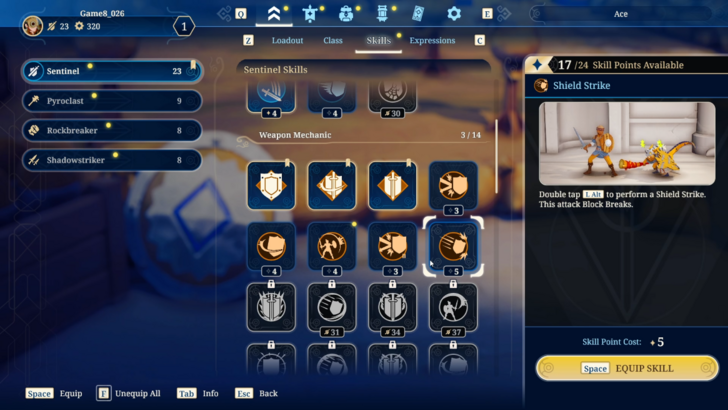
It made progression and combat so much more engaging when I was trying to build around these skills. Even when I wasn’t finished with the story yet, I was already theorycrafting and building around these abilities to tie it all together in combat and how I could stack as many Bleed stacks as I could, given my current abilities.
And that’s how it works for the other classes as well, but unique in their own right. For instance, the Shadowstriker had the ability to double jump as well as have unique interactions with air combos and Poison. On the other hand, the Pyroclast used Burn effectively, since its base kit imbues the class’s weapon with fire and deals massive AOE damage with the bludgeon.
The best part? You can actually change into a different class anytime, either in the Belfry or on the world map, meaning you’re free to try out each class and experiment which one fits you best.
The Change in Scenery Isn’t All Positive
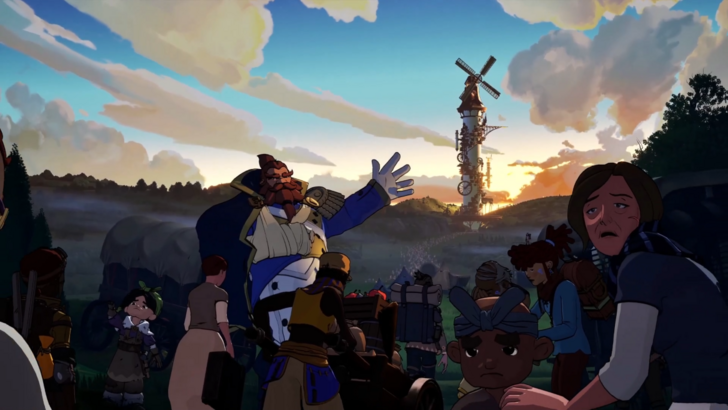
Now, let’s talk about the other elephant in the room: the negatives of the sudden pivot. The transition from live-service to a pay-to-play premium model is most certainly not easy, nor is it something to be taken lightly. But while I’m not an advocate for live-service games, there are detrimental consequences to changing your whole game from a full online experience to a peer-to-peer multiplayer journey instead.
Removal of Online Servers
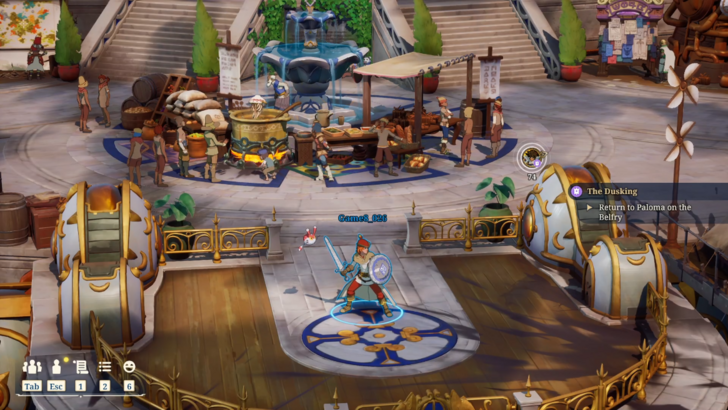
Now that the game isn’t a full online experience, the removal of online servers really puts a spotlight on the game’s now-defunct live-service design.
The Belfry, in particular, feels empty, outside of the NPCs that populate the tower. This is because it was supposed to be the player hub where all the players on that server could socialize and group up, and the absence could certainly be felt when you explore it. Additionally, the emotes and stickers also feel worthless, since there’s no one to see them (unless you invite your friends, of course).
However, those aren’t the worst issues.
The proverbial nails in the coffin were the removal of crossplay and online matchmaking entirely. Remember, this was supposed to be a live-service multiplayer title with lite MMO elements, where the original intention of its gameplay loop was to play with other players. With the game functioning only on peer-to-peer, you can only play with players on the same platform, and they have to be your friend on that platform.
Repetitive and Lack of Endgame Goals
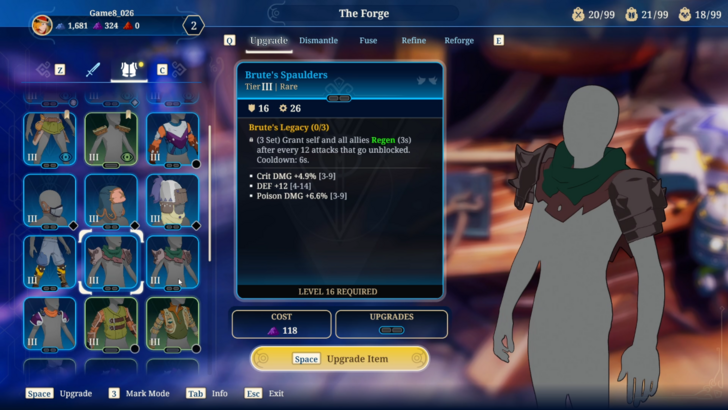
Despite the engaging aspects of the gameplay loop, at the end of the day, it’s a beat ‘em up, so it will inevitably be repetitive after a few hours into the campaign. This also worsens when you actually finish the campaign and start to grind for gear.
Let me get it straight. It’s not like the process of gearing isn’t great. Actually, gearing and forging equipment were buffed across the board, where you get more rewards for completing a stage, and you have more avenues to craft that one item you want. But it’s more about the lack of a target once you’re done with the endgame.
You can perfect your build, get better times on the challenge missions, and maybe even replay the whole campaign on its Brutal difficulty. The fact of the matter is that the grind for better gear feels worse when you know that the game is at the end of its life cycle.
The easiest way to put it is the grind in older Monster Hunter games, where you’re not particularly sure if there’s anything to look forward to. Don’t get me wrong, I’m a fan of older Monster Hunter games, but it will slowly creep up that you’ve “finished” the game by the time you’re satisfied.
Is Towerborne Worth It?
Best on Sale and With Friends
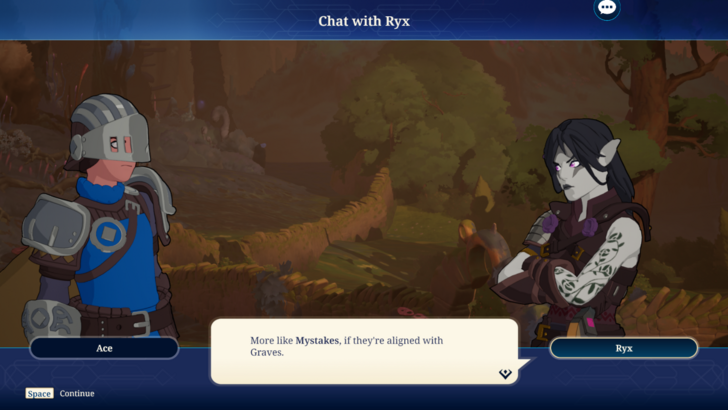
Towerborne’s 1.0 launch certainly improved on almost everything the game has to offer. It’s a complete experience in its own right—the gameplay is engaging; classes offer a lot of variety and enjoyment in how unique they play, it has a ton of content, and it actually has a story you can follow. I do wish this game got a chance to shine, especially since it has a fun concept and mechanics that go beyond the common side-scroller.
Sure, it has its flaws, with a lack of online servers and repetitive gameplay, but the overall experience is still fun nonetheless. The game offers quite a lot at full price, but it might be best to wait for a sale so that it’d be easier to convince your friends to buy the game with you and experience the campaign and gearing process together.
Towerborne FAQ
Does Towerborne Have Crossplay?
No. Towerborne does not have crossplay functionalities. This was one of the features they removed from the game, along with online matchmaking and microtransactions.
Does Towerborne Have Local Co-op?
Yes, but only for consoles like Xbox and PlayStation. PC does not have Local Co-op.
Game8 Reviews