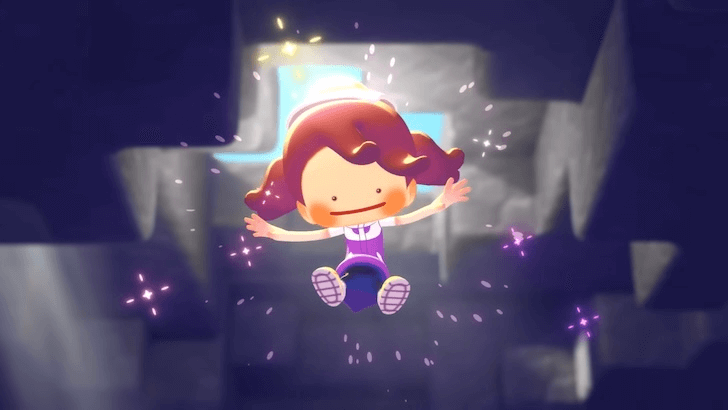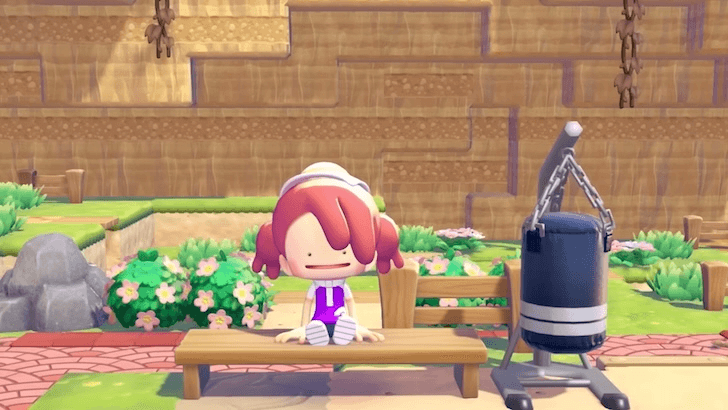


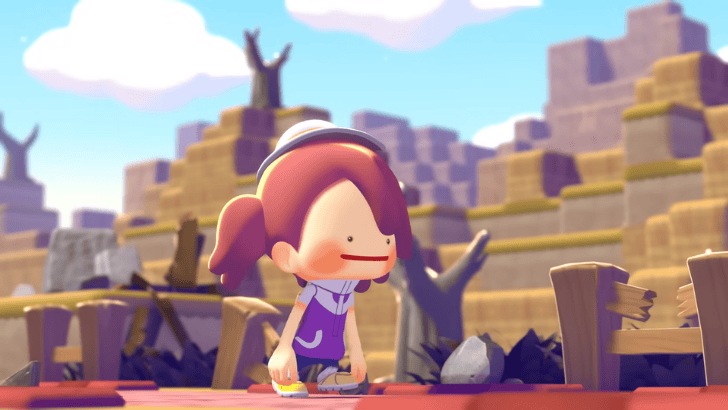
Pokémon Pokopia developers shed more light on the game's multiplayer system. Find out more about its Cloud Island feature here and how it aligns with the game’s overarching design.
Pokémon Pokopia Remains Playable Even with an Offline Host
Unlimited Member Cap, 4-Player Private Server
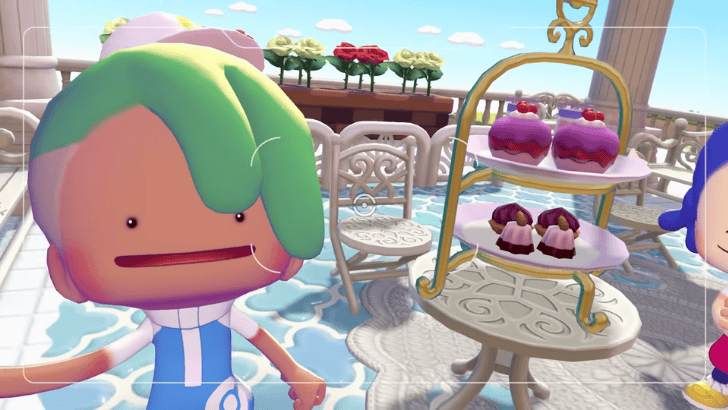
Pokémon Pokopia developers at Game Freak and Koei Tecmo’s Omega Force (stylized as ω-Force) division shared more details about how it will approach multiplayer using a persistent server. Dubbed "Cloud Island," the multiplayer system entails an unlimited number of members for each island, but participants will have to exchange turns due to the four-player cap per server.
Koei Tecmo chief director for Pokémon Pokopia, Takuto Edagawa, told Famitsu that "everyone can enter and play freely even if the host (the island owner) isn't currently online." He also stated that all participating players "can contribute a little bit whenever they have a spare moment to help the island grow," despite not playing together at the same time.
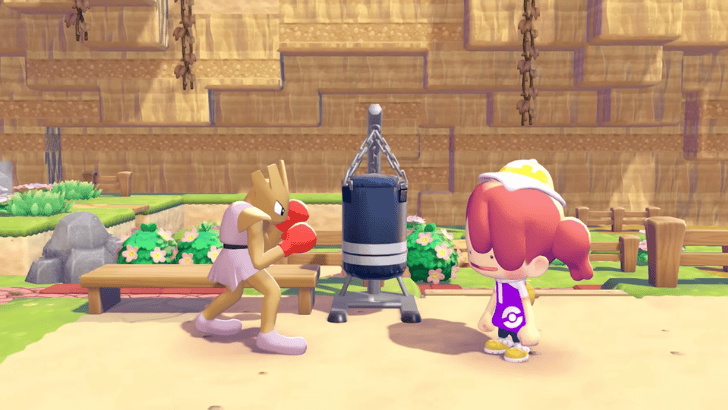
According to Edagawa, the Cloud Island system allows players to enjoy the game whether they are actively working together to develop a city or simply visiting each other's islands to see their progress.
The persistent, private server is comparable to the realms system in Minecraft, which integrates personal multiplayer servers that run 24/7 without requiring the host to log in. This adds to the similarity that Pokémon Pokopia shares with Mojang's sandbox title based on impressions from players, specifically the block-building gameplay.
Communication as a Key Fun Factor
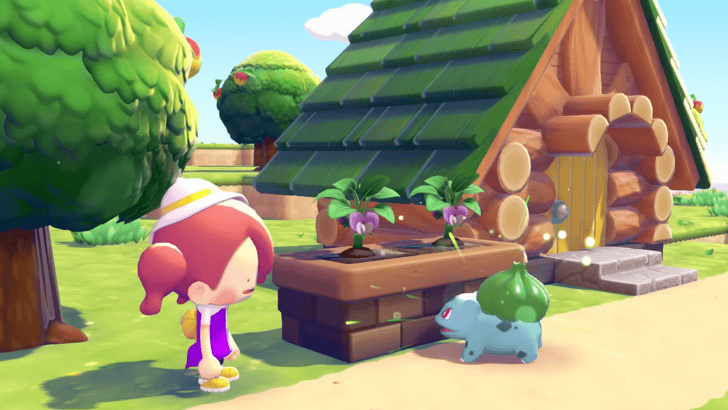
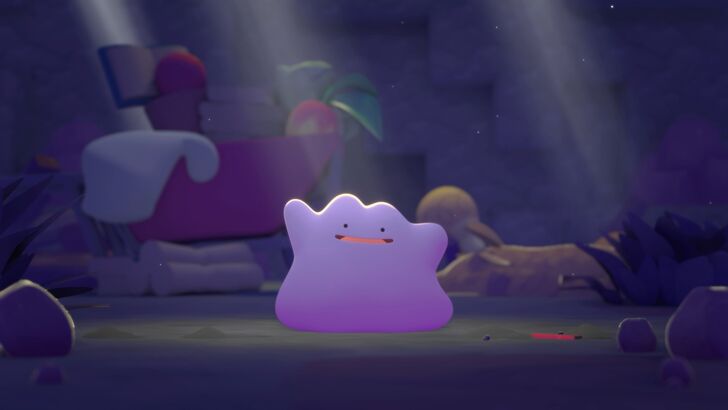
The developers reiterated the relaxed communication that enables players to achieve their dream of living on a Pokémon island. "I felt that there's a unique kind of communication that only happens because everyone is free to play whenever they like," Pokémon Pokopia art director Marina Ayano shared, recalling when someone placed an object in their company's shared server that resembled her treasured Ditto plushie.
"We designed it so that communication naturally happens even outside the game," Edagawa remarked. He said that the game prompts people to share reactions with each other, such as "Oh, you did it that way?" and "I didn't know that Pokémon was there!"
Building “Little by Little”
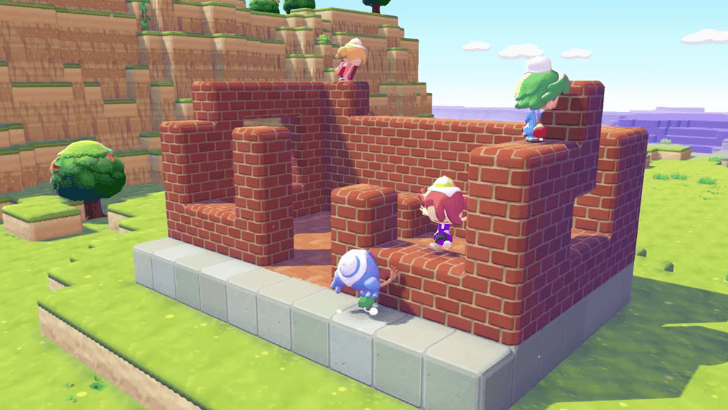
Regarding the shared responsibility of gradually developing a city from the ground up, the developers repeatedly traced their interview answers back to the concept of "poco a poco," an Italian phrase meaning "little by little." It also reflects the Japanese onomatopoeia borrowed from the said phrase, "poko-poko," which mimics the sound of building with blocks or placing things down.
With a focus on a slow-paced lifestyle rather than the high-stakes adventure of mainline Pokémon games, the title emerged from combining the aforementioned phrase and onomatopoeia with a wordplay on Pokémon, creating a rhythm that encapsulates the game's primary player activity: building blocks.
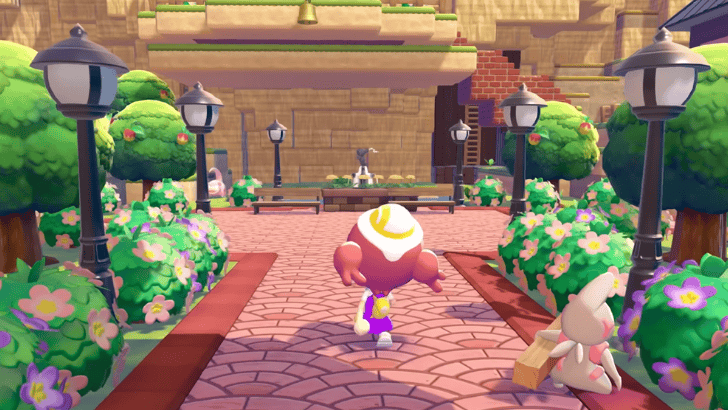
The "little by little" philosophy also impacted the game’s sound design. "You'll hear arrangements of BGM from the Pokémon series," Edagawa stated, mentioning that the arrangements evolve and get closer to the original source tracks as the city develops.
"It links up perfectly with the experience of reviving a ruined town and restoring a familiar cityscape," he added, "it's quite moving, so I really hope people play with the sound turned up."
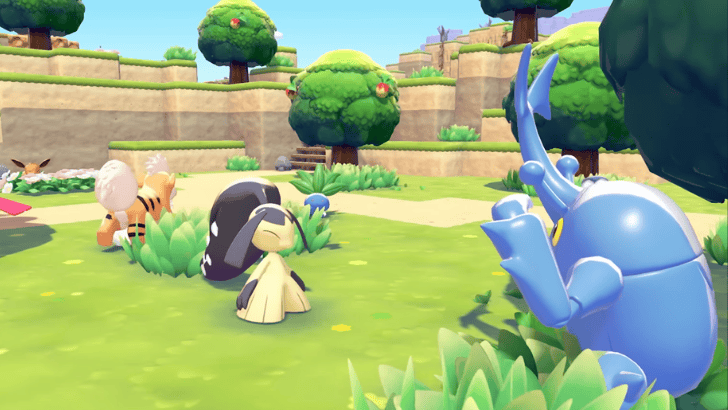
Pokémon Pokopia will release on March 5, 2026, for the Nintendo Switch 2. It also supports cross-generation multiplayer, allowing those who own a copy of the game on Nintendo Switch 2 to share it with other players who only use the original Switch. To stay updated about the upcoming cozy Pokémon game, check out our article below.
Source:
Famitsu interview with Pokémon Pokopia developers