| Styx: Blades of Greed | |||
|---|---|---|---|
| Release Date | Gameplay & Story | DLC & Pre-Order | Review |
Styx: Blades of Greed Review Overview
What is Styx: Blades of Greed?
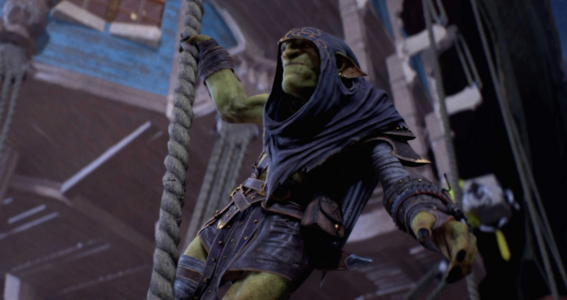
Styx: Blades of Greed is the third installment in the stealth franchise featuring Styx, the cunning goblin. The game is slated for release on PlayStation 5, Xbox Series X|S, and PC via Steam and Epic Games on February 19, 2026. It promises a richly detailed medieval fantasy world where greed and survival intertwine, primarily characterized by Styx’s signature sarcasm, biting humor, and covert navigation prowess.
Set in the wake of the second game's (Styx: Shards of Darkness) conclusion, players return to the shoes of Styx, who now has his eyes set on Quartz, the most coveted material shrouded in mysterious power. Now thrown into the Great War's early beginnings—kindling conflict between humans, elves, and orcs—Styx and his band of outcasts must outwit the traps laid by the Inquisition as they traverse the enormous, vertical-oriented environments of The Wall, Turquoise Dawn, and the elven capital ruins of Akenash.
Styx: Blades of Greed features:
⚫︎ Stealth Focused Action Adventure
⚫︎ Bigger Areas to Explore
⚫︎ 3 Different Areas With Varying Enemies
⚫︎ Multiple Skill Trees
⚫︎ Resource Management
For more gameplay details, read everything we know about Styx: Blades of Greed’s gameplay and story.
| Digital Storefronts | |||||||
|---|---|---|---|---|---|---|---|
 Steam Steam |
 Epic Games Epic Games |
 Xbox Xbox |
 PSN PSN |
||||
| $39.99 | $49.99 | ||||||
Styx: Blades of Greed Pros & Cons
| Pros | Cons |
|---|---|
 Challenging Stealth Gameplay Multiple Strategic Approaches Flexible Progression Challenging Stealth Gameplay Multiple Strategic Approaches Flexible Progression |
No Map Needs More NPC Interactions |
Styx: Blades of Greed Story - 7/10
Regrettably, the overall narrative of Styx: Blades of Greed is neither amazing nor compelling. However, it does a good job of making you like the Green Plague at every turn. His no-nonsense, self-serving, and meta-aware demeanor makes him a compelling character to follow, even if it can feel a little shallow at times.
Styx: Blades of Greed Gameplay - 8/10
Stealth is still the name of the game. And even with more powers and tools, it’s still as challenging as before. The bigger areas encourage experimentation, and each area has its own unique variety of enemy types that’ll always keep you on your toes. But this is a double-edged sword, as the lack of a map makes exploration and completing side quests harder than they need to be.
Styx: Blades of Greed Visuals - 7/10
Visually, Styx: Blades of Greed isn’t the graphical jump that you’d hope for. It looks very similar to the second installment in the trilogy and doesn’t appear to have received any major graphics upgrades. In contrast, the character designs and aesthetics remain decent, as the additional areas showcase different sides of the world of Iseria.
Styx: Blades of Greed Audio - 8/10
Like the games before it, the music is still the star of the show and dials you in to that dark fantasy theme. The voice acting and sound effects are a mixed bag, as both range from decent to not-so-great. It’s worth noting that anything related to Styx is amazing, from his footsteps, voice acting, and even the sounds of his clones, but everyone else doesn’t get the same treatment as the first goblin.
Styx: Blades of Greed Value for Money - 8/10
Styx: Blades of Greed is very much worth its price point. The main content alone is already about more than 20 hours of playtime, and the inclusion of bigger areas and actual exploration can easily double that amount when it comes to side content.
Styx: Blades of Greed Overall - 76/100
Like the goblin himself, Styx: Blades of Greed is a sequel that’s unafraid to flaunt itself, even if it’s not the greatest sequel out there. The core mechanics revolving around stealth are established, but the Metroidvania-style maps don’t feel fully fleshed out just yet. There is potential in the concept, as the larger areas already create a satisfying gameplay experience centered on exploration and experimentation.
Styx: Blades of Greed Review: Bigger is Slightly Better
Sneaky, Sneaky
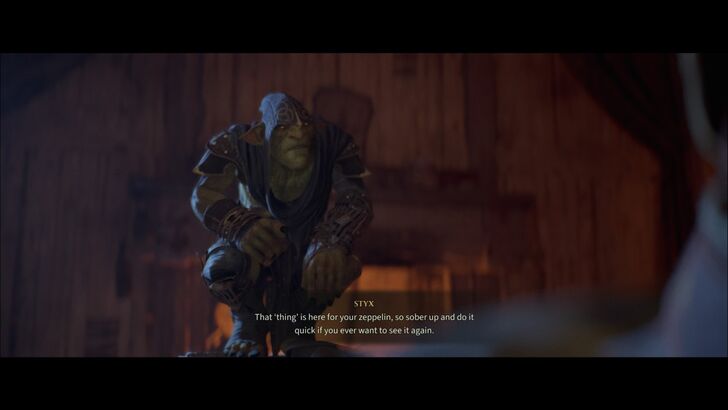
The stealth genre has always been a niche that I’ve appreciated. Something about planning, skulking, and assassinating in the cover of darkness is thrilling and satisfying, and it has actually shaped how I tackle certain action-adventure titles. While I’ve played more than enough stealth games recently, one of the few that stuck with me due to its unique identity was the Styx franchise.
Admittedly, I was never a big fan of the franchise until it went on sale. It was only when I played the game that I realized I was missing out. I didn’t know how much I wanted a dark-fantasy-themed stealth game, and now I need more people to try it.
Lucky for us at Game8, I got to try out the game weeks before its release date, so I’ve spent a lot of time sneaking around as the Master of Shadows himself. And I have to say, there’s a lot to like here, and a little more to polish and flesh out.
Right Where We Left Off
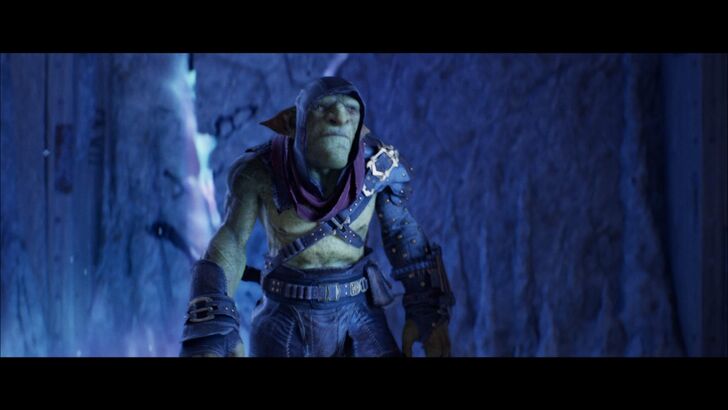
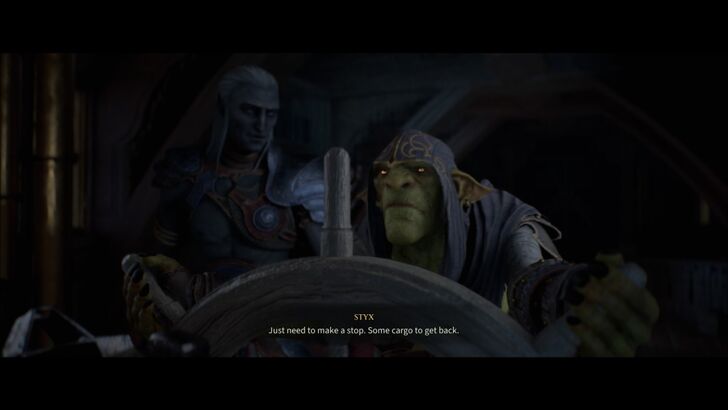
Styx: Blades of Greed picks up the story immediately from the second game’s abrupt ending, where Styx and his crew barely escape the city of Korrangar. A few days later, the trio of Styx, Djarak, and Helledryn find a way out by helping a dwarf captain by the name of Irving to get his zeppelin away from Inquisition control.
During Styx’s exploits in finding a way to unlock the Quartz lock keeping the zeppelin anchored, he encounters a mechanical expert named Jasper, who was captured by the Inquisition because of her skillset. With the crew set and ready to go, they head off to find more Quartz for Styx to absorb, not knowing that they’re about to start yet another great war.
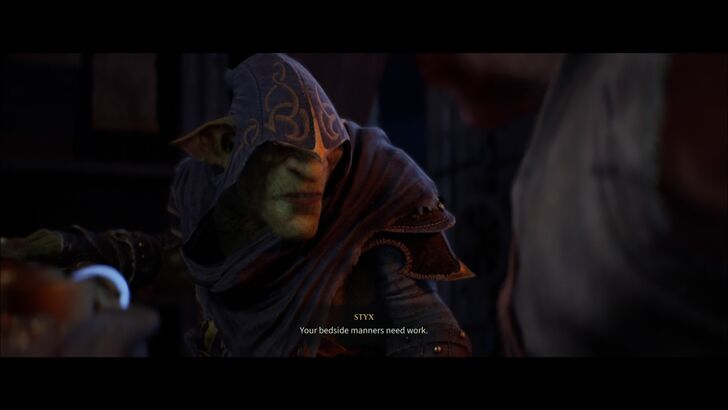
The game’s introduction is certainly interesting and builds on the nine-year wait. It even has Styx breaking the fourth wall with his commentary, as the whole story is framed as him recounting the events that transpired to his new group of mercenaries.
Speaking of Styx, he remains the perfect likable anti-hero he always was. His sarcastic, blunt attitude remains the brightest spot in the game’s narrative and is the main reason the story is a little more compelling and easier to digest.

As for the other characters, I wish they were more interesting or as interesting as Styx himself. Several of them don’t really add much to the story beyond being there, and a couple of plotlines left me disappointed because they didn’t feel as important as they once did.
For instance, Djarak’s betrayal at the end of the previous game feels brushed aside and completely forgotten about. While Styx and Djarak have a brief exchange about it and "patched things up," the whole process feels so insignificant given that this is the same dark elf who pretty much abandoned Styx for dead while they were trying to escape at the end of the second game.
This is also reflected in the game's overall writing and narrative, where the structure feels like a string of fetch quests, culminating in a not-so-satisfying conclusion. The storytelling and pacing also feel off because of its new Metroidvania approach, where you’re constantly revisiting the areas after each act conclusion with newer mobility upgrades.
Satisfying Stealth Gameplay Loop
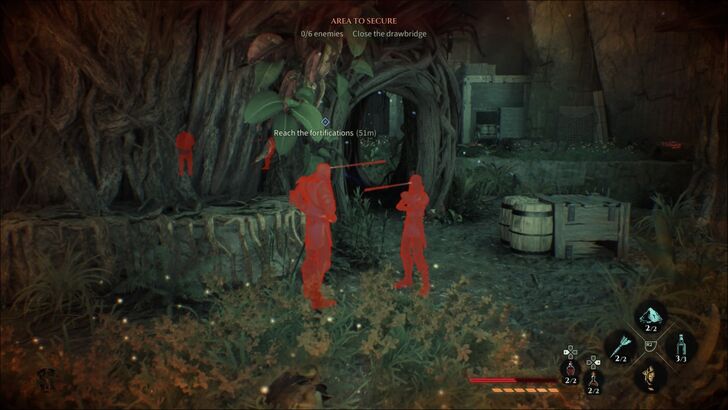
The Styx franchise is not only a fundamentally great stealth game, but also features a dark-fantasy twist where you play as a goblin who not only talks but also has special powers. And the latest installment retains its satisfying nature.
Like its predecessor, the core mechanics still revolve around the key elements of stealth. Things like getting out of the enemies’ line of sight, managing the sounds you make, hiding in certain places, hiding bodies, and performing silent takedowns are still what you’ll be doing for about 95% of the game. The remaining 5% goes to actual combat, which is a simple dodge, attack, and parry type of gameplay.
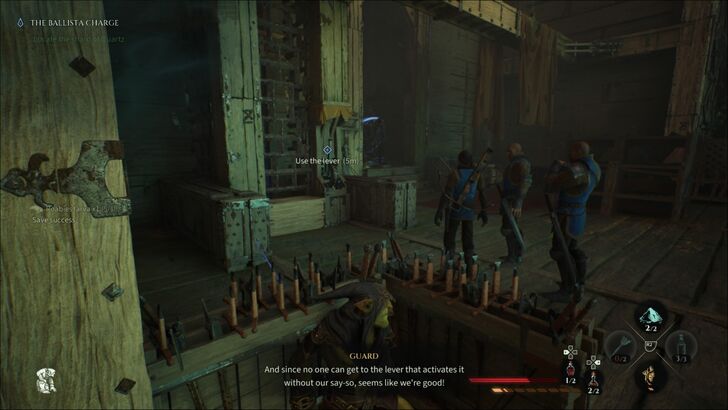
The game allows you to be creative when it comes to the stealth aspects, especially when it comes to using Styx’s abilities. Options include turning off certain lights or going invisible at opportune moments; each encounter feels like a huge puzzle that you have to solve, and there are a multitude of approaches and solutions at your fingertips that you simply need to find.
Most areas also have multiple entry points, ranging from a tiny gap in the ceiling to a small opening under the wall, an open window you can climb through, or even just a locked door you can pick. You’d be surprised how many places you can reach without a lockpick, and all you needed to do was actually turn the corner or climb a bit higher.
It’s an amazing stealth game at its core, letting you discover and experiment with ways to approach a seemingly impenetrable fortress.
Bigger Maps Mean Getting Lost
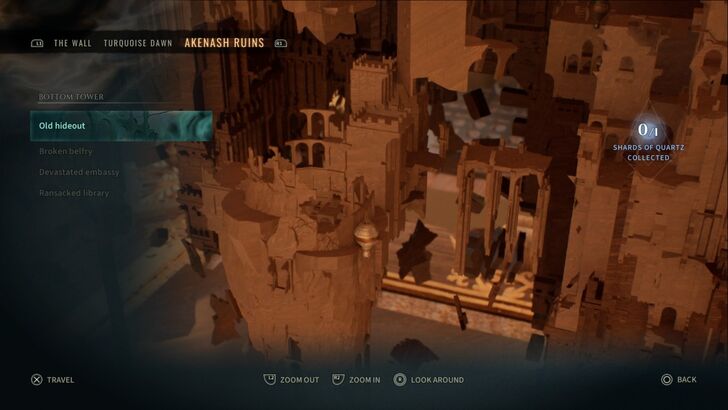
One of the game's premier additions is the inclusion of different regions and a much larger map to explore. It moves away from a linear, mission-based experience toward an open-world design that gives you much more freedom to move around.
However, the whole exploration experience feels a lot lacking without an actual map, especially when it comes to side content. Like one time, I wasn’t able to pick up a side quest item, and since the main mission required me to use an elevator, I had to go all the way to the bottom floor again after finishing the mission.
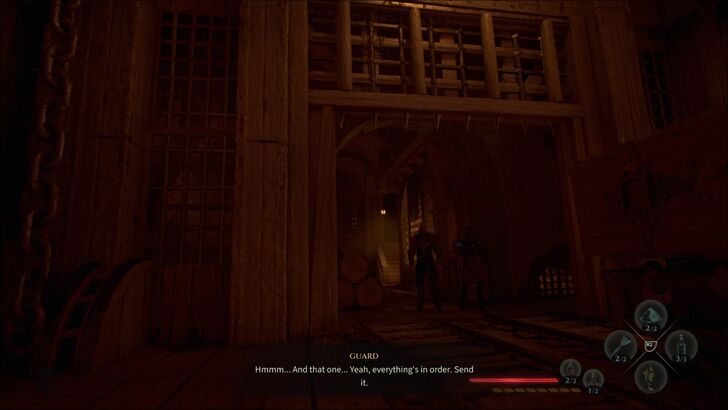
The item was on the bottom floor, and going down from a tall, fortified fortress is easier said than done. This side quest took me much longer to get done compared to the main objective, especially since I was just running around the fortress with a vague hint of where it’s supposed to be.
You do have a compass and other means to get around the world as you progress through the game, but trying to tackle the side content and backtracking feels pretty bad when you miss a certain thing.
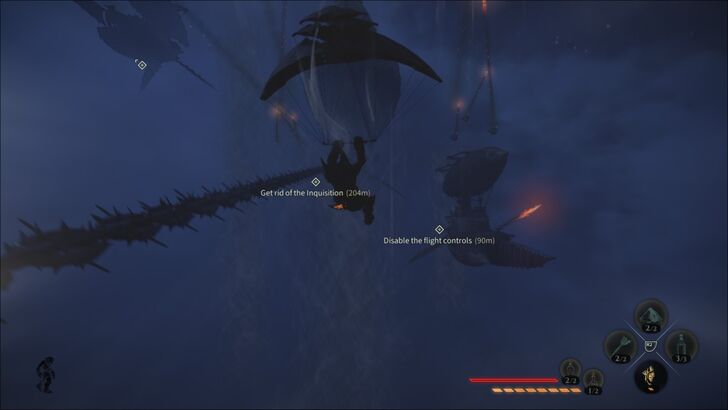
And no, I’m not talking about adding yellow paint to the game’s exploration, as traversal in the game already feels amazing and more interesting without it. I’m saying the game should have a map function because it makes the side content less confusing.
Flexible Progression and Potential For Bigger Things
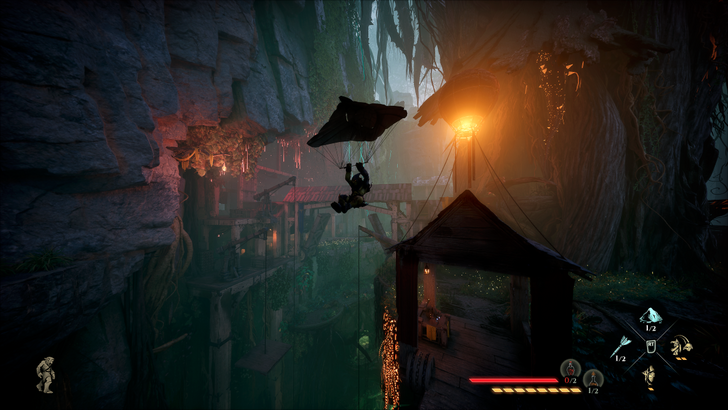
Similar to moving away from its original linearity, the game's mission structure has also been changed significantly. You’ll first need to absorb a certain amount of Quartz from the different regions you’re asked to explore before moving on to the main mission. This means that you have free rein on which area to explore and where to go afterward.
After choosing an area, you then have the liberty to chase whatever Quartz you want to absorb first. Additionally, you can also set aside some time to look for and unlock fast travel points that are present around the map, which helps ease the process of revisiting an area later on. Along the way, you can find collectibles and other things to help you get more upgrade points.
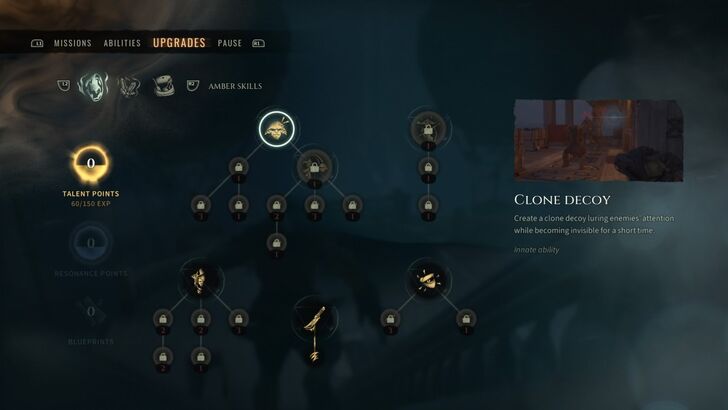
Similarly, the skill trees are also flexible in the sense that you can respec at your zeppelin and change up your playstyle to suit a different situation. Sometimes you would want more clones to create diversions for you since there are a lot more enemies in this area, while sometimes you’d rather just upgrade invisibility to help you run around the map much more efficiently.
At one point, I got stuck in an encounter with infected elves, goblins, and roaches. Since they weren’t relying on sight, I respec’d from the invisibility tree and added more points into Styx’s Quartz powers. One of which was an energy shockwave called Flux Wave, which pushed them off me and knocked them into hazards such as walls and ledges, giving me more leeway against them in combat.
While you’re never really at a point where you’re completely stuck, being able to switch, add, and upgrade the skill tree adds more nuance to the already engaging stealth gameplay.
Is Styx: Blades of Greed Worth It?
Worth It For the Fans, Not So Much For Everyone Else
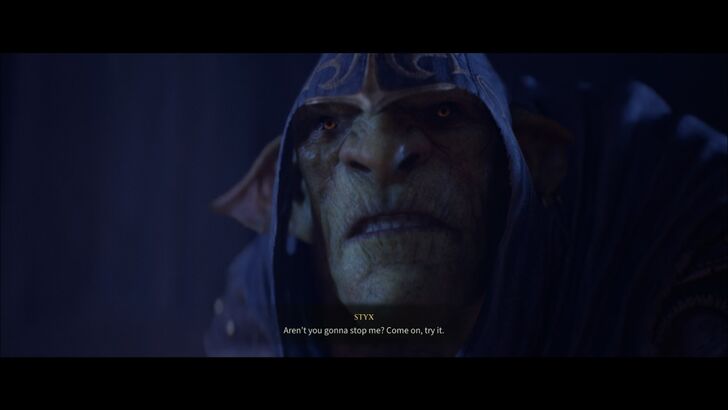
Styx: Blades of Greed is a great stealth game added to the Styx trilogy, but not as big as I’d hoped for. While the game’s visuals aren’t the best, its stealth-focused gameplay still manages to become one of the more satisfying stealth games out there.
The game’s new and improved gameplay loop encourages even more experimentation, and the larger maps give you more room to play with and explore while enhancing the overall experience. However, there are still some things to flesh out with the larger map size, as the side content becomes more of a chore to find than a complementary activity.
It’s a must-buy for fans of the franchise and the genre, as the addition of open exploration and bigger maps definitely makes the experience much more enjoyable. It might not be for everyone, though, as those who aren’t familiar with stealth games might find it frustrating to have to constantly use trial and error when tackling certain encounters.
Hopefully, this time we won’t need to wait nine years for a new game, eh?
| Digital Storefronts | |||||||
|---|---|---|---|---|---|---|---|
| Steam |
Epic Games |
Xbox |
PSN |
||||
| $39.99 | $49.99 | ||||||
Styx: Blades of Greed FAQ
Should I Play The Previous Games Before Playing Styx: Blades of Greed?
While it’s ideal that you do so, it’s not required to play the two previous games before playing Blades of Greed. The story continues from the second game, but the overarching narrative is much grander than in the first two.
Game8 Reviews