






| Stella Sora | |||
|---|---|---|---|
| Release Date | Gameplay & Story | Pre-Register & Pre-Order | Review |
Stella Sora Review Overview
What is Stella Sora?
Stella Sora is a top-down, light action-adventure game that makes use of reverse bullet hell gameplay with roguelike elements developed and published by Blue Archive and Azur Lane publisher Yostar. Set in the land of Nova, players take on the role of the Tyrant—a legendary figure woken from their slumber with no memories to speak of—and manage a guild of Trekkers as they journey through all the corners of the land, retrieving Artifacts and perhaps along the way, find out who the Tyrant really is.
Making use of reverse bullet hell or bullet heaven gameplay mechanics with roguelike elements, players and their squad of Trekkers ascend through massive structures known as Monoliths, towering buildings said to be the work of gods. Scaling the Monoliths is a dangerous feat, yet the Artifacts it holds are coveted by the rich and powerful and are able to sell for extremely high prices. Thus, it is up to the Trekkers to take on the daunting task.
For more gameplay details, read everything we know about Stella Sora’s gameplay and story.
Stella Sora features:
⚫︎ Exciting Bullet Heaven Gameplay
⚫︎ An Adorable Cast of Characters
⚫︎ Vibrant Visuals
⚫︎ Intriguing Story
⚫︎ A Charming Soundtrack
| Digital Storefronts | |||||
|---|---|---|---|---|---|
 Google Play Google Play |
 App Store App Store |
 PC Client PC Client |
|||
| Free-to-play | |||||
Stella Sora Pros & Cons
| Pros | Cons |
|---|---|
 Bright, Vibrant Visuals Intriguing Story Engaging Bullet Heaven Gameplay Bright, Vibrant Visuals Intriguing Story Engaging Bullet Heaven Gameplay | Expensive Gacha Pulls Localization Issues and Text Errors |
Stella Sora Overall Score - 76/100
Stella Sora is fun and engaging for a light action-adventure game, made better with a captivating story, a colorful cast of vibrant and cute female characters and stunning anime-style visuals. However, it is marred by localization issues and errors, as well as employing a stingy monetization scheme with a horrible economy that looks to be more troublesome than for what it's worth. It’s still definitely worth a try, but don’t expect much in the gacha, whether you’re a paying customer or an F2P player.
Stella Sora Story - 8/10
Stella Sora’s story and its animated way of expressing these scenarios make the whole experience more interesting and engaging. You play as a being who has lost their memories to the rift of time, and is awoken into the present world by a trio of curious Trekkers—only to find out that you’re more important to the land of Nova than you ever expected. The main squad’s banter is amusing, the characters endearing as they try to make sense of the world around them.
Stella Sora Gameplay - 8/10
The main gameplay mechanics are simple to play and understand, but can be just difficult enough to prove a challenge without getting boring quickly. Nevertheless, its light action, reverse bullet hell (also known as bullet heaven) gameplay with roguelike elements is easily enjoyable by all kinds of players. Aside from the combat, the dating sim-esque Affection and side stories are lovely to watch and are absolutely great for the waifu-lovers.
Stella Sora Visuals - 9/10
Visuals are bright and colorful, and while most of its scenes are rendered in the traditional visual novel format, its wide range of character expressions and emotes, accompanied by very anime-like sound and visual effects, give life and a fun flair to an otherwise static scenario. The UI is amazing, just as vibrant, and intuitive to boot with everything labelled well and not hidden within tons of other nesting menus. Performance-wise, it runs quite smoothly—aside from the obvious 30FPS of the animated cutscenes, that is.
Stella Sora Audio - 8/10
Sound design-wise, it’s still great, carrying the same stellar quality it had during the Closed Beta Test. The game’s visual novel cutscenes are accompanied by ambient sounds like shuffling footsteps and even animated sound effects that correspond to the character’s expression. Unfortunately, not all cutscenes are voiced, but the voice talents do their job well and it doesn’t feel flat in either Japanese or Chinese—it’s just a missed opportunity to have at least the main story fully voiced. Its musical score is catchy, and well-tailored to the game.
Stella Sora Value for Money - 5/10
Yes, it’s free-to-play, but its monetization schemes are pretty dreadful, more so than what is commonly found in other modern gacha games. Banner pulls are expensive at 300 Stellanites a pop, and while the game does find ways to give you premium currency with everything you do, most of them are non-renewable and when veteran players get to the end game, there will definitely be less ways to farm gems without swiping that shiny credit card. Even a full month of the (paid) monthly pass is barely enough to even get you 10 pulls…
Stella Sora Review: Bullet Heaven, Girl Heaven, Wallet Hell
Stella Sora is finally here! I was lucky enough to get into the Closed Beta Test earlier this year, and after getting to play it for a few days made me look forward to it. I was absolutely smitten by the cute girls, bright visuals, and the light action "bullet heaven" gameplay, and the official release only served to polish it out a bit more, bringing in a much fuller experience.
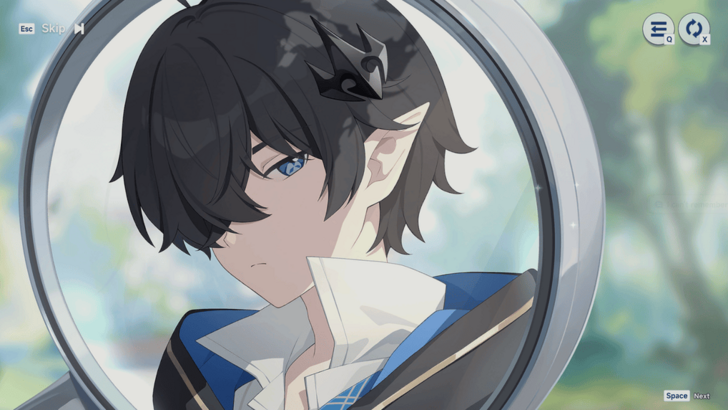
This crossover of modern and fantasy is set on a distant planet, where there is a cross-shaped continent called Nova, full of prosperity and surrounded by the ocean on all sides, and is where Stella Sora’s story takes place. At its heart stand the Monoliths, massive ancient towers that are believed to be divine gifts from the gods of the past. These towering structures contain elusive relics called Artifacts, pieces of technology and culture that hold knowledge far beyond the present time.
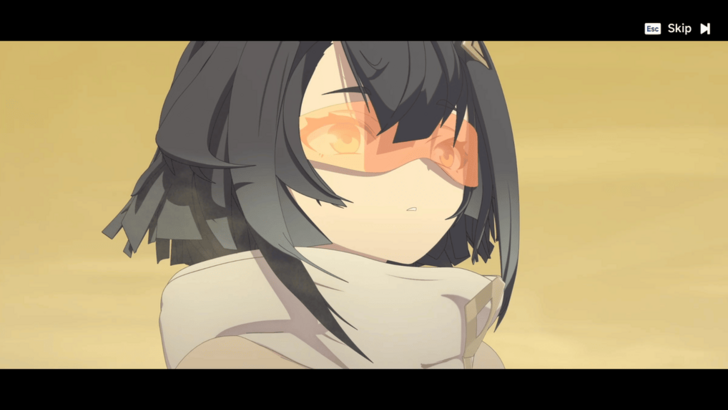
Wielding these precious and powerful Artifacts is a symbol of status and wealth, highly coveted by the rich. To many, they are symbols of celestial favor—mighty power in the palm of their hands. However, great power comes with a great price, and retrieving these treasures is often a dangerous task…
With that said, the daring and dirty task of acquiring these treasures is taken on by Trekkers, outcasts in the eyes of society for rejecting norms and a stable life in the city by deciding to scale these Monoliths. But it’s these very Trekkers that come and save you from your millennia-old slumber—after all, you are the Tyrant, a great figure from the ancient times who might just hold the key to changing the fate of the world.
Cute Girl Heaven—I Mean, Bullet Heaven
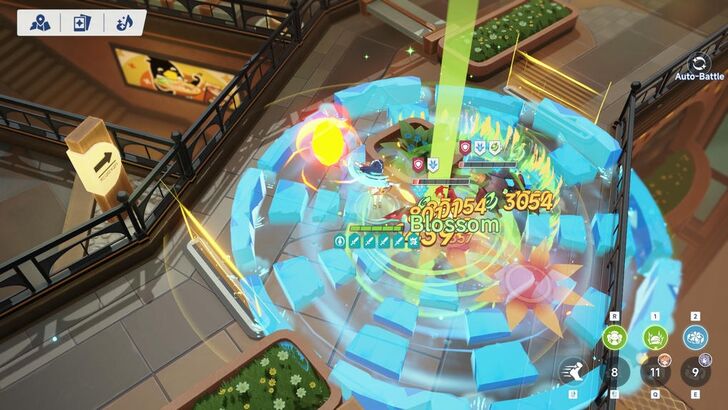
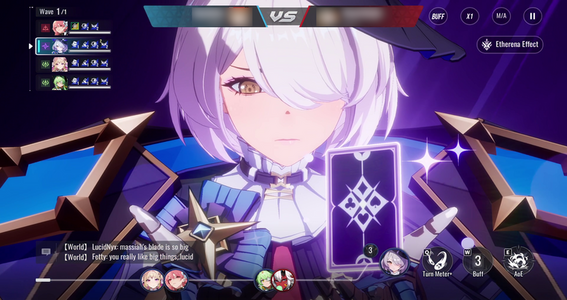
Its gameplay revolves around reverse bullet hell (also known as bullet heaven) mechanics with roguelike elements, where you take control of the playable characters called Trekkers as they ascend through the floors of the massive Monoliths to acquire the Artifacts within. As the Trekkers, you must move and survive against waves of enemies across a specified number of floors, auto-attacking, dodging attacks, and making use of abilities to eliminate them.
It’s similar in mechanics to Vampire Survivors and Brotato, but instead of a pixel vampire and a menacing-looking potato, you control an adorable cutie with friends who all know how to pack a punch. A party is typically composed of three Trekkers, each with an assigned element and their own unique set of skills and abilities. You directly control only one of them, with the other two acting as support, but they can be summoned onto the field for a moment to dish out damage with their skills or Ultimates.
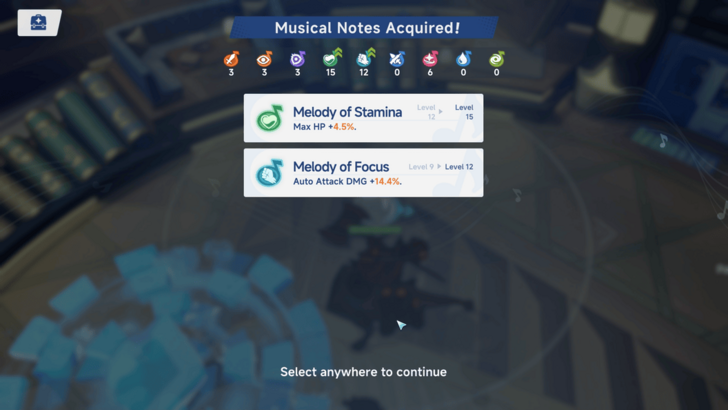
Every time you clear a combat level in a Monolith under the Ascension gameplay mode, you choose between three upgrades (called Potentials) for a particular character—and this is where the roguelike elements come in. With 16 Potentials per Trekker to find per run, one run through a Monolith will not be exactly the same, even with the same party. Then, at the end of the Ascension run, you’ll be able to save the set of Potentials you got as a Record, which can then be used in other gameplay modes like the Bounty Trials and the Menace Arena.
Players will also encounter other NPCs in the Monolith that provide Potentials outside of combat, or Notes (little musical notes that act as buffs and are needed to activate certain Disc Skills) through luck or paying up.
It’s simple to play, yet a little more difficult to master. There are a lot of other factors to think about, such as team composition as each Trekker has affinity to a certain element, investment in skill and Disc (equippable team buffs, or the weapon/Artifact/Relic in other games, if you will) upgrades, individual character levels. Nevertheless, I think players of all ages will find themselves having fun with the game, whether they’re a casual player or a meta player—because I sure did.
Intriguing Story With Colorful Characters
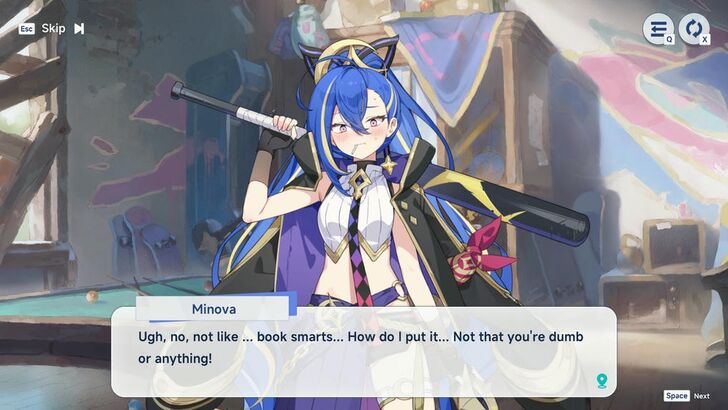
The story is not to be beat with how interesting it proved to be. Granted, it’s still in its early chapters, but if a game is able to rope you into its world from the very beginning, then it's doing something right—and for me, Stella Sora fits that mold.
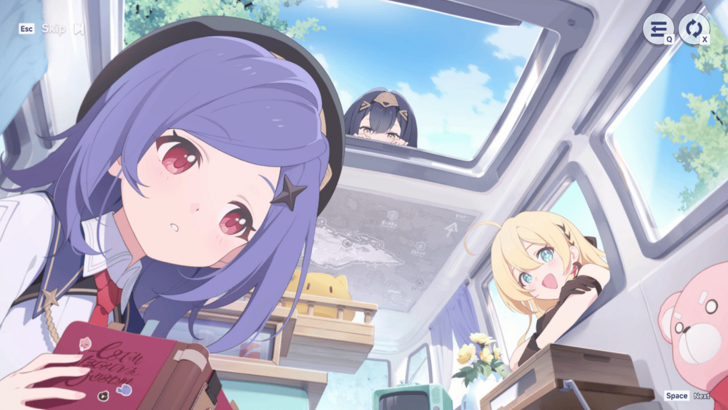
Its premise is simple at first—you are the Tyrant, a mysterious being the main character trio of Amber, Iris, and Noya find slumbering within the depths of a Monolith. Millennia has passed in a snap, and even the very name of the Tyrant is never used anymore. It doesn’t help that our poor hero (or heroine, depending on your appearance) wakes up with no memories to speak of, and thus begins their journey as a ragtag crew of misfit Trekkers who find themselves in something bigger…much bigger than themselves.
No spoilers here, but aside from that simple premise, the game’s way of storytelling is really what sells it to the player too. Animated cutscenes are far and few between, with the game relying on familiar visual novel elements (character sprites, dialogue box, the works) to present its plot, and for me, it takes up a notch from its traditional counterparts. It’s not entirely static—the character sprites are full of life and expressions, coupled with very anime-esque sound and visual effects popping out beside their heads like sparkles, question marks, exclamation points, and the very popular sweatdrop. Even the Tyrant themselves are just as lively and expressive—we love main characters with faces!
Visuals Galore—Art Style, UI, Everything!
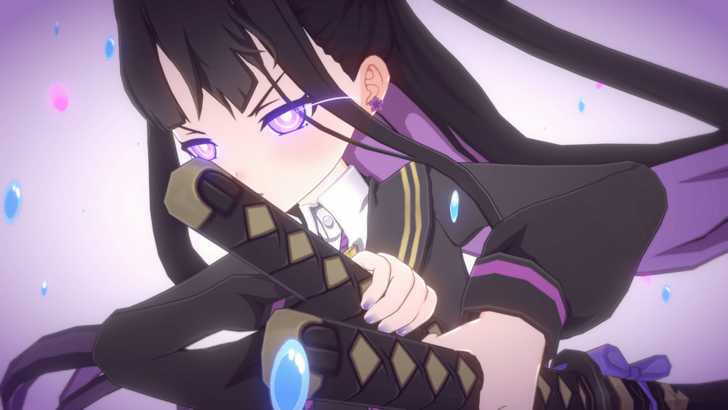
Fun gameplay, interesting story, and tying it all together is a lovely set of visuals. Luckily, they’ve got it covered in that department too—from the art style, the character designs, to the overall UI, Stella Sora’s graphics are charming and fun, especially if you like the light-colored, anime-style aesthetic.
Firstly, the UI is clean, modern, and intuitive. Everything’s at its proper place without having too many nesting menus, animations are buttery smooth, and the overall design is, in my opinion, one of the better ones I’ve seen across many games of its kind. It just works really well together, and it doesn’t look dated at all.
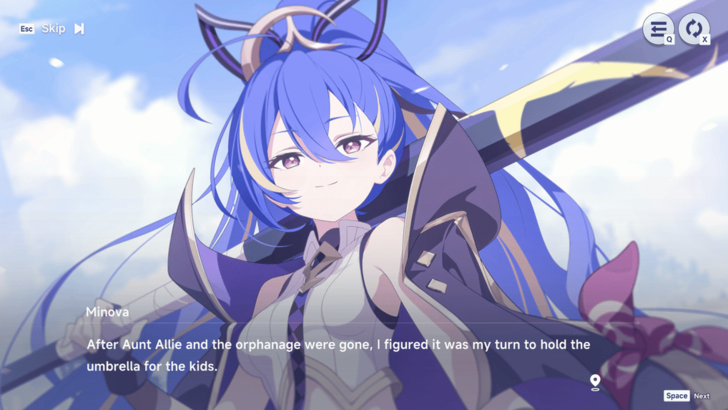
Character designs are adorable, to say the least. They’re all unique from one another, and it somehow shows their personalities, too. The preppy anime art style is pleasing to the eyes, colored in lighter shades. It’s fun and whimsical which just makes the overall mood better.
Though unfortunately, with all the praise on its general visuals, I can’t say the same for the animated cutscenes. There’s not a lot of them, maybe only popping up once per chapter, but the quality leaves a lot to be desired. It’s pixelated in some areas, the quality looks like it came from the PS2 (and I loved that console), and it obviously runs on 30FPS—kind of jarring when everything else works as smoothly as intended on 60FPS and above.
Affection Mechanics Are Kind of Dating Sim-Like
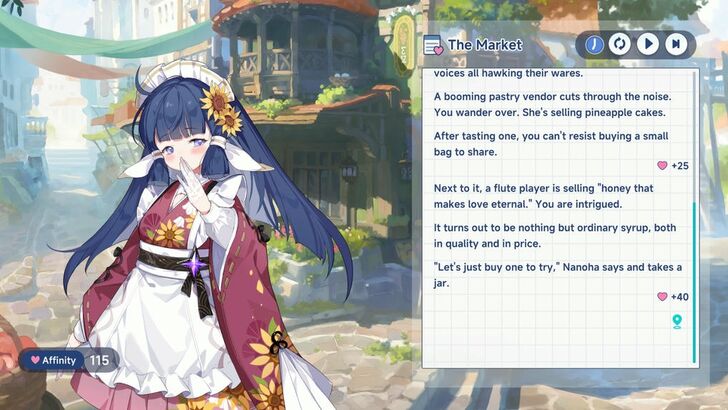
It’s not all about bullets and fighting here in Stella Sora—you’ve got the Affection mechanics too! A loved Trekker is a happy Trekker, and the game makes use of very dating-sim-esque gameplay to raise your bonds with your characters.
You can chat with them through the Heartlink app (though only if you trigger a chat with them, that is), give them affection-raising gifts, and even invite them to dates (a maximum of five Invitations per day). And the date contents are simply adorable, as well as their reactions to your choices. There are also other ways to raise their Affection like using them in battles, unlocking their Potentials, raising their stats, etc.
Raising Affection is a win-win situation—not only do you get cute text messages from them that can make your heart skip a beat and more of their personal lore, but you also unlock permanent HP and ATK boosts that help out with their overall feasibility in combat. It’s great for everybody. You can even flaunt your affection level with equippable Affinity Titles that you unlock as your bond gets deeper, like a little badge of honor and dedication.
The Monetization Is Disappointing
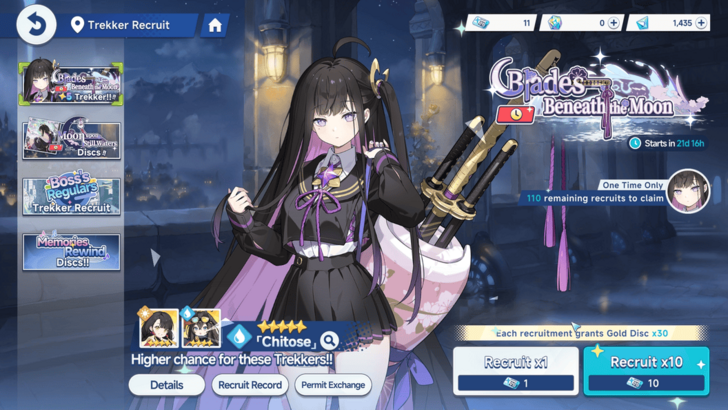
Okay, with all that good stuff…time to delve into the stuff that isn't so great. It was all okay back in the Closed Beta Test, but the way they handled it for the global release…oh dear. There’s no way around it—the gacha and the monetization is quite atrocious, and is stingy as heck. It’s honestly the most disappointing part of the game for me even at launch, because with the way it’s looking…the game’s not as nice to free-to-play (F2P) players as others would be (in the barest minimum sense of gacha games being nice to F2P players).
For starters, back in the Closed Beta Test, a pull was priced at a standard 150-160 Stellanite Dust (Stella Sora premium currency). It’s a fair price, and it’s usually what you see in other gacha games like Genshin Impact, Honkai: Star Rail, Wuthering Waves, and even in titles like Tears of Themis and Love and Deepspace. 150 or 160 a pull, 1500 and 1600 for a 10-pull. Standard stuff. It’s no wonder I thought it was a pretty good deal back then with its 1.6%-2% gacha rate and an okay pull price.
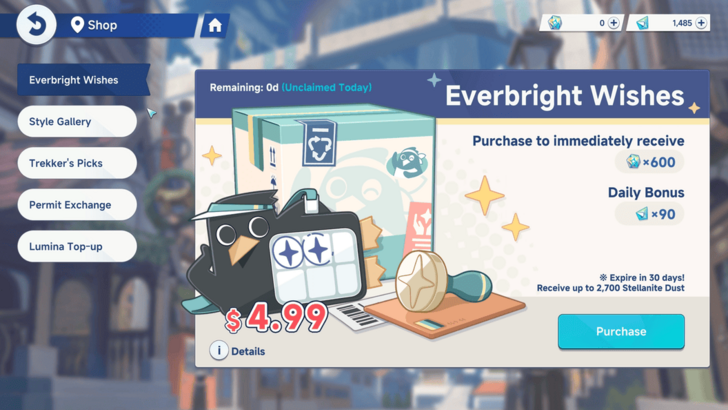
Now, in the global launch, the price was unfortunately cranked up 100% more to a whopping 300 Stellanite Dust per pull, which…isn’t great considering that in late game, one of your daily sources of Stellanite Dust would be from daily quests—and you only get a 100 a day. Little by little, your sources of premium currency such as achievements and stage clears will deplete, and by the late game, you’ll only have the renewable ones to rely on, such as dailies and a dungeon that may reset every two weeks or so.
And even if you’re a low spender, you’re not getting much out of it either—a $5 monthly pass gives you a measly 90 Stellanite Dust per day, and even with the alleged dungeon (which, I can’t check out yet because…progress is gated, as mentioned before), it won’t net you as much pulls as you would probably be used to. In a month, you’ll get 2700 total Stellanite Dust logging in daily. Add to that the 3000 you’ll get for completing dailies, and you’ll have 5700 Stellanite Dust—enough for a measly 19 pulls. Not even a complete 20! You can get an extra three tickets through the rebate currency when pulling, but still. And mind you, getting a guaranteed character if you have really crappy luck will set you back at least 120 pulls for one copy (the guaranteed first copy), then is amped up to 160 for guaranteed dupes.
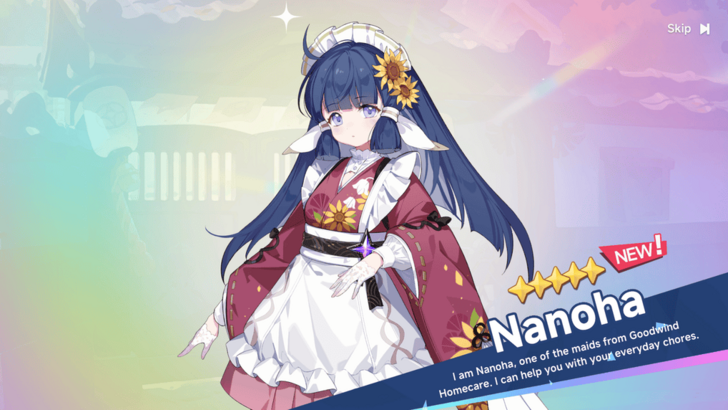
While Genshin Impact, Honkai: Star Rail, and Wuthering Waves also give 90 of their respective premium currencies, their pull cost is only at 160–-combined with how much you get from dailies, you can easily earn one pull a day if you religiously commit. Stella Sora, however, requires twice the effort and day for a single pull. It’s just ridiculously expensive for what it's worth.
Of course, the game is in its infancy and this is all speculation and theorizing, so hopefully Yostar can prove us wrong later on. But with how it’s presenting itself right now, it’s not looking too good.
Story and Game Modes are Progress-Gated
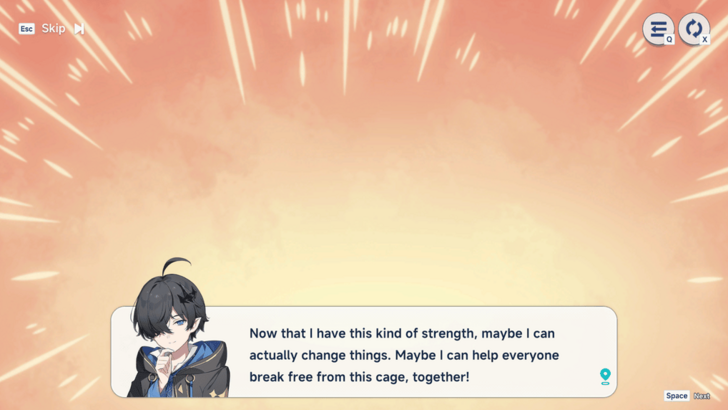
This can be quite the con if you’re the type to try and finish everything you possibly can in one gaming session. The main story, character levels, and several game modes are gated behind progression, which in this case is the Authorization Level—something like World Levels. However, what sucks is that while World Levels pose themselves as obstacles only every 20 or so levels, Stella Sora’s Authorization Level dictates what you can do—for every darn level, which really restricts what you can do daily.
In particular, this came off as a con to me because I still vividly remember the first chapter (how could I, with it ending in such a cliffhanger), which I breezed through in the global release in hopes I could get to Chapter 2 immediately so I could finally curb my curiosity—and alas, I have to wait for the next day to continue the plot because there’s not enough missions to add to my Authorization Level experience point gauge.
And even outside of the main story, the fact that levelling and ascending characters is also gated every other two to three levels can be pretty frustrating at first, to the point where it might turn off some people who like achieving things early on. I just want Nanoha to love me enough for the shiny title, please.
Text and Translation Issues
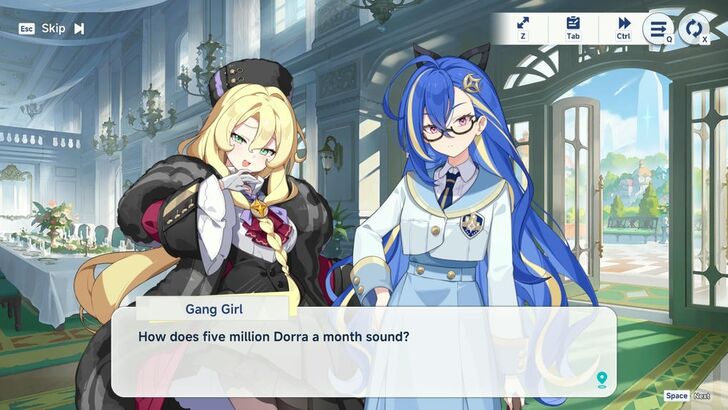
Localization could use some work. While most of the dialogue is decent, there are some lapses in…everything else. Firstly, there’s the strange use of the placeholder name (I’m assuming) of "Lady Andrew" to refer to a speaking character who the Tyrant hasn’t met or been introduced to yet. Not all characters are given this weird placeholder name, but most of them are, and it’s rather annoying to keep seeing it like that.
In Nanoha’s Disc Memory Recollection, this exactly happened. The game referred to the new character as Lady Andrew, and then was introduced as "Isaki" by Nanoha in her lines. You’d expect the dialogue box to say Isaki, right? Turns out, her English name is Claire—yet, the other characters still call her Isaki in their dialogue boxes. Then, another one of Nanoha’s colleagues (she’s a ninja maid) arrived at the scene, who was introduced as Okra. Yet, her dialogue box still just refers to her as Clerk. So…what is going on here?
Strangely enough, this is also seen in the Main Story of all places. Minova’s dialogue box title becomes Student Applicant when she’s in disguise, and Feagin—who is introduced very early on, with title and name and everything—is reduced to Gang Girl in her dialogue box. The CEO of Creta Trading reduced to…Gang Girl. And she keeps being referred to as Gang Girl for several chapters—up until the end of Chapter 2, even. This wasn’t in the CBT at all, so it’s odd how something like this slipped in through the cracks.
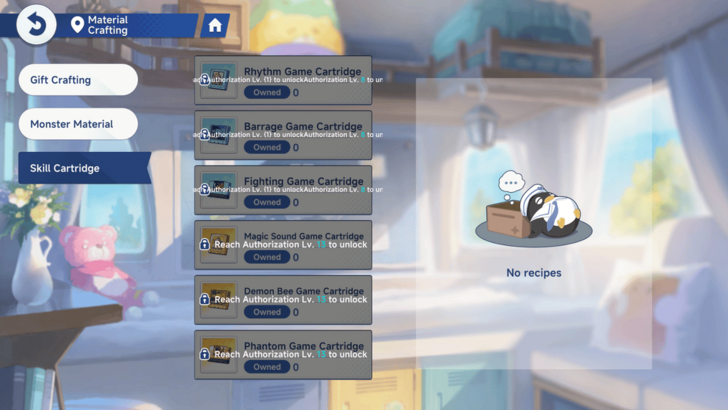
There are also a few instances of text not displaying properly, like in the image of the Material Crafting menu above where the "Reach Authorization Level" text is doubled and looks just odd. Even in some lines of dialogue, there’s extra spacing, a missing period or exclamation point, those kinds of things. It’s something minor, yes, but for a global release after going through rounds of testing…stuff like this should have been ironed out ages ago.
Is Stella Sora Worth It?
Still Worth To Play, Just Don’t Pull Out Your Wallet (Yet)
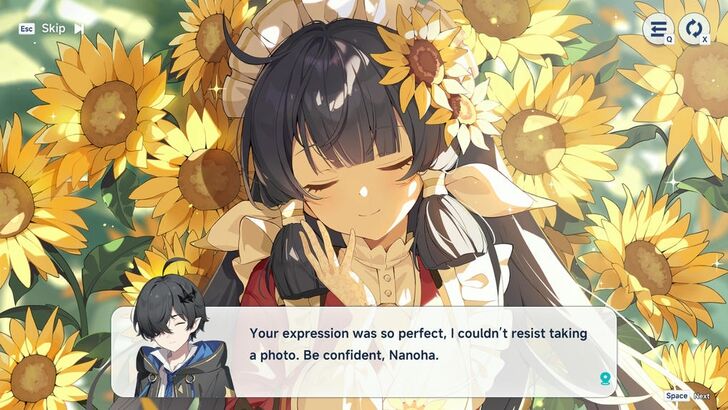
Stella Sora is enjoyable to play, there’s no doubt about it. The combat is fun at its core, and the experience is made even better with the visuals and the audio all encompassing it together. Its central story, although still not complete, is shaping up to be something intriguing and captivating which is something I’m looking forward to. And not to mention…many cute girls. Always a plus.
However, it’s bogged down by its stingy monetization practices, coupled with expensive pulls that don’t seem to be worth it even if you pay to play, as well as a variety of localization and text errors that didn’t seem to be there in the first place back in CBT anyway, so it’s strange that it’s bugging out on the global release no less.
Nevertheless, Stella Sora is still worth a try for everything else—it’s a fun and decent game for being free-to-play, and I’m looking forward to playing it more as time goes on. I just hope they kind of fix the gacha, but…eh, dreaming is free. For now, I’ll just try to prove to everyone I’m Nanoha’s number one fan.
| Digital Storefronts | |||||
|---|---|---|---|---|---|
| Google Play |
App Store |
PC Client |
|||
| Free-to-play | |||||
Stella Sora FAQ
What platforms is Stella Sora on?
Stella Sora is available to play on PC (through a dedicated client on their website), Android, and iOS devices.
Who is the developer of Stella Sora?
The game is developed by the publisher of the Blue Archive, Arknights, and Azur Lane titles, Yostar.
Who are the 5-Star Characters in Stella Sora?
As of launch, there are eight total 5-Star Characters, namely Minova, Nanoha, Chixia, Mystique, Nazuna, Gerie, Freesia, and the limited banner character, Chitose.
Game8 Reviews

You may also like...

Stella Sora Product Information
 |
|
| Title | Stella Sora |
|---|---|
| Release Date | October 19, 2025 |
| Developer | Yostar |
| Publisher | Yostar |
| Supported Platforms | PC (Dedicated Client), Android, iOS |
| Genre | Action, Adventure |
| Number of Players | 1 |
| ESRB Rating | RP |
| Official Website | Stella Sora Official Website |



"the monetization is dissapointing" in a gacha game... yet for Pokemon ZA game8 reviewers give it a great score of 8/10 for a "full" game lol. don't get me wrong Charlene, your review makes the point clear, who needs to stop being biased as a reviewer is the Pokemon ZA dude xd