| Silver and Blood | |||
|---|---|---|---|
| Release Date | Gameplay & Story | Preregister and Preorder | Review |
Silver and Blood is a strategic real-time RPG set in a world of vampires and monsters. Read our review to see what it did well, what it didn't do well, and if it's worth buying.
Silver and Blood Review Overview
What is Silver and Blood?
Silver and Blood is a gothic vampire-themed RPG for mobile, launched on June 26, 2025, and developed by Vizta Games, a subsidiary under MOONTOON Games. It’s a free-to-play title that incorporates gacha mechanics.
Set against the backdrop of Minexus—a dark, medieval continent plagued by the “Black Blood Disease”—the game weaves players into a sweeping tale of vampires and long-lost alchemical mysteries. Combat unfolds on a nine-grid, turn-based battlefield, requiring players to carefully position their “Vassals” (characters) to optimize their performance.
Silver and Blood features:
⚫︎ Auto-chess gameplay with RTS and RPG elements
⚫︎ Set in an 18th century-like time with vampires, werewolves, and combat priests
⚫︎ Time-based resource gathering
⚫︎ No stamina system
⚫︎ Equalized PvP mode
⚫︎ Voice-acted story
⚫︎ 4% SSR drop rate
For more gameplay details, read everything we know about Silver and Blood's gameplay and story.
 Official PC Client Official PC Client |
 App Store App Store |
 Google Play Google Play |
|||
| Free | |||||
|---|---|---|---|---|---|
Silver and Blood Pros & Cons
| Pros | Cons |
|---|---|
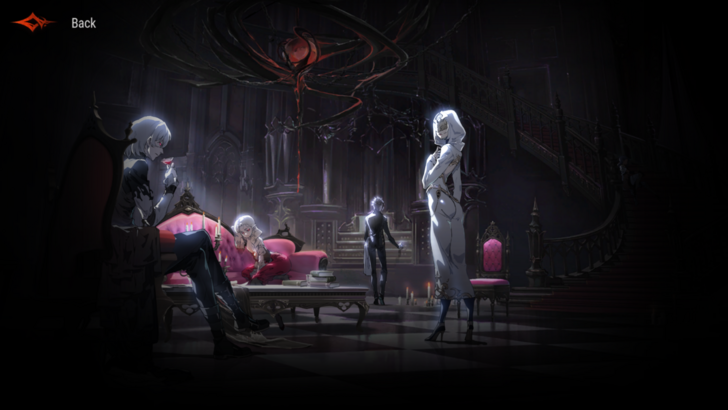
 Fresh, Visceral Themes The Gameplay is Fairly Engaging Very Busybody-Friendly Character Writing Steals the Spotlight Fresh, Visceral Themes The Gameplay is Fairly Engaging Very Busybody-Friendly Character Writing Steals the Spotlight |
AI That Would Make Igor Groan The Disjointed Narrative Is Disconcerting High Gacha Rates Mask Its Horror |
Silver and Blood Overall Score - 78/100
Silver and Blood has plenty going for it, with a solid story supported by well-written characters and autobattler-style gameplay that’s both fast and strategic, even if everything outside combat feels slow—sluggish, even. It’s also great visually, with manhwa-like art and gothic aesthetics, even though its 3D models look very basic and has a clunky UI. And while the 4% SSR rate might seem generous in today’s economy, it loses a lot of shine once you hit the wall of required dupes and stat caps for maximizing performance.
Silver and Blood Story - 8/10
Despite being largely story-driven, Silver and Blood stands out for its well-written characters, who serve as the backbone of its narrative. They’re a strong cast with deep backstories that players gradually uncover through interaction. But while the plot itself is quite interesting as well, it does suffer from a severely disjointed narrative, which often leaves you with more questions than answers even after the conclusion of an arc.
Silver and Blood Gameplay - 6/10
Silver and Blood’s autobattler-like gameplay demands quick thinking and even quicker reflexes to handle the ever-changing battlefield. As for upsides, however, that’s pretty much it. Everything outside of combat feels like a crawl due to its use of a time-based resource system for collecting level-up materials, making the RPG elements feel sparse, and its RTS mechanics can be entirely bypassed by a rudimentary AI that functions well enough to be usable. Its downsides aren’t major compared to the strategic thrill of the core mechanics, though, and the game proves time and again that making you work for your victory is the sweetest prize.
Silver and Blood Visuals - 8/10
Its use of artwork in its splash art and animations reminiscent of manhwa, rather than the more rounded aesthetics typical of Chinese gacha games or the anime-inspired visuals of Japanese titles, gives Silver and Blood more personality than most. On top of that, the Van Helsing-like aesthetic elevates the visuals of every character and scene, creating eye candy nearly every time someone appears on screen. Unfortunately, though, the 3D models are fairly basic, the lack of camera controls hurt the immersion, and the UI could stand to be less intrusive and user-unfriendly to the overall experience.
Silver and Blood Audio - 8/10
Finding something to criticize about Silver and Blood’s audio is surprisingly tough, given its stellar voice acting, punchy sound effects, and music that does far more than just make you want to rewatch Underworld for the fifteenth time. That said, there are occasional sections where the audio simply vanishes, possibly because they were added late in development, and it’s also prone to desynchronizing with the visuals, especially whenever you tab out of the game.
Silver and Blood Value for Money - 8/10
I’m painfully aware of how easy it is to heap praise on Silver and Blood for its 4% SSR rates—a figure that’s easily four to seven times higher than what most gacha games offer. The devil is in the details, though: Silver and Blood not only caps a character’s maximum level based on the number of duplicates you pull, but it also locks significant stat boosts behind continued gacha investments. Oh, it also uses a 50-50 mechanic for limited banners. And while its Transfusion system lets low-dupe characters catch up somewhat, the results still fall notably short compared to fully dupe-invested units.
Silver and Blood Review: Where Speed Meets Protracted Suffering
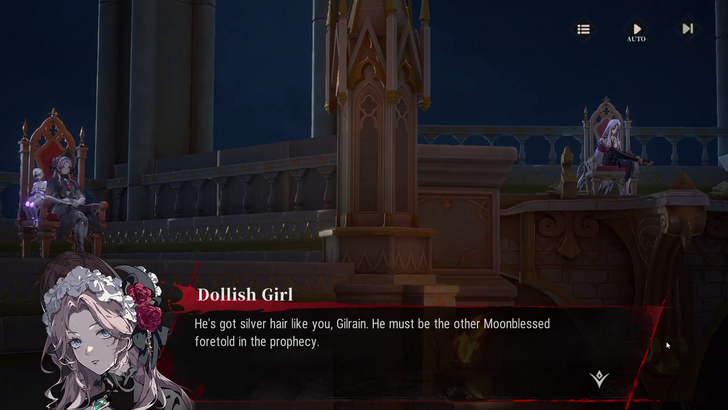
Van Helsing fans, rise up! All two dozen of us, at least, because Silver and Blood is here to scratch that gothic vampire-hunting itch we’ve been nursing since Dracula: The Dark Prince… not that that one was particularly good or anything.
Set in a world ravaged by the Black Blood Disease, a plague that transforms its victims into undead horrors or outright monsters, the game follows the schemes of various factions vying to control, contain, eradicate, or simply study the calamity. You, the protagonist, start off seemingly unrelated to this chaos, just another soul captured by the Church for carrying the disease. But as you progress through the story alongside the vampire faction opposing the dominant religion, it quickly becomes clear that your ties to the catastrophe run far deeper than you ever imagined.
At its core, though, the game is essentially an autobattler experience blended with RPG and RTS elements for extra engagement. Even so, aside from a few challenging boss fights, much of it can be skipped entirely thanks to a basic, but functional, Auto AI. So, when you strip away the story, the only real "gameplay" left revolves around leveling up characters and equipping gear, which leaves the game feeling a bit dull to play. But in some respects, that’s actually okay because—
It Has Insanely Well-Designed Characters
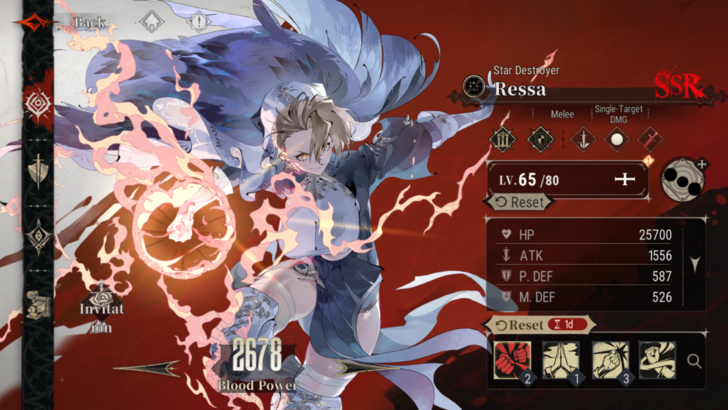
Honestly, if there’s one thing Silver and Blood pulled off extremely well, it’s with, well, basically everything about the characters—whether it’s in design, writing, backstories, heck, even their in-game kits.
Like, darn, just look at them; even the daintiest-looking characters like Bella and Starry-Eyed Aiona have design quirks that make them seriously eye-catching. Bella, for instance, looks like an ordinary maiden dressed in a gothic lolita outfit that fits perfectly with the era Silver and Blood is set in—until you notice she’s sporting two pairs of mannequin arms instead of normal fleshy ones.
Meanwhile, some characters are more understated, with their peculiarities rooted in their concepts rather than purely in their appearances. For example, the protagonist’s dear friend Ressa, who’s supposed to be a simple church nun running an orphanage, is actually a physical powerhouse capable of easily obliterating monsters—and you’d never guess it until you see her in-game splash art, where she’s rocking a fiery fist and a skill description that basically says, "Delete all enemies in front."
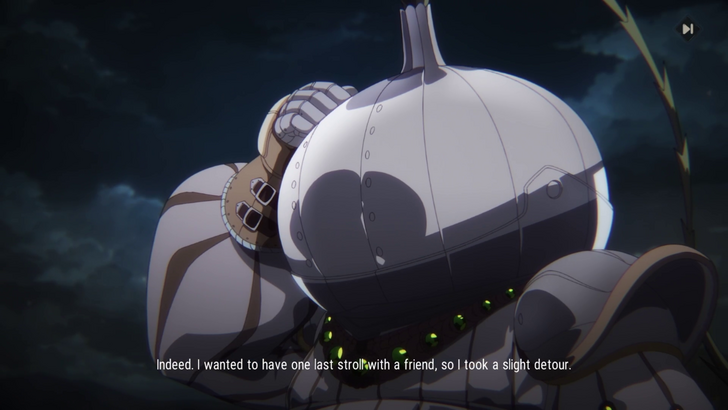
In addition, the effort that went into writing each character feels substantial, with most of them driven by their own ideals and personal aspirations rather than just blind loyalties. Like, it’s especially refreshing to see how several of the Church’s high-ranking inquisitors, who should technically be your enemies due to all the ideological clashes, can actually be reasoned with and even befriended… to a limited extent.
Though, they absolutely will wipe you out if they feel it’s necessary.
To be fair, this sort of nuance could be chalked up as a basic obligation for a gacha game featuring collectible characters from opposing factions. It’ll be weird if you can use hostile characters for the most part, after all. However, it’s not a strict requirement, and pulling it off in a way that feels natural and delicate—where the whole dynamic might collapse if you misstep and fall out of their good graces—makes it incredibly cool to read.
A Perilous World I Wouldn’t Mind Being In
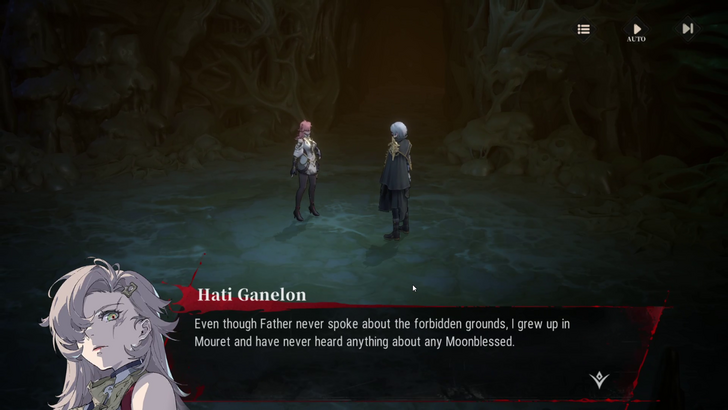
Silver and Blood is set in what looks like a late-1800s region plagued by a terrifying affliction known as the Black Blood Disease, which transforms humans into beasts—or sometimes into things even worse. To keep the calamity in check, the Church sealed away the disease’s sources and appointed twelve powerful families, fiercely loyal to their cause, as its guardians.
But on the other side of the coin, you’ve got clans like the Bathorys, who’ve managed to harness the Black Blood Disease for their own ends, gaining everything from supernatural abilities to outright immortality. The real kicker, though, is that the true nature of the disease is far more metaphysical, described as an ailment that warps memories even more than it damages the body.
Sounds like your typical clash of good versus evil, right? Well… not exactly. One of the best narrative choices Silver and Blood makes is to blur the lines between those two extremes. The simplest—and most immediate—example of that comes right in the prologue, when you, the protagonist, get "rescued" by the Bathory heir from the Church… sort of.
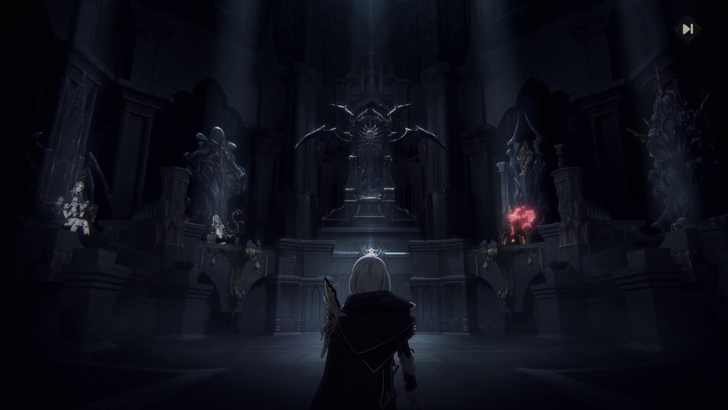
By "rescued," I mean they didn’t exactly save your life so much as revive you after you’d already died—as a bloodborn (read: vampire).
Still seems pretty straightforward, right? But that’s where the game’s excellent worldbuilding kicks in, slowly revealing a setting where trust is a luxury and everyone starts off as a cautious acquaintance. It builds impressively nuanced characters within all the major factions, showing you small circles of people who are always more complicated than your first impression suggests.
Beyond that, the powers swirling around this calamity create a fascinating dynamic where ideals collide more fiercely than factions ever do—and that’s the kind of layered storytelling that makes gritty fiction like this truly shine. Heck, even their teachings regarding abilities differ based on their beliefs, making it necessary to pay attention to what point of view each character is talking from.
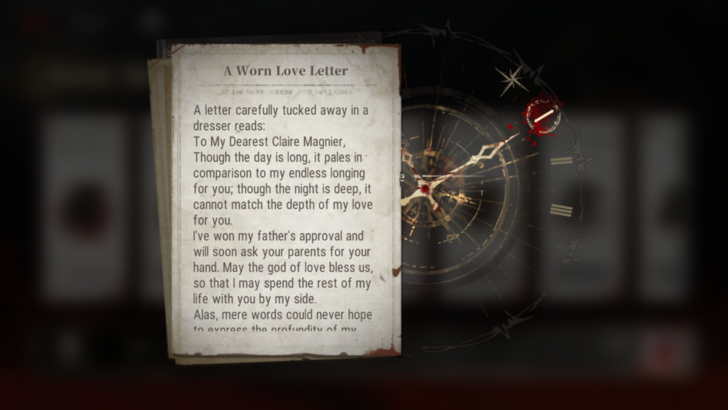
It’d be an absolute joy to watch such a rich world unfold—if only the narrative style could do it justice. And that’s where the biggest problem with Silver and Blood lies: the storytelling is so disjointed that even if you laid everything out in perfect chronological order, it’d still be a headache to piece it all together into a cohesive whole.
Like, you’re suddenly in the castle of the Bathorys on day one, and then—right after beating up the stubborn old sod there—you’re already trekking through Lupine Forest on day two with zero introduction. What happened in between, aside from a vague hint from a seedy guy you just met pushing you in that direction? You take down one of the major figures in the family council, and somehow you’re free to just stroll into neighboring territory without anyone batting an eye?
The rush to push the plot forward is painfully obvious and wreaks havoc on the pacing. Quite frankly, it reads less like a story and more like a summary.
A Great Game, if You Want to Play It
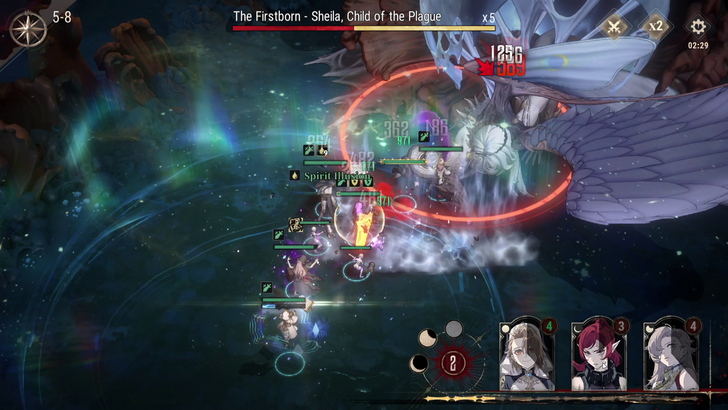
Ever heard of Brown Dust 2? Yes, the cultured game from a couple of years ago. Well, imagine that, but in real time, and you’re already more than halfway to understanding what Silver and Blood’s combat feels like. At its core, you place a limited number of units on a grid, hit play, and watch them go at it. Of course, where you place them arguably matters more than who you choose—you wouldn’t want your archer standing in the front line, right?
But in Silver and Blood’s case, things get a bit more nuanced and engaging. The game layers in mechanics like manually targeted ultimate skills, a unique Moon Phase system, and interactive terrain elements—like rocks you can drop on enemies’ heads for some extra damage.
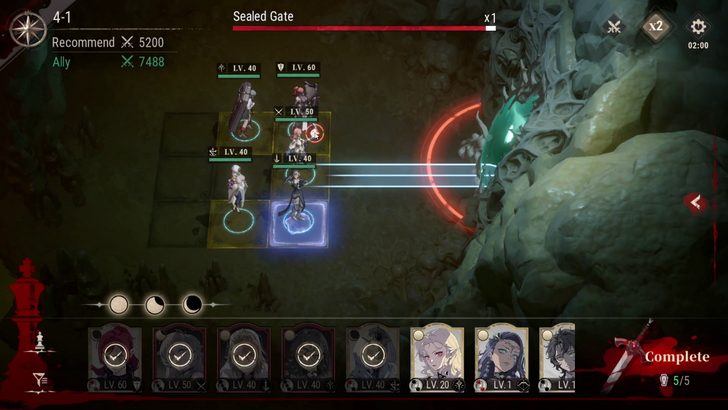
The Moon Phase system even spills over into teambuilding strategy. Each character—called a "vassal"—is linked to a specific moon phase. Most of the time, it doesn’t matter much, but when you trigger a vassal’s ultimate skill in combat, it shifts the moon to that phase. Activate all phases—New, Crescent, and Full—and you unleash the Blood Moon, boosting your vassals’ damage and lowering their skill costs.
The end result is an autobattler game that still values player input and strategic decision-making. But if you’re someone who prefers to sit back and watch the chaos, there’s an Auto AI to handle things for you. Just… don’t rely on it during tough battles, because the AI’s logic is questionable at best—it might waste heals on fully healthy units or hoard resources for high-cost ultimates meant to be finishers rather than openers.
When High Gacha Rates Spell Trouble
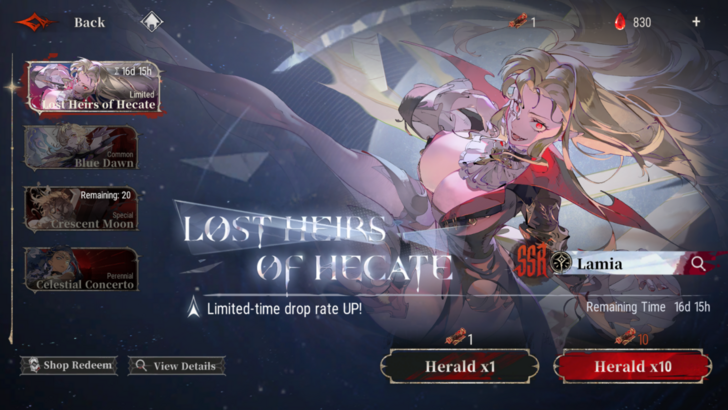
Let’s get this out of the way right off the bat: Silver and Blood boasts a staggering 4% SSR rate—a figure that’s four to seven times higher than what most mobile gacha games even dare to offer. It sounds incredible, and on the surface, it is. But there’s a big catch: unlike many other gacha titles, Silver and Blood makes that high SSR rate practically necessary, because pulling duplicates for your characters isn’t optional—it’s obligatory.
And no, I’m not talking about situations like Honkai: Star Rail’s Acheron needing her second Eidolon—meaning three copies total—to unlock a notable power spike. Dupes in Silver and Blood act as upgrade materials, required to raise your vassals’ maximum levels from 80 to 120 and then 160, with another tier exclusive to SSRs, while also providing significant stat boosts.
That might not sound dramatic at first, but trust me—the extra levels and stat gains from each duplicate add up fast. After several upgrades, the differences become enormous, often determining whether you thrive or hit a wall in key gameplay modes. Oh, and have I mentioned that the limited gacha also uses a 50-50 mechanic?
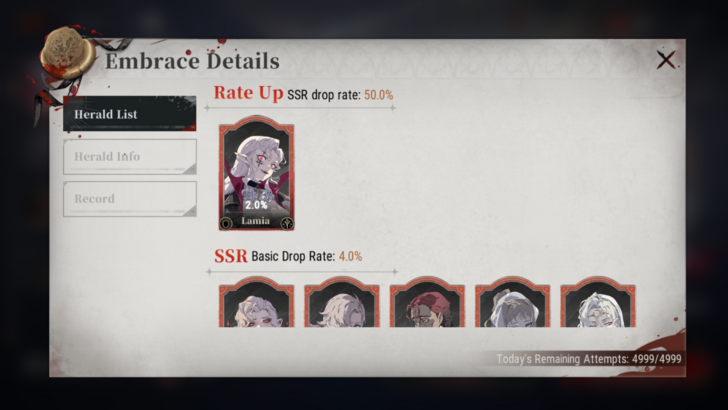
Still, I get why the 4% SSR drop rate is tempting, especially for people who don’t intend to keep playing the game past a week or so. Statistically, you’re looking at snagging an SSR every 20-30 pulls, which early on means building a roster packed with shiny new high-rarity vassals to experiment with. And that feels fantastic. But once you hit midgame, when breakthroughs and stat floors start to matter, that generous rate stops being enough, especially considering that Silver and Blood launches with dozens of SSRs already in its pool.
For context, this is the same gacha and progression model used by Goddess of Victory: NIKKE, a game notorious for its brutal midgame wall. Even its Synchro Device—a system designed to let characters synchronize levels—barely helped when only SSRs could break past the highest caps. Unfortunately, it looks like Silver and Blood might be heading down the same path with its own version of the Synchro Device, known as Transfusion.
That also means you’re guaranteed to hit a wall once your characters breach level 160 or so—because at that point, only fully duped SSRs can advance any further.
The Grind is Slow But Reasonable
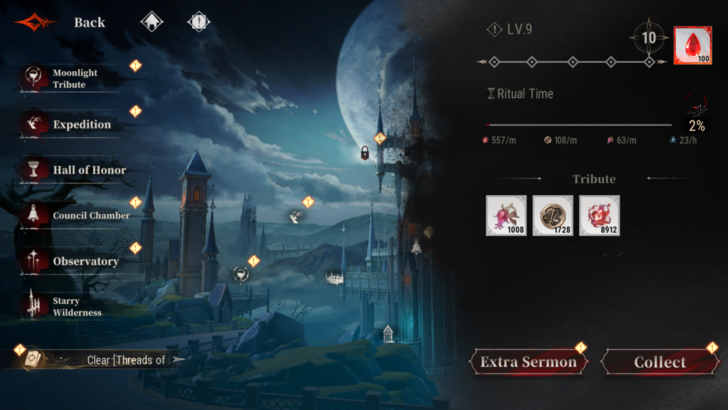
Speaking of similarities between Silver and Blood and Shift-Up’s wildly successful mobile game, farming resources to level up vassals has also been largely taken off your daily grind checklist. Instead, most upgrade materials come from a resource crate that fills over time, and the only way to speed that up is by pushing further into the story.
So, no, you don’t need to burn stamina every day just to see your vassals grow stronger. In fact, Silver and Blood doesn’t use a traditional stamina system at all. Most content is playable until you hit a wall you can’t clear or run out of limited attempts for certain stages, and new modes or areas unlock purely through story progress.
When you look at both systems together, it becomes clear that Silver and Blood is heavily time-gated. You’ll eventually unlock everything if you stick around long enough, but don’t expect to blast through at lightning speed unless you’re willing to swipe your credit card early and often.
Is that good? Well… it depends. On one hand, the lack of a stamina system means the game doesn’t demand a rigid daily commitment. If you’re on vacation, for example, you can just log in, grab your resources, and head back out to soak in the foreign city vibes, knowing you’ve only missed a handful of premium currency. It’s perfect for busy folks who might only play once a day or even less. On the other hand, players who want to main the game might quickly find themselves starved for content. Overall, though, it strikes a pretty fair balance.
Is Silver and Blood Worth It?
It Is, But Give It a Week
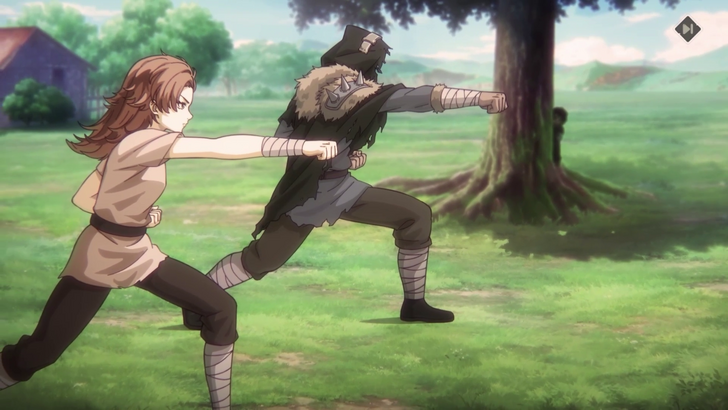
I might be biased, considering I’m a huge fan of movies like Underworld, Van Helsing, and Dracula Untold, but I genuinely believe Silver and Blood has the potential to build a strong, loyal fanbase. Even if you set aside the deliciously edgy aesthetics, the world it’s set in, while not exactly profound, is still intriguing enough to get the fiction writer in me fired up.
Besides, it’s not like the game demands a ton from you. You can dive in and play it however you want, whether that’s through hands-on engagement or just letting the built-in auto-play feature handle things for you.
That’s especially true given how new the game still is. Thanks to its relatively generous 4% SSR rate, you’ll quickly collect plenty of high-rarity vassals to experiment with. And once you hit the mid or early endgame where dupes start to matter, that’s the perfect time to decide whether you’re in it for the long haul or ready to move on.
| Official PC Client |
App Store |
Google Play |
|||
| Free | |||||
|---|---|---|---|---|---|
Game8 Reviews

You may also like...
 |
Etheria Restart Action, RPG, Strategy, Anime |
 |
Chasing Kaleidorider RPG, Anime, Gacha |
 |
Ananta RPG, Anime, Gacha |
 |
Neverness to Everness RPG, Anime, Gacha |
Silver and Blood Product Information
 |
|
| Title | Silver and Blood |
|---|---|
| Release Date | June 26, 2025 |
| Developer | Vizta Games |
| Publisher | MOONTON Games |
| Supported Platforms | PC, Android, iOS |
| Genre | Tactics, RPG |
| Number of Players | 1 |
| ESRB Rating | 12+ |
| Official Website | Silver and Blood Website |