| Highguard | |||
|---|---|---|---|
| Release Date | Gameplay & Story | Pre-Order & DLC | Review |
Highguard Review Overview
What is Highguard?
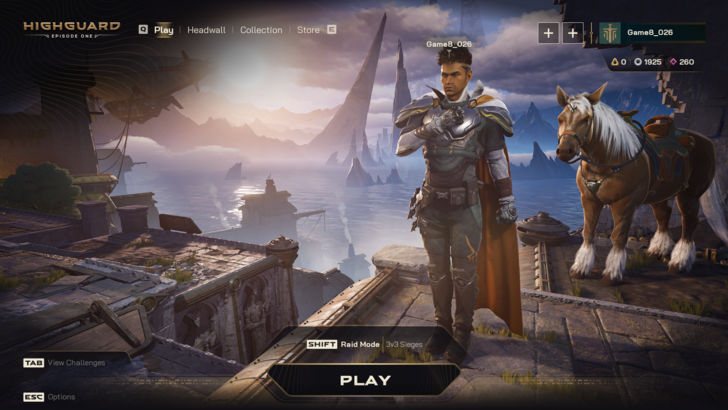
Highguard is a free-to-play PvP first-person shooter developed by Wildlight Entertainment, a studio formed by former Apex Legends and Titanfall developers. Set in a fantasy-inspired world that blends firearms and magic, Highguard places players in the role of Wardens competing for control of fortified territories. Matches revolve around securing a powerful siege device known as the Shieldbreaker, which teams use to assault opposing strongholds and gain dominance.
Highguard is released on Steam, PlayStation 5, and Xbox Series X|S on January 26, 2026.
Highguard features:
⚫︎ New Genre - PvP Raid Shooter
⚫︎ Unique Gameplay Loop
⚫︎ Free-to-Play Live-Service Multiplayer
⚫︎ 3v3 Team Play
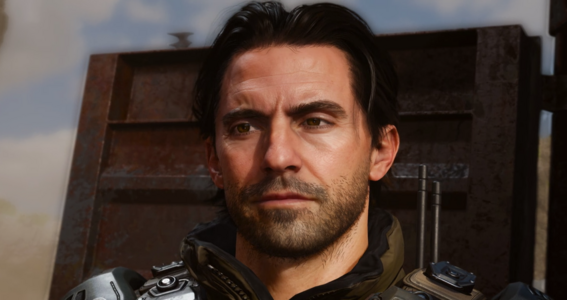
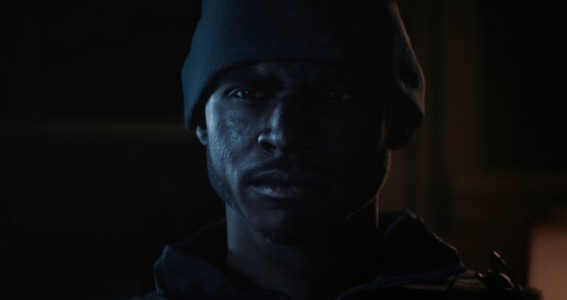
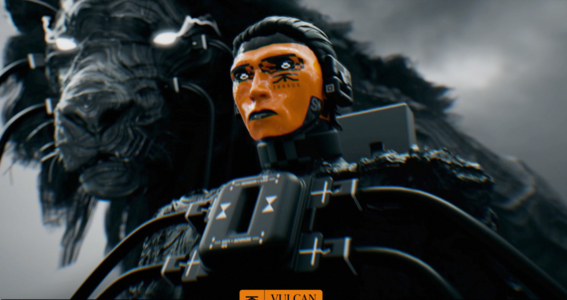
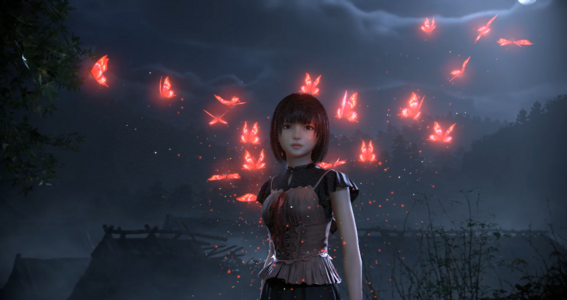
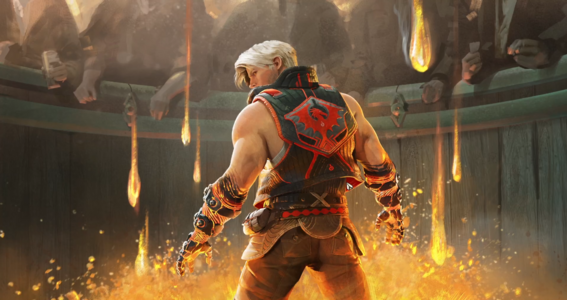
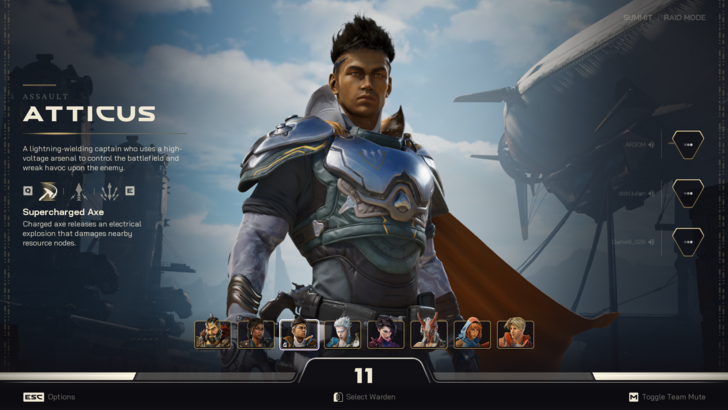
⚫︎ 8 Playable Wardens
For more gameplay details, read everything we know about Highguard’s gameplay and story.
| Digital Storefronts | |||||
|---|---|---|---|---|---|
 Steam Steam |
 PSN PSN |
 Xbox Xbox |
|||
| Free-to-Play | |||||
Highguard Pros & Cons
| Pros | Cons |
|---|---|
 Distinct Gameplay Loop Raiding Phase is a Blast Actual Character Variety Distinct Gameplay Loop Raiding Phase is a Blast Actual Character Variety |
Huge Map Size Certain Phases Feel Awkward Inconsistent Gunplay Bad Character Balance Network and Performance Issues |
Highguard Story - 3/10
Being a live-service multiplayer game, it’s no surprise that Highguard lacks a narrative. However, the lack of one hurts the new IP much more than it normally would, and it's an extremely missed opportunity, as there’s no context for the world, the Wardens, or the power struggle they’re fighting about. It would’ve at least created a sense of connection or made the characters memorable beyond their visuals and abilities. Instead, we get tiny descriptions from the game’s cosmetics that are seemingly just added fluff.
Highguard Gameplay - 8/10
Highguard scores points on being a one-of-a-kind experience, one that you would never work when executed. The way it’s able to mix in FPS game modes created a sense of novelty that you would never find in other FPS games. However, inconsistent gunplay, unbalanced characters, and a hollow map design make it a middling experience, even though it has a potential framework of the fundamentals you would want in a competitive FPS.
Highguard Visuals - 6/10
The game’s visuals are decent, as there’s a lot to like when it comes to the overall aesthetic and art style of its characters, weapons, and environments. It features a distinct theme that sets the game apart from other shooters. It does, however, suffer from poor optimization, which makes it look and run worse than expected.
Highguard Audio - 5/10
There’s a clear lack of music in certain segments, especially during the Defensive Phase, where the already empty world feels even emptier. The voice acting and sound effects are serviceable, but nothing remarkable to make it stand out.
Highguard Value for Money - 8/10
Highguard’s biggest asset is that it's completely free-to-play, with a more forgiving live-service design, specifically since Battle Passes never expire. However, the competitive team shooter has only one game mode with five maps that feel way too similar, making the experience repetitive way too fast. The silver lining is that new content is expected monthly, which at least guarantees there’s something new to do every month.
Highguard Overall - 60/100
Highguard is, quite literally, an attempt at reinventing the wheel of competitive team shooters. It’s definitely a respectable attempt; its core gameplay loop works conceptually, and seeing the game in action shows there’s potential. However, it has several core issues with its gameplay loop and mechanics that undermine it, alienating both longtime genre fans and newcomers. Hopefully, these issues can be addressed quickly, or else the game ends up as empty as its maps.
Highguard Review: Years Too Late
A New Shooter Rides Out
Lately, I’ve been wondering how genres become engaging over the years. For instance, competitive shooters have shared a core principle of shooting each other's heads off, but have continuously evolved from simple team deathmatches like Quake to hero shooters like Overwatch.
Some might say it’s because of the gunplay, some might even say it’s the movement, and others might point to the strategy. If you want my answer, it’s the identity.
If you’ve been a fan of shooting games for the past twenty years, then chances are you’ve seen how the multiplayer shooter genre has continuously evolved. From team deathmatches in Quake to tactical shooters like Counter-Strike, to the unique hero shooters like Overwatch, and, of course, the free-for-all design of battle royales like Fortnite. It’s always been a genre that’s evolved and adapted over the years.
Everyone knows that trying to get into the multiplayer shooter market is already tough, but trying to make your own niche? That’s even more difficult, and oftentimes a recipe for disaster.
Enter Highguard, a PvP team shooter that’s not only infamous for being the last game revealed during The Game Awards 2025, but also a shooter that’s trying to create a whole new subgenre entirely. Its initial reveal featured a multitude of familiar FPS game modes, along with character abilities you’d only find in a hero shooter. Safe to say, it looked like a generic shooter that was doomed from the get-go, especially with the massive expectations it suddenly has to fulfill.
My disappointment was immeasurable, and I’m sure that I’m not alone in feeling this way. As the last game to be featured in a massive awards show with potentially genre-defining game reveals, it felt like a cheap game made its way through and tried to steal the thunder from many other deserving reveals.
Putting the disappointment aside, there’s no way that a game that has base-building, looting, pseudo capture-the-flag, and tactical bomb scenarios all combined into one game would ever work, right? Surprisingly enough, it actually does. But if I’m being honest, this game felt like it needed a lot more time in the kitchen, and then maybe it could’ve been the next big thing.
Gameplay You’ve Never Seen Before
Picture an FPS where you get a few elements from Rainbow Six: Siege’s Preparation Phase, Apex Legends’ looting, and Fragpunk’s combination of hero and tactical shooter mechanics. Then add that it’s a 3v3 game, with teams split across the map and choosing their bases before the game starts. It sounds complicated, and believe me, it is complicated. But when I finally got the chance to play it, I saw how the gameplay is definitely unique.
A game of Highguard is essentially a loop of 3 phases: Looting, Shieldbreaker, and Raid.
Looting is the battle-royale aspect where players explore the map to upgrade their gear. Shieldbreaker is a modified version of Capture-the-Flag, where players fight over the titular sword and use it break open the opposing team’s base. Lastly, the Raid Phase is when the game becomes a slightly more traditional tactical FPS, with the former planting a bomb to score points and the latter defending their base.
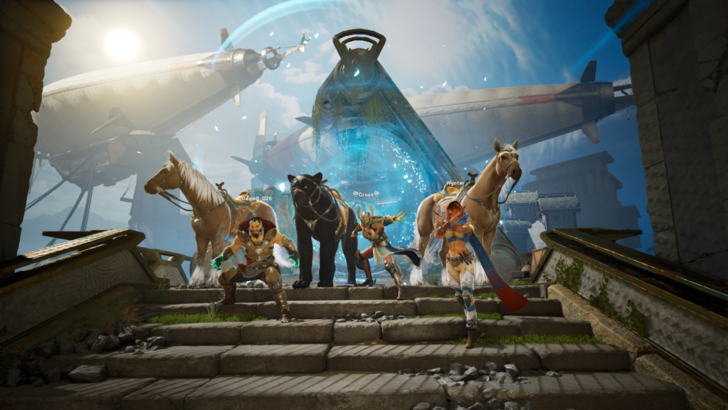
Despite the confusing combination, the entire gameplay loop works, at least on paper. Each phase creates the necessary buildup for the next and transitions into the more action-oriented phases. There’s a clear separation of what to do and what to achieve in each phase, with the ultimate goal of destroying the enemy team’s base. While the argument can be made that it literally just takes common elements from many different FPS games, no one else tried it and made it into an actual competitive concept.
I eventually understood why Wildlight Entertainment was as secretive as they were. The gameplay loop is so different and unique that explaining and showing it in a simple trailer makes it look extremely bad and hard to understand.
With all of that in mind, I honestly see it as a triumph that Wildlight Entertainment somehow managed to combine all of these established elements, albeit in a limited sense, into a cohesive gameplay loop. It’s only when you dissect each phase and the little details that the cracks really start to show.
Huge Map Size, Hollow Looting Experience
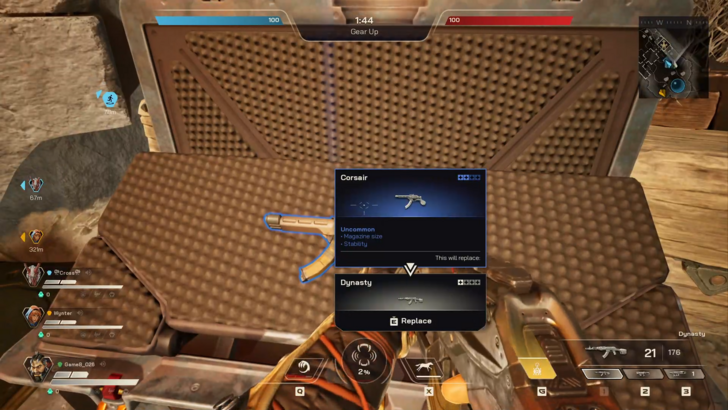
Let me preface this by saying that the movement in Highguard doesn’t feel all too bad. I would even go so far as to say that the Mount mechanic is a great way to incorporate movement and gunplay in similar genres. However, one of its biggest problems is that the game's maps are flawed in multiple ways, which then leads to awkward phases.
You know how at the start of battle royale games, landing in the middle of nowhere meant that you won’t see anyone for the next 5-10 minutes? Imagine that, but this time there are quite literally only 6 players on the field, and half of those are your teammates. Simply put, the map is too big for itself.
While it’s clear that the intention of the map size was to make the looting phase shine, it doesn’t take long for you to get enough materials to be set and ready for the upcoming Shieldbreaker phase or even the Raid Phase. This means that you only loot a few chests at 2-3 points of interest, and most of the time, you’re already battle-ready.
After that, looting feels pointless. It becomes a redundant phase where it all leads to stacking a surplus of items that you hopefully get a chance to use. This also magnifies how empty the map feels, with too few points of interest and a little too many open areas.
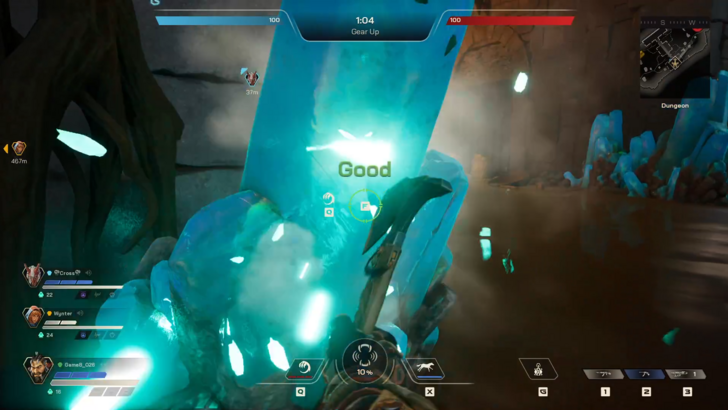
To add insult to injury, farming for Vesper, the game’s currency for buying gear from the vendor, is a tedious task that becomes a mini rhythm game. Players would melee the Vesper ores to be farmed, and similar to Fortnite’s mining method, you have to time your melee strikes to efficiently gather resources.
Doing so successfully lets you mine another ore with a single hit, rather than the original 4 hits. In contrast, the penalty for failing to do the rhythm game literally doubles the amount of time it takes to mine a set of nodes.
Everything about mining the crystal nodes feels unnecessarily complicated and even more tedious than it already is, making it a slog that you have to get through before all the action you’re craving for.
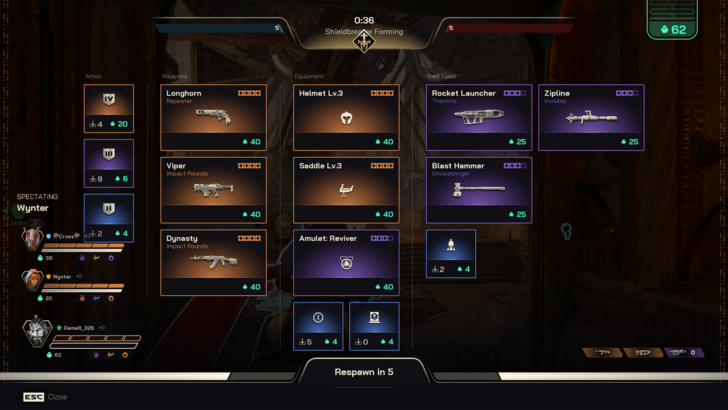
In a sense, the first few phases of the gameplay loop feel like an unskippable filler episode, and not the good kind. If the intention of these phases was to slow the game down, then it definitely succeeded. But the fact that it contradicts what the core experience encourages and showcases during the Raid Phase is what baffles me the most.
This gets even worse once you realize that the cycle repeats itself after a successful Raid Defense. This leads to unnecessarily long matches where you’re just running around the map, opening boxes to upgrade gear for half the time.
However, even with all these complaints, I can see why the game needs this particular phase. Not only does it give players a break from the action, but it’s also a unique way of integrating economy mechanics without being similar to your average tac-shooter. If the maps were smaller and the Looting Phase rewarded more interaction between the two teams, it would be infinitely more entertaining.
Raiding is Literally the Bomb
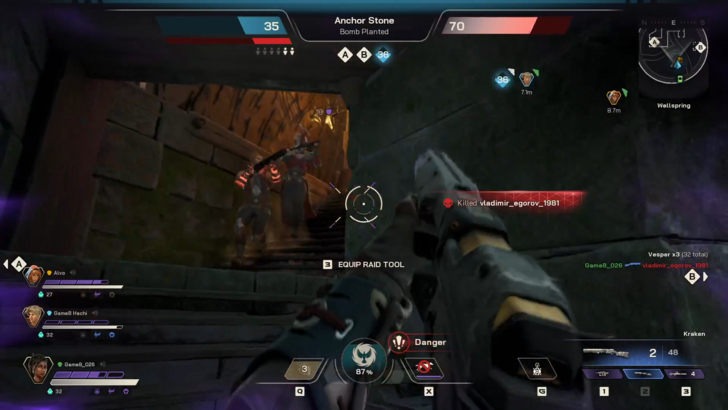
It was pretty obvious that the Raid Phase is the highlight of every game. The whole sequence of summoning the Siege Tower, opening the base’s shield, and then minutes of nonstop firefights in mid-to-close quarters. Highguard does an amazing job of showcasing that the Raid Phase feels like an actual climax in every game.
Everything feels grand and hectic, where both teams use everything they have to either plant the bomb or defend their base. The first few hours playing the game were a blast. My squad and I managed to eke out a few wins as we learned the ropes. And I have to say, raiding an enemy base and planning an approach in coordination with your team’s utility is, undoubtedly, a huge dopamine boost.
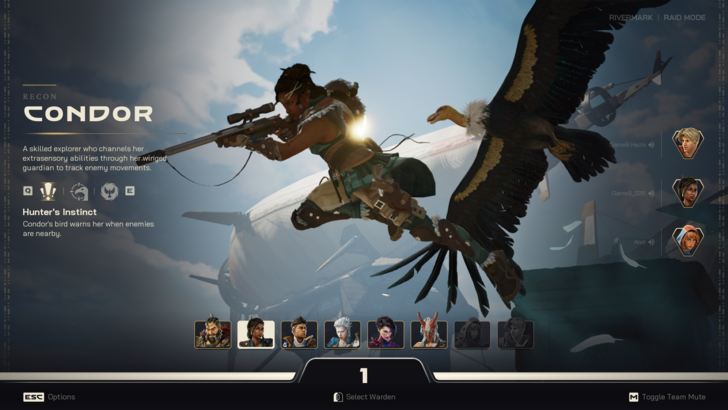
There was a particular sequence where my team coordinated all three of our abilities to wipe out the enemy team. Using Condor’s Scan to give us information on the enemy team’s location, while giving the one-two punch with Scarlet’s Shifting Sands and Slade’s Firebomb from an unexpected entry to catch the enemy by surprise.
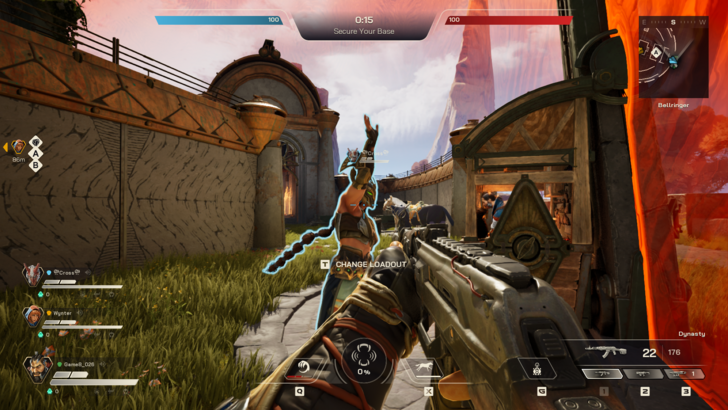
And the best part? On that same play, we bet on being able to take and defend the enemy team’s main generator, which eventually won us the game. For context, both teams have three main sites to defend, two of which score you half the amount of points you’d need to win. But if you’re able to take the enemy team’s main generator, you instantly win the game.
It was a very fun experience, one that really showed me just how fun the game can potentially be. Especially when you’re playing it with friends, that allow for proper coordination and strategy.
But the good times don’t last long enough. Remember when I said it was only for a few hours? When it comes to live-service shooters, chances are there’s not really much else that you do other than play the game again and again. So when you do get to play more games and don’t hit the same peaks as you’ve experienced them the first time, that’s when you start to see the faults in the game clearer than ever. Especially if you’re shooting 90% of the time.
Inconsistent Gunplay
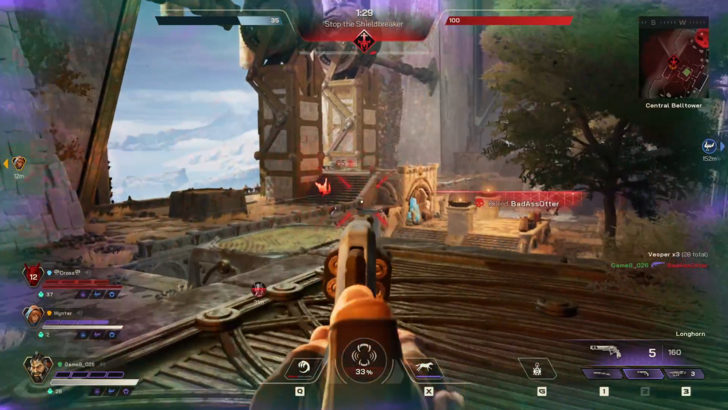
A fact everyone knows about multiplayer shooters is that gunplay is king.
It doesn’t matter if the visuals are dated or if the game lacks a narrative; if shooting feels good, then it’s already winning half the battle. At the end of the day, shooters have to feel satisfying, and that may depend on every player, but it simply has to. Whether it’s the feel of the weapon you’re using, the sound effects, the movement, targeting, damage, everything, especially since everything about the game’s success hinges on it.
Despite my lack of skill when it comes to clicking heads, the problem was as clear as day after a few hours of play: the guns themselves were lackluster.
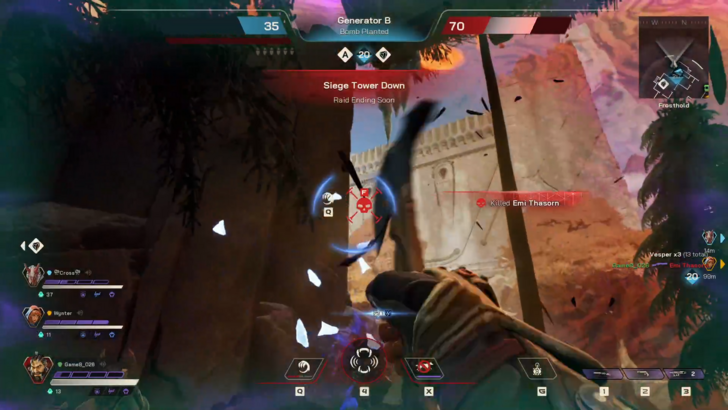
The specific problem that comes to mind is the absurdly long time-to-kill.
Let’s compare it to an endgame scenario in Apex Legends, where everyone is kitted out, and all remaining players have top-tier weapons and armor. These last few firefights can last up to minutes, particularly because with a full kit, none of the players will die in a single shot or from a single grenade without taking significant damage beforehand. So it becomes a long affair of cracking each other’s armor until the other side gives.
On the other hand, every firefight in Highguard felt like the guns didn’t do enough damage. Whether it’s the first or last round of the game, it feels as if you need at least two mags worth of body shots to knock someone out with armor.
Now, this could be a combination of factors, like hit registration, damage discrepancies on certain body parts, armor scaling, or even just plain low damage numbers across the board. But one thing’s for sure, it takes a long time for a kill to happen unless the enemy you’re fighting is literally standing still.
Call it a skill issue if you will, but it feels particularly bad when you’ve dumped a whole magazine of bullets only for the opponent’s teammate to blindside you and kill you with damaging abilities or a higher damage arsenal. None of the guns feels consistent in how they deal damage, and it’s hard to tell when you have enough to knock someone out.
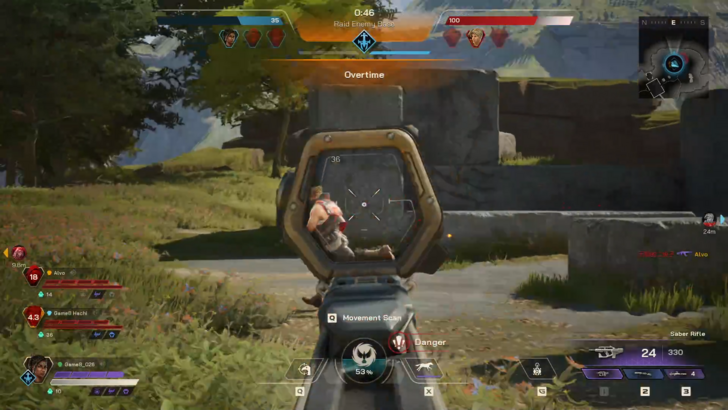
For comparison, the game’s auto shotgun, the Paladin, feels completely outclassed by the alternative pump-action shotgun, the Kraken. It feels as if the former needs triple the amount of time to get the same result at a range that’s more or less the same.
This could be intentional, as the lower number of participating players means there should be fewer interactions between the two teams. Meaning the developers are looking for players to have more firefights, rather than a single one where one team ends up dead.
Look, I’m not a pro player or even a relatively high-ranked gamer on shooter games, but I’ve played enough games where the satisfaction of shooters also depends on how long these fights take. In the case of Highguard, every fight feels like it takes way too long to resolve, resulting in a constant stagnancy if no one gambles for an all-in or has amazing aim.
Performance Issues And Other Nitpicks
Aside from the gameplay design issues, Highguard is also plagued by a myriad of performance issues. Even strong PC builds struggle to maintain a stable, suitable framerate due to the limited number of graphics options. While I don’t have the strongest PC out there, I don’t think a PC that surpasses the recommended specifications of the game should have experienced the amount of stuttering issues as I did.
To add salt to the wound, the graphics also suffer a lot because of the game’s unoptimized state, where players would have to settle for lower settings on the game’s graphics in order to play on a stable framerate. Even at an average setting, the game has certain texture and anti-aliasing issues that make the models and terrain look cheap.
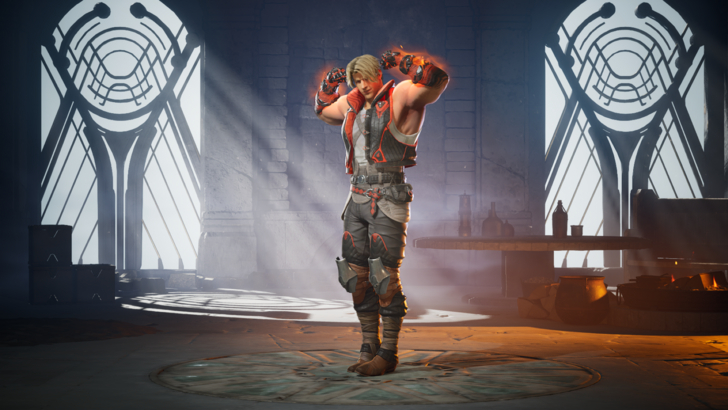
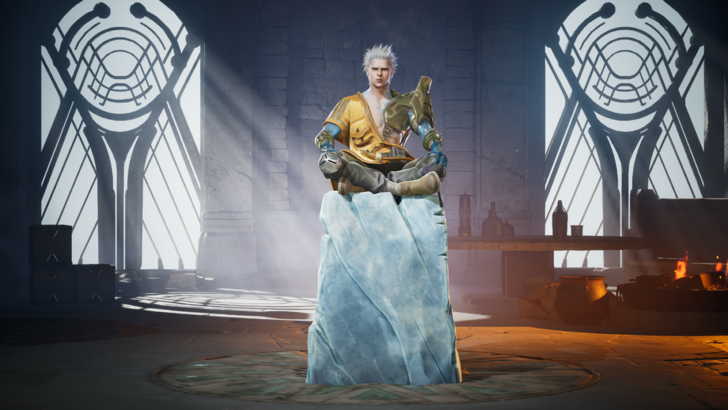
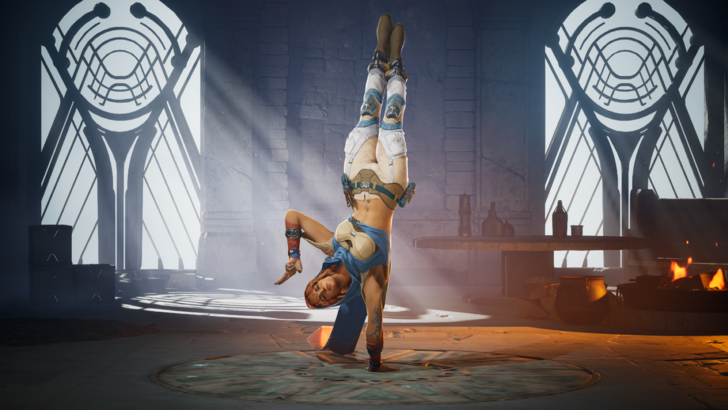
Aside from that, character balance is also another big issue. While the game has a good variety of characters, some kits feel way too strong compared to the rest. Characters like Mara and Redmane feel undertuned compared to the rest of the Wardens, as their kits are underwhelming.
An example of a strong Warden is Condor, whose Tactical ability gives her team wallhacks for 30 seconds. Another big example is Kai, whose ultimate makes him a borderline unkillable tank capable of disrupting an entire team on his own. Not to mention that his passive skill allows him to repair walls for free.
Is Highguard Worth It?
It’s Free, And It’s At Least Worth Trying.
Regardless of the game’s problems, Highguard is still worth trying if you have the time to do so. It genuinely has the most unique gameplay loop that I’ve ever experienced in any multiplayer game, and the fact that it’s completely free-to-play is just another reason for you to try it out. Plus, I will give Wildlight Entertainment its flowers for attempting to innovate on the multiplayer shooter genre, as the whole PvP raid concept certainly has potential that needs to be explored.
Sure, it’s not the greatest shooter out there since it definitely has a good number of issues that need fixing, but it honestly feels like a game that’s leading up to another evolution for the genre. On top of that, the developers at Wildlight Entertainment are very much committed to making the game better as the months go by, so if you’re not planning to play the game anytime soon, it might be worth it to keep tabs on the game’s progress.
Honestly speaking, if the developers decide to reduce the overall map size or at least have some sort of buffer during the game’s Gear Up Phase to encourage player interaction, then I could see myself playing it casually.
| Digital Storefronts | |||||
|---|---|---|---|---|---|
| Steam |
PSN |
Xbox |
|||
| Free-to-Play | |||||
Highguard FAQ
Does Highguard Have Crossplay?
Yes.
Is Highguard Only 3v3?
Not anymore. Wildlight Entertainment has added an option for players to play 5v5.
Game8 Reviews