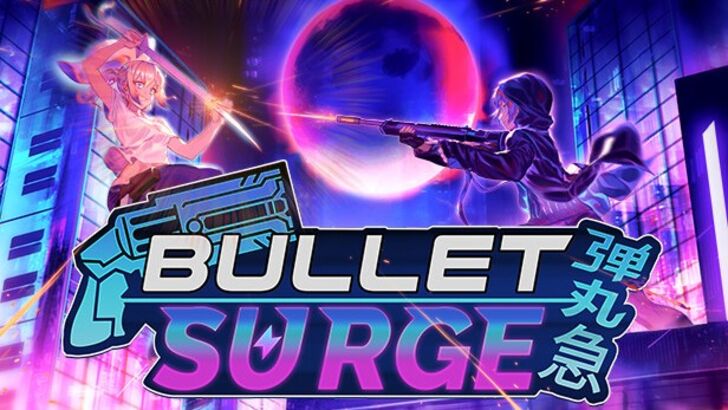
Bullet: Surge is a real-time puzzle game based on the board game, Bullet! Read our review to see what it did well, what it didn't do well, and if it's worth buying.
Bullet: Surge Review Overview
What is Bullet: Surge?
Bullet: Surge is a digital adaptation of the Bullet board game created by Cebere Games and Level 99 Games. It marks the first full video game in the series. The game pits players in an arena alongside a roster of heroines. The core objective is to clear the board of incoming bullets by arranging them into patterns, using those chains to unleash attacks on opponents or bosses, and ultimately becoming the last heroine standing. Game modes include solo Boss Mode, Score Attack, and online PvP.
Bullet: Surge features:
⚫︎ Real-Time Puzzle Action
⚫︎ Multiple Heroines
⚫︎ Digital Adaptation of a Board Game
⚫︎ Multiple Game Modes
⚫︎ Solo and Online Play
 Steam Steam |
|||||
| TBA | |||||
|---|---|---|---|---|---|
Bullet: Surge Pros & Cons
| Pros | Cons |
|---|---|
 Clever and Rewarding Puzzle Mechanics Varied Heroine Playstyles Boss Mode is a Fun Challenge Clever and Rewarding Puzzle Mechanics Varied Heroine Playstyles Boss Mode is a Fun Challenge |
No Proper Story nor Character Development for its Heroines Steep Learning Curve for Newcomers Online Mode Lacks Options |
Bullet: Surge Overall Score - 70/100
Ultimately, Bullet: Surge is a rewarding puzzle game, even if its heroines, though diverse in gameplay, aren’t exactly overflowing with personality. Once you conquer the initial learning curve, it’s a tense and engaging ride, with the Boss and Score Attack modes standing out as fun highlights. The online features still feel lacking, though, and it doesn’t quite surpass its board game counterpart, but the overall package still makes a decent case for itself.
Bullet: Surge Story - 4/10
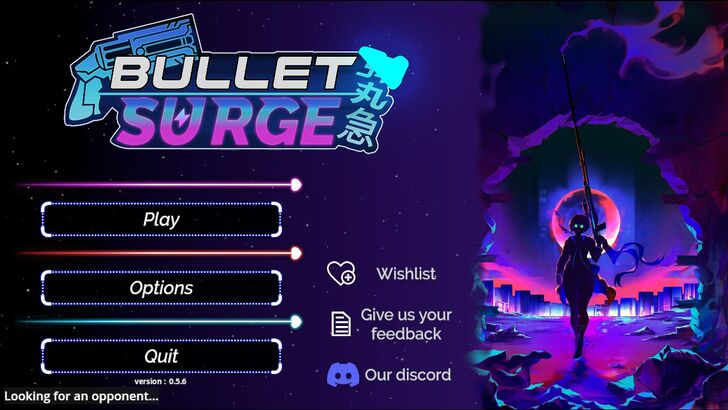
There’s technically a cast of heroines here, but you'd be hard-pressed to tell who any of them really are beyond what their outfits and attack gimmicks suggest. Without a story mode or any in-game lore to flesh them out, you’re left piecing together personalities from character portraits and abilities. It’s not that the game needs a story, but when the characters are this distinct in design, it feels like a lost opportunity to not let them say or do anything outside of combat. A little context goes a long way, and here, it barely makes it out of the loading screen.
Bullet: Surge Gameplay - 9/10
When it comes to Bullet: Surge, the gameplay is undoubtedly the star, as it layers clever pattern-matching mechanics with a cast of heroines that each play like their own self-contained puzzle. Boss mode, in particular, is fun and inventive and just the right kind of mean. However, the steep learning curve and barebones online versus mode drag things down a bit, especially if you're hoping for a smooth ramp-up or lively matchmaking. Once it clicks, though, it’s hard not to keep coming back for one more boss fight.
Bullet: Surge Visuals - 6/10
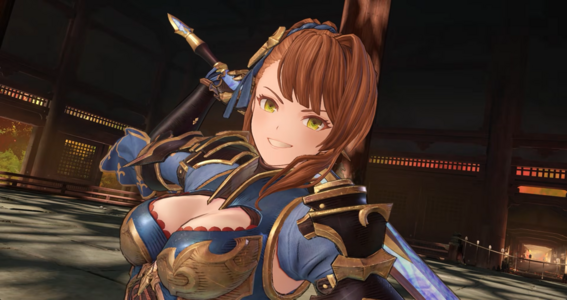
The character portraits in Bullet: Surge are stunning. Really, you might catch yourself hitting pause just to soak in the heroines’ anime-inspired designs. It’s a shame, though, that the user interface doesn’t quite match that level polish; the menus feel pretty basic. On the opposite side of the spectrum, the user interface during gameplay is a bit too much. With a lot happening on screen, it can honestly feel overwhelming. Although it does a good job replicating the board game’s layout, a little more visual clarity would’ve gone a long way.
Bullet: Surge Audio - 8/10
The soundtrack in Bullet: Surge borrows from the tabletop game’s three-minute tracks, and for the most part, they’re pretty catchy. There are songs here that keep the pressure on while you scramble to clear your grid. However, with only nine tracks in rotation, the game does lean on them a bit too much, and after just a few hours, even the best ones start to blur together. Still, it’s hard not to tap your foot while panicking through a boss fight.
Bullet: Surge Value for Money - 8/10
If you ask me, Bullet: Surge delivers a meaty helping of puzzle gameplay without the setup fuss or high cost of its board game counterpart. It automates all the fiddly bits you’d otherwise be stuck managing by hand, which alone feels worth the price of admission. Sure, it’s missing some of the extra content and co-op options from the tabletop version, but what’s here still offers hours of challenging fun. If you’re curious about Bullet but not ready to commit to the plunge, this is an efficient—and far more affordable—way to dip your toes in.
Bullet: Surge Review: Puyo Puyo Tetris From Bullet Hell
When I booted up Bullet: Surge, I had absolutely no prior history with Bullet, the 2021 board game by Joshua Van Laningham. I didn’t even know it was a board game at first. All I saw was a puzzle game with anime-styled heroines and an unapologetically arcadey presentation, and I thought, "Sure, this looks fun." Only later did I discover that this digital version is the board game, translated into a reflex-testing video game format. Almost immediately I found myself entranced by what might best be described as a high-speed bullet hell puzzle hybrid dressed in magical girl aesthetics and wrapped in a clever ruleset.
Bullet, the original board game, was released in 2021 by Level 99 Games and designed by Joshua Van Laningham. Based on their Kickstarter page, the core idea was to simulate the frantic pace of a shoot-em-up using puzzle mechanics and bag-building. You and up to three other players take on the role of heroines, as you draw "bullets" (really, just tokens) from a bag and try not to get overwhelmed as they fall down on your personal board. The hook is to manage the insanity and clear patterns to stay alive and mess with your opponents.
After checking out the descriptions for both the video game and the tabletop version, I pegged it as a mash-up of Tetris, Puyo Puyo, and cute-'em-ups (you know, shoot-'em-ups, but with all things cute instead of spaceships). It did well enough to get expansions like Bullet Orange and Bullet Star that brought in new heroines to play as. But really, it pretty much stuck to its lane, unfazed by all the hubbub in the wider board game world
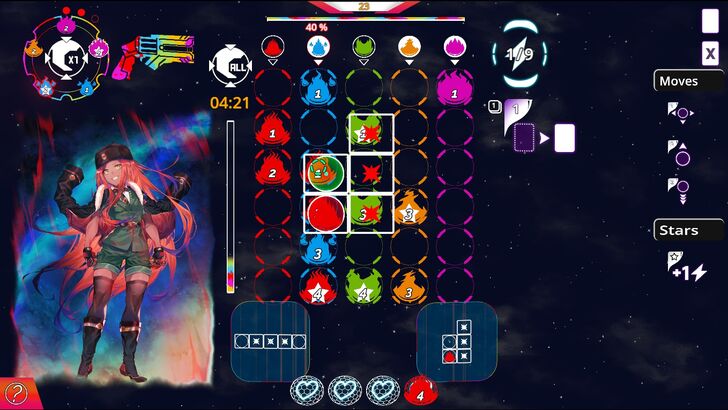
I went into Bullet: Surge not knowing what to expect. Its UI was a bit much, honestly, and the menus felt unpolished. I wasn't sure if it'd be a fleeting novelty or a genuinely fun strategy game. But within an hour or so, I was locked in clearing bullet patterns, timing attacks to bosses’, and learning to read the board like it was a second language. I’m still pretty terrible at the game, I won’t lie, but it’s the kind of game where the mechanics just unfold naturally the more you play; it just clicks with a part of your brain that enjoys problem-solving under pressure.
Bullets From Hell
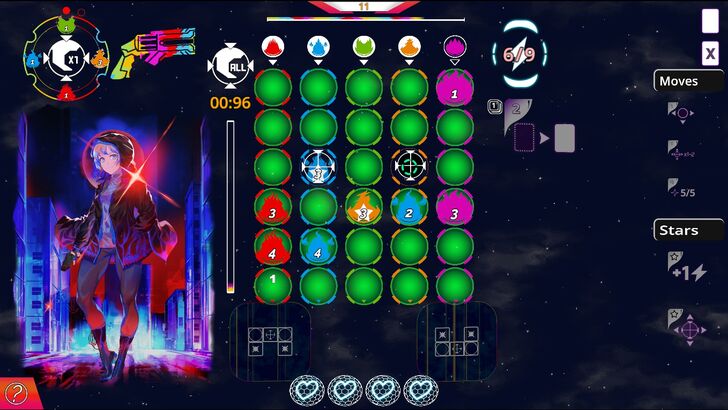
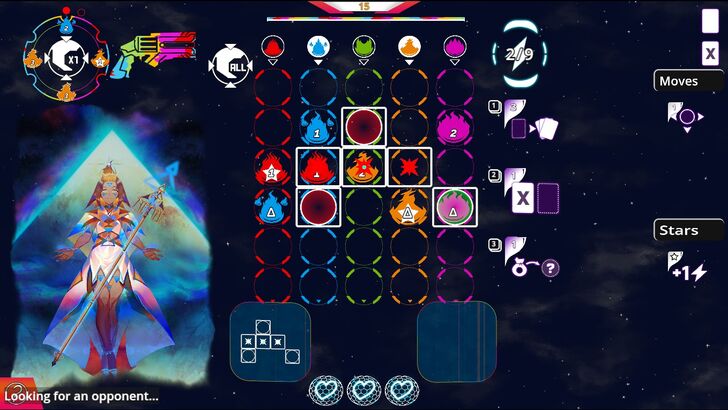
Let’s get one thing out of the way: Bullet, as in the board game, is dense. Its ruleset isn’t encyclopedic, but it’ll definitely have you redo the tutorial maybe at least three times. At its core, each player manages a personal 6x6 grid called the "sight," where bullets of various colors and values fall down columns. Every bullet token you draw from a shared bag (in the game, a gun chamber) has a number on it, and this dictates how many rows it drops from the top before landing. You place it, breathe (maybe), then draw again. If a bullet goes outside your board through one way or another, you lose a life. Rinse and repeat.
The challenge comes in how you clear these bullets. Firing a bullet gives you an AP, and you need to spend these points to activate a skill or draw patterns that remove specific arrangements of bullets from your grid once placed. These patterns are unique to each heroine and represent her "powers." Patterns must match exactly, and, if you’re playing with a friend, every bullet you clear gets tossed into your opponent’s queue to add pressure to their grid.
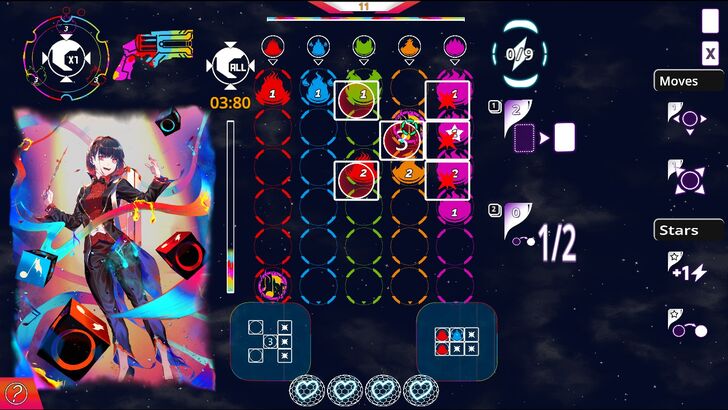
Now, transplant that into a video game, and you’d be forgiven for assuming the rules might be streamlined a bit. Not so. Bullet: Surge is a nearly one-to-one recreation of the board game’s mechanics, and if anything, it leans even harder into its complexity. Every numbered bullet still drops with the same logic, every pattern must be executed with precision, and every heroine’s quirks are preserved. The only real changes are in quality-of-life improvements. The game automates drawing tokens, resolving patterns, shifting bullets, and enforcing round timers.
However, the learning curve is still very real here. The game kicks things off with a roughly 50-step tutorial—which I respect—but even after completing it, I felt like I’d just graduated from Bullet Kindergarten. The tutorial covers the basics well enough: bullet drops, actions, pattern usage, and clearing bullets. But then it turns you loose, and suddenly the game is throwing heroines at you who can manipulate bullet colors, duplicate bullets, and even have you do math right then and there. I often found myself pausing mid-game, staring at a heroine’s patterns and thinking, "Wait, I’m supposed to do what now?" It’s not that the game is opaque; it’s just confident you’ll figure things out eventually. And, to be fair, you will… after a lot of failed attempts.
Still, I do respect the trust Bullet: Surge puts in its players. It doesn’t treat you like you need constant reminders or endless pop-ups. It assumes you’re curious enough to try things out, lose a few rounds, and come back stronger. And once you’ve internalized the mechanics, the flow of the game becomes intuitive. It can become easier to play, but mastering it is a whole other story. You need to think several moves ahead, anticipate incoming bullets, conserve action points, and time your patterns just right to survive. It becomes almost meditative in its pacing, until, of course, the bullet speed ramps up and you’re one misplaced token away from losing a relatively good run.
Heroines with Clever Mechanics… and Little Else
What really gives Bullet: Surge its edge is its cast of playable heroines. Each heroine has her own distinct mechanical identity, and figuring out how to wield their toolkits is where a good chunk of the game’s learning curve comes from. They’re characters you learn, in every sense of the word. And I do mean learn.
Take Esfir Volkova, for example. If you’re just getting started (as I was), she’s probably the best training wheels you could ask for. Her patterns are simple, and her skill, which lets her draw patterns for 1 less AP, is easy to grasp. She’s the "vanilla" pick, as she is perfect for understanding how the game’s core systems play out across a match.
Other characters are a bit difficult to learn, though. Adelheid Beckenbauer, for instance, steps things up a notch. Where Esfir keeps things simple, Adelheid’s bullets are all about colors. They often require specific bullet hues to activate, and her active ability lets you convert bullets into musical notes, which you can then plug into otherwise unmatchable patterns.
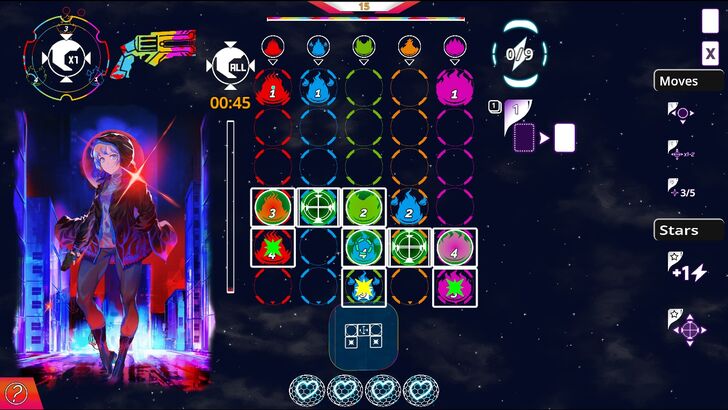
But that’s nothing compared to someone like Senka Kasun, whose whole playstyle revolves around crosshair placement. She has these two tokens (the aforementioned crosshairs) that mark spots on your grid, and her patterns clear bullets relative to those placements. Suddenly, you’re reacting to what’s on the board and you’re planning around abstract zones of effect. She is fascinating, but definitely not someone I’d recommend unless you enjoy the sensation of your brain turning into lukewarm oatmeal mid-round. I still can’t tell if I like using her or just feel a vague sense of guilt when I don’t. If you like a challenge, though, she’s a wild one to master.
Personally, I found myself clicking with Rie Akagi. She's the glass cannon of the bunch, starting with just two lives, less than most other heroines. However, she makes up for this with her ability to heal herself. I burned through so much AP just to keep her on her feet sometimes. Yet, the rush of pulling back from the brink when the grid was almost full and she had just one life left. She’s fragile, sure, but she’s scrappy, and that made her my go-to.
Learning any of these characters takes time, and mastering them takes even more. Just because you grasp a heroine's mechanics initially doesn't mean you'll instantly dominate the leaderboards. They each bend the game's rules in unique ways, so to succeed, you'll need to adapt your thinking every time you play.
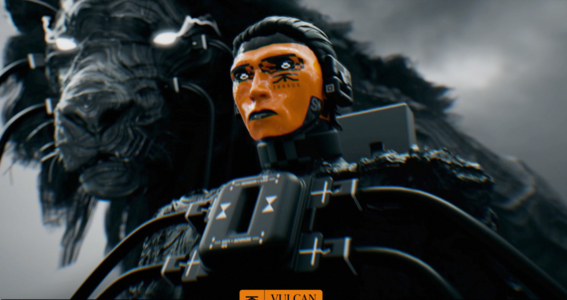
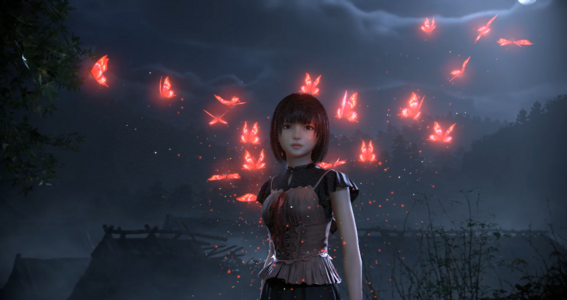
For how central these heroines are, however, I'm genuinely bummed there isn't more to them beyond their playstyles. Bullet: Surge doesn’t have a story mode or even basic character explanations. So, apart from their impressive character art and a few visual nudges, you're pretty much left in the dark about who they are. It's a shame, really, considering the obvious effort put into their visual designs. I kept waiting for some lore or flavor text, but it never arrived. What you see is literally all you get.
Different Modes for Different Moods
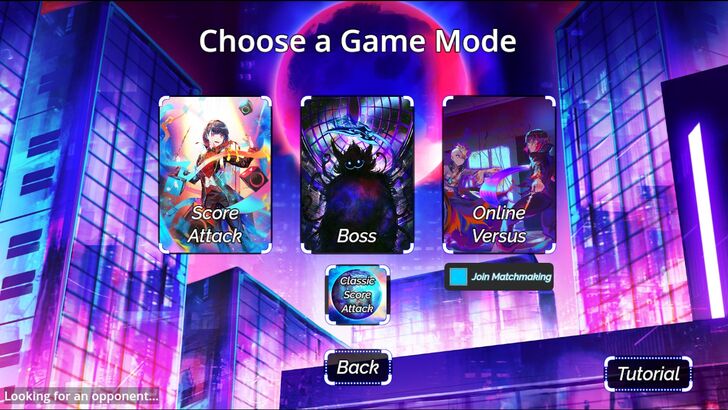
Bullet: Surge offers three game modes, and each one brings its own flavor to the table. But let’s start with the one that likely will be most players’ first stop: Score Attack. This is the quintessential "play until you drop" mode, a solo endurance where the bullets just keep coming until your grid gives out. Bullets fall in waves every 20 seconds, which gives you plenty of breathing room to draw patterns and set up clears. You have the option, though, to manually fire the gun early and get AP and some bullets in your grid.
Initially, things feel pretty manageable. But give it some time, and the game really starts to turn up the heat. The longer you survive, the faster the bullets fly, and before you know it, panic replaces your carefully laid plans as you improvise your way out of tight spots. Those action points that seemed so plentiful earlier suddenly start piling up in the worst way. In later levels, you're not swimming in AP because you're playing smart, but because you simply can't keep up with the pace! Yet, that's precisely what makes the game so fun. There's something intoxicating about trying to last just one more round, to squeeze out clear, to watch your name inch higher on the online leaderboard. I'd restart matches endlessly, just to try and beat my previous best level. And usually, I wouldn't, but I'd come so close! That "almost" is seriously addictive.
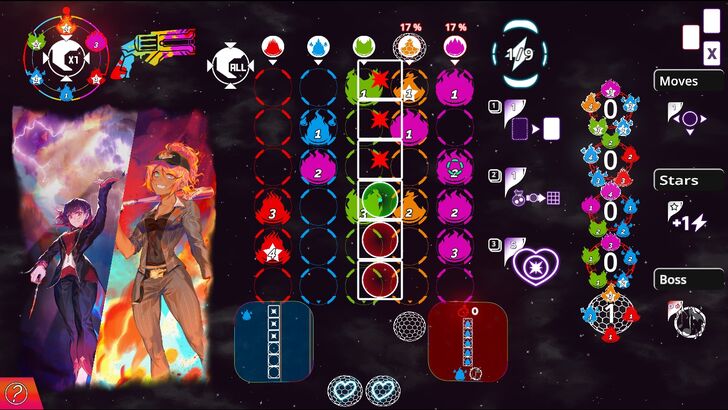
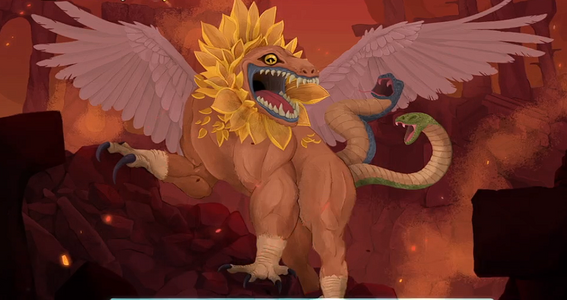
But probably the mode I played the most—and I use "played" loosely here, because it often felt like I was the one getting played—is Boss mode. This is the game’s dedicated single-player gauntlet of plain and glory, where instead of simply surviving falling bullets and climbing leaderboards, you go head-to-head against themed bosses. There are eight in total, each on a mirror of a specific heroine’s abilities, and every fight is like a puzzle in itself.
At first glance, the setup seems pretty straightforward: bosses have shields you chip away at by clearing patterns. However, each boss also has their own custom deck of "Boss Attack" patterns that get dealt right into your hand. These work just like the regular patterns you use to clear bullets, but they come with countdowns. Fail to complete a pattern after a couple of moves, and you'll face a penalty, whether it's bullets getting shuffled around or getting reflected back at you. Sure, you could ignore them, but for most bosses, the consequences are usually pretty brutal. To make matters worse, any bullets involved in an active boss pattern are locked in place, meaning they can clog your grid, block your patterns, and generally just get in the way of everything.
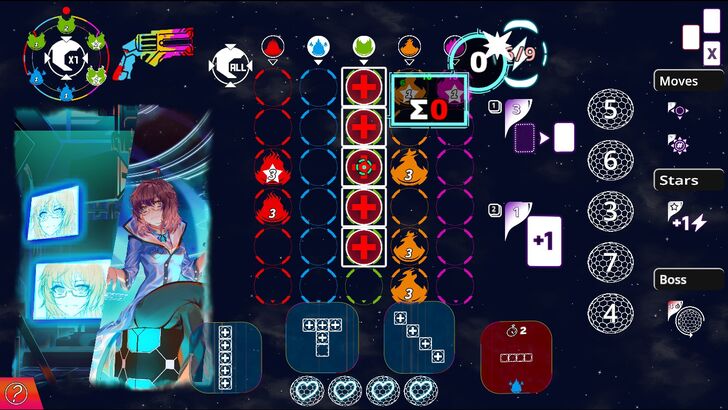
What makes the Bosses fun, though, is how cleverly each one reflects the heroine they’re based on. For example, Adelheid Beckenbauer’s boss counterpart, Fugue in D Minor, is as obsessed with color as she is. In Adelheid’s kit, color is key to building combos and unlocking patterns. Fugue in D Minor weaponizes that same idea by turning specific bullet colors into "dark notes." If you don’t defuse or deal with the notes before Fugue strikes, the boss unleashes an attack that could be pretty run-ending depending on the number of dark notes active.
And that’s just one example. Hell on Wheels, the boss inspired by Young Ja-Kim, shifts your entire board. Her attack pattern cards often move every single token on the grid one direction. If any bullet gets pushed off the edge of the 6x6 grid. This alone would be manageable, but again, the locked bullets means you can’t simply clean house beforehand. Those bullets involved in the boss attacks are frozen in place, anchoring your mess until the boss is good and ready to punish you for it. This, on top of the RNG involved with bullets, made me learn my lesson the hard way. Multiple times.
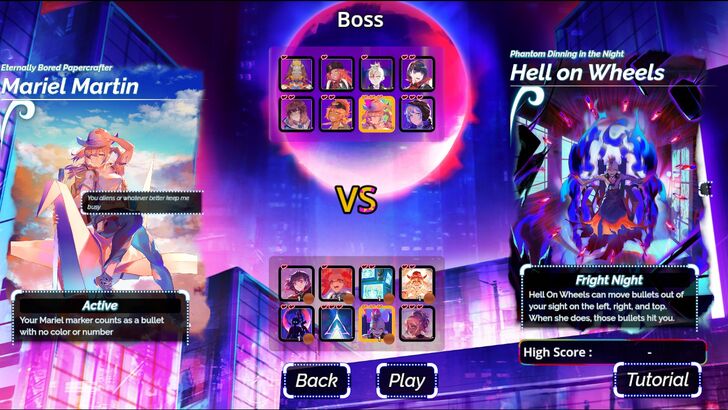
Every boss comes with a specific theme, and while some of them are more straightforward than others, they all demand you to quickly adapt to their attacks. These fights force you to think differently, to reshuffle your usual tactics, and sometimes use the heroines you have little knowledge of how to use.
Out of the eight bosses, I’ve managed to beat five. And I mean that in the most hard-earned, had-to-take-a-walk-afterward kind of way. Those remaining three are still taunting me from the menu screen, just waiting for me to try and fail again. And I will. I’ve done it before. I just have to try and try and try and try and—well, you get the idea. They’re tough, but they’re fair in the way the best kind of puzzle games are. The answer is always there; it’s just a matter of finding it before your screen fills up and your hit points run out.
Online Versus is… an Option

The mode I ended up spending the least time with is, predictably, Online Versus, and not for lack of trying. Matchmaking with strangers yielded nothing, but that could be chalked up to the game not being publicly released yet at the time. I did manage to get a few co-op games in with friends who, like me at the time, knew very little about the game’s rules.
Online Versus is essentially a 1v1 showdown mode that adapts the board game’s original versus mechanics for a digital format. Unlike the tabletop version, where players take turns drawing bullets and planning actions at their own pace, though, the digital version, like Score Attack, has a timer. You have 20 seconds to act. Once the timer runs out, all remaining bullets in your chamber are automatically fired onto your grid.
It’s frantic, to say the least. The constant time pressure means you have to think fast, act faster, and accept that sometimes your plans are going to go up in smoke because you fumbled a pattern or panicked at the sight of four incoming bullets. I can imagine this being thrilling with the right opponent, especially if both of you know your heroines well enough to make quick decisions. But from what I experienced, the mode still feels early. There’s no co-op boss fights, which is a shame since the board game does offer co-op play, and it would’ve been a perfect fit here.
Is Bullet: Surge Worth It?
A Decent Adaptation of a Great Board Game
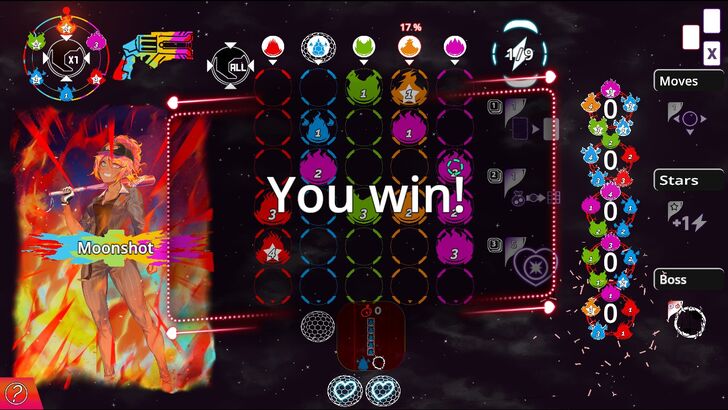
Bullet: Surge is worth playing, but that’s with a few asterisks, and maybe a footnote or two. As a standalone game, it’s a tightly designed, challenging, and rewarding puzzle-action hybrid that rewards both thinking and long-term mastery. Once you’ve wrapped your head around the rules and accepted that bullets will occasionally fall where you don’t want them to, there’s a tight loop of challenge and payoff that’s hard to put down. Whether you’re clearing your grid in Score Attack, barely surviving Boss mode, or stress-clicking your way through multiplayer, there’s always something to learn, to master, and inevitably, to mess up. And then learn from that, too.
But is it better than the board game? That’s where things get a little complicated. I have yet to play the physical version, but from everything I’ve read, the board game seems to be ahead in terms of raw content. There are more heroines, more bosses, and more variety in general. Plus, the tabletop edition has a better co-op play out of the box. It’s a shame that the video game didn’t launch with some kind of co-op boss mode, especially considering how much of the game’s DNA is rooted in playing with others. Though future updates may patch that in, right now, it’s a notable drawback.
Bullet: Surge does, however, automate a lot of the busywork involved in playing the board game. You no longer need to count bullets or flip through rulebooks here. Everything just works, and that alone makes the digital version incredibly accessible, especially for newcomers. Not to mention that it’s a fraction of the cost.
In my ten or so hours with the game, I had fun. I also had more than a few frustrating moments, the kind where you close the game and stare at your screen for a second, questioning your entire approach to spatial reasoning. But even then, I kept coming back. And that, to me, says more than any bullet count ever could.
| Steam |
|||||
| TBA | |||||
|---|---|---|---|---|---|
Bullet: Surge FAQ
Who Are Bullet: Surge’s Heroines?.
⚫︎ Esfir Volkova
⚫︎ Adelheid Beckenbauer
⚫︎ Mariel Martin
⚫︎ Ling-Ling Xiao
⚫︎ Senka Kasun
⚫︎ Ekolu Kapakahi
⚫︎ Young-Ja Kim
⚫︎ Rie Agaki
Game8 Reviews

Bullet: Surge Similar Games


Bullet: Surge Product Information
|
|
| Title | BULLET: SURGE |
|---|---|
| Release Date | July 11, 2025 |
| Developer | Cerebre Games |
| Publisher | Cerebre Games Level 99 Games |
| Supported Platforms | PC (Steam) |
| Genre | Puzzle, Strategy, Arcade |
| Number of Players | Single-Player (1) Two-Player Online Versus |
| ESRB Rating | TBA |
| Official Website | Bullet: Surge Official Discord |