
| FATAL FRAME 2: Crimson Butterfly REMAKE | |||
|---|---|---|---|
| Release Date | Gameplay & Story | Pre-Order & DLC | Review |
FATAL FRAME 2: Crimson Butterfly Remake Review Overview
What is FATAL FRAME 2: Crimson Butterfly Remake?
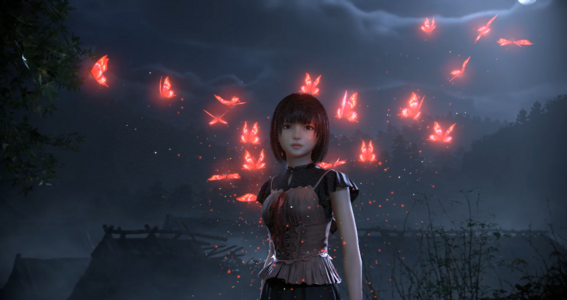
FATAL FRAME 2: Crimson Butterfly REMAKE is a reimagining of the classic 2003 game originally released on the PlayStation 2, now redone from the ground up for modern audiences. Releasing on Steam, PlayStation 5, Xbox Series X|S, and Nintendo Switch 2 on March 12, 2026, it will feature a complete overhaul of the original, improving everything from visuals, audio, controls, and core gameplay systems such as the signature Camera Obscura combat mechanic while still being faithful to its source.
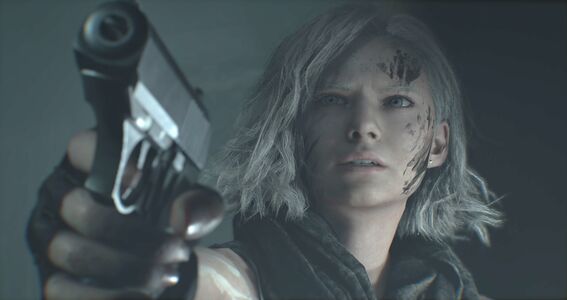
This thrilling horror adventure follows twin sisters Mio and Mayu Amakura as they find themselves lost in an abandoned village that was supposedly wiped off from the map, after Mayu is led astray by a mysterious crimson butterfly. Mio aims to escape the village together, but their very presence and actions unknowingly revive the horrors of the past and the reason for the village’s downfall, caused by a forbidden ritual.
Players will take on the role of Mio, the younger twin sister, who possesses the ability to see spirits. Armed with the ghost-exorcising Camera Obscura, Mio will explore different areas of the village in search of a way out and, while doing so, discover the truth of the horrifying incident that transpired years ago.
For more gameplay details, read everything we know about FATAL FRAME 2: Crimson Butterfly Remake’s gameplay and story.
FATAL FRAME 2: Crimson Butterfly Remake features:
⚫︎ A Gripping Tale of Fated Twins
⚫︎ A More Immersive Minakami Village
⚫︎ Chilling Ghosts To Meet
⚫︎ Camera Obscura Combat and Action
⚫︎ Stunning Audio-Visuals
⚫︎ Multiple Endings
| Digital Storefronts (Standard Edition) | |||||||
|---|---|---|---|---|---|---|---|
 Steam Steam |
 PS PS |
||||||
 Xbox Xbox |
 Switch 2 Switch 2 |
||||||
| $49.99 | |||||||
FATAL FRAME 2: Crimson Butterfly Remake Pros & Cons
| Pros | Cons |
|---|---|
 Enhanced Visuals and Audio Upgraded, More Engaging Gameplay Deeper Lore Enhanced Visuals and Audio Upgraded, More Engaging Gameplay Deeper Lore |
Combat Can Feel Clunky Some Story Items Feel Shoehorned In |
FATAL FRAME 2: Crimson Butterfly Remake Story - 9/10
The Fatal Frame 2: Crimson Butterfly Remake takes its early foundations and elevates them to new heights. The core of the haunting and gripping story mostly stays the same, but the remake builds upon it and adds new bits of lore and perspectives from different characters that weren’t present in the original, allowing for better appreciation and understanding of the game’s premise and concept. There are a few things that may need to be explained better, but they’re pretty minor.
FATAL FRAME 2: Crimson Butterfly Remake Gameplay - 8/10
Its survival horror gameplay is done well, with exploration and combat mechanics pretty polished to a T. The added exploration features, larger map with more areas, and more complex Camera Obscura mechanics lend themselves to a more engaging experience than ever before. However, as enjoyable as it is in general, there are times when the combat and some mechanics end up being more tedious than they should be, owing to Mio’s own weaknesses and sluggishness.
FATAL FRAME 2: Crimson Butterfly Remake Visuals - 10/10
The visuals are simply immaculate—high-resolution textures and environments, subtle lighting, and well-made models and assets really breathe life into the otherwise desolate village setting. The environments are distinct and memorable, just like the character designs themselves. Most of the game is shrouded in darkness, but all the details come through nevertheless. Moreover, it all runs on a smooth 60 FPS setting that feels more than enough to add to the immersion.
FATAL FRAME 2: Crimson Butterfly Remake Audio - 10/10
The audio goes hand in hand with the visuals to really create the game’s signature haunting atmosphere. There is no background music to speak of for most of the game, but that doesn’t dampen the experience too much—in fact, it enhances it. The rather silent but ambient sounds of nature blend well with the environmental sound design, whether it be Mio’s cautious footsteps or the accidental kick of a wooden bucket. Additionally, the game is fully voiced, with well-delivered lines that add to the experience.
FATAL FRAME 2: Crimson Butterfly Remake Value for Money - 9/10
It’s inching on the slightly pricer side at $49.99 and has a rather short runtime at around 20-25 hours for the first playthrough (rather short for today’s standards), but it does have replayability with multiple endings to acquire and other difficulty levels to try and clear, as well as the incentive for 100% completion in terms of collections. It’s a decent price for what it's worth.
FATAL FRAME 2: Crimson Butterfly Remake Overall Score - 92/100
Fatal Frame 2: Crimson Butterfly Remake is the best form of the original 2003 classic and is definitely something that should be experienced by any gamer out there. It boasts the whole package: high-quality visuals, captivating and chilling audio, engaging gameplay mechanics, and a more fleshed-out storyline, culminating all together to provide an intriguing and emotional adventure that surely will haunt you (in a good way) for days.
FATAL FRAME 2: Crimson Butterfly Remake Review: Fatally Captivating
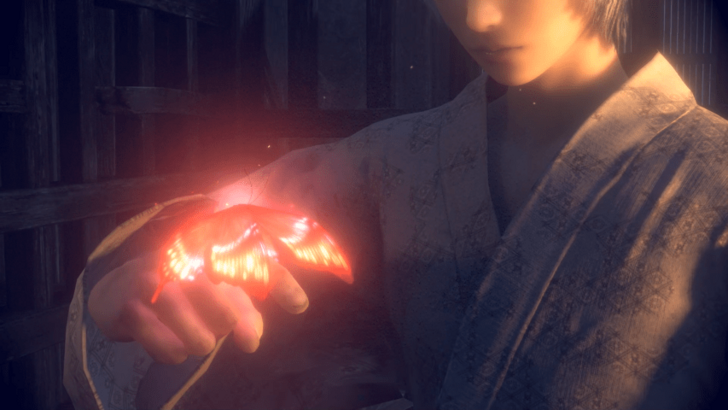
I will not willingly touch any (visual) horror-themed media, not even with a ten-foot pole. I’m a coward through and through; I immediately skip anything horror on social media, or if forced, I watch it with my hands over my eyes, peeking in through the tiniest gap between my fingers—hell, I’ve barely made it past the first part of Silent Hill 2, nor have I properly tried out any title in the Resident Evil series. Saw? Final Destination? Never saw them, probably never will.
But the Fatal Frame series? I have a completely different relationship with it. It’s a series that has rooted itself in my heart since my high school years. I was so obsessed with it that delving deep into the lore and characters of the four games (this was way before the fifth game, Maiden of Black Water, was released) was my hobby for quite some time.
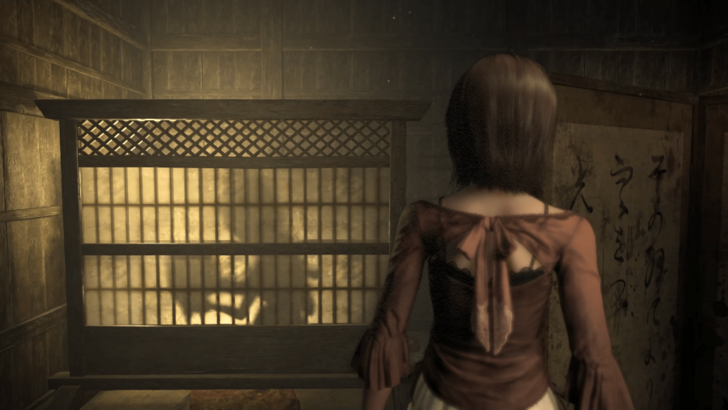
There was something about the Japanese style of horror it presented and the concepts behind each of the rituals that was macabre and disturbing but wholly intriguing. It may have been several years since I last played the original three games of the series, but it has really cemented itself as one of my favorite video game series to date.
So, imagine my surprise when the Crimson Butterfly remake was first revealed in September last year. This is the first ever full remake in the entire series; in recent years, there was only the Fatal Frame 4 remaster. My heart soared, my soul was reignited, and it shot up to be one of my most anticipated games for 2026.
And here we are now, blessed with the opportunity to jump right back into Minakami Village in a whole new perspective that 13-year-old me wouldn’t have imagined. Did it live up to my hype and expectations? It most certainly did—in more ways than one. After playing through it all, I can definitely say that this is surely an experience—a nostalgic comeback for series’ veterans and a thrilling, haunting tale for those who are taking their first steps into Fatal Frame’s brand of horror.
The Crimson Butterfly and the Twins
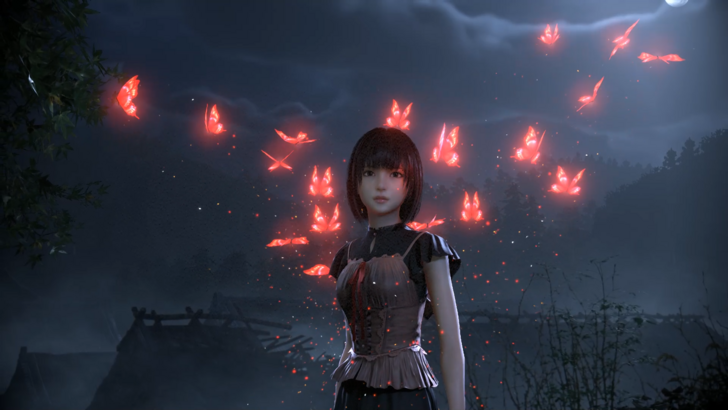
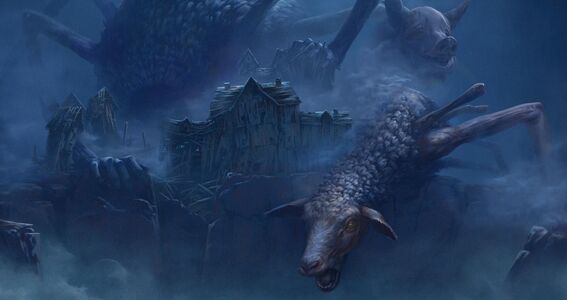
Fatal Frame 2: Crimson Butterfly Remake (will be referred to as simply FF2R moving forward) is set in the mysterious Minakami Village, a long-abandoned settlement that was supposedly wiped off the map. Keyword is supposedly—this very village is where our twin protagonists, Mio and Mayu Amakura, find themselves trapped within its confines after Mayu is led astray by a mysterious crimson butterfly.
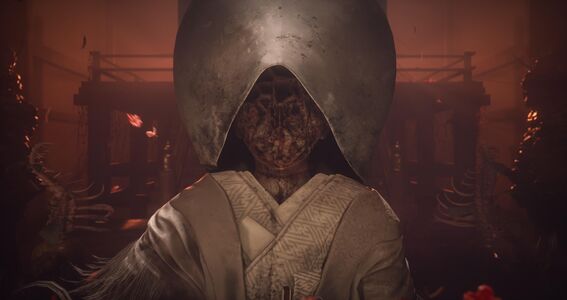
In their attempt to escape, they scour the town for clues and fight off hostile spirits with an exorcising camera they find along the way, the Camera Obscura. Little by little, they are pulled deeper and deeper into its history and discover more about its strange traditions, such as their high regard for twins in the Crimson Butterfly ceremony. They also find out about their uncanny resemblance to the Kurosawa twins, the central piece to the last Crimson Butterfly ritual ever performed.
Its gameplay is similar to other survival horror games, with elements of exploration and combat, with a focus on narrative.
A Deeper Storyline
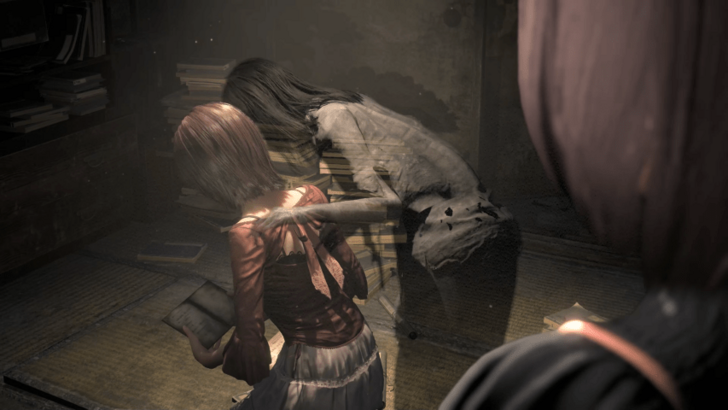
Although it’s a remake of a 13-year-old game, the core story revolving around the twins and the Crimson Butterfly ritual remains the same, just more fleshed out and more detailed than ever before. There is more context on the ritual’s history and whatnot early on, perfect for those who like digging deep into the lore of their games.
It’s a win-win situation for both newcomers and older fans (like myself)—there’s more to uncover, and there is no need to find a way to play the original game, as the remake ensures that everything is told. Storytelling is detailed and is paced well, riveting enough to keep you on your toes the entire time. One thing leads to another, opening the narrative up exponentially, and it’s all made even more engaging and detailed with the help of the new lore pieces and new gameplay mechanics.
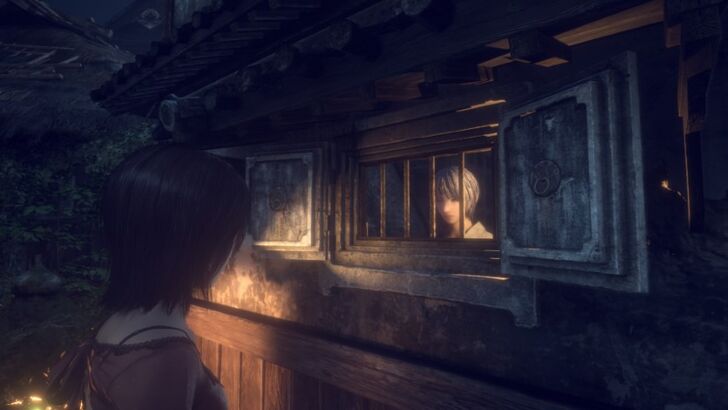
Aside from the main plotline, the developers took this time to also flesh out the lore for the side characters as well. In a new addition to the game, several side characters now appear to get their own side quests, allowing you to explore more of their history within the village and what happened to them during its events and enriching your own understanding of the game. It’s an added bonus that I definitely appreciate and love, especially knowing that my favorite character, Itsuki Tachibana, gets his own mini storyline as well.
It’s great to have the opportunity to get to know characters on a deeper level, like the worried girlfriend Miyako Sudo, the missing surveyor (and boyfriend of said worried girlfriend) Masumi Makimura, and the folklorist Seijiro Makabe, who comes to the village in the name of research and whose notes are the ones filled with the most lore, more than just their eventual deaths in the haunted village.
Immersive Audio-Visual Presentation
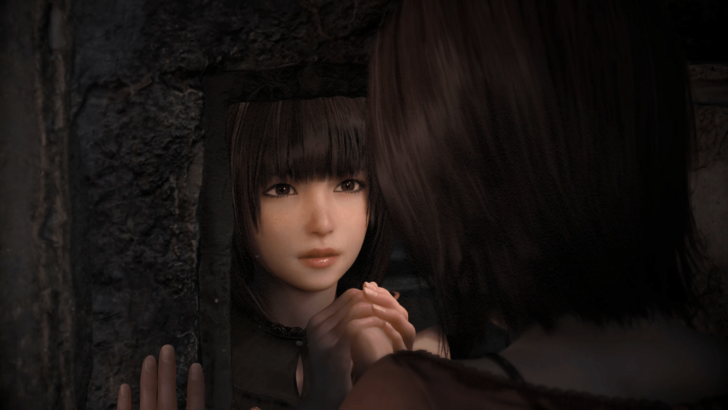
Tying in with its narrative to create an eerie atmosphere is its outstanding audiovisual presentation. Modern hardware and techniques do wonders in the gaming sphere, and the developers evidently spared no expense in manifesting Minakami Village and its inhabitants to the best they could.
Firstly, the visuals. There is impeccable attention to detail, brought to realism with elaborate textures, lighting, and physics. From the character designs and models to the assets in the environment, the game does an excellent job of nailing that grimy, haunted village aesthetic the entire time you’re playing. It helps that the game runs at a pretty fluid 60 FPS, ensuring the gameplay experience is as smooth as butter.
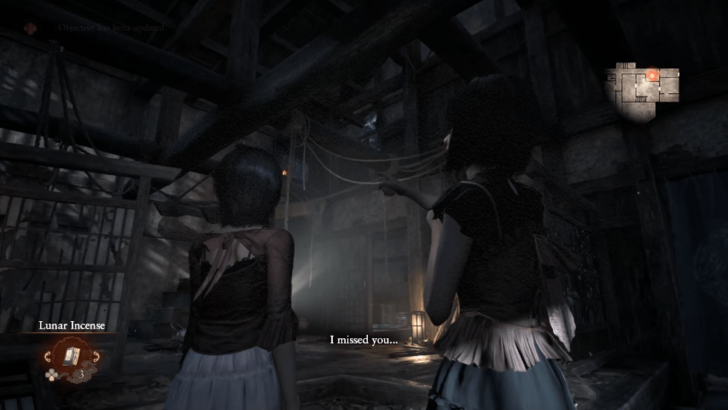
Additionally, with the removal of the PS2’s locked camera angles, the free-moving camera makes exploring much more fun and allows players to pay attention to the smaller things. It let me freely look around and take in all the details and the atmosphere; there’s more to observe, more to interact with, and more details of the bleak but fascinating settlement to appreciate.
There’s a lot to look at, even if the game is, for the most part, cloaked in relative darkness with only your flashlight and some candles and lanterns to guide you through.
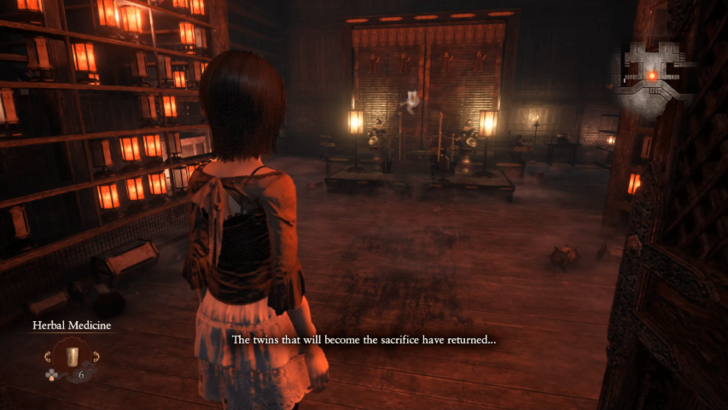
Elevating the visuals is its immersive spatial audio that’s sure to send a shiver down your spine or have your heart pumping with adrenaline. You’ll mostly encounter the ambient nature sounds of a long-abandoned village, the creak of the decrepit wooden floorboards underfoot, the quick thud of a doll’s head hitting the floor (happens more often than you think)...or worse, the terrifying cry of the Kusabi that gradually grows in volume the closer it is to you. I’m still on edge from my most recent incident with that giant.
There are also the sudden sound effects that play when there’s a spectre (the nice, photogenic ghosts you encounter and you take pictures of for completion purposes) in your immediate vicinity, which honestly gives me a heart attack every time it plays because it does—and it always will—come out of nowhere. A spectre can be hiding anywhere, and the game has to make sure you know about it.
Combine all that with the game’s full-on voice acting chops that feel well-done in both English and Japanese, and you’ve got yourself a stellar game that excels in creating a solid horror atmosphere that instills the perfect feeling of fear.
Revamped, Upgraded Exploration
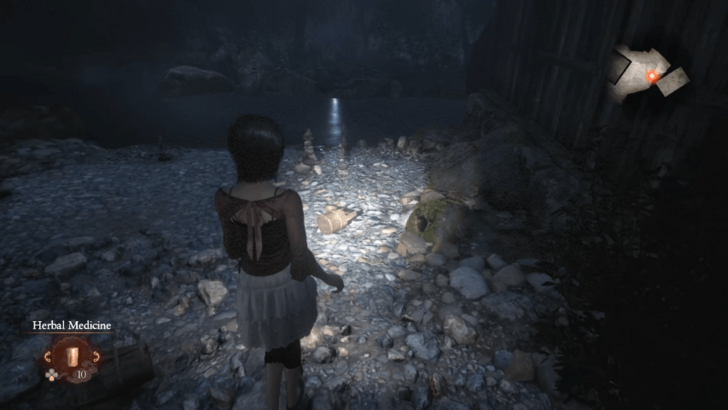
Aside from a gripping story accompanied by vivid audio and graphics, the gameplay is also a huge factor in any engaging game. As mentioned before, FF2R’s gameplay focuses on exploration and combat with minimal puzzle-solving. Luckily for players, exploration is made extremely enjoyable, given the larger map to explore, the added stealth mechanics, the dynamic camera angle, the (proudly marketed) holding hands mechanic, and the added thrill of slow-paced door-opening and item-picking.
Larger Map
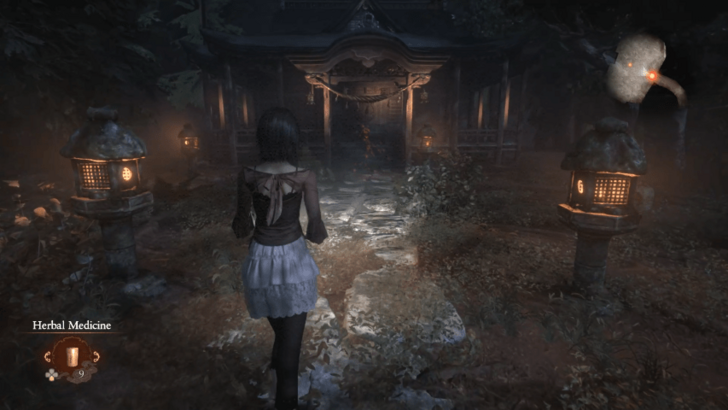
Minakami Village is larger than ever before, with plenty of places to explore. Each location is unique in its own way, making the very action of exploring much less stale and more exciting, knowing that there’s always something new to find. Aside from expanded maps of the original explorable locations, FF2R added several new areas that were never seen before in the original, such as the Eikado Temple and, most importantly, the Kayano and Okunohara parts of the map where the rest of the villagers supposedly lived.
For context, in the original, the only houses you can explore and see on the map are the Osaka, Kiryu, Tachibana, and Kurosawa homesteads, the four head families. It’s always got me thinking—where the hell are the rest of the villagers living? You encounter them everywhere else in the village, but where did they actually reside?
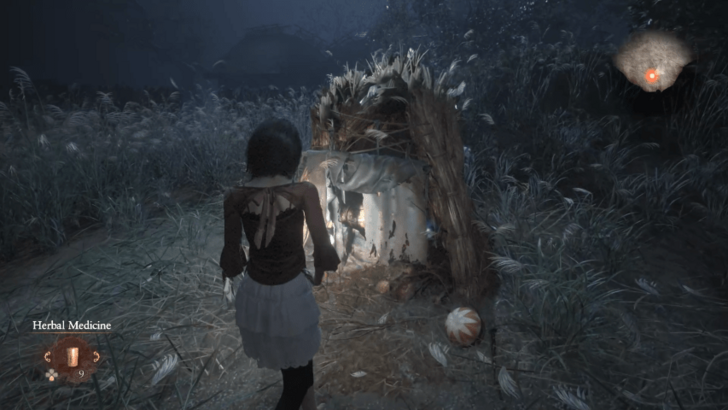
Well, that question is now answered more than a decade later with the addition of the new areas, and I really do appreciate the attention to minor details like that. Compared to the information available and experience from the original, this adds more life (as ironic as it is) and makes the village feel more lived in.
On that note, the bigger map is not just for show, as the developers also made use of the expanded land for more key encounters. For example, they’ve made use of residential Okunohara as a combat area for one of the key items you’d need to find early on in the game. The key item was originally found somewhere else, but now there’s a bit of challenge with the addition of the combat sequence, allowing the new combat to shine through and for the new area to have some importance as well.
Photo Mode
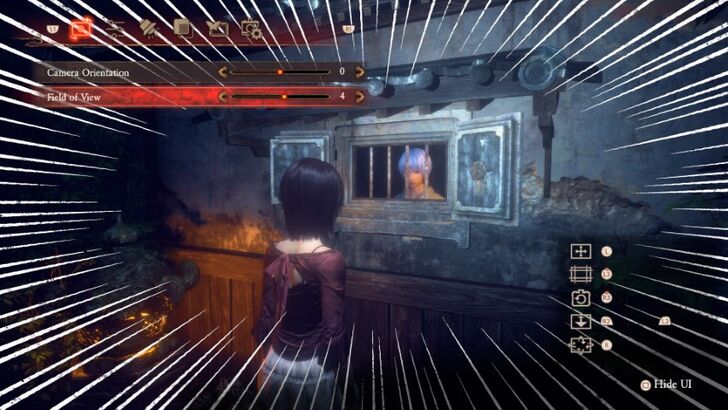
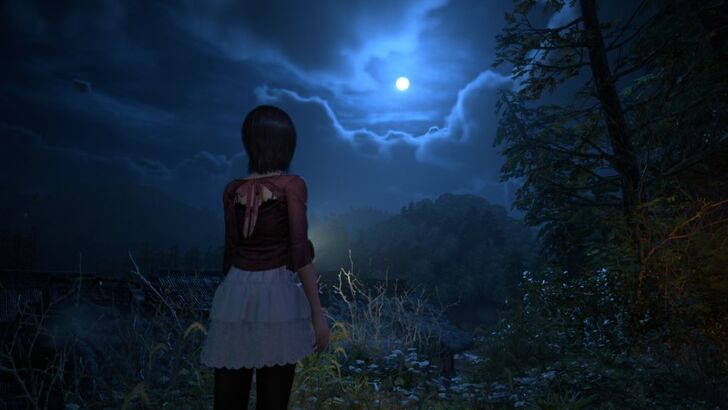
With how much there is to see and discover in Minakami Village, FF2R makes your experience one for the books—or rather, the scrapbooks—with the introduction of a Photo Mode. At any time during the free exploration phases, the game lets you take a moment to snap pictures at your leisure. It comes with several frames, options for additional lighting exactly where you want it to go, camera orientation and free placement, and more. You can even add stickers for the fun of it!
I did make use of a silly frame above to show just how much freedom you do have, but it’s the perfect way to capture cinematic images of various places in the village because everything is just hauntingly gorgeous, even in all its eeriness. I surely had a blast taking pictures of everything (mostly of Itsuki's face, but I digress), and I've gotten some scenic shots of Mio under the moonlight too.
Stealth In A Creepy Ghost Game
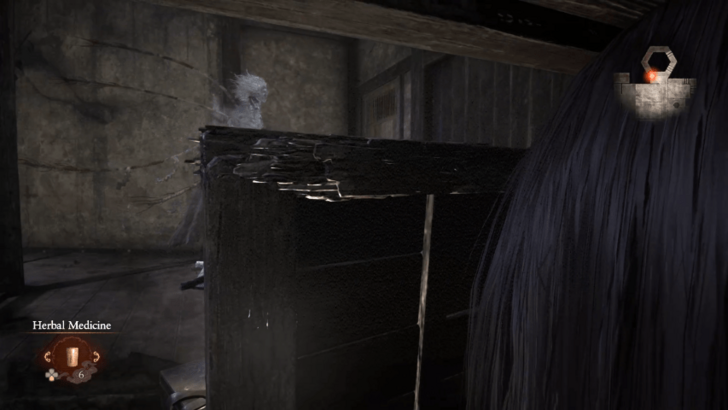
One of the newest additions to the game’s exploration loop is the inclusion of a stealth and hiding mechanic, with its presence in the game amping up the ante for more horror flair. You’re either hiding behind a sliding screen from the roaming villagers with a turned-off flashlight, or you’re cooped up in a tiny cupboard trying not to get noticed by the terrifying ghost that caused mass destruction many years ago.
The adrenaline rush I got when running away with the speed of a snail from a seven-foot vengeful ghost up a flight of stairs and ducking into the nearest open cabinet was honestly an amazing experience the first time. And the next time…and the next time. Believe me, you’ll be doing it quite a lot across the game. Terrifying, yes, but also insanely fun—as much fun and satisfaction as you can get from a horror game, anyway.
Slow-Paced Interactions With Doors and Items
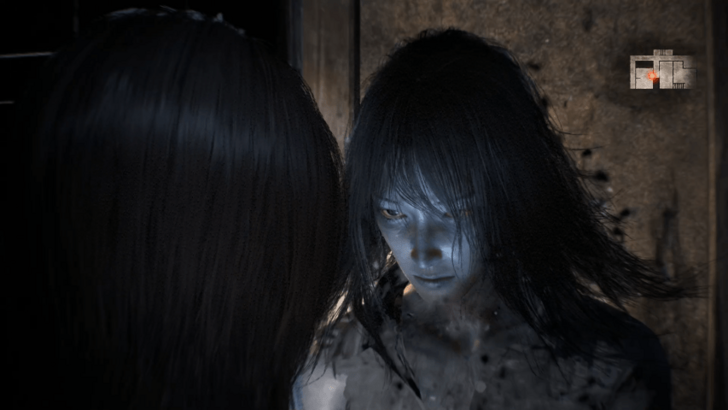
A feature originally found in Fatal Frame 4: Mask of the Lunar Eclipse, this makes the controlled character reach out to an item or open a door…painfully slowly. When I say "painfully slowly," I mean it, it really is incredibly snail-like—slow enough to the point that a ghost can come up at any time to grab your hand or to leer menacingly at you.
It’s a small thing, maybe a cheap (but wholly effective) way to get some scares in, but it sure got me closing my eyes every time I had to pick up a shiny object from the ground or even head to the next room. There was this tiny sense of dread every time I saw Mio begin her sluggish interaction…then a sigh of relief when nothing happened, or a scream of terror for when a ghost wanted to end my life right then and there. It definitely keeps you on your toes while exploring.
Holding Hands With Mayu
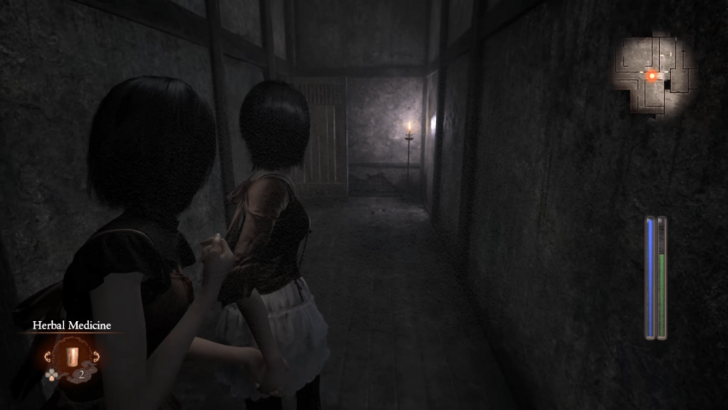
One of the most marketed new features of the remake, according to its trailers, is the holding hands with Mayu mechanic, allowing you to protectively hold onto your twin sister as you lead the way. Incredibly sweet, isn’t it? And there’s more—one of the best things about it is that holding hands gradually heals Mio’s health bar the longer you keep up the interaction. It’s basically your free and unlimited Herbal Medicine or what the series calls its HP potions.
The only caveat is that you don’t always have Mayu around in the first place—heck, she even goes missing after the very first chapter, seemingly led astray by the very same butterfly that led them to the village in the first place. Nevertheless, it’s a cute detail, and you’re treated to a few lines of sisterly, familial love that show how close they really are.
Your Main Weapon is…A Camera?
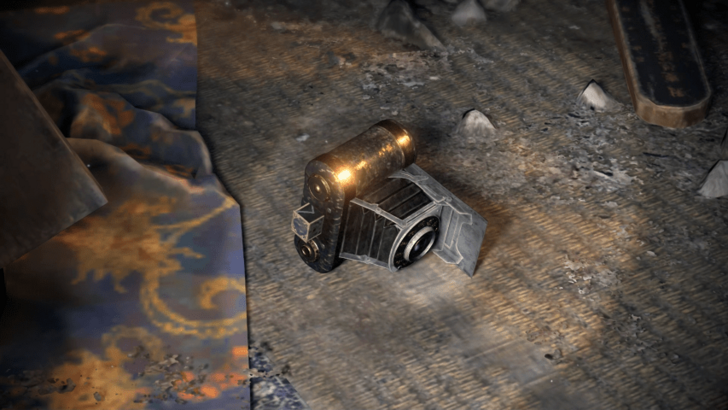
As big of a deal as exploration is in this game, arguably, its most defining gameplay mechanic (and of the series itself) is the use of the Camera Obscura, a special spirit-exorcising camera, in battle against hostile ghosts as their main weapon, akin to Cloud’s Buster Sword or Link’s Master Sword. Perhaps in an effort to appeal to the newer generation of games and players of today, or to simply broaden the scope of its battle system, FF2R employs a more action-oriented approach to its picture-snapping combat.
In the original, it was a simpler point-and-shoot mechanic where you time your shots just right, kite the enemy a little bit, and rinse and repeat. But modern remakes come with modern gameplay mechanics, and the ghosts this time around aren’t here to play. In the remake, there’s much more to think about. While the point-and-shoot controls are still there, the combat now encapsulates much more.
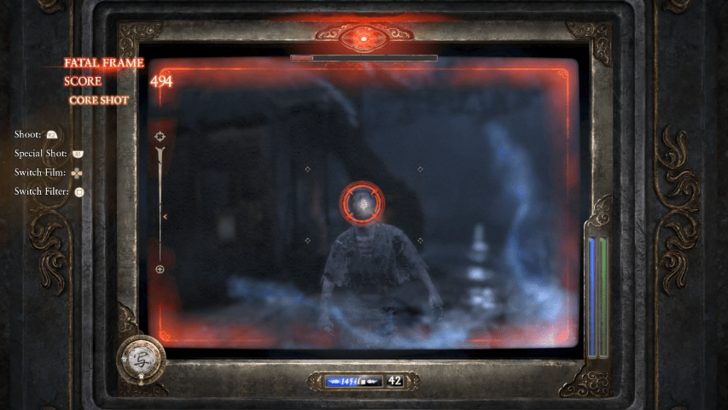
There is now the need to use the proper filter for maximum efficiency, the importance of centering shots for bigger damage numbers, knowing when to crouch and run away, and even the mechanic of equipping charms that add different benefits, such as health recovery when damaging a ghost or increasing damage output for certain filters. Upgrading the camera’s functions is also important, as ghosts will gradually get more difficult to take down. Points earned from combat can now be used to purchase items in-game through the save point.
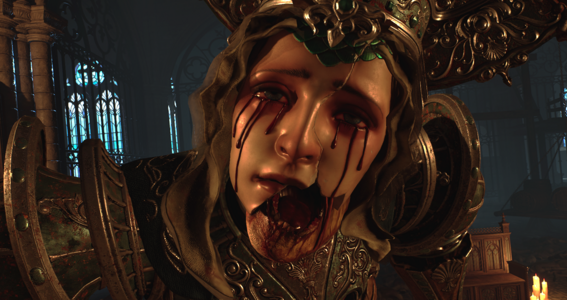
Wraiths (or what they call the hostile ghosts) also have different attack patterns, though most of them just lunge right at you, and several of them employ ranged attacks by throwing torches or even…um, chopped-off arms at you. They can also heal slightly and become immensely stronger when angered, tackle you to the ground, and even have the ability to leer threateningly at you at opportune times to catch you off guard. It’s a horrifying scare, but it definitely adds flavor to the whole combat system.
Combat Can Feel Clunky At Times
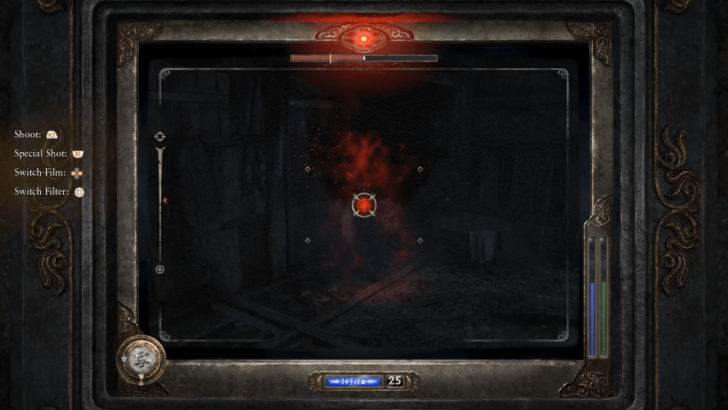
As fun as that all is, there are moments where Mio’s actions make the combat portion more tedious than it should be. There’s the sprinkle of realism in it—after all, she’s an awkward teenager trying to survive in a cursed village, not an experienced warrior with years of experience under her belt. It reflects in her movements; her way of evading is strange, and there’s a slight pause after it. On top of that, she runs as slow as hell too (something that definitely hasn’t changed from the original, I might add).
This is most evident when you’re battling against more than one ghost (I'm looking at you, dastardly ghost children!). Now that they’re faster and have more variety to their attacks, you need to constantly be aware of your surroundings. But, it quickly gets frustrating when you’re jumped by several swift ghosts from all directions, and the only reason you can’t respond properly is because of Mio herself. They really played on the "vulnerable little girl" trope a bit more for that horror feel, but it can be a hit or a miss.
Is FATAL FRAME 2: Crimson Butterfly Remake Worth It?
Will Visit The Minakami Village, Again and Again
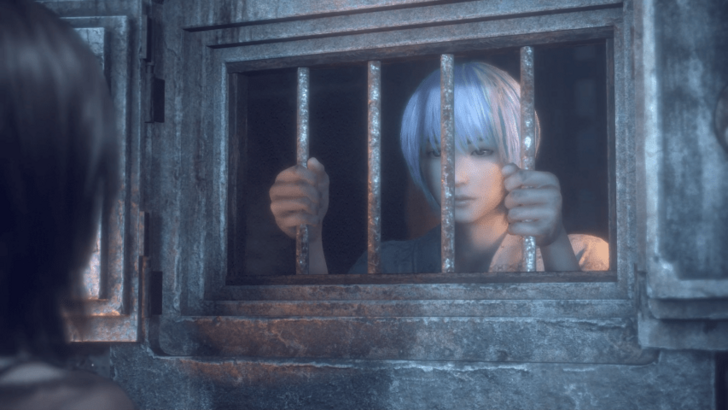
Nevertheless, as a whole, Fatal Frame 2: Crimson Butterfly Remake is definitely one that you would not want to miss. It is, in my opinion, the best way to experience the Crimson Butterfly saga. Of course, the original still has its charms, but the modern remake captures its very essence and elevates it to new heights with its solid audio-visual presentation, deeper story, and more engaging combat.
The remake has only made an already memorable game even more memorable for me now that I’ve gotten to experience it in a more immersive manner. Even years later, I find myself coming back to the Minakami Village more times than I could count. Perhaps even you might find yourself ensnared by its tales, whether you’re a newcomer to the series or a knowledgeable veteran.
| Digital Storefronts (Standard Edition) | |||||||
|---|---|---|---|---|---|---|---|
| Steam |
PS |
||||||
| Xbox |
Switch 2 |
||||||
| $49.99 | |||||||
FATAL FRAME 2: Crimson Butterfly Remake FAQ
Who are the characters of Fatal Frame 2: Crimson Butterfly Remake?
The main twin protagonists are Mio and Mayu Amakura, who eerily resemble the Kurosawa twins, Yae and Sae. Other characters include Itsuki Tachibana, the Kusabi, Miyako Sudo, and Masumi Makimura.
Game8 Reviews