| Hollow Knight | |||
|---|---|---|---|
| Release Date | Gameplay & Story | Pre-Order & DLC | Review |
Hollow Knight Review Overview
What is Hollow Knight?
Hollow Knight is a critically acclaimed 2D action-adventure game developed and published by Team Cherry. It was first released on February 24, 2017 for PC and on various consoles in 2018. It received four free downloadable content (DLC) after its release, with Godmaster being the most recent. Its sequel, Hollow Knight: Silksong, was released on September 4, 2025.
The game plunges players into the heart of Hallownest, an underground kingdom now in ruins. As the silent, insectoid Knight, players explore this interconnected land, battling the Infection that plagues its inhabitants. Their journey ultimately leads them to confronting the kingdom’s dark past and tragic history.
Gameplay focuses on exploration, as Hallownest is vast and open-ended, with areas only accessible after acquiring specific abilities or tools. Here, players will battle a variety of enemies and bosses, manage resources like health and "Soul" for healing or special abilities, and equip Charms to customize their playstyle.
Hollow Knight features:
⚫︎ 2D Side Scroller Metroidvania
⚫︎ Simple Combat Mechanics
⚫︎ Multiple Platforming Challenges
⚫︎ Stylish Visuals
⚫︎ Hauntingly Beautiful Score
⚫︎ Complex Narrative
For more gameplay details, read everything we know about Hollow Knight’s gameplay and story.
| Digital Storefronts | |||||
|---|---|---|---|---|---|
 Steam Steam |
 Playstation Playstation |
 Xbox Xbox |
|||
 Switch Switch |
 GoG GoG |
||||
| $15 | |||||
Hollow Knight Pros & Cons

| Pros | Cons |
|---|---|
 Breathtaking Visuals Non-Linear Progression Well-Paced Combat Difficulty Amazing Soundtrack Breathtaking Visuals Non-Linear Progression Well-Paced Combat Difficulty Amazing Soundtrack |
Vague Storytelling Lack of Guidance |
Hollow Knight Story - 8/10
Hollow Knight’s narrative is amazing, but it’s not immediately appreciated by many due to its inherent vagueness. It’s a classic "show, don’t tell," approach where players will have to piece together events, lore, and history through its many character interactions, descriptions, dialogue, and more. Ergo, it’s something that you’ll have to experience and draw the story yourself; maybe after the second or third playthrough, you’ll get the whole picture. Maybe.
Hollow Knight Gameplay - 9/10
Hollow Knight is the perfect example of how to pace a game’s difficulty perfectly with a set of simple controls. What starts as a simple side scroller of just slashing, jumping, and running evolves into a much more complex medley of mechanics, especially during boss fights and specific platforming segments.
Exploration is also a massive part of the gameplay, as the open-ended design makes progression feel more personal for each player. The only problems would be the game’s penchant for secrecy and its inherent difficulty, which would often stall new players’ playthroughs.
Hollow Knight Visuals - 10/10
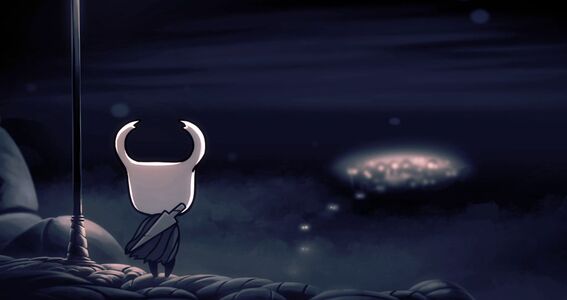
Hollow Knight’s visuals are what I would consider to be immortal. The stark contrast between areas, the character designs, and the detail in its animations make the world just feel and look alive. The "cartoony" appearance of the world and its characters is a juxtaposition of the game’s bleak atmosphere, making the visuals stand out even further as you find more areas to explore. It looked good then, and it still looks good today.
Hollow Knight Audio - 10/10
The audio design of Hollow Knight is fantastic, with the music being one of the game’s core elements that elevates its world's presentation through melancholic tunes. In addition, the sound effects and voice acting warrant recognition, as these little details add to the game’s atmosphere and presentation.
Hollow Knight Value for Money - 10/10
For $15, this is probably the best value you’re getting in terms of price-to-content for any game. Not only has the game aged gracefully with its multitude of content that’s highly replayable, but it’s also the best example of a Metroidvania compared to many of its compatriots out there. It’s a special game that will remain relevant in the genre for years to come because of what it offers.
Hollow Knight Overall - 94/100
Even after more than half a decade, Hollow Knight is one of those games I consider generational. It still stands as one of the best Metroidvanias out there, despite its outstanding sequel—the pacing, gameplay mechanics, music, visuals, boss fights, and world make it a complete and memorable experience. It continues to endure as one of the premier games to influence a genre that’s more or less complete with what you expect, yet it does it in a way that sticks with you in years to come.
Hollow Knight Review: The Prime Example of a Metroidvania
A Bug’s Life

Back in September, a highly anticipated sequel called Silksong was released. As someone who’s easily caught by hype, I immediately bought the game. But there was a huge problem: I wasn’t done with my playthrough of the preceding game, Hollow Knight.
Of course, I’m not one to leave things hanging, so it was finally time to finish what I started. Even if I had an old save that was around midway through the game, I did what every self-respecting Metroidvania fan would do — create a fresh save and start anew.
Because I wanted to achieve an over 100% completion rate, I've experienced most, if not all, of what the game has to offer. After all, this is the game that is quite literally the foundation of one of 2025’s biggest sequels.
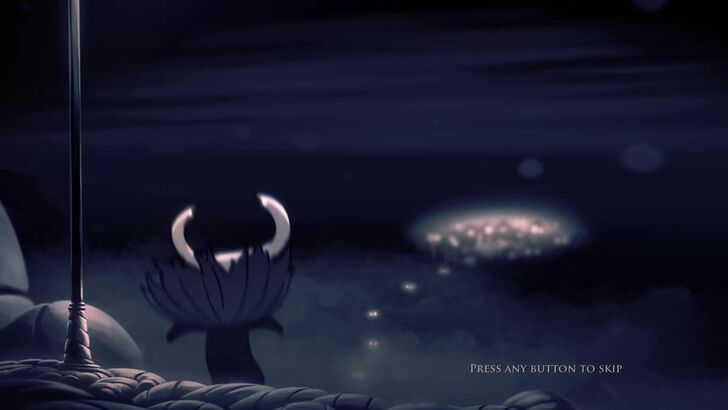
I have played some of the Castlevania titles, the Ori series, and even Bloodstained: Ritual of the Night, so I’ve got some experience with older and newer titles that the genre has to offer. But despite the game approaching its 10-year anniversary in 2 years' time, it feels as if it hasn’t aged a bit.
The unique, instantly recognizable art style, the refined gameplay loop, the compelling, deep lore and worldbuilding—these are some of the things that have stood the test of time. I can even safely say that after playing through the game and completing it to its entirety, Hollow Knight is one of the best Metroidvania games I’ve played in my lifetime. Yes, even when compared to the likes of its outstanding sequel and some of the genre’s defining titles.
Worldbuilding Done Right
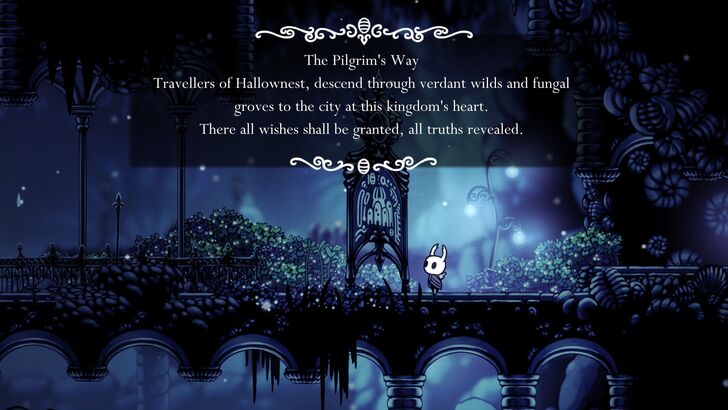
It’s no secret that the storytelling in Hollow Knight is a lot more cryptic compared to its award-winning sequel, Silksong. It’s more ambiguous in its approach, using environmental details and character interactions to shape the world and build mysteries for the player to experience and discover.
But honestly speaking, Hollow Knight is still one of the better games out there that doesn’t like to "show and tell." In fact, it’s so good at it that fans still talk about the game’s lore and world. So much so that Silksong only served to bolster its worldbuilding, as Team Cherry has done a masterful job of expanding some of the details that remain relevant in the sequel.
I wouldn’t call it perfect or immaculate by any means, as some details are still missing and incomplete, but Hollow Knight makes it satisfying to discover and piece together. It’s a story that clicks when you find out that most of these details are literally right in front of you.
I’d even argue that the way Hollow Knight approaches meaningful worldbuilding and its narrative trumps most of the games that follow that kind of paradigm, even if it was released back in 2017.
Simple and Clean All Throughout
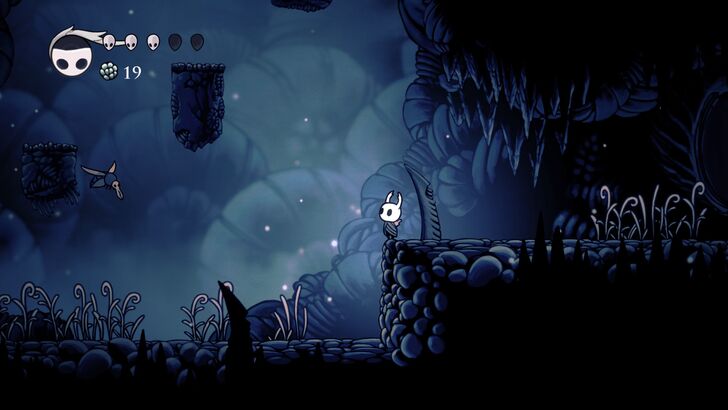
Beyond its complex and rich lore, Hollow Knight is beloved for its holistic gameplay, particularly for how well its controls tie into the game’s combat and platforming mechanics. One thing that makes the game great is not only its responsiveness but also how its mechanics evolve from a simple yet intuitive foundation.
For context, you’re only able to attack, walk, and jump at the beginning of the game. After some progress, you’ll get the ability to dash, double jump, wall cling, wall jump, and even use different spells and abilities at your disposal.
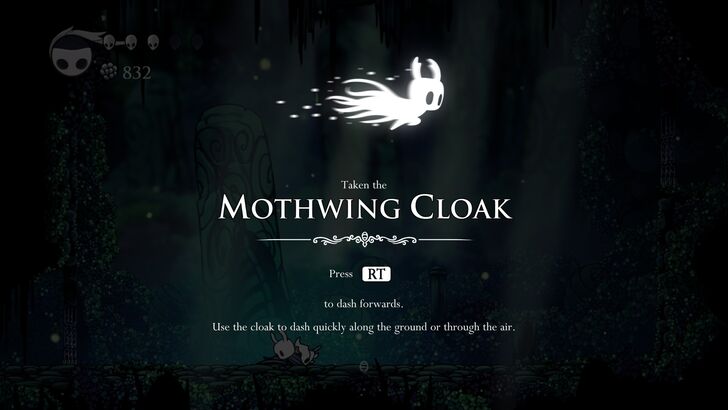
Each time the Knight is able to learn a skill, the controls never become awkward or hard to execute. It’s simple at its core and sticks to that philosophy all the way to the end. What changes in its gameplay are the inherent difficulties of each zone: newer zones feature harder enemies, trickier platform segments, and even more challenging boss fights.
It might seem like a no-brainer, but the way Hollow Knight does this is some of the best the genre has to offer. The gameplay never feels like it leans too much on the same thing. There are areas that shine a spotlight on its platforming, while others focus more on its combat.
It’s a game that’s able to balance all of the elements that make a perfect Metroidvania. The controls feel great and are responsive, the stage designs are amazing, the combat is engaging, and the exploration is rewarding. Essentially, the experience feels complete, and every element of its gameplay gets its time to shine and doesn’t overstay its welcome.
Challenge Builds Character

That being said, Hollow Knight is not an easy game. There will be times when it becomes frustrating, especially when you’re exploring the unknown, fighting a demanding boss fight, or just trying to get past a particular encounter.
The harshest part is that specific story segments, and even endings, are locked behind complex challenges. For example, getting the ending to the Godmaster DLC requires you to clear Pantheon 5, which requires you to defeat each and every boss in the game continually, with the last boss being a souped-up version of the base game’s final boss.

Another example is Path of Pain, a long, optional platforming challenge that, upon completion, reveals the reason behind the game’s biggest mystery—the reason why the Hollow Knight was not so hollow after all. The challenge's difficulty is borderline extreme, and even I passed on doing it for a long time because it’s both a test of using every movement mechanic in the game and a marathon since you can’t get out of it once you’re in the middle of doing it.
Unless you count dying in the middle of it, of course.
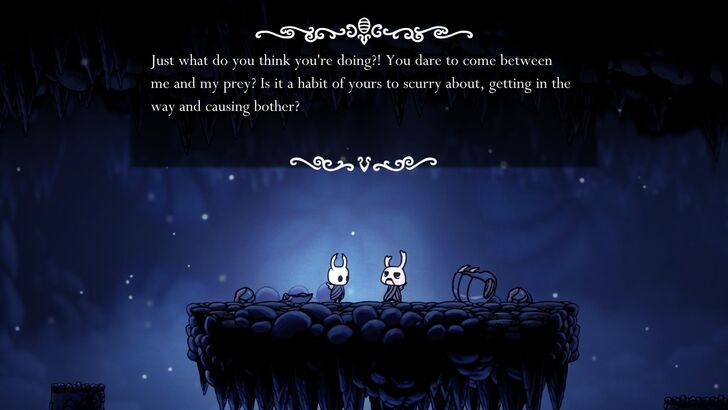
There’s frankly no way around it, except to try again and get better at the many challenges that the game throws at you. The game doesn’t have any difficulty sliders or options, meaning you’re going to have to play it the way the devs intended the difficulty to be. All things considered, the game never really feels unfair, both in its boss fights and its stage design.
It demands that you actually learn from your mistakes and experiences as you progress through the game, where the farther you’re in, the harder it gets. It’s not foreign for games to have gameplay where it asks you to apply what you’ve learned, and Hollow Knight is one of those games where you actually need to bring your A-game as you get farther and farther into it.
It’s not a walk in the park, but getting the elusive 112% completion rate is definitely achievable as long as you put the time and effort into actually getting better at the game’s facets. There’s also a solid argument that this game isn’t as difficult as Silksong, but that’s an opinion for another time.
Ages Like Fine Wine

Aside from the gameplay, the game also looks and sounds extremely good. I would even say that its visuals and music are memorable enough to have made a lasting impact on indie games as a whole. While the world of Hollow Knight is noticeably bleak, heavy, and desolate, the cartoony visuals contrast its dark themes.
The amount of detail in its character design, animation, and environments is among the best I’ve seen to date. I might even say that Team Cherry has found an art style and aesthetic that’ll keep their wallets full, as their style and niche will keep them memorable to fans and gamers for years to come.
In addition to the stunning graphics, the audio design is equally commendable. Christopher Larkin’s outstanding, melancholic score ties the atmosphere and vibe together perfectly in every area you explore. There’s also the great work on the sound effects and the "voice acting" since they’re very distinct and memorable at any stage of your journey.
Is Hollow Knight Worth It?
Yes, It’s One of the Best Metroidvanias Out There

Regardless of the game’s difficulty and its vague storytelling, Hollow Knight is, without a doubt, one of, if not the best, Metroidvanias out there. I would even go so far as to say that it’s the perfect example of being one, especially with how exploration, platforming, and combat all mesh into a cohesive gameplay loop that remains enjoyable even if you’ve played through it once or twice.
Outside of being a perfect Metroidvania, the presentation is top-notch as well. Its stylized graphics, paired with a unique art direction, make it a memorable sight regardless of how long it's been. Additionally, the sound design and music are fantastic in bringing the game's atmosphere to life.
It’s an absolute must-play game I would recommend to anyone, especially if you’re interested in the genre. And the cherry on top is that all of its additional content comes with the low price of $15. Now, excuse me while I’m still patiently waiting for a new Castlevania game and while I continue to explore Pharloom in the sequel, Hollow Knight: Silksong.
| Digital Storefronts | |||||
|---|---|---|---|---|---|
| Steam |
Playstation |
Xbox |
|||
| Switch |
GoG |
||||
| $15 | |||||
Game8 Reviews
You may also like...
Hollow Knight Product Information
 |
|
| Title | HOLLOW KNIGHT |
|---|---|
| Release Date | February 24, 2017 (PC - Windows) April 11, 2017 (PC - macOS & Linux) June 12, 2018 (Nintendo Switch) September 25, 2018 (PlayStation 4, Xbox One) |
| Developer | Team Cherry |
| Publisher | Team Cherry |
| Supported Platforms | PC (Steam), PlayStation 4, Xbox One, Nintendo Switch |
| Genre | Action, Adventure, Platformer, Soulslike |
| Number of Players | 1 |
| ESRB Rating | E10+ |
| Official Website | Hollow Knight Official Website |