




Wild Hearts S is a monster-hunting action game with a unique building system that sets it apart from its peers. Read our review to see what it did well, what it didn't do well, and if it's worth buying.
Wild Hearts S Review Overview
What is Wild Hearts S?
Wild Hearts S is an action-hunting game set in a fantasy world inspired by feudal Japan. Players hunt massive Kemono—beasts fused with nature—using a mix of traditional weapons and the Karakuri system, which lets them build structures for combat and traversal.
Wild Hearts S features:
⚫︎ Karakuri Building System
⚫︎ Hunter’s Arm Mechanic
⚫︎ Tsukumo & Dragon Pits
⚫︎ Kemono Beasts
⚫︎ Eight Weapon Types
⚫︎ Local & Online Co-op
| Digital Storefronts | |||||
|---|---|---|---|---|---|
 Switch Switch |
|||||
| Price | $49.99 | ||||
Wild Hearts S Pros & Cons
| Pros | Cons |
|---|---|
 Creative Combat Mechanics Deep Build Customization Full Story Co-op Support Creative Combat Mechanics Deep Build Customization Full Story Co-op Support |
Janky Camera & Movement Weak Narrative No New Content |
Wild Hearts S Overall Score - 78/100
Wild Hearts S is a solid monster-hunting game with a distinct identity thanks to its Karakuri building system. Its Switch 2 debut holds up surprisingly well in handheld mode, and the cooperative experience remains a highlight. Still, it suffers from a shaky camera, some frustrating combat quirks, and a story that barely registers. As a port, it adds little to warrant a double-dip, but for first-timers and handheld hunters, it delivers enough content and challenge to justify its asking price.
Wild Hearts S Story - 7/10
The story is, at best, functional. There’s a setting, a vague sense of purpose, and a few characters with names, but don’t expect narrative arcs or emotional payoffs. The protagonist is a blank slate, and most of your time is spent running errands or chasing beasts with little contextual weight. It doesn’t break the game, especially since monster hunting titles often downplay storytelling, but it certainly doesn’t elevate it either. The world has style, but the narrative lacks substance.
Wild Hearts S Gameplay - 9/10
The moment-to-moment gameplay is where Wild Hearts finds its footing. The Karakuri building system adds a creative, almost puzzle-like layer to combat, encouraging strategy over brute force. Weapons feel distinct, with different playstyles to experiment with and master, though the lack of an enemy health bar and some clunky movement can wear thin. The learning curve is steep, especially solo, but progression is satisfying.
Wild Hearts S Visuals - 8/10
On Switch 2, Wild Hearts looks far better than expected. The vibrant seasonal biomes are distinct and atmospheric, from crimson forests to snow-blasted ruins, and Karakuri structures add flair to the battlefield. That said, performance can suffer in multiplayer or during effects-heavy fights, and some animations feel stiff. It’s visually ambitious for a portable device and mostly succeeds, but its technical edges still show through in busy moments.
Wild Hearts S Audio - 7/10
The soundtrack is moody and fitting, but rarely memorable. It complements the environments well enough, but never quite takes center stage. Sound design is solid but voice acting is sparse and stiff when present. There's nothing offensively bad here, just a lot that blends into the background, which keeps the audio serviceable rather than standout.
Wild Hearts S Value for Money - 8/10
At $49.99, Wild Hearts S offers a lengthy, meaty experience with deep systems, rewarding co-op, and a lot to grind through. It’s the full game, with all updates included, making it a strong pick for Switch 2 players who missed the original. But without crossplay, multiplayer is ecosystem-locked, and the game doesn’t offer much new for returning players. If this is your first run through Azuma, though, it’s a worthwhile investment—especially for fans of the genre looking to go portable.
Wild Hearts S Review: Barely Switching It Up
You know how it goes, another day, another beast to slay. But this time, it’s on Nintendo’s shiny new hardware, and to my surprise, Wild Hearts S on the Switch 2 actually had me doing a double take. I mean it, the visual fidelity here is no joke. When the wind rustles through the sakura blossoms of Harugasumi Way, or when you're standing atop a rocky cliff with the ocean mist of Natsukodachi Isle nipping at your armor, the game manages to capture a distinct aesthetic beauty. It’s not just that it runs well for a hunting game, it looks like it belongs on a more powerful platform.
Sure, it’s not perfect. The visuals come at a cost, and battery life on the Switch 2 took a hit. One long Kemono hunt and I was already checking how much juice I had left. If you’re curious about how the device itself performs across different games, we’ve got a full breakdown in our Switch 2 review, but let’s stay on track for now.
So, what exactly is Wild Hearts S? At its core, it's a deeply tactical hunting game—part Monster Hunter, part Fortnite-esque construction simulator (no, really). You hunt massive elemental beasts called Kemono who’ve fused with nature in surreal and sometimes terrifying ways. You don’t just chase them down, you build your battlefield as you fight, using an ancient technology called Karakuri. Think springboards, walls, hammers, traps. All craftable mid-fight and often necessary to even stand a chance.
It’s also worth noting that Wild Hearts S isn’t a sequel or a full overhaul. This is a Switch 2 release of the original Wild Hearts, with a few updates and tweaks, some weapon balancing changes and—most notably—support for up to four players in both online and local co-op. Aside from that, this is still the same game at its core. No new story content, no crossplay with other platforms, and no save transfer options if you already put dozens of hours into the PS5 or PC version. If you’re already familiar with it, you’re basically getting a more portable—but not reinvented—version of the hunt.
Still, portability does matter. Being able to squeeze in a few hunts on the go or pop into someone’s server at a café or park has its own appeal. But is that enough of a reason to dive in again? Or for newcomers, is this the definitive version of Wild Hearts? Let’s find out.
Tactical Hunts And The Karakuri Conundrum
Let’s get one thing straight right away, Wild Hearts isn’t about button mashing your way through beast after beast. It might look like a traditional action-hunting game at first glance—giant monsters, dodge rolls, a buffet of weapons—but the deeper you go, the more you realize just how much planning is baked into every hunt. Wild Hearts is all about the Karakuri, the game’s signature building system.
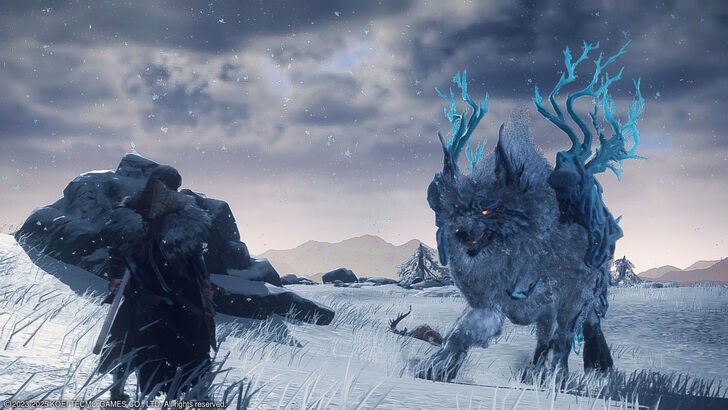
You’re not just fighting in a static arena. You’re shaping your battlefield. Crafting a spring-loaded box to launch yourself onto a Kemono’s back, erecting a wall mid-charge to stun them—these Karakuri aren’t gimmicks. They’re survival. The beasts you’re up against are not only huge and angry, they’re clever, elemental monstrosities that don’t give you much breathing room. The Kingtusk will pin you down with brute force; the Deathstalker wolf skates through snow like a ghost on ice. If you try to brute-force your way through these fights, you’re going to have a bad time.
That said… One of my biggest complaints—and this hasn’t changed from the original release—is the lack of an HP gauge for enemies. There’s a real tension in not knowing when a Kemono is close to death, but after a while, it starts to feel frustrating. Are you making progress, or just chipping away at an infinite health pool with your favorite umbrella weapon? Who knows! Combine that with the occasionally fidgety camera—especially when a Kemono decides to perform a nature-infused backflip behind a tree—and you’ll probably start to feel the fatigue on longer fights.
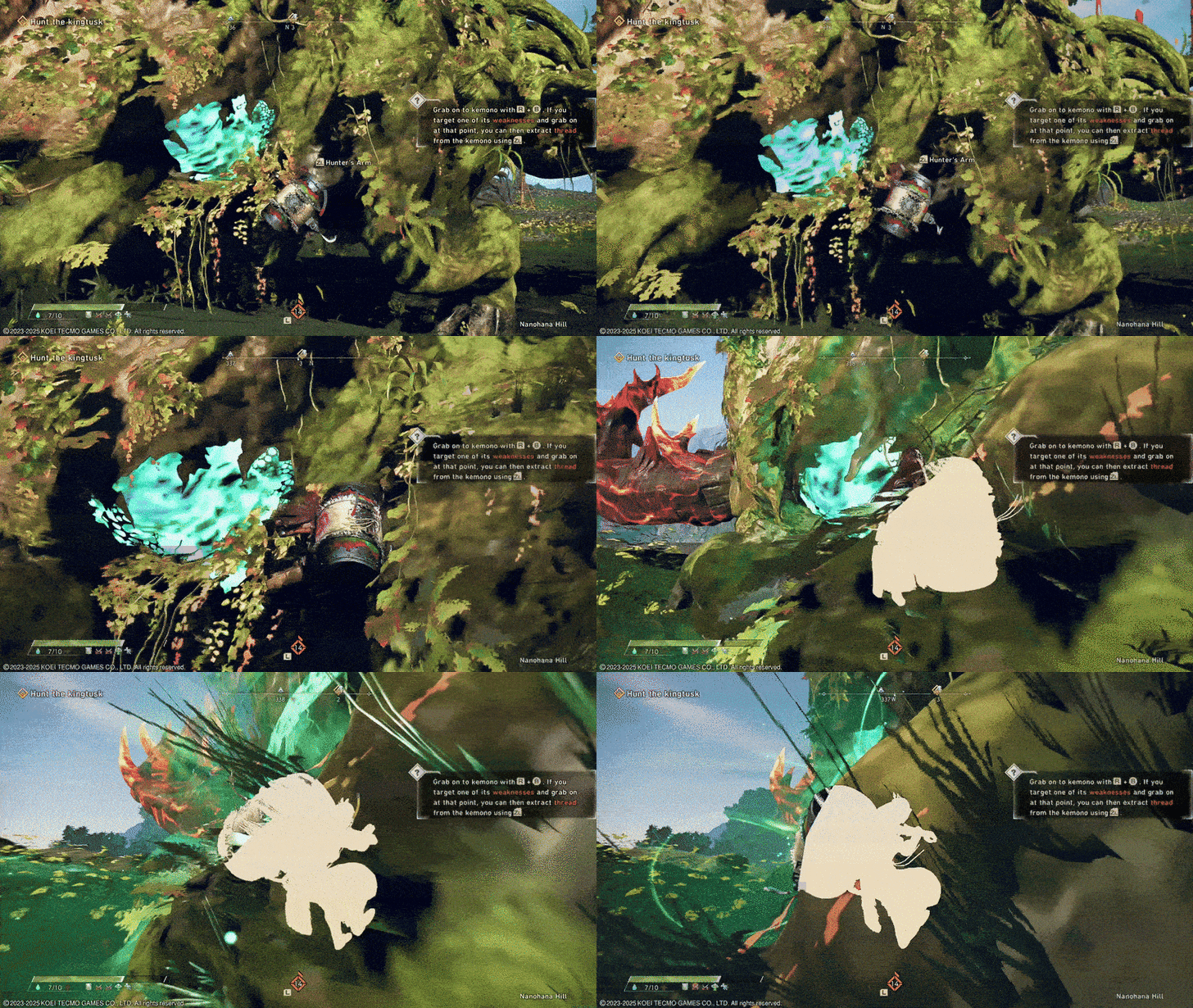
Still, there’s a satisfying rhythm that emerges when things do click. You start recognizing tells. You deploy your Karakuri at the perfect moment. You switch from long-range bow to up-close maul and time a dodge that sets up your Hunter’s Arm ability—letting you leap onto a Kemono’s glowing weak point for a massive Celestial Thread boost. It’s not fast and loose. It’s deliberate and sometimes a little clunky, but that’s kind of the point. You’re not a god slayer, you’re a crafty hunter trying to outwit nature itself.
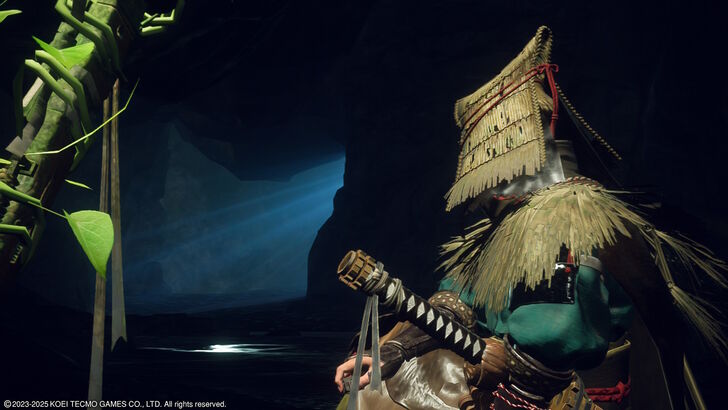
Of course, your weapons matter too. You’re given access to a wide range of tools—eight distinct weapon types, each with unique mechanics and a learning curve steep enough to make your thumbs sweat. The basic versions of most weapons are cheap enough to experiment with early, and I highly recommend you do. A katana player is going to have a very different experience from someone using the bladed wagasa. Honestly, trying new weapons mid-progression was one of the game’s highlights for me. Each one feels almost like a class of its own.
But again, combat here isn’t about clean, polished encounters—it’s a dance of timing, environment, and creative construction. It works, mostly. It’s just not always graceful.
The World Beyond the Hunt
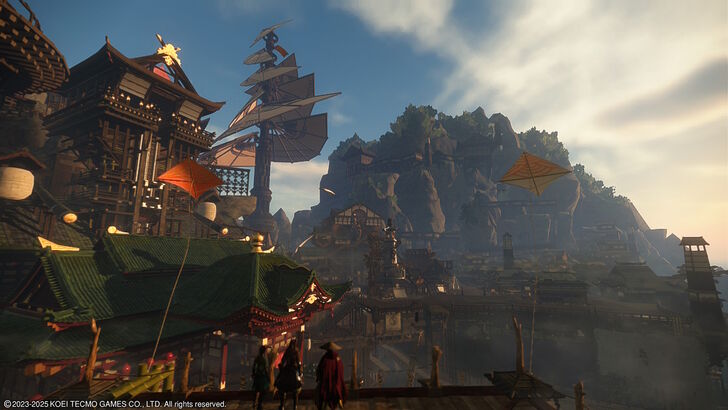
Wild Hearts doesn’t just trap you in recycled arenas, it sweeps you into the mythical wilds of Azuma, a land that feels like it was painted with a reverent brush. Thematically inspired by feudal Japan, the world is divided into four massive hunting grounds, each shaped around a different season. And I mean season in the most romanticized, Studio Ghibli way possible.
Harugasumi Way glows with cherry blossoms and soft spring greens, Natsukodachi Isle shimmers with sun-soaked cliffs, Akikure Canyon is all burnished reds and golds in a moody autumn dusk, and Akikure Canyon is half of a winter castle buried in snow and mystery. It’s not just window dressing. These biomes shape the flow of your hunts. You’ll come to recognize terrain not just by how it looks but by how it bends around a Kemono's movement patterns, and how you can twist that terrain to your advantage with Karakuri.
As stunning as the vistas are, they’re also deeply functional. Your interaction with the world is more than traversal, it’s also progression. Activating Dragon Pits, for example, lets you expand your Karakuri capabilities in that region, giving you more room and energy to deploy constructs. They're optional, sure, but unlocking every Dragon Pit pays off immensely, especially later in the game when you're building entire zipline networks or mobile healing stations mid-fight.
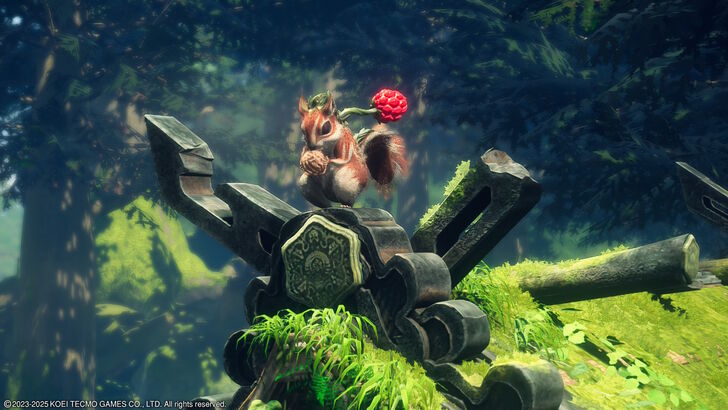
Then there’s the Tsukumo—tiny spherical buddies hidden all over the map like forest spirits from a different dimension. They’re more than collectibles. Find and upgrade them, and you’ll enhance your companion for solo play, boost your Celestial Thread reserves, and unlock new tricks that can tip the balance during a difficult hunt. Scouring each map for these little guys scratches that open-world itch in a way that feels quietly satisfying.
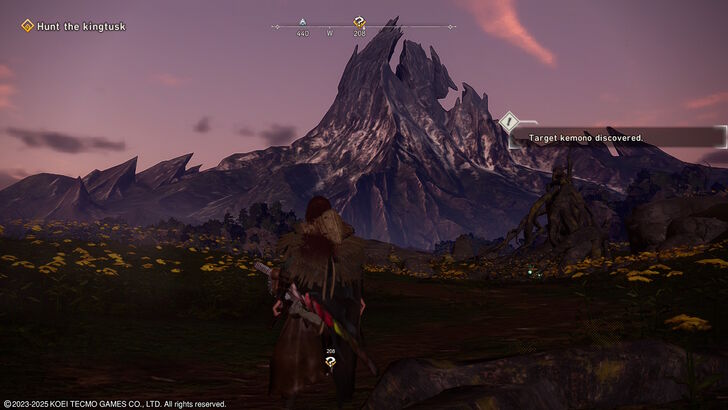
And that sense of progression bleeds naturally into the game’s gear systems. Like the original, Wild Hearts follows the "hunt to gear up, gear up to hunt" loop, but with enough flair to keep things interesting. Weapons and armor sets are crafted from the remains of Kemono, and they’re not just stat sheets. Each piece carries elemental affinities, passive perks, and a bit of identity.
Crafting isn’t limited to armor either. You’re constantly nudged to try new things. The game encourages you to experiment with basic Karakuri loadouts, rotate food buffs through drying racks and smokers, and build restorative baths in town for permanent health boosts. It's never overwhelming, but it’s rich with small upgrades and interconnected systems that reward curiosity.
That said, the actual exploration side of things can feel uneven. While the zones are large and often gorgeous, they aren’t exactly teeming with secrets. Outside of Dragon Pits, Tsukumo, and a few side quests or Fishermen’s Guild tasks, you’re mostly just finding materials and unlocking fast-travel points. The loop is still rewarding, but if you're hoping for deep environmental storytelling or jaw-dropping surprises tucked into a cave corner, temper your expectations. This is a hunting game first, not a narrative exploration game. Still, Azuma has charm. It’s a world worth hunting in—and living in, if only for a while.
Threaded Together
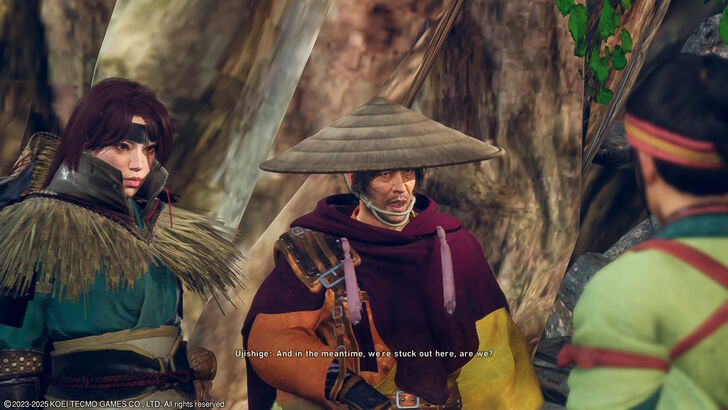
If Wild Hearts is enjoyable alone, it’s downright thrilling in co-op. This Switch 2 release quietly expands its multiplayer capacity to support up to four players, both online and locally. It’s not a game-changer in the grand scheme, but it is a literal game-changer when you're knee-deep in a three-phase Deathstalker fight and a friend ziplines in with a flying crate hammer.
You can take on Kemono solo, sure—there’s even the Tsukumo to support you—but the experience blossoms (and often stabilizes) when you’re not fighting alone. The game’s core mechanics thrive on synergy. Coordinating Karakuri builds, staggering Kemono in sequence, reviving downed allies right before a wipe, this is where the systems really come to life.
The Hunter Gate system makes jumping into other players’ hunts fairly painless. You interact with a glowing portal, browse a list of ongoing missions, and jump right in. It's not seamless in the way some modern co-op titles are, but it’s efficient enough. Alternatively, you can light a Campfire and let others join you, or request help straight from the map screen. The UI can be a little clunky, but the mechanics are solid once you’re connected.
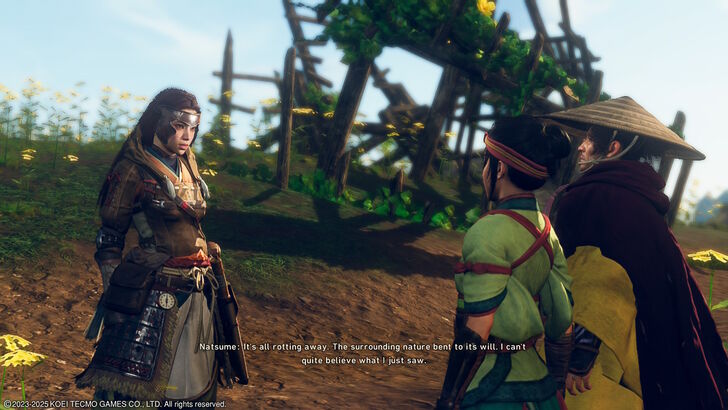
And you’ll want that connection. The combat, already demanding in solo play, becomes a frantic ballet in multiplayer. One player drops a spring Karakuri for mobility, another constructs a bulwark mid-fight to block a charge, a third revives someone just in time to avoid a group wipe. There’s this very real sense of improvisation, like building a battle plan from scratch using sticks and thread and somehow pulling it off. When a player goes down, you have a window to bring them back without burning one of the team’s limited respawn attempts. It's a small mechanic with big payoff, especially when you're the one crawling back from the edge because your teammate took a risk to save you. Failing a hunt feels less frustrating when you know you had options, and pulling through at the last second becomes a moment worth high-fiving over, even virtually.
But it’s not all smooth sailing. With the fidgety camera and multiple players and Kemono on screen, things can feel chaotic fast. The enemy doesn't scale all that intelligently, often reacting weirdly to aggro shifts, and some Karakuri builds can clutter the battlefield or block vision entirely. It’s fun, but it’s messy. And while that mess can be part of the charm, it can also lead to some frustrating failed hunts due to poorly timed jumps or terrain shenanigans.
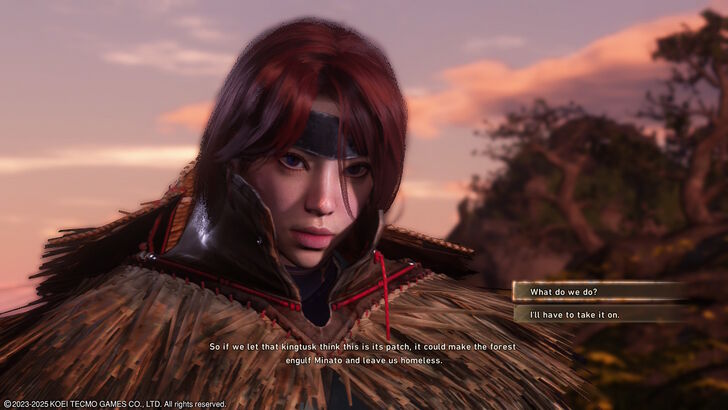
Load times and performance do take a hit in multiplayer. The game occasionally stutters when too much is happening at once, especially in the more particle-heavy seasonal biomes. It's playable, and mostly stable, but not without blemishes. And with no crossplay support, your hunting party is locked to the Switch 2 ecosystem, which is a real shame given how much this game thrives in community-driven play.
That said, Wild Hearts also pulls ahead of some of its genre peers by allowing you to co-op the story, not just individual hunts. That extra layer of cooperation gives the campaign a shared journey feel, not just a boss rush with chat in the background. It makes your victories more meaningful when someone’s been there beside you the whole time, not just portaling in when a Kemono shows up. Co-op elevates Wild Hearts from a respectable Monster Hunter alternative to something more kinetic and personal. There's a scrappy, collaborative spirit that shines when you're all duct-taping together solutions mid-fight, adjusting on the fly, and building not just tools, but teamwork.
The Hunt Has No Hero
Let’s not kid ourselves—Wild Hearts isn’t here to spin a yarn that’ll live rent-free in your head. If you’re coming in expecting layered lore or sweeping character arcs, you’re in the wrong genre, and most definitely in the wrong game. The story exists, technically. There's a village, Minato, under threat from rampaging Kemono. You're a mysterious hunter. People need things. You do them. That’s about as far as it goes. It’s a narrative scaffold—functional, but flavorless.
But that’s okay. Because what Wild Hearts lacks in story, it makes up for with setting and tone. The world of Azuma is stunningly atmospheric in its own right, with biomes steeped in seasonal aesthetic and quiet ruin. There’s a lovely contradiction here, a land that feels abandoned, yet still lived-in. Villages swallowed by nature, temples barely standing, bathhouses offering calm between bloodshed. It’s the kind of place that doesn't need words to feel full. The world-building is passive but effective, built into the architecture, weather, and beast design rather than spoken through dialogue.
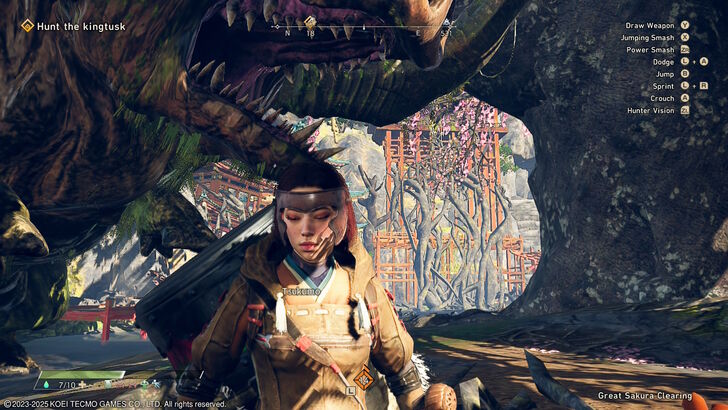
Your role in it all—nameless hunter, part-time carpenter, full-time errand runner—isn’t compelling in the traditional sense. Most NPC interactions feel like background noise, and your character exists mostly to push the gameplay forward. But again, that’s often how these hunting games go. You're not becoming someone, you're refining your tools and proving yourself through mastery, not milestones.
So no, the story won’t move you. But the immersion? That’s another thing entirely. When you’re deep in a fight, the wind kicking up dust as your Karakuri thuds into place, the world responds to your presence. It bends, literally, to your will. In those moments, it doesn't matter that your motivation is barely a sentence long. The experience—the rhythm of stalking, building, slaying, surviving—speaks for itself.
Is Wild Hearts S Worth It?
Only Worth It If You Haven’t Played It Before
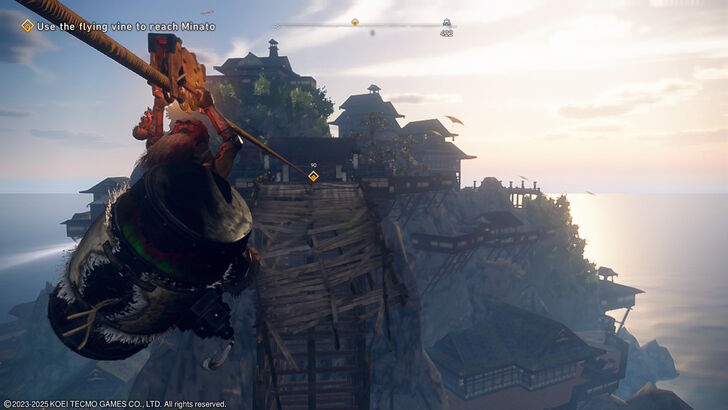
I’m going to be blunt, if you’ve already played Wild Hearts on PC or consoles, there’s little to no reason to return for Wild Hearts S. The Switch 2 version doesn’t bring any new story content, gameplay systems, or mechanical overhauls—just a few weapon balance tweaks and expanded multiplayer support. No crossplay, no new beasts, no real post-launch expansion. It’s the same hunt, just with new hardware.
That said, if you’re a dedicated handheld player—especially someone who lives for long sessions, prefers co-op over couch, and already owns a Switch 2—this is one of the better hunting games you can currently grab on the system. It’s big, it’s challenging, and its core loop of preparation, combat, and crafting holds up even under portable constraints. The Karakuri system still gives Wild Hearts its own identity, and the sheer number of hours you can pour into the hunt ensures you’ll get your money’s worth if you click with the format.
But make no mistake, this isn’t a revolution, it’s a relocation. Wild Hearts S succeeds in bringing the full game to Nintendo’s new hardware—but that’s all it does. If that’s enough for you, hunt away. If you’re hoping for a meaningful refresh, maybe let this one pass.
| Digital Storefronts | |||||
|---|---|---|---|---|---|
| Switch |
|||||
| Price | $49.99 | ||||
Wild Hearts S FAQ
What Are The Balancing Changes In Wild Hearts S?
According to Koei Tecmo, some weapons and armor have been adjusted to improve early-game balance, making tougher beasts easier to face. Additionally, beast behavior has been tweaked so they flee less frequently.
What Else Is New In The Switch 2 Version?
Beyond the four-player local and online co-op support and balancing changes, the Switch 2 version includes all previously released content from Wild Hearts updates, such as new beasts, game modes, and bonuses from the Karakuri Edition. While text chat is unavailable, voice communication is supported via Switch 2's Game Chat function.
Game8 Reviews

You may also like...
 |
Wild Hearts Review Hunting Role Playing Game |
 |
Monster Hunter Wilds Review Action, RPG |
 |
Avowed Review ARPG |
 |
Like a Dragon: Pirate Yakuza in Hawaii Review Action, Adventure |
Wild Hearts S Product Information
 |
|
| Title | WILD HEARTS S |
|---|---|
| Release Date | July 25, 2025 |
| Developer | Koei Tecmo Games, Omega Force |
| Publisher | Koei Tecmo |
| Supported Platforms | Switch 2 |
| Genre | Action, Hunting Game |
| Number of Players | 1-4 |
| ESRB Rating | T |
| Official Website | Wild Hearts S Website |