
| SealChain: Call of Blood | |||
|---|---|---|---|
| Release Date | Gameplay & Story | Pre-Order & DLC | Review |
Overview
What is SealChain: Call of Blood?
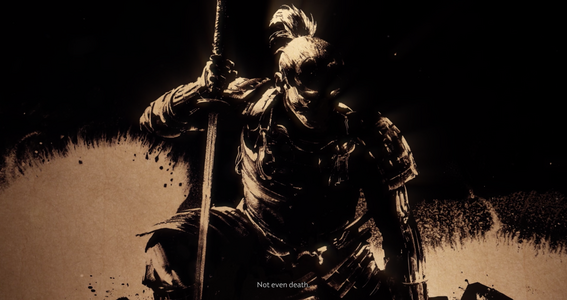
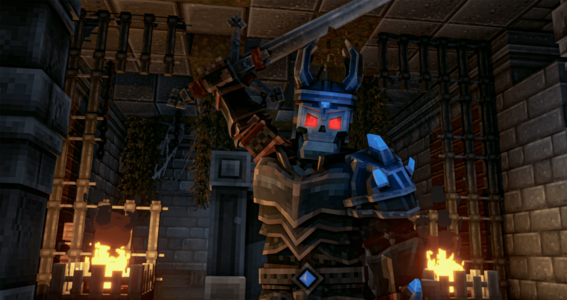
SealChain: Call of Blood is an action-focused RPG roguelike set in a dark fantasy world ravaged by vengeful spirits and forbidden blood rites. As weak seals release dangerous forces into the world, players must battle terrifying foes and uncover the mystery surrounding their journey.
SealChain: Call of Blood features:
⚫︎ Chain system that combines and multiplies item effects
⚫︎ Seal system that further amplifies stats
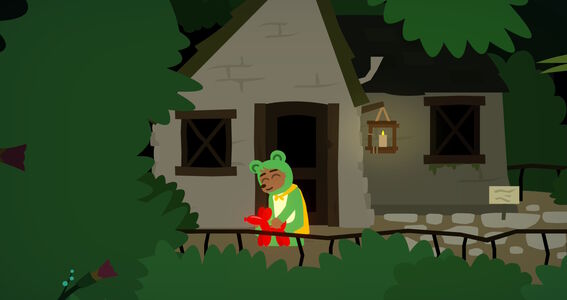
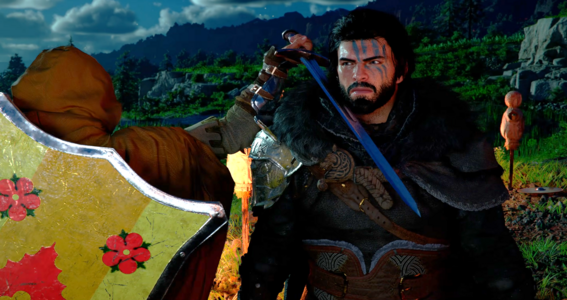
⚫︎ Four playable characters
⚫︎ Player-selected win conditions
For more gameplay details, read everything we know about SealChain: Call of Blood’s gameplay and story.
| Digital Storefronts | |||||||
|---|---|---|---|---|---|---|---|
 Steam Steam |
|||||||
| $8.99 |
SealChain: Call of Blood Review: So. Many. Builds.
A Maverick's Roguelike Dream
Have you ever purchased a game absentmindedly on Steam just because it's cheap without any expectations of it being good? I have. I mean, there’s several dozen unplayed games in my library for a reason.
SealChain: Call of Blood (SealChain from hereon, as I’m lazy) was one such purchase (okay, I was also baited by the thumbnail), and the only reason I actually opted to give it a shot before it started its first day fermenting in my list of unplayed Steam games was because it was part of a genre I play often whenever I was bored out of my mind; an action roguelike.
Mind you, as someone who has played hundreds of hours of these sorts of games, I’ve come to grow weary of the low-effort slop released for basically chump change on the internet. Often plagued by issues such as disappointing build variety, shallow progression, indistinct character designs, empty level designs, and misplaced priorities, a lot of them don’t land where I tend to want them to.
This one, though? It ticks a few problematic boxes, sure, but it definitely passes the most important criterias—the build variety and character designs—with flying colors. And honestly? It passes those two so well that I found myself staying up throughout the night and into the morning trying out some zany builds I would have never even dared to pull in other games.
That’s what makes it so strange. SealChain clearly understands what makes a roguelike great or otherwise, but it only does so selectively. Some parts of the game feel laser-focused and deliberate, while others feel like afterthoughts.
And it “only” took me several hours to figure out why, starting with the story.
A World of Dreams, Demons, and Narrative Desolation

SealChain’s setting is in a world outside of the physical plane only accessible by mortals through dreams. Though it could be more accurately described as a nightmare because of all the monsters, carnage, and the risk of actually dying (ergo, the average Denny’s parking lot experience), a lot of people, particularly those lost in real life, still come, banking on the legend of a power that could rewrite their fate at the end of the journey.
… That’s basically the entirety of SealChain’s setting, which also conveniently encompasses most of its story as well. Aside from unique character endings here and there, the game offers no other narrative continuation, nor does it put any effort into developing its world past whatever you can get from the various flavor text on items.
Honestly, though? It’s not that big of a deal. The setting, as well as its characters, are all standard stuff and you’re not losing out from its lack of storytelling. If anything, SealChain is doing itself a favor by not putting any narrative between you and the gameplay. And, in a genre where repetition is a key part of the experience, dragging out what would likely be an entirely boring plot will only serve as an annoyance.
A Roguelike of Inventory Management
For the most part, SealChain’s core gameplay resembles every other twin-stick action roguelike out there in the market. That is, you run around enemies that spawn everywhere around the map, gunning them down with decidedly non-dreamlike firearms or stabbing them with something as mundane as a kitchen knife.
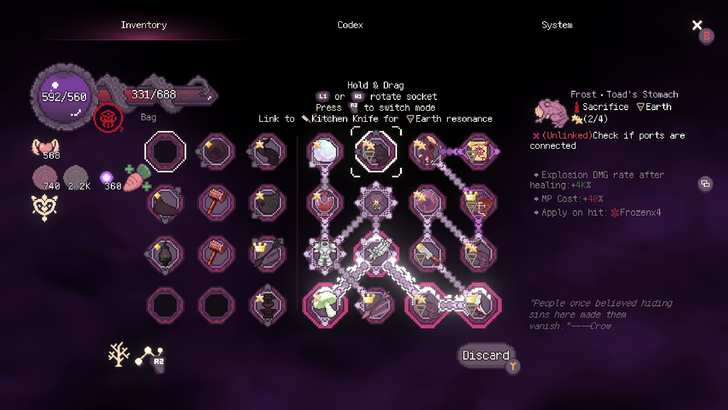
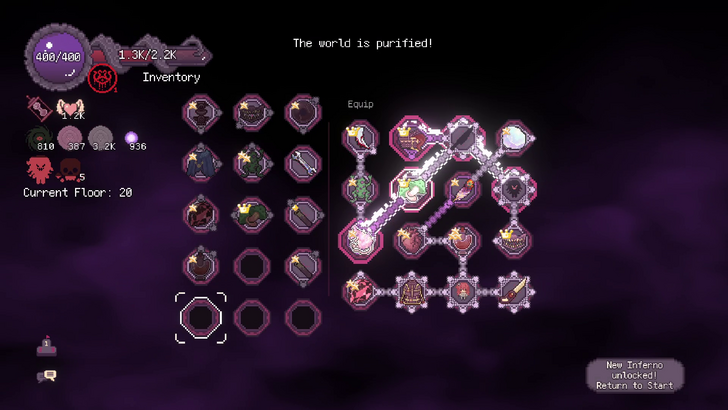
The game wastes no time in introducing you to its unique mechanic to play with, however, which is its inventory management system that doubles as your character build window. Here, items are your passive abilities, and they can be connected in a grid if their nodes point towards another item’s own in order to carry their abilities to, eventually, your character and their weapon or armor.
In addition, daisy chaining items with similar properties and paying attention to their occasionally-present conditional effects amplifies their performance by a good margin, rewarding your ability to connect them successively instead of absentmindedly throwing them wherever there’s a space that can connect with your character’s three possible main nodes.
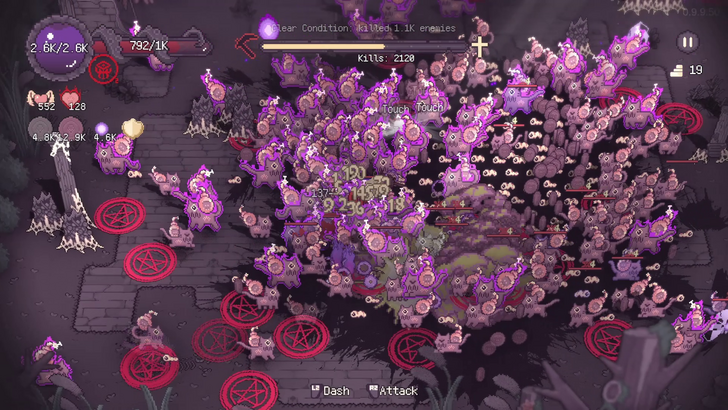
The product of all your troubles, if planned and executed carefully enough, are builds that are often hilariously broken due to how inflated the stats and effects they provide can be. Like, you can even create builds that are nigh invulnerable to damage, can pop bosses in an instant, or stat numbers so inflated they border on parody. And, as someone who likes seeing big numbers, nothing beats the feeling of success that comes after.
On top of that, the game also pushes Seals into the equation. These optional patterns act as blueprints; recreate their shapes within your grid, and the connected items gain even fatter bonuses. Sure, they’re optional to obtain, but think of them as a challenge that rewards you handsomely if you manage to jigsaw your way into activating them.
It’s almost like a minigame in its own way, forcing you to spend a good amount of time piecing items together so that they fit into a satisfying layout where everything is interconnected with each other as neatly and as organized as possible. Is it a hassle, though? Of course it is. But without a doubt, the results are worth the trouble.
Grinding Paradoxically Dilutes Builds
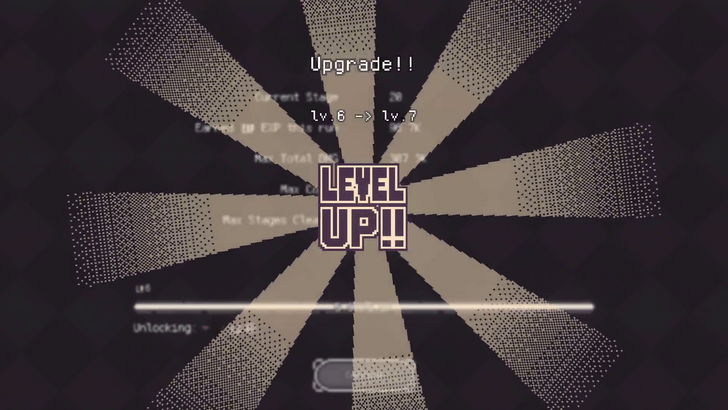
In order to gain access to more items to improve your builds, you’ll have to unlock them through leveling up your character. This can be done by just playing the game, regardless of whether you finish a run or eat dirt in the end.
Unfortunately, the more items you unlock, the more difficult it is to commit to specific builds because unlike other action roguelikes such as HoloCure, there is no way to narrow down what you can get from the reward pool such as outright removing them from it. So, for the most part, you just end up wasting a lot of time rerolling and pulling your hair out as the item you’re not interested in keeps appearing every time you do so.
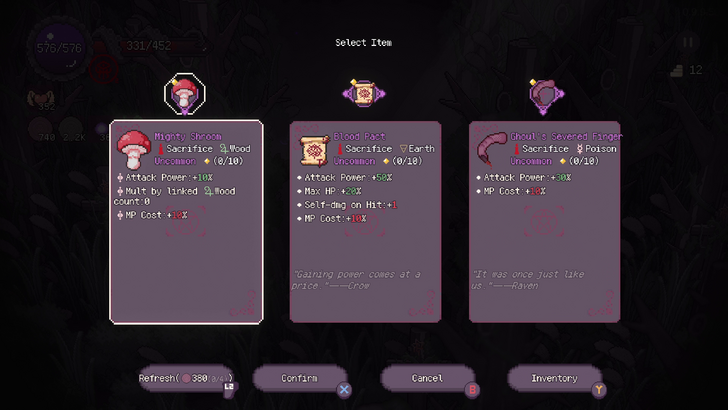
This issue is even more apparent when you consider that unlike many other action roguelikes where you can upgrade your passives once every time you purchase a single duplicate, SouldChain’s passives follow a geometric sequence. That is, in order to upgrade a level 2 item, you must have another level 2 of its kind, which is formed by combining two level 1s. At worst, this would require you to purchase dozens of an item just to reach level 5 or above.
And realistically, you would only be purchasing 2-4 items per visit to the shop—unless you’re playing a certain character who hoards money harder than Mr. Krabs.
Thankfully, this is somewhat mitigated by the fact that the shop sometimes carries high-level items, and that special drops that directly upgrade your item’s levels aren’t that difficult to find. But regardless, you will still often find yourself fishing for specific items and wasting your money in the process, which is definitely not a fantastic experience.
Horrible Stage Design and Mechanics
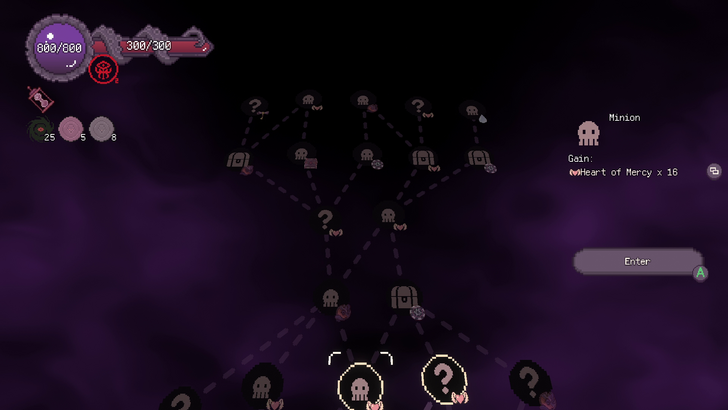
Almost as if the game is hell-bent on adding caveats to its otherwise great gameplay, the maps and stages themselves are also active hindrances to the experience.
First, the map’s branching paths feel like they’re randomized without any real purpose or consideration behind the results. See, in other roguelikes such as Chaos Zero Nightmare, each path is roughly equal in terms of payout, and you’re only really considering your moment-to-moment state when determining which path you should take. Low on health? Look for recovery. Need money? Chase events. The decision-making is contextual and continuous.
But in SealChain, there are paths that are obvious duds and vice versa. For example, one might just put you through the riskiest places on the map with multiple elite enemies in your way, directly threatening your ability to live to see the next sunrise. Meanwhile, the other can take you straight to the final area without so much as fighting more than once or twice. Instead of strategic trade-offs, you’re left with obvious “correct” answers.
It’s annoying because it makes deciding on a path less of a process of continuous decision-making and more like “no way you’re making me fight a boss right before another boss.” Choosing a path thus stops being thoughtful risk management and starts becoming basic damage control, diluting player agency heavily.
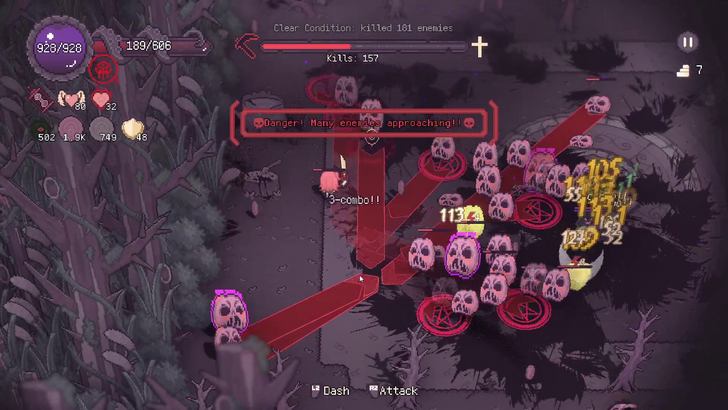
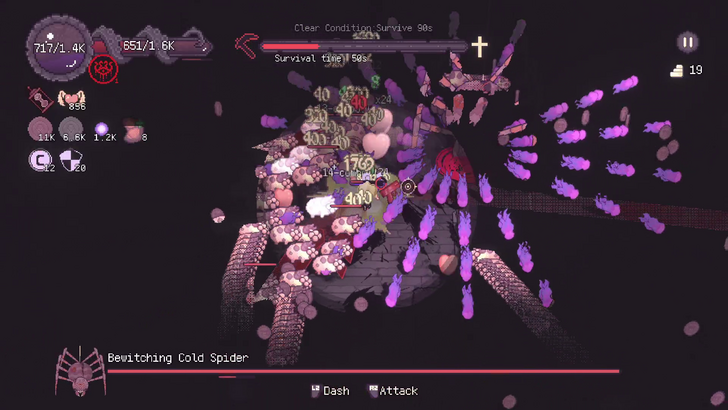
And once you actually get into a combat stage, even more problems pop up. The worst of them has to be the minimum proximity to a player that mobs can spawn, which, putting it succinctly, is way too close. In fact, it’s so close that when you’re moving in one direction, it’s entirely possible for a mob to spawn right under your feet. Like, sure, other action roguelikes do it, but only sparsely and as events that force players into a short burst of urgency to keep them on their toes.
There’s no reason to design it this way, especially considering that healing is such a scarce resource for certain characters, particularly during the early stages. Plus, since they spawn absolutely everywhere and usually move as fast, if not faster than you, there’s no way to control the mob with your movement without explicitly putting points into crowd control items.
There are other issues of course, such as stages essentially being just copy-pastes of each other with slightly different doodad placements or bosses that rely solely on relentless aggression than thoughtful patterns. But those pale in comparison with the experience of fighting mobs. Movement should be your primary defensive tool in a twin-stick roguelike, but it loses much of its meaning here.
Distinct Playable Characters

Now, fortunately, it’s not all doom and gloom. After all, I do like this game quite a lot, and it’s not just because of the great character builds system. The characters themselves are an absolute joy to play around with, too.
There are a total of four of them, and each offer wildly different playstyles, even compared to their own meta-progression. For example, Huntmoon is able to use three different types of weapons, each with their own unique strengths and weaknesses. Want insane spread damage? Use the bow. You prefer piercing attacks? Use the shotgun.
Nightweave is even deeper as a character. Although she only wields a single weapon, her defining mechanic allows her to summon a shadow duplicate that you can also equip separate items on using the same system you use. The result is an absurd degree of versatility. You can, for example, use your shadow as the main damage dealer while you build Nightweave herself as a dedicated tank. Or, you can specialize in inflicting poison while your shadow excels in exploiting it. It effectively doubles your build surface area.
Yes, they are still technically intended to be built in specific ways, but that's just lack of imagination limiting your options.
The diversity of gameplay styles offered by each character is a force multiplier to the game’s already robust item system. It creates near-limitless replayability that’s directly supported by how you can freely select the win conditions. This can range from winning through attrition, killcount, damage numbers, etc. So, you’re able to freely test out all kinds of builds from the standard DPS-heavy ones to the normally absurd sets where neither you nor your enemies can hurt each other.
And honestly, just those qualities alone, even if SealChain had no other bragging rights to its name, makes the game worth its meager asking price.
Is SealChain: Call of Blood Worth It?
It’s Cheap Enough to be Worth Diving Into
If you’re the kind of person who enjoys pushing the boundaries of what should be plausible to win with in an action roguelike, SealChain: Call of Blood should be in your gaming library. The way it allows even the wildest or impractical builds to dominate is something offered only by an extremely few others in the genre, which allows it to easily carve its own niche among more prominent titles.
Sure, it has audio that simply does its job yet never elevates a single moment, causing combat to lack a distinct punch and victories to lack a satisfying triumph. But in the grand scheme of things, it doesn’t actively detract from the experience. It simply fails to enhance it.
Get the game. Or, at the very least, try it out. It’s cheaper than most DoorDash orders, anyway.
Game8 Reviews

You may also like...



SealChain: Call of Blood Review by User
Information



Article Ranking
- 1
Resident Evil Requiem (RE9) DLC Now in Development, Expanding The "World of Requiem"
- 2
Ghost of Yotei: Legends Review | A Free Update That Could Be a Standalone
- 3
Monster Hunter Stories 3 Review [First Impressions] | Simply Rejuvenating
- 4
This Week’s Gaming News Roundup: Mar 8th to Mar 14th
- 5
Poppy Playtime

Latest News