


In a heartbreaking release by the Video Game History Association, it's revealed that the majority of the classic video games released in the United States are critically endangered. Read on for more details about the study and the Foundation's goals.
Most Classic Titles Are Unavailable To The Public
Only 13% of Video Game History Is Being Represented
The Video Game History Foundation, in partnership with the Software Preservation Network, recently released a study regarding the commercial availability of classic video games - and the results aren't good. They discovered that only a paltry 13% of all classic video games released in the United States are available for public consumption. The remaining 87% are critically endangered, only available by seeking out vintage collectors, traveling outside their countries to a library that has preserved it, or, in the worst case, through piracy.
In fact, their research shows that none of the time periods they looked into managed to break even 20% of representation for the games released during that era. That's over four out of five games gone from today's markets.
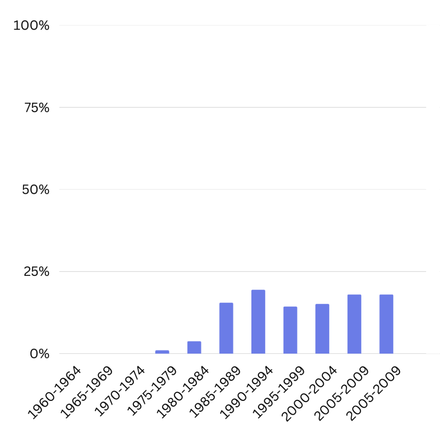
Despite the video game industry currently being worth $180 billion, its history and the games themselves are disappearing from the public. That's nearly 9 out of 10 classic games being nearly impossible to access through consumer-facing channels. The Foundation argues that this alarming statistic should be a good reason for libraries, archives, and museums to step in.
"Anyone should be able to easily explore, research and play classic video games, in the same way that they can read classic novels, listen to classic albums, and watch classic movies. But outdated copyright laws are preventing institutions like ours from doing our jobs."
According to them, the goal of their study is to "get expanded exemptions for libraries and organizations preserving video games, which are currently far more limited than their ability to preserve books, movies, audio, etc." However, the Entertainment Software Association, the video game industry's lobbying group, claims that video games are commercially-available anyway and that there's "no such thing as an obsolete game." This is why preservation efforts are so far behind.
The subsequent rulemaking proceeding under the Digital Millennium Copyright Act (DMCA
), Title 17, section 1201, of the United States Code is scheduled for 2024. The Foundation hopes their data will raise even more awareness regarding the issue and allow for more efforts to be put into preserving games before it's too late.
Sources:
87% MISSING: THE DISAPPEARANCE OF CLASSIC VIDEO GAMES
Survey of the Video Game Reissue Market in the United States
Gaming trade org: For DMCA, “there’s no such thing as an obsolete game”