


| Kirby and the Forgotten Land + Star-Crossed World | |||
|---|---|---|---|
| Release Date | Gameplay & Story | DLC & Pre-Order | Review |
Kirby and the Forgotten Land marked the pink puffball’s leap into 3D in the mainline games, while keeping everything fans love intact. Read on to see how HAL Laboratory reinvented classic charm for a new dimension.
← Return to Kirby and the Forgotten Land + Star-Crossed World main article
Forgotten Land is Kirby’s Greatest Leap
Breaking Dimensions Without Breaking Kirby
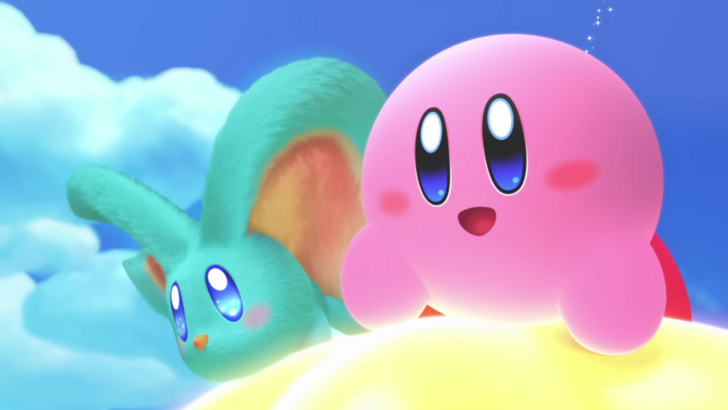
Kirby is one of Nintendo’s most adaptable mascots. Since his debut in 1992, he’s survived the shift from 8-bit to HD, toyed with 3D in experimental ways, and even dabbled in genres far from his roots—think pinball, racing, and even a stylus-based game. Yet for decades, Kirby remained a primarily 2D icon, even as contemporaries like Mario and Donkey Kong made the full transition to 3D long ago.
So why the long wait? HAL Laboratory took its time, watching others stumble through the shift to 3D. The reason is clear: what makes Kirby special is his simplicity. His design is welcoming, his games are easy to pick up, and his identity built on the tight, side-scrolling format that has worked for more than thirty years. But when you take that formula and stretch it across a full 3D space, there’s a real risk of breaking what makes the pink puffball so charming.
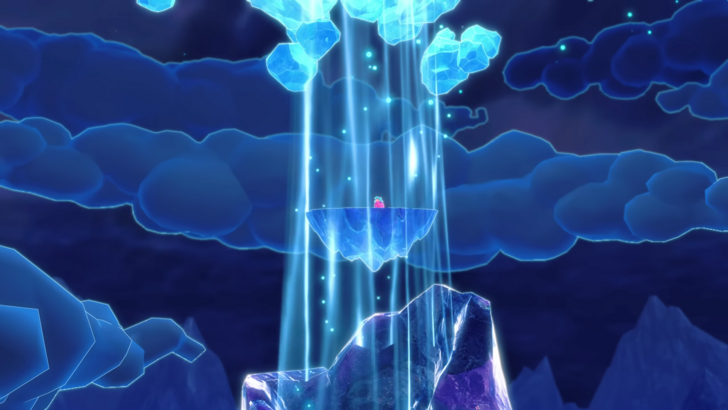
Plenty of franchises stumbled during their 3D transitions—think of Sonic, whose speedy design clashed with early 3D level design, or Bubsy 3D, a cautionary tale of how clunky controls and awkward camera work turns a mascot into a punchline. Kirby, then, wasn’t just late to the party; his arrival came with sky-high expectations. Could a character defined by floaty movement, copy abilities, and breezy level flow really thrive in an open environment?
When Kirby and the Forgotten Land launched, the answer was a resounding yes. But the journey to that point—and how the game nailed the delicate balance between innovation and identity—is what truly makes Kirby’s 3D leap worth celebrating.
| Digital Storefronts | |||||
|---|---|---|---|---|---|
 Upgrade Pack Upgrade Pack |
Base Game + DLC |
||||
| $19.99 | $79.99 | ||||
The Road to 3D Kirby
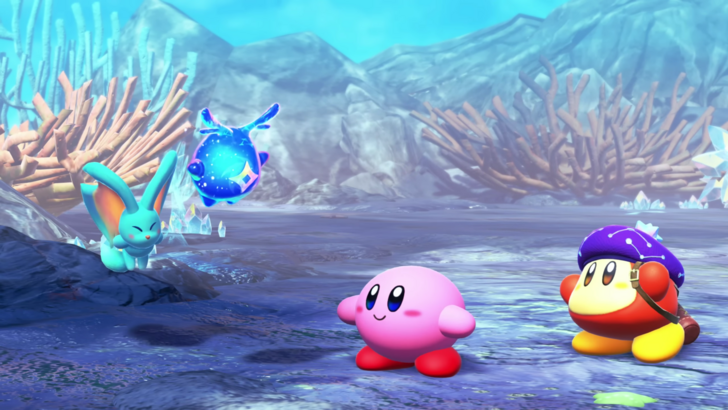
Kirby’s relationship with 3D has always been a cautious one. Before Forgotten Land, the pink puff’s adventures were defined by their 2D roots—bright, linear platforming wrapped in creative copy abilities. Sure, there were glimpses of ambition. Kirby 64: The Crystal Shards played with 3D back in 2000, but its movement stayed locked on a 2.5D plane. Later came Kirby Air Ride, a cult-favorite racer that showed how Kirby could thrive in three dimensions… just not in the way fans expected.
Even mainline entries experimented with depth without fully committing. Boss fights in titles like Triple Deluxe and Planet Robobot pushed Kirby into the foreground and background, teasing us with perspective tricks—but at their core, these were still side-scrollers. For decades, HAL Laboratory seemed hesitant to break tradition. And honestly, who could blame them? Plenty of beloved platformers have stumbled when trying to make the same leap.

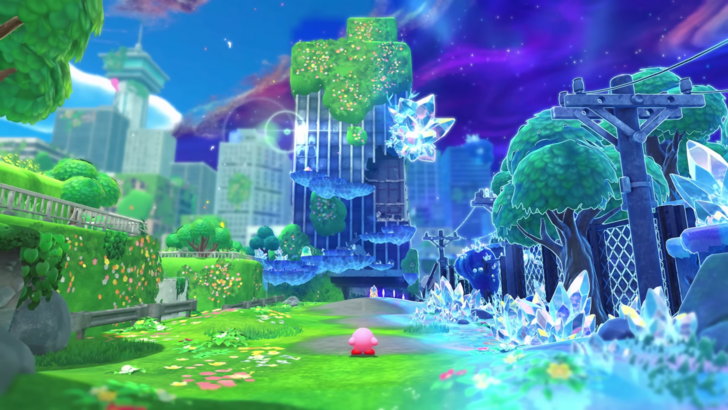
That’s what made Kirby and the Forgotten Land such a big deal. It wasn’t a half-measure. It didn’t settle for a "3D-lite" approach or ride on gimmicks. For the first time, Kirby was free to roam in fully realized spaces—not massive, sprawling worlds like Mario Odyssey, but tight, cleverly designed stages that still embraced the series’ charm. It was bold. It was overdue. And it redefined what a Kirby game could be without losing what made the franchise special.
Gameplay and Level Design
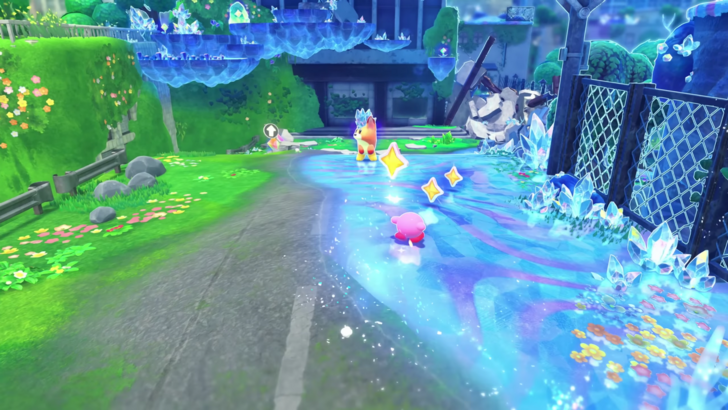
Making the jump to 3D is one of the hardest transitions any series can attempt. It’s not just about adding an extra dimension, it forces developers to rethink every pillar of design. How does a 2D concept translate into 3D space? How much do you change without losing the soul of the series? Push too far, and it stops feeling like the game fans love. Change too little, and the shift feels pointless.
HAL Laboratory had decades to observe what worked—and what didn’t—before attempting its own leap. The result? A game that feels like Kirby has always belonged in 3D. From the first few steps, the controls feel immediately familiar: running, jumping, inhaling, and floating all work exactly as you’d expect. There’s no awkward learning curve, no identity crisis.
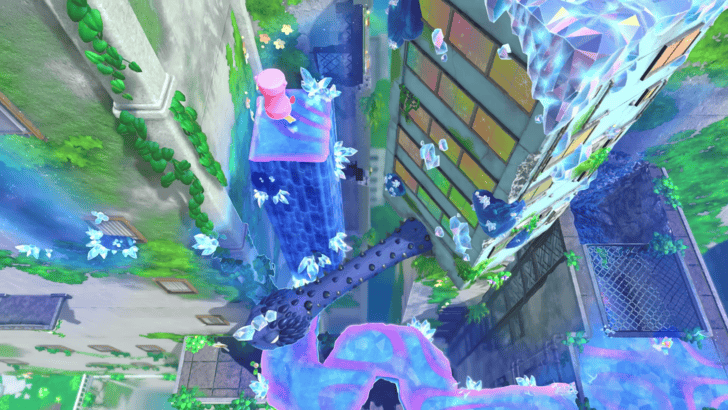
That’s what made Forgotten Land’s design philosophy work, starting with what makes Kirby Kirby, then expanding in ways that feel natural. The addition of the dodge roll is a perfect example. It’s a simple move, but in 3D, it completely changes how you navigate combat. Pair that with the time-slow mechanic for perfect dodges, and suddenly defensive play becomes a satisfying risk-reward system. It’s the kind of evolution that feels so seamless, you almost forget it wasn’t always there.
The same philosophy applies to level design. Forgotten Land doesn’t chase sprawling open worlds or endless checklists. Instead, it focuses on compact yet layered stages. Linear routes that encourage forward momentum, but with enough branching paths and vertical layers to reward exploration. Each stage plays out like a curated playground. You always have a clear forward path, but branching corners and vertical layers encourage you to poke around. For example, in the Abandoned Beach, triggering hidden mechanisms opens secret alcoves where Waddle Dees wait to be rescued. Some secrets are obvious—a shiny glimmer hinting at a collectible—while others hide behind destructible walls, requiring clever use of Copy Abilities to reveal.
These tucked-away areas feel rewarding without being punishing, and every discovery serves a purpose. Whether it’s grabbing a collectible figure, unlocking a hidden challenge room, or rescuing Waddle Dees, you’re never just filling a checklist. Progress ties back to Waddle Dee Town, which grows with each rescue, making exploration feel meaningful beyond simple completionism.
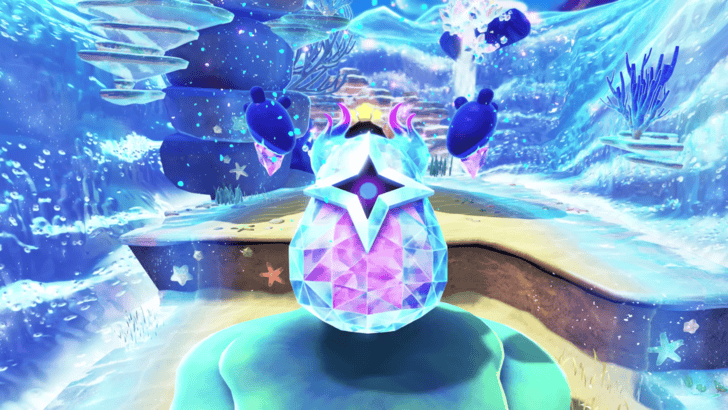
The variety in level themes keeps the experience fresh. Abandoned malls offer layered vertical spaces where escalators double as slopes for fast traversal. Frozen landscapes mix sliding hazards with wind currents, forcing you to think about positioning. Desert ruins blend classic Kirby whimsy with environmental storytelling, sprinkling lore in the form of background details like cracked billboards and sunken architecture.
And crucially, levels are short. HAL prioritized digestibility, making stages quick to clear but rich enough to invite replays. Optional objectives layer in challenge without forcing repetition, like finding hidden areas, solving environmental puzzles, or completing challenges that have time limits. Each area though is surprisingly dense. You can spend 30 minutes combing through every corner for hidden secrets, or blaze through in 3 minutes if you just want the main story. This flexibility is the beauty of Forgotten Land—play it your way, without feeling punished for either choice.
The genius of Forgotten Land’s level design lies in this balance: freedom without excess, secrets without frustration, and creativity without complexity. It’s Kirby’s DNA, reimagined for 3D—approachable, rewarding, and endlessly charming.
Copy Abilities in 3D
One of the boldest hurdles Forgotten Land faced was reimagining Kirby’s trademark copy abilities for a full 3D plane. In the classic 2D entries, these powers felt intuitive—press a button, attack in front of you, done. The moment you step into 3D, though, that simplicity becomes a balancing act. How do you preserve that approachable, kid-friendly charm while giving enough depth to make it engaging in a more open space?
Forgotten Land answers this by streamlining inputs without stripping complexity. Each ability only requires a couple of buttons, but the expanded spatial freedom introduces a new layer of consideration. For example, swinging a Sword isn’t just about cutting through enemies anymore—it’s about adjusting for depth and positioning, making sure those slashes connect at an angle rather than a flat side view. Ranged abilities like Ranger and Cutter feel right at home, encouraging you to line up shots and manage arcs instead of just spamming projectiles from one axis.
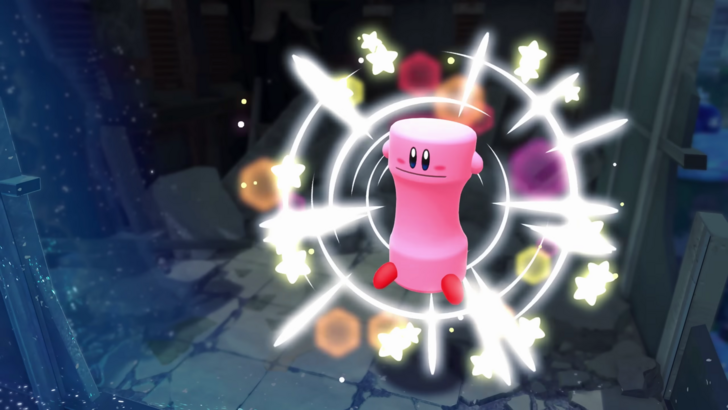
Then there’s Ability Evolution, which quietly adds a sense of progression often missing from previous games. Your trusty Fire can evolve into Volcano Fire and later into Dragon Fire, each iteration not just a damage upgrade but a complete visual and mechanical twist. In Forgotten Land, you’re not just inhaling powers, you’re building a toolkit, upgrading your favorites, and experimenting with new playstyles. This evolution system doesn’t bog things down with RPG-style stats; it keeps things brisk, rewarding curiosity without overwhelming casual players.
Yet, for all these changes, combat never loses its core Kirby identity. It’s still breezy and approachable, still leaning toward satisfying feedback rather than precision-heavy execution. Forgotten Land nails the balance, it gives you enough toys to feel empowered in 3D without asking you to master a dozen combos. It’s simplicity re-engineered for a new dimension, and that’s why it works.
Waddle Dee as Co-Op Anchor
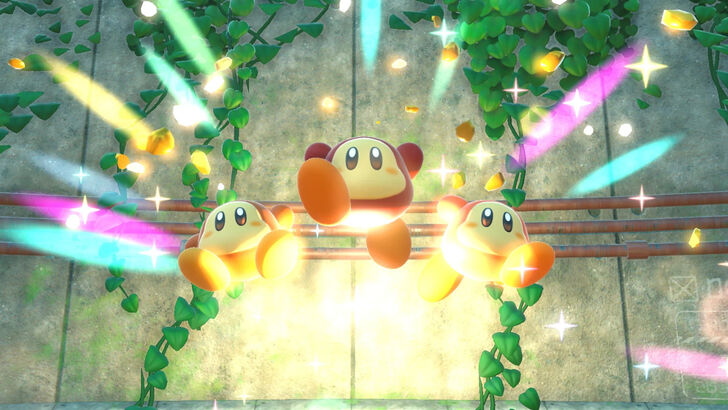
When Kirby finally leaped into 3D, it wasn’t just the environments that needed rethinking—so did the dynamic of co-op play. Past Kirby titles in 2D handled this elegantly: everyone could share in the chaos with full access to copy abilities, even if the main character still hogged the spotlight. But in a 3D world? That level of symmetry would have been messy. Imagine four players flinging abilities in every direction with full movement freedom—it would’ve been chaos in the wrong way.
Enter Bandana Waddle Dee, the ultimate co-op anchor. Where Kirby embodies versatility, juggling copy powers and Mouthful Mode transformations, Waddle Dee is grounded—a melee/ranged hybrid armed with his trusty spear. This isn’t a downgrade; it’s deliberate design. Kirby gets to experiment, evolve abilities, and show off the new 3D mechanics, while Waddle Dee keeps things approachable for anyone who just wants to pick up a controller and play without memorizing movesets. That balance keeps co-op smooth, even when two players have completely different comfort levels.
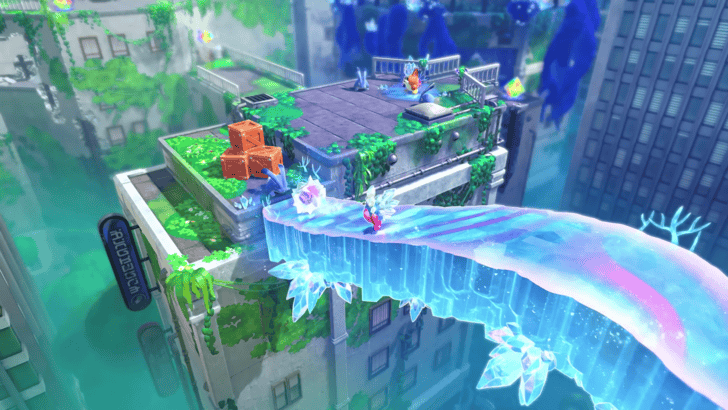
What makes this balance click is how it feels built for anyone to jump in and have fun. Waddle Dee doesn’t evolve like Kirby or absorb flashy powers, but his kit is easy to master—long-reaching stabs for range, spinning attacks for crowd control, and no complicated gimmicks. It’s the perfect role for someone who just wants to play without juggling move lists or transformations. He’s a co-op character built for stability in a world that suddenly gained an extra axis. It feels like HAL knew families would play this together, the seasoned gamer takes Kirby and experiments with abilities, while a younger sibling or casual friend takes Waddle Dee and feels just as valuable. Honestly, it reminds me of the universal childhood moment when the younger sibling thought they were helping with an unplugged controller—only now, they’re actually part of the adventure.
A Leap That Paid Off
Kirby and the Forgotten Land didn’t perfect its leap to 3D by reinventing the puffball, it did it by preserving everything fans love and making it work in a fully explorable world. The copy abilities, the whimsical level design, the simple-but-satisfying combat—none of that was sacrificed in the jump. Instead, HAL Laboratory made 3D feel natural for Kirby, creating a game that’s just as joyful for newcomers as it is for longtime fans.
And now, with Star Crossed World arriving as DLC for the Switch 2, it’s clear that Forgotten Land wasn’t just a one-off experiment. It set the foundation for what Kirby in 3D can be. Future games might expand on the formula, add more depth, and push the boundaries even further, but Forgotten Land will always be the game that proved Kirby could make the leap without losing his charm.
| Digital Storefronts | |||||
|---|---|---|---|---|---|
| Upgrade Pack |
Base Game + DLC |
||||
| $19.99 | $79.99 | ||||
You may also like…
 |
How Kirby & the Forgotten Land Upgrades with Star-Crossed World DLC Kirby and the Forgotten Land marked a new era for the pink puffball, and Star-Crossed World looks to build on that. |
 |
DELTARUNE Monsters And Why You Should Spare Them DELTARUNE encourages nonviolence not through morality meters, but by building a world that remembers your kindness. |
 |
Do Platformers Need Boss Fights? Boss fights. You love them, you hate them, but are they necessary? Maybe for an RPG or action game, but what about a platformer? |
 |
8 Games to Play With Your Self For Valentine's Day Stuck on February 14th without an SO? We got you covered. Here are 8 Games for People who just have that extra time and money on their hands for that occasion. |