
Overview
What is Quarantine Zone: The Last Check?
Quarantine Zone: The Last Check is where players take on the role of a checkpoint commander, responsible for inspecting incoming survivors, managing base facilities, and making high-stakes decisions that affect the lives of those seeking safety. Alongside inspection duties, players must maintain and upgrade key facilities such as housing tents, canteens, clinics, and quarantine areas, while balancing interconnected resources like food, medical supplies, and fuel.
Quarantine Zone: The Last Check features:
⚫︎ Checkpoint Management
⚫︎ Inspection System
⚫︎ Base Upgrades
⚫︎ Interconnected Resources
⚫︎ Drone Defense Mini Game
⚫︎ Campaign and Endless Mode
| Digital Storefronts | ||
|---|---|---|
 Steam Steam |
 Xbox Xbox |
|
| $19.99 | ||
Quarantine Zone: The Last Check Review: Rough Checkpoint
Coming Back to Checklists and Authority
I still remember when Papers, Please received its port for mobile in 2022, 9 years after its initial release and how it drew me into the genre. On paper—pun intended—it sounded painfully mundane: sit behind a desk, check documents, follow rules, reject people. As someone who once tried (and very quickly failed) to survive an adjacent people-facing governmental job in real life, I should’ve bounced off it immediately. That kind of work is exhausting, thankless, and mentally draining when you’re actually living it.
And yet… I got obsessed. I played Papers, Please everywhere I could, including an unhealthy number of hours on my tablet, obsessively scrutinizing names, dates, seals, and discrepancies like my life depended on it. Somewhere along the way, frustration turned into fascination. The stress became part of the appeal. That was the moment I realized I had fallen headfirst into the puzzle simulation genre—games built around routine, systems, empathy, and the quiet power of saying yes or no.
Since then, the genre has grown far beyond its original blueprint. We’ve seen variations and riffs pop up everywhere, from That’s Not My Neighbor to Strange Horticulture, all orbiting the same core idea: compare the subject in front of you against a database, a rulebook, or a growing list of contradictions. The tools change, the themes shift, but the satisfaction remains the same—spot the lie, catch the error, make the call.
If I had to pin down which game Quarantine Zone: The Last Check most closely resembles, Contraband Police would be the easy comparison. It shares that same methodical rhythm: observe, verify, decide. But it also understands something crucial about this genre, something many games either forget or overcomplicate.
These games don’t need to be perfect. They don’t even need to be objectively good in every measurable way. They just need to be fun, fun in that specific, compulsive, "one more check" way that keeps you glued to your desk. That’s exactly where Quarantine Zone: The Last Check excelled.
A World on the Brink
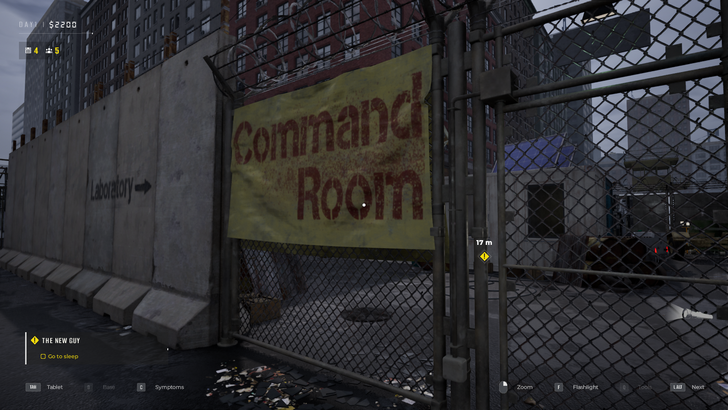
Quarantine Zone: The Last Check wastes no time dropping you into the middle of its crisis. You’re stationed at Checkpoint Alpha, one of the final barriers between what’s left of civilization and a world already collapsing under the weight of a zombie outbreak. There’s no long cinematic intro, no dramatic monologue to ease you in. Instead, the game lets its structure do the talking.
The campaign is divided into five distinct parts, each structured around a repeating cycle of days. Every five days, an evacuation looms—an event that serves as both a narrative checkpoint and a pressure point. The days leading up to it are spent doing what you’ve been assigned to do: process survivors, make judgment calls with limited information, and meet the quota of people needed for evacuation.
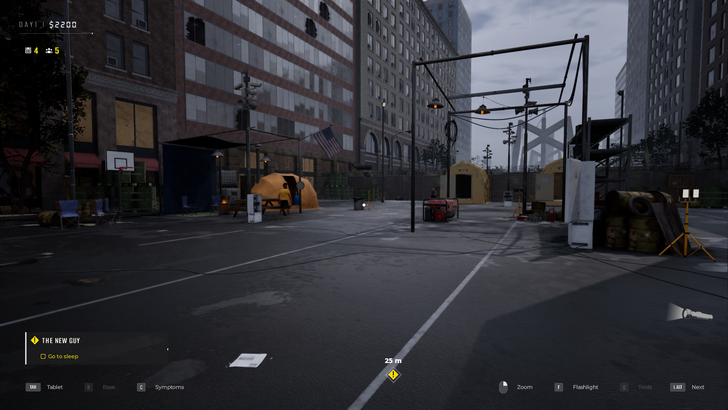
Narratively, The Last Check is deliberately thin, but it’s thin in a way that works. The story isn’t delivered through lengthy exposition or lore dumps. Instead, it seeps in through Bulletins (special assignments), brief but pointed scenarios that introduce you to the people trying to pass through your checkpoint. Individuals being allowed to bring something they shouldn’t and survivors whose presence inside the quarantine zone can cause ripple effects—sometimes even chaos—if you make the wrong call.
What’s happening around you is understated, but the world itself feels lived-in and dangerously fragile. This is an apocalypse where systems haven’t fully collapsed yet. Bureaucracy still exists. Paperwork still matters. Scientists are still trying to understand the virus, while military forces push for stricter control and harsher solutions.
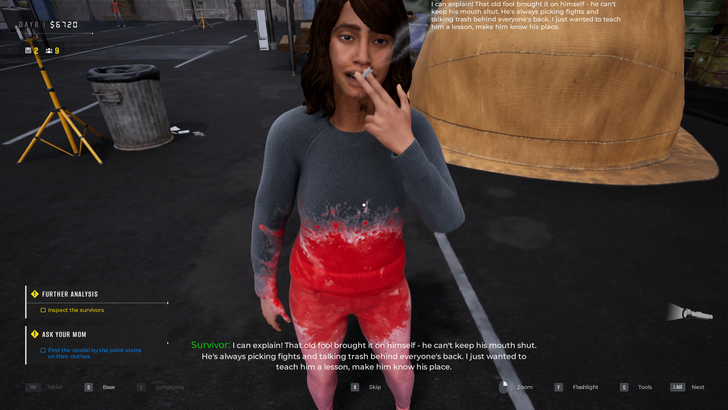
At its core, Quarantine Zone: The Last Check keeps circling back to a central question, "when the end is approaching, what do you prioritize?" Do you funnel resources toward science in the hope of understanding and containment, or do you empower the militia to enforce order through force? The game doesn’t scream this dilemma at you, but it quietly builds it into the fabric of every decision you make, one survivor at a time.
Running a Checkpoint Isn’t Just Paperwork—It’s Command
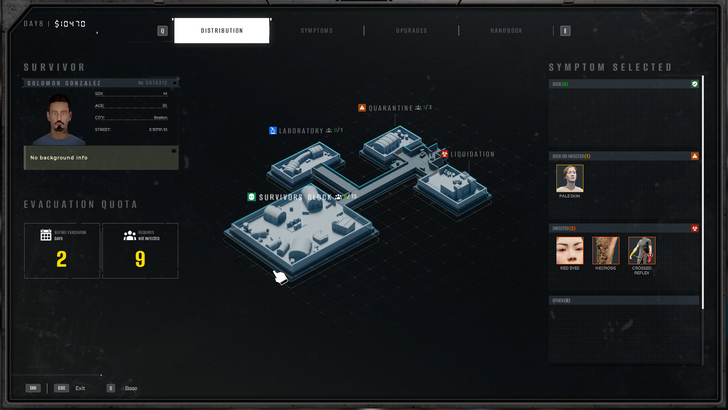
At a glance, Quarantine Zone: The Last Check presents itself as another inspection-focused game, but that framing only tells half the story. Yes, you’re the one checking documents and scanning people for symptoms—but the game is very clear about your actual role. You’re not just an inspector. You’re the commander of the checkpoint, and every decision flows outward from that authority.
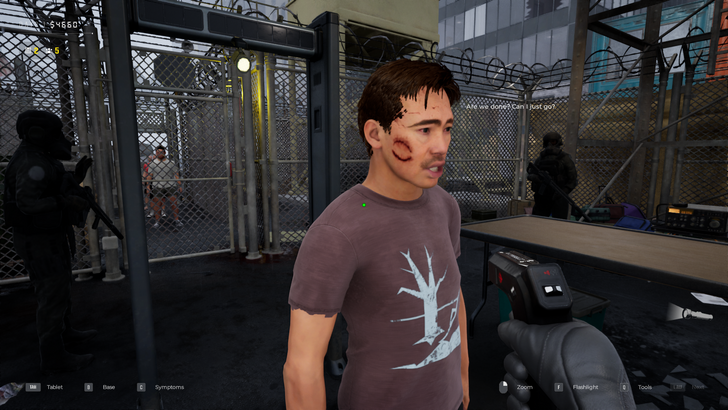
The core gameplay loop revolves around base management, with inspection acting as the front-facing expression of much larger systems. Each person who arrives at your gate is more than a yes-or-no decision. You’re checking them for visible symptoms, weighing their circumstances, and deciding whether they’re allowed to stay until evacuation day, placed into quarantine for observation, or executed on the spot if the risk feels too great. These choices are immediate, uncomfortable, and final—and they don’t exist in a vacuum.
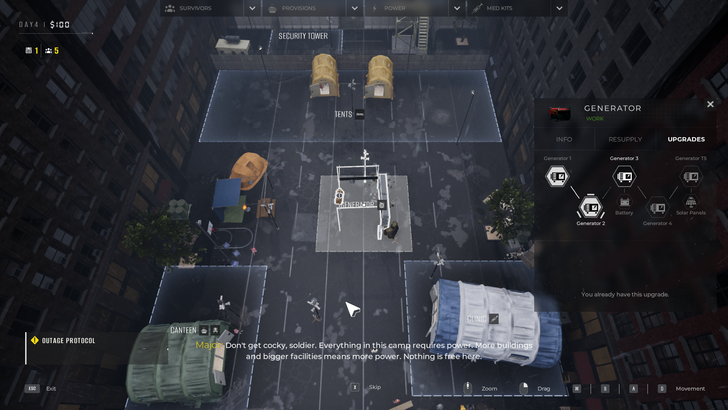
Letting people in has consequences. More survivors means more housing is required. More housing demands more food. More people also strain your medical supplies, and fuel reserves for the generator. Every approval tightens the system, and every rejection or execution shifts the moral and logistical balance of the camp. The game constantly forces you to think not just about the person in front of you, but about what your checkpoint can realistically sustain.
There are occasional diversions from this loop, including drone-based segments where you fend off incoming threats. They function as brief mini-games but they never quite define the experience the way inspections and resource management do.
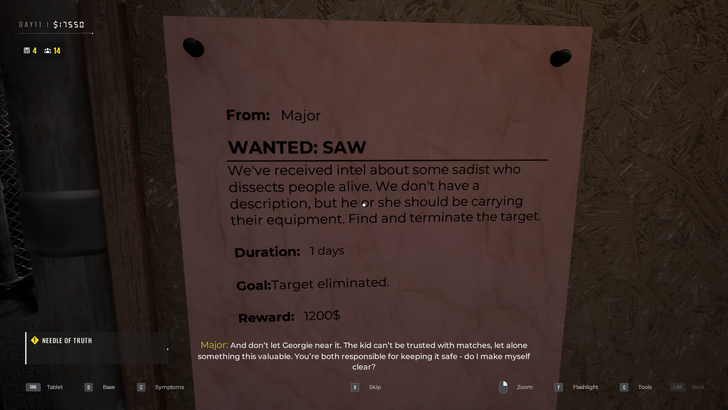
Structurally, the campaign provides a clear arc, but the real longevity comes from the endless mode. This is where Quarantine Zone fully leans into the same obsessive appeal that made games like Papers, Please so enduring. You can keep going indefinitely, role-playing your commander however you see fit—strict, compassionate, scientific, authoritarian, or something messier in between. It becomes less about beating the game and more about inhabiting it.
Absolute Authority With Minimal Consequences
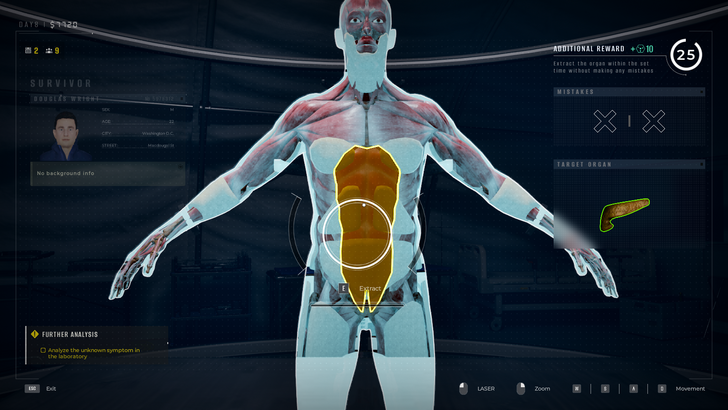
Quarantine Zone: The Last Check quietly hands you an unsettling amount of power. From the moment you settle into your role, it becomes clear that you’re not just enforcing rules, you’re deciding the fate of people. In practice, that means you’re essentially playing god with very few systems in place to meaningfully push back against your choices.
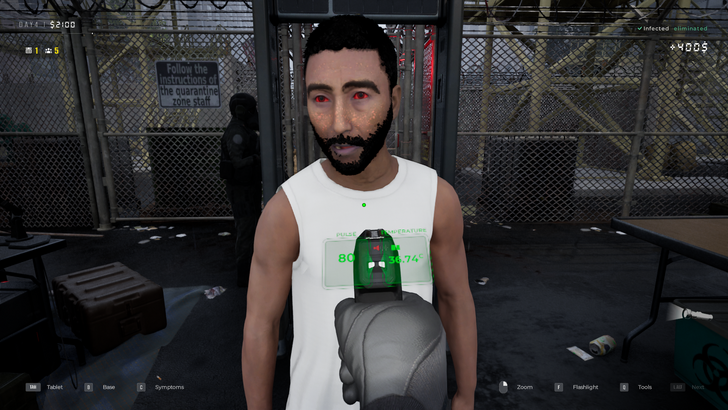
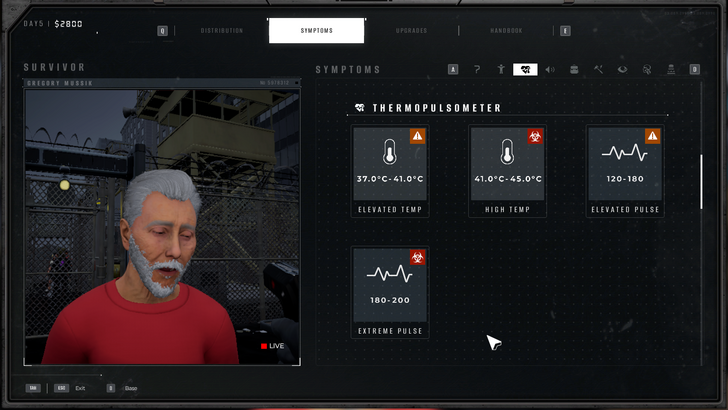
Let me paint the picture. Most of your time is spent stationed at the checkpoint entrance, equipped with a growing set of tools designed to determine whether someone seeking safety is healthy or infected. You examine their eyes, skin, and breathing patterns, scanning for visible signs of illness. As the game progresses, your toolkit expands, eventually letting you peer inside bodies, checking breathwork and eventually bones for hidden abnormalities. Every new tool adds another layer to what is already a meticulous process.
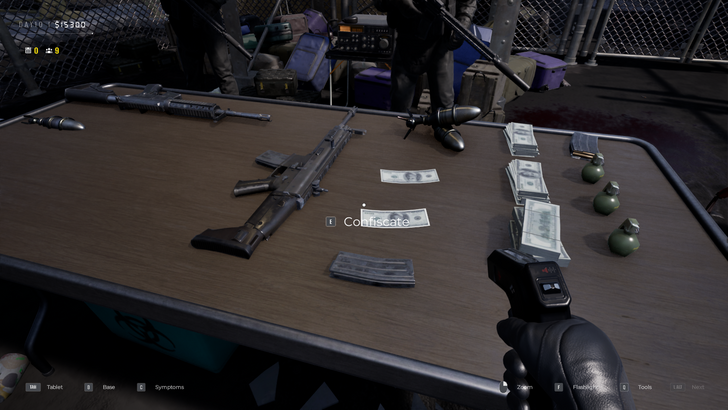
If a survivor is carrying a backpack, you’re free to search it, flagging contraband or suspicious items that might mark them as infected. All of this information gets logged onto their symptoms sheet, a checklist of red flags and observations that ultimately leads to your final decision.
From there, the path branches. Survivors you trust can be sent to the main survivor block. Those who raise suspicion but don’t quite cross the line can be quarantined for observation. The obviously infected are sent straight to liquidation. And once you unlock the laboratory, there’s another option entirely—sending subjects off for research in the hope of learning more about the virus.
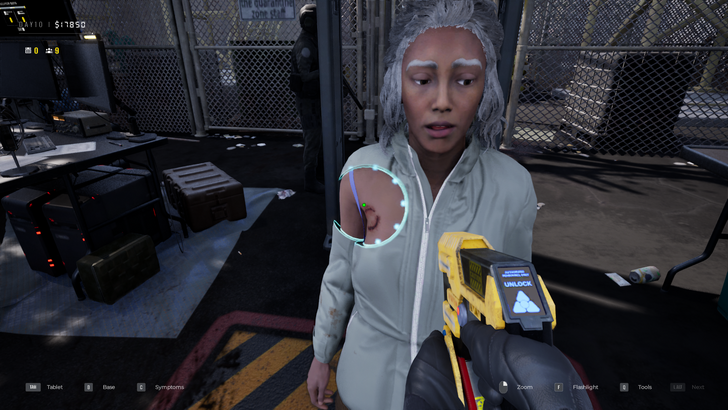
What’s notable is how little the game punishes you for being wrong. In theory, that makes sense. You’re the checkpoint commander. There’s no higher authority breathing down your neck, no oversight committee reviewing your calls at the end of the day. The game largely trusts you to live with your decisions—if you even care to.
Confiscating the wrong contraband only costs you a small sum of money. Executing an innocent person carries no systemic backlash beyond whatever moral discomfort you’re willing to feel. Sending a healthy individual to the laboratory doesn’t meaningfully disrupt your progress unless you personally care about the ethics of it.
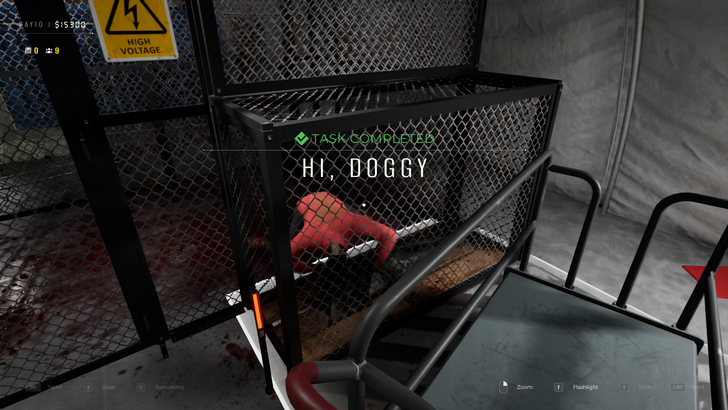
Even some outcomes that feel horrifying on paper are mechanically rewarded. Sending infected individuals into quarantine alongside those merely showing symptoms often leads to everyone inside eventually dying—and that’s framed as a positive. Those newly turned zombies can be kept, almost like "pets," and later shipped off to the science department. In return, you gain research points that feed directly into upgrading your base and systems.
It’s a design choice that says a lot about what kind of player the game is willing to indulge. Quarantine Zone: The Last Check doesn’t shame you for cruelty, nor does it meaningfully discourage it. Instead, it creates a playground for players who enjoy absolute control, moral ambiguity, and the uncomfortable realization that efficiency often rewards the worst possible decisions.
And whether that feels clever, disturbing, or a little too permissive depends entirely on who’s sitting behind the desk.
Control Extends Beyond People
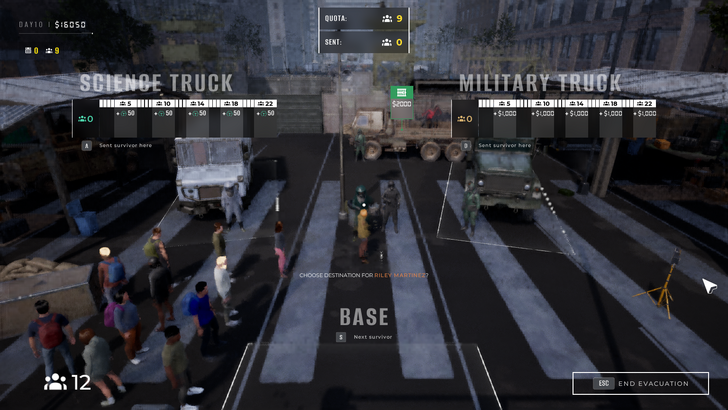
That sense of unchecked authority doesn’t stop with the people passing through your gate, it extends directly into how the entire checkpoint functions. Quarantine Zone: The Last Check folds its base management systems neatly into that same power fantasy, not to overwhelm you with complexity, but to reinforce the feeling that everything here lives or dies by your decisions.
Base management in The Last Check sticks to the fundamentals of the genre, and that’s very much by design. The systems aren’t there to punish you or turn the game into a spreadsheet simulator. Instead, they exist to support the core loop and add texture to the experience. Everything is interconnected, but nothing is deliberately obtuse.
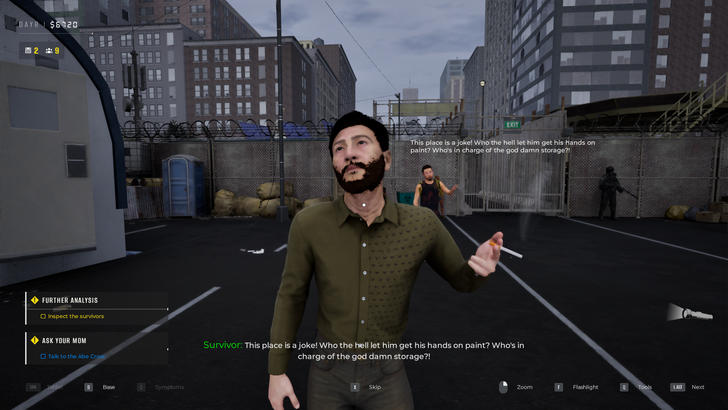
Progress starts with upgrading the base itself. Until the checkpoint reaches certain levels, you simply can’t improve individual buildings. From there, you begin expanding key areas like the survivors’ block—tents for housing, a canteen to keep people fed, and a clinic to manage medical needs. Upgrading these structures mostly comes down to increasing their capacity. More space, more people, more tolerance before the system starts to buckle.
The quarantine area follows the same logic. Its upgrades determine how many people—or eventual infected—you can hold at any given time, which directly feeds back into your inspection choices. Even the outer walls matter, not just as a visual representation of progress, but as a functional defense. Stronger walls help during the drone-based segments where you fend off incoming hordes, tying those brief action moments back into your broader management decisions.
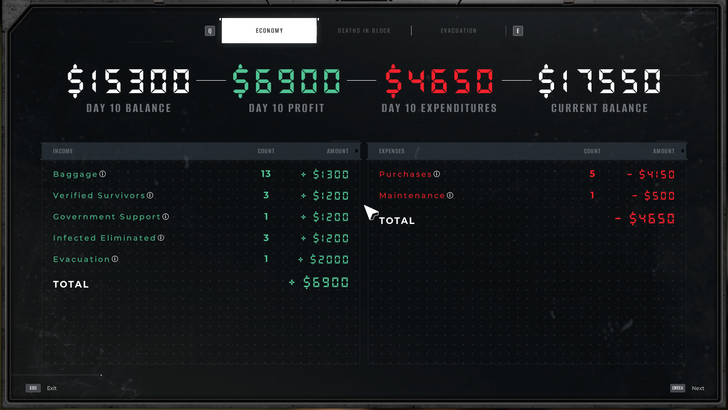
What’s notable is how little friction the game introduces here, and that’s not a criticism. There’s very little in the way of traditional challenge. You’re rarely fighting the systems themselves. Instead, the design encourages a steady, almost therapeutic flow of upgrades and expansions. The one constant pressure point is power. Keeping the generators fueled is essential, because they’re what keep everything running.
In a game so focused on authority and oversight, the base doesn’t exist to test your limits, it exists to remind you just how much control you have, and how smoothly things run when you’re the one pulling all the levers.
Fun Carries the Game’s Weight
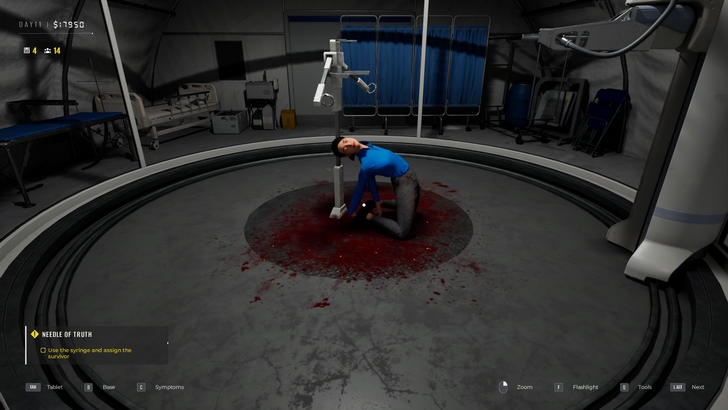
So if Quarantine Zone: The Last Check is this enjoyable, then why didn’t it walk away with a higher score? Because this genre only asks for one thing to earn affection: be fun. And Quarantine Zone absolutely clears that bar.
The problem is that, again, fun alone doesn’t automatically translate into something that’s objectively good. There’s very little real challenge here, and while that can be comforting, even appealing, I can’t help but wonder how flat the experience would start to feel after, say, sixteen straight hours in endless mode. At some point, the systems stop evolving, and you’re left repeating motions without much resistance.
That alone wouldn’t have been a dealbreaker. Honestly, it isn’t even my main issue.
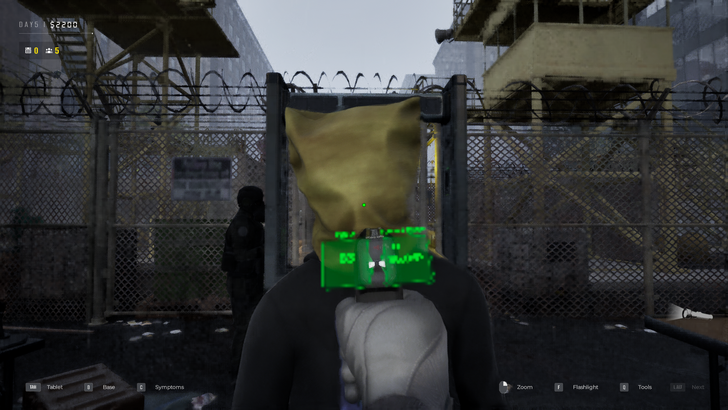
My real frustration comes from the fact that many of the problems present in the demo are still here. Maybe I’d be more forgiving if the game had released exactly when it was originally planned back in September of last year, but let’s be honest, I probably would’ve said it needed more time even then. I guess that’s my point, it still needs more time to develop.
The most glaring issue is performance. Visual degradation becomes extreme after Day 5. The game begins to break down in ways that go far beyond minor stutters or dips. Restarting helps—temporarily—but the problem inevitably comes back. These aren’t subtle drops, either. We’re talking about moments where the screen turns into a smeared bundle of pixels. In a game where you’re expected to closely examine skin, eyes, and physical symptoms, not being able to see clearly actively interferes with the core gameplay.
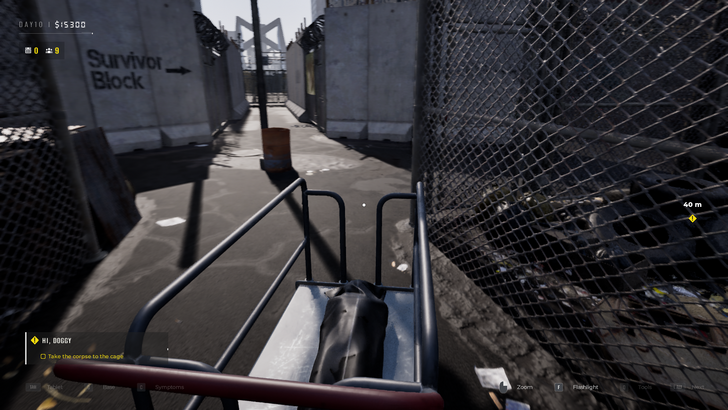
Then there are the mechanical issues. Sprinting can suddenly stop working altogether, only returning after a full reboot. Some tools fail to function the way they’re supposed to. The trolley used to transport dead bodies behaves like it’s powered by chaos instead of physics, sliding and snagging in ways that feel unfinished rather than quirky.
Soft-locking is another problem, and it’s one that feels especially unnecessary. Naturally, when you see the option to upgrade something, you’re going to want to do it immediately. The game encourages that instinct everywhere else. But certain upgrades are tied directly to campaign progression, and activating them too early can lock you out of progress entirely.
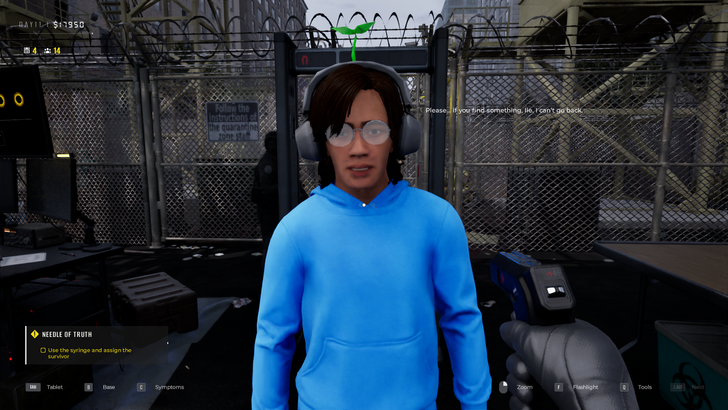
All of this circles back to the same point. Quarantine Zone: The Last Check is fun—genuinely so—but it’s fun in spite of issues that should’ve been resolved long before release. These aren’t new problems. They’re the same ones that showed up in the demo. With more polish, more stability, and more time in the oven, this could’ve been something far stronger.
As it stands, it’s an enjoyable experience trapped inside a game that clearly wasn’t ready to stop being worked on.
Is Quarantine Zone: The Last Check Worth It?
Not In Its Current State
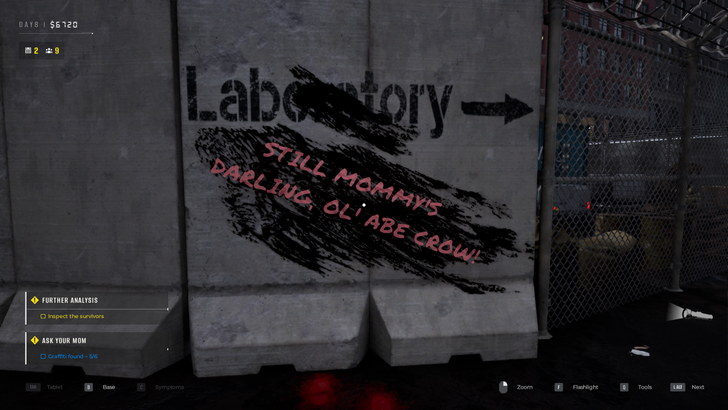
If you don’t mind the unstable performance and systems that sometimes feel held together by duct tape, Quarantine Zone: The Last Check can still be a genuinely fun addition to your lineup of management-driven, paperwork-heavy games. The game scratches the same obsessive itch as its genre peers, even when it stumbles over itself.
That said, even though I genuinely enjoyed my time with this game, do I recommend buying it right now? Not really. This is one of those games that clearly benefits from time, patches, and iteration. The foundation is strong, the ideas are solid, and the moment-to-moment experience can be engaging, but the technical issues drag it down in ways that are hard to ignore.
Do I think it’s fun? Absolutely. Do I think it has something worth holding onto? Yes. And do I hope the developers keep working on it, fixing what’s broken and refining what already works? I really do. Quarantine Zone: The Last Check isn’t a lost cause—it’s a game caught between what it already is and what it very clearly wants to become. And if it gets there, this is one checkpoint that’ll be worth revisiting.
Quarantine Zone: The Last Check FAQ
Is Quarantine Zone: The Last Check Available on Xbox?
Yes, Quarantine Zone: The Last Check has been released for Xbox, the same day the PC (Steam) version dropped.
What Are Quarantine Zone: The Last Check's System Requirements?
Below are the system requirements needed to run the game according to its Steam page:
| System | Minimum | Recommended |
|---|---|---|
| OS | Windows 10 x64 Bit | Windows 10 x64 Bit |
| Processor | Intel Core i7-5820K / AMD FX-8370 | Intel Core i7-10700 / AMD Ryzen 5 5600X |
| Memory | 8 GB RAM | 16 GB RAM |
| Graphics | GeForce GeForce GTX 980 / Radeon RX 470 / Arc A380 | GeForce RTX 2080 / Radeon RX 5700 |
| Storage | 12 GB | 12 GB |
Game8 Reviews

You may also like...
 |
Quarantine Zone: The Last Check Review [Demo] Puzzle-Simulator |
 |
ROUTINE Game Review Psychological Horror, Stealth, Puzzle |
 |
The Precinct Review Sandbox, Action, Shooter |
 |
Farming Simulator 25 Review Simulation |
 |
Planet Coaster 2 Review Simulation, Strategy, City Builder |