
Overview
What is Code Vein 2?
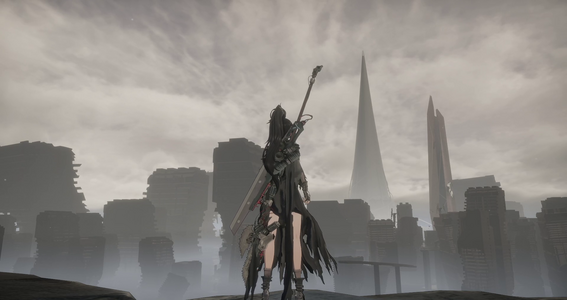
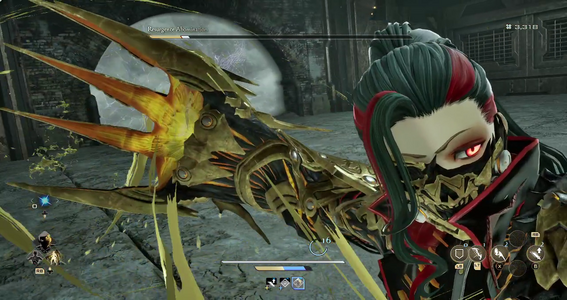
Code Vein 2 is the open world sequel to 2019's soulslike Code Vein, where players will embark on a journey through two different eras. The future where humanity and Revenants struggle with the planet that's on its last legs, a catastrophe away from completely collapsing. The threat known as the Luna Rapacis makes its appearance, turning Revenants into terrifying creatures called Horrors.
Players step into the role of a Revenant Hunter, tasked to jump back into the past with a time-traveller named Lou in order to rewrite fate.
Code Vein 2 features:
⚫︎ Open world exploration
⚫︎ Soulslike gameplay
⚫︎ Day/night system
⚫︎ AI companions
⚫︎ Customizable protagonist
⚫︎ Mirrored overworld via time travel
⚫︎ Melee, ranged, and magic skills
⚫︎ Equipment modification
| Digital Storefronts | |||||||
|---|---|---|---|---|---|---|---|
 Steam Steam |
 PS PS |
 Xbox Xbox |
|||||
| $69.99 | |||||||
Code Vein 2 Review: When Dreams Come True Too Soon
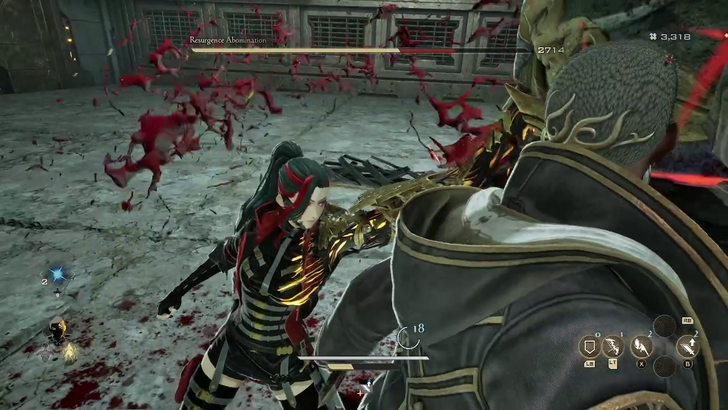
Despite being a massive fan of gacha games with most of my time occupied by the usual daily grinds, Code Vein 2 was still my most anticipated game of the year. Not the recently-released Endfield, and not possibly Ananta or Neverness to Everness (if they release this year, that is). After all, the original game was my all-time favorite soulslike, bar none. It was what got me into soulslikes and even the Soulsborne games in general.
I mean, who doesn’t like anime men and women in a genre so often associated with bleak and gritty settings?
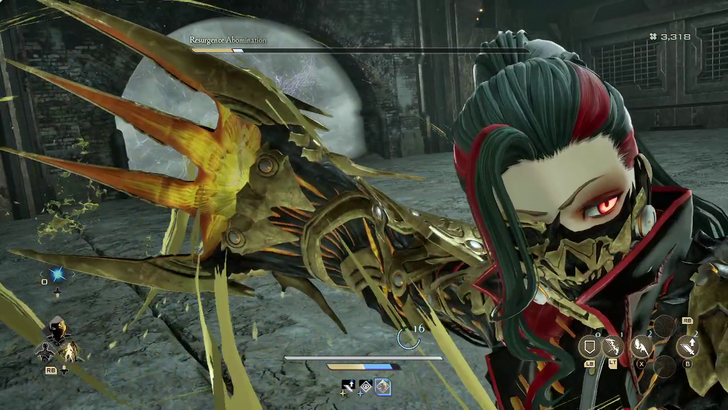
Of course, I bought the deluxe edition without hesitation, shelving my Endfield grind and daily runs in Wuthering Waves just to jump in early. I needed to see where the sequel would take the story next.
Unfortunately for me, it seems that trying to rush things only gave me a sour first impression of my beloved sequel. That’s because several hours of significant frame drops and stutters later, I realized that what I stepped into wasn’t just an open-world version of one of the genre’s most memorable and equally janky entries. It was also a hellscape of unoptimized design.
On top of that, barely anything changed even after it fully released a few days later.
Hello, Whole New World
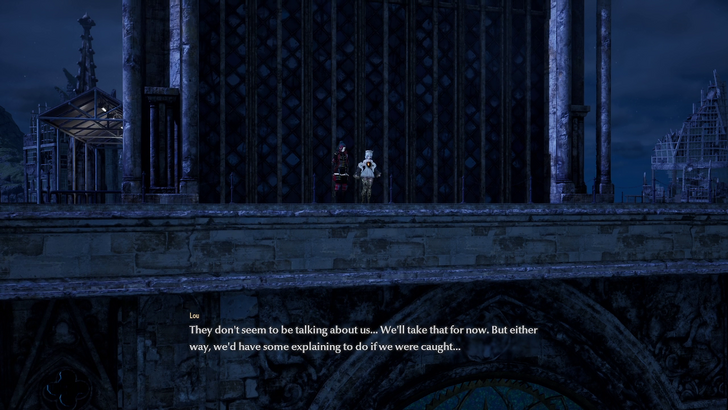
Code Vein 2’s story takes the series in a completely new direction, especially if you lump God Eater into the same series. Instead of trying to science its way out of the apocalypse with giant weapons, edgy costumes, and the power of friendship, Code Vein 2 asks a far bolder question I swear is original: what if we just fixed everything with time travel?
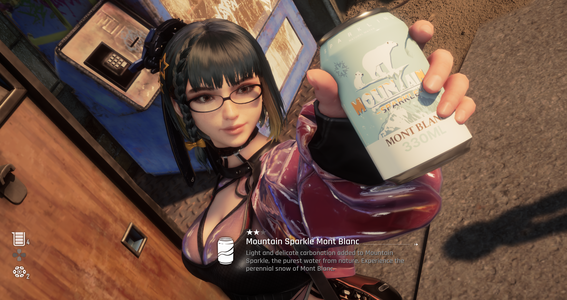
You play as the Revenant Hunter, someone who basically hunts vampires to pay rent, who wakes up after having already died once. Naturally, as the protagonist, plot armor kicks in and you’re revived thanks to Lou Magmell, your newfound most trusted partner and possessor of thighs bigger than life, who quite literally saves you by sharing half of her heart. Why? Because she needs your help retrieving keys from heroes of the past in order to save the present. Simple enough, right?
Now, I’m generally not a part of the time travel fanclub because I’ve always felt it as a cheap way to fix things, but Code Vein 2 actually handles it better than expected. It cleverly sets you up at the beginning to believe that each time-travel “episode” will resolve neatly, only to make your scalp itch hard when things don’t end the way you assumed they would.
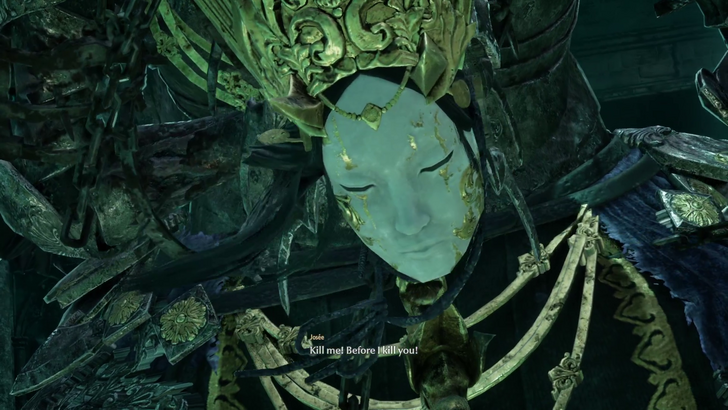
That’s because the real ending often only becomes accessible well after an arc’s apparent conclusion. And the fact that the game makes players question whether their efforts even worked is a strong indicator that something is being done right.
That said, it’s far from flawless. The biggest issue is how strangely it handles its payoffs, often delivering them anywhere except where they feel narratively natural. Take Noah, the second Revenant companion you meet and technically the first one you can fully play with. As a preface, to unlock most companion-related mechanics, revenants need to assimilate with you, much like Lou did. But since Lou becomes unavailable for large portions of your time-traveling escapades, the story awkwardly forces Noah—and many later companions—to offer up their lives almost immediately.
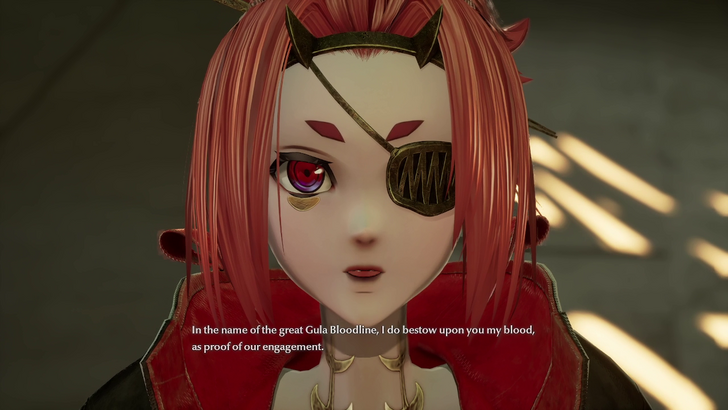
Josee is another good example (am I already spoiling too much?). When you first meet her, she initially mistakes you for an assassin and sucks your blood, yet just because you protect her from the real threats moments later, she suddenly decides that the reasonable next step is to hand over her heart?
I can’t be the only one who thinks the sequence of events here feels… off, right?
Oh, and before I forget, it’s also incredibly disappointing to know that Code Vein 2 isn’t a sequel of the original. Sure, they share a lot of concepts and lore, but considering that the first Code Vein had a very open ending, I would have loved to see the continuation of the gang’s journey.
It Doesn’t Look Like Code Vein Anymore, Eh?
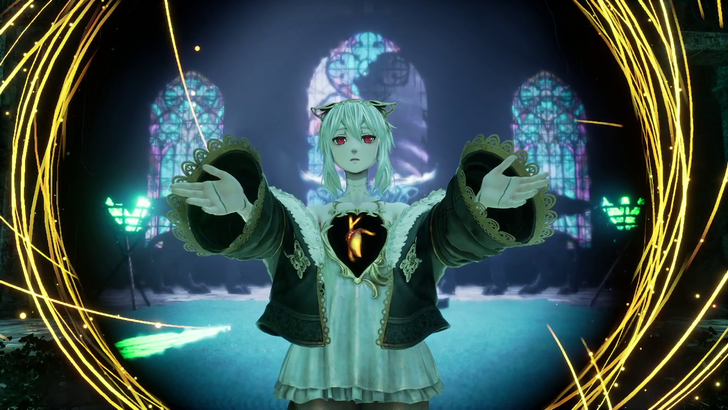
Speaking of the original Code Vein, that game was very synonymous with a strange, yet extremely compelling combination of gothic fashion, military utility, and gas masks as a fundamental requirement for all designs.
Unfortunately for fans, that’s barely the case anymore. Take Lou Magmell, for example. You can compare her directly to Io from the original, and despite the latter wearing arguably less clothing, she still looks much more like a survivor of a post-apocalyptic scenario than the former. Heck, gas masks are now mere accessories instead of mandatory equipment, too, which severely impacts the dystopian/post-apocalyptic aesthetic of the game.
Of course, this is just me ranting about something we lost, and it totally doesn’t affect the game’s current overall visual quality.
A Better Time Getting Pummelled
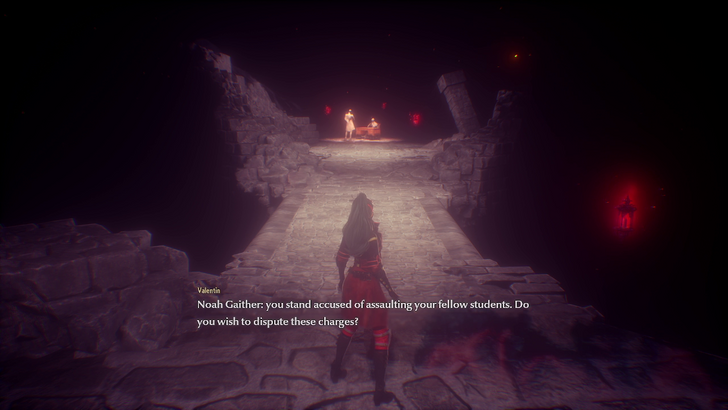
The original Code Vein was well known for its janky, yet confusingly enjoyable gameplay that offered players a lot of freedom in how they approached, well, almost anything you can think of. So as a big fan of the original, I was insanely happy to realize that the sequel barely touched its core gameplay elements. In fact, they made it even better.
For reference, Code Vein 2 is a soulslike with many of the bells and whistles associated with the genre such as heavy dependence on stamina for many battle actions, dodge rolls with tight timing to avoid the dreaded game over screen, and enemies that manifest out of thin air every time you touch a checkpoint.
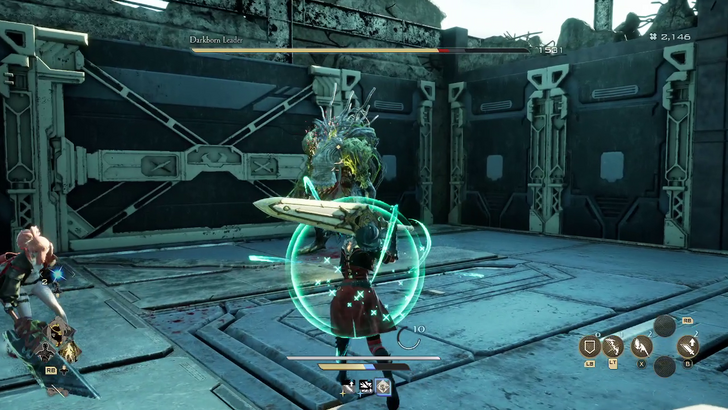
There are quite a number of differences, though. For one, much like Elden Ring, Code Vein 2 is set in an open world that you can explore either on foot or on a cool-looking motorbike. Stats aren’t freely customizable, either, as it’s entirely dependent on your equipped Blood Code (class).
The most important distinction, however, is Code Vein 2’s Companion System. Similar to the original, this game allows you to play through the entire game alongside a partner controlled by an AI. But their function isn’t purely for added damage; these are very useful characters that attract aggro to themselves, break the dead air, notify you of points of interest, and even save you from death multiple times.
Easier Solo, Even Easier Otherwise
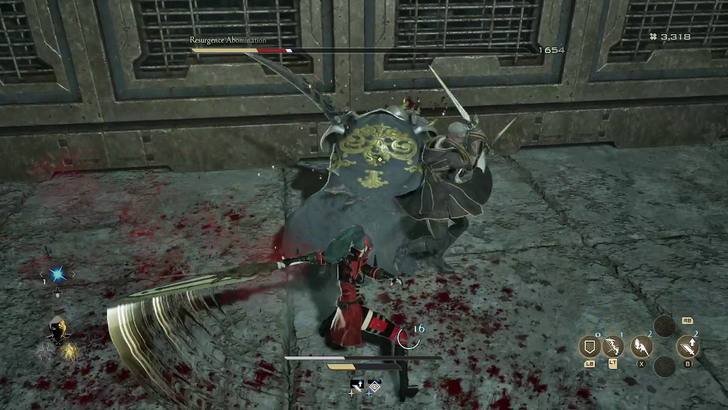
The original Code Vein had a particular problem regarding its AI companions, though. Unlike the vast majority of AI-controlled partners, these ones are certainly no slouch. The problem was that they were actually too competent at their job. They rarely get hit, their last-second heals and aggro drawing are literally life-saving, and their damage output isn’t insignificant either. In a word, the difficulty was misaligned.
Sure, you could choose not to bring a companion along, but that created an entirely different issue: because the vast majority of the game was designed with an AI partner in mind, not having one spiked the difficulty high enough that it felt like you were playing a different game. There was no middle ground, and it feels pretty accidental.
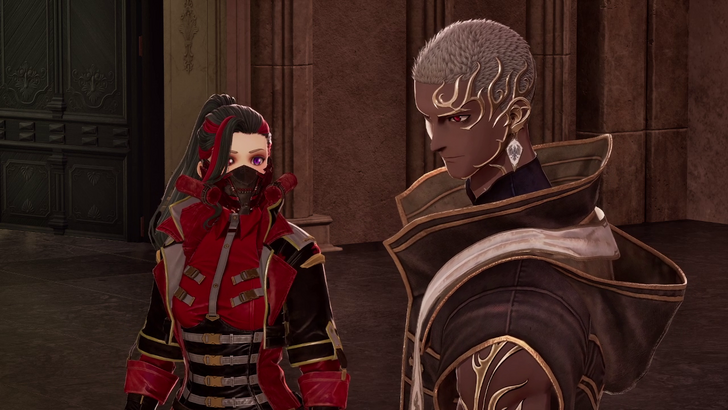
Code Vein 2’s developers, probably aware of those issues, attempt to fix them by providing two modes of using your companions. The first resembles the original for the most part, with them engaging in combat alongside you and providing the usual support, albeit with notable differences.
For one, their pre-death heals now come at a cost; after saving you from death, they become inactive for a while, forcing you to face the boss alone until they recover. If they’re inactive and you take fatal damage, it’s back to the checkpoint. The amount they heal also gradually decreases, making it increasingly likely that you’ll fall while your partner is unable to save you.
This makes relying on your partner’s heals lose its appeal the more you take a knee. It also forces you to stop spamming attacks and learn how to survive during your companion’s inactive periods. And for a soulslike where each fight must feel like it could be your last, that feels very fair, as it really only punishes skill issues or lack of familiarity.
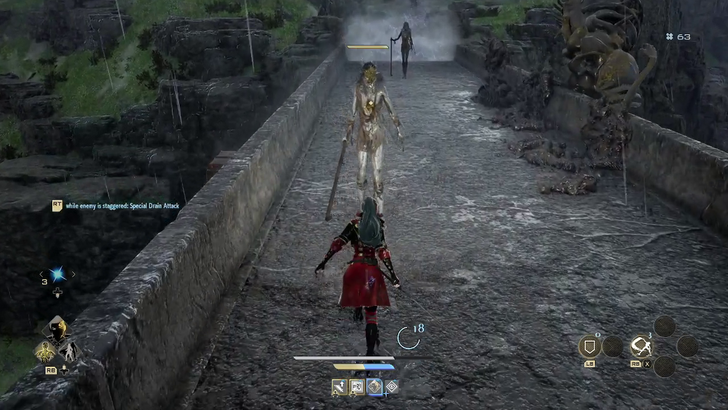
The second mode is an entirely new one. Remember how in Code Vein you could simply choose not to bring a companion along? The same holds true here, technically. But instead of just leaving them at home, the game allows you to assimilate with them.
This is the solo experience of Code Vein 2. Despite that, the enemies aren’t affected at all. To close the gap, assimilating with your partner provides you with a variety of buffs, allowing you to catch up and perform somewhat close to what two people can do. This is an excellent solution compared to, in a way, being outnumbered in a doubles match. It may still feel overwhelming, but at least you now have a crutch that functions entirely off your own skill.
To be fair, though, you don’t really need to adapt much because enemy AI is lowkey utter garbage. Like, you can gain a massive advantage in most non-boss encounters by simply pulling aggro from a distance with a cheap arrow to the knee, charging a weapon of your choice (I prefer my Jails), waiting for the enemy to come in for a high five, and then making a Phil Swift and exclaiming “That’s a lot of damage!”
New Toys, New Fun
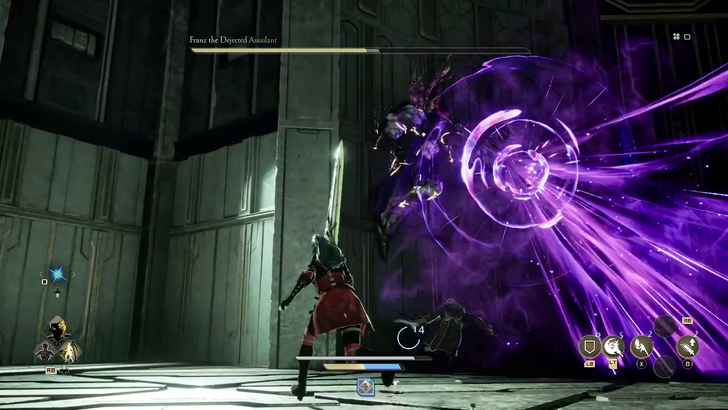
The original Code Vein had a very simple system for builds. All you needed to make one was a set of weapons, a Blood Code (class), a Blood Veil (armor and auxiliary weapon in one), and your Gifts (skills). In that game, all of your stats relied entirely on your Blood Code, so there was no need to personally allocate every single point like in Elden Ring. Everything else, meanwhile, affected your offensive and defensive parameters and options.
Code Vein 2 mostly reuses this system, but with a few new toys to play with. And among these, the most important are the Bequeathed Formae, which is a new classification of weapons. Oh, and you have shields now, too. And together, they expand your options horizontally with more tools to deal with even more situations.
Before you ask, yes, Blood Veils did get replaced by the more weapon-parallel gear called Jails. However, both function almost exactly the same. The only real difference is that, unlike the former, which were basically weaponized mantles, Jails no longer serve as clothing.
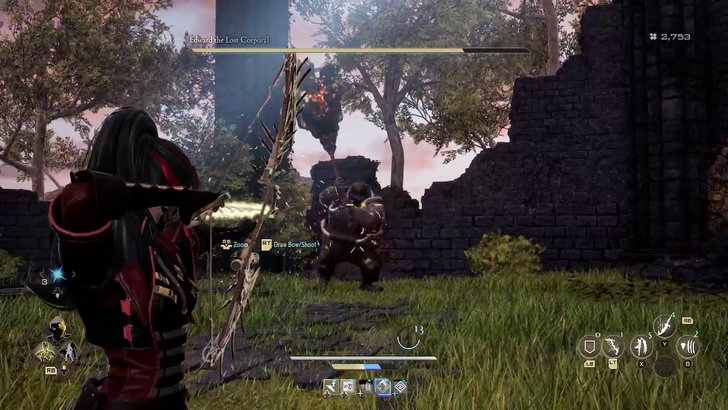
Now, including Jails (because you can’t use Blood Veils as a non-Revenant), that puts you at three weapons, the same number as in the original game. Bequeathed Formae, though, brings that number to four and serves as weapons used more for utility than consistency or damage. In other words, they provide you with even more options in combat, as they range from simple ranged weapons—though we still have muskets and bayonets—to axes that break shields.
This fourth weapon means you’re less likely to encounter situations where you’re walled in by your own build. And as someone who prefers to play either with a giant sword and suffer when tagging things at range, or with a bayonet that struggles against extremely tanky targets, this is a very welcome addition to the arsenal.
Oh, by the way; you can’t use Bequeathed Formae often, as they rely on ichor to use and ichor replenishes during normal combat’s drain attacks.
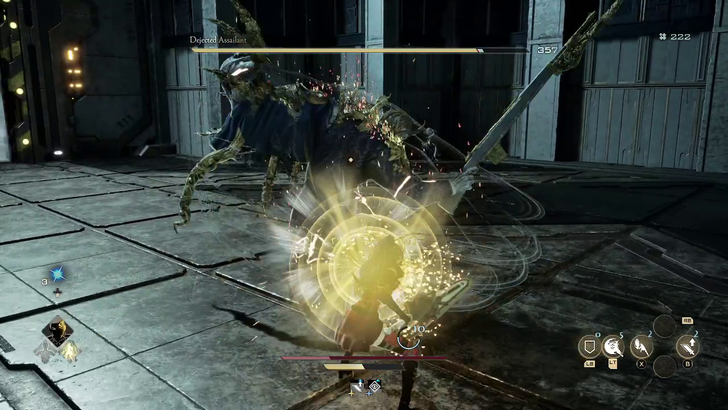
Lastly, shields… well, what can I say? You use them to shield against attacks, duh. The shields themselves are new because, in the previous game, parrying and guarding were pretty homogeneous across weapons, just with varying effectiveness. Here, however, shields matter and directly influence how you defend yourself thanks to the various effects they possess.
For example, there are shields that can parry but never block. Then there are all-around shields that can be used for both, albeit with a hit to your stamina, and so on. That may not look all too impressive at first glance. But for someone like me, who relies excessively on dodging and rarely on guarding, having a parry-specialized shield makes all the difference.
After all, I’m not going to guard, but I will remember that I can parry every now and then.
I Fought Rising Parts Prices to Still Stumble
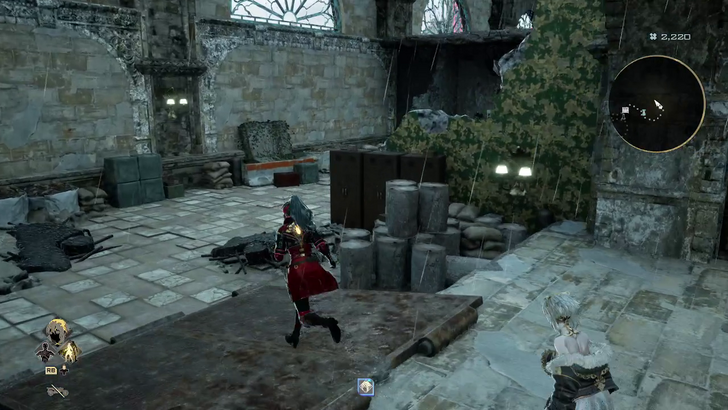
Unfortunately, even after giving the game a chance since its early release for a patch, the greatest obstacle you need to overcome in order to enjoy this game is, without a doubt, its absolutely horrible optimization. I’m not even running the game at the recommended specs; I’m firmly above them by a not insignificant margin. Yet I still get insane frame drops from everything ranging from cutscenes, riding on my bike, to the mere sight of rain.
Sure, performance improved greatly after I switched to DLSS, but it still didn’t completely solve the problem. And while I would absolutely love to defend the sequel to my favorite soulslike, the recent Steam Hardware & Software Survey shows that most of my fellow gamers are running lower specs than I am, so I can only imagine that their experience is far worse than mine.
Remember, this is a soulslike. It’s a genre that demands tight reactions from its players. But if the game itself becomes the main hurdle preventing us from playing it properly, then we can’t really be blamed for getting annoyed.
The Open World Shows a Lot of Promise
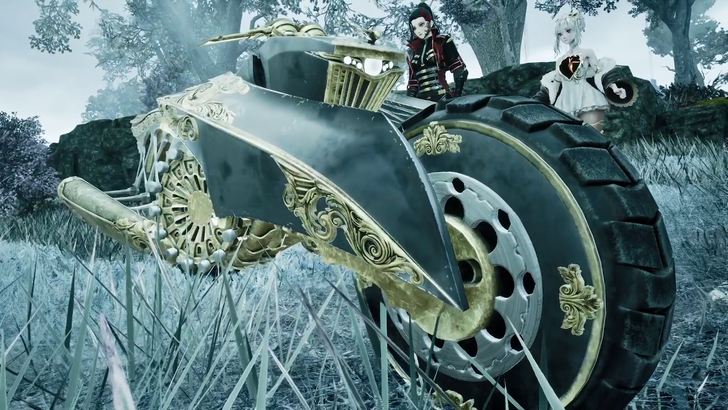
That said, it’s not all doom and gloom. Code Vein 2 being open world brings with it a structurally unique experience that neither the original nor any of the three God Eater games offered: seamless exploration where the urgency is almost entirely transferred to us.
This will feel very familiar to players who came from Dark Souls and moved on to Elden Ring. Ergo, it’s a strange but very welcome change that gives power back to the player, allowing progression with high levels of freedom they want in a genre that typically doesn’t provide it.
Code Vein 2 lets you go almost anywhere you want the moment the world opens up. It even expressly tells you so through its writing, placing all three of your first major objectives on your quest list, marking them across the map, and allowing you to access them immediately via your fancy motorcycle (yes, you can somewhat do the Akira bike slide)… or by spelunking through horror-infested caves.
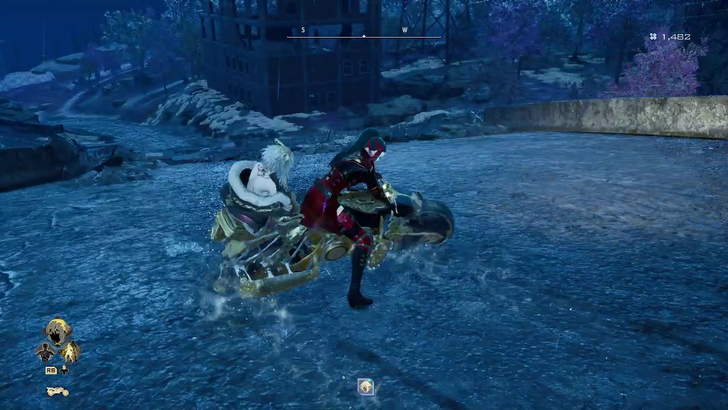
Of course, this still isn’t true freedom, as later quests remain locked behind plot progression. The game still points you toward where you need to go using those same markers, too, and actually getting there can be a pain because the bike handles like a flail and makes your frames drop as well.
But at the very least, the level of freedom Code Vein 2 provides is very real. And considering that this is also technically a post-apocalyptic horror game, it inadvertently succeeds in conveying a sense of loneliness through the map’s emptiness without having to rely on narrow corridors or littering the map with corpses.
That’s quite impressive, since normally, emptiness in open worlds is a con.
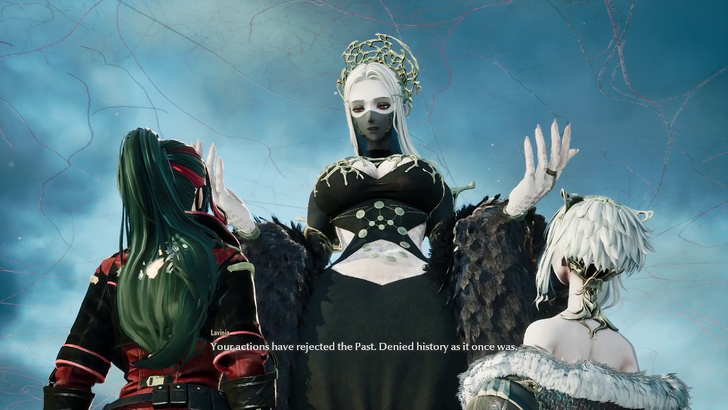
But aside from the performance issues, I’m really enjoying it. There are more things I’d like to point out, though, such as the… uhh… rather weird body proportions and designs of several characters. Oh, and the time travel mechanic feels completely disconnected from the rest of the series, especially if you throw God Eater into the mix.
Still, none of them hold a candle to the biggest issue this game has. Bandai Namco really needs to address the performance issues, or this will forever be remembered as a game that tried too hard to produce a product without remembering that not everybody has an RTX 5090.
Is Code Vein 2 Worth It?
Consider Only if You’re a Fan. Otherwise, Wait for a Sale or Patch
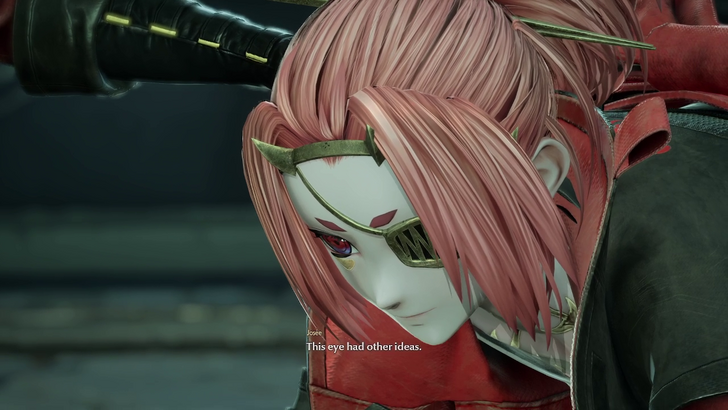
Despite all of its issues, Code Vein 2 is still a fun romp if you ignore its optimization issues. That’s easier said than done, though, because rain is abundant, your motorbike is your main vehicle to traverse the open world, and because this is a narrative-heavy game, there will be a lot of cutscenes for you to stutter and suffer through.
That’s why I heavily recommend waiting for Bandai Namco to fix their game first—or a sale. That works, too.
Code Vein 2 FAQs
Is Code Vein 2 a sequel to Code Vein?
No, it’s not. Unfortunately. They do share a lot of similar concepts and lore, though.
You may also like...