

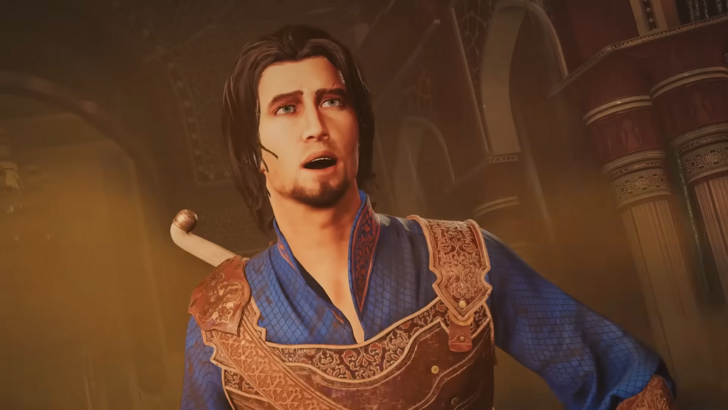
Ubisoft’s major structural changes follow a plethora of game cancellations, delays, and studio closures. Find out what the French-based studio plans for its future and its continued utilization of generative AI.
Ubisoft’s Ongoing Company Reset
Major Organizational, Operational, and Portfolio Reset
Ubisoft is currently undergoing a company reset, which involves huge restructuring and allocation of assets that will help them with their goal of having "sustainable growth and robust cash generation," including the cancellation and delay of several ongoing game projects such as the Prince of Persia: The Sands of Time remake. The studio announced this through a press release on January 21, detailing their plans for the future.
According to Ubisoft, the success of their goals will be predicated on their three main pillars: a new operating model, a refocused portfolio with a meaningfully revised three-year roadmap, and the rightsizing of the organization.
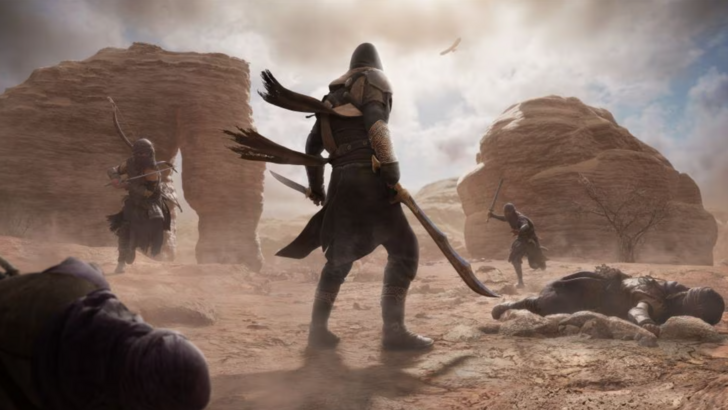
This major reset is driven by Ubisoft wanting to address a more selective AAA market, rising development costs, and intense competition in the shooter genre. While the current field is challenging, the company noted that successful AAA titles now hold greater financial potential than ever before.
Ubisoft CEO and Founder Yves Guillemot doubles down on this sentiment, emphasizing their focus on creating Open-World Adventures and GaaS-native (Games-as-a-Service) experiences. This strategy is centered around their new Creative Houses, which merge game development with publishing to create a more unified experience for players.
With this new structure, the studio has made several key changes in its future, including the cancellation of projects, the delay of game releases, and the closure of two studios. As stated in the press release, Ubisoft has discontinued six titles that did not meet "new enhanced quality."
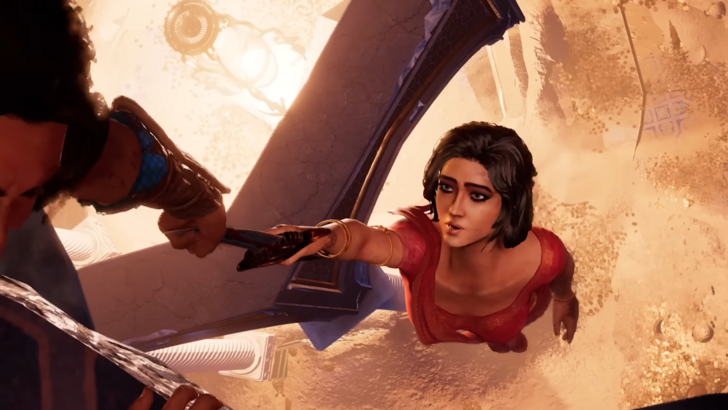
These games are the aforementioned Prince of Persia: The Sands of Time Remake, a mobile title, and four unannounced titles that include three new IPs. Furthermore, the studio also decided to "allocate additional development time" for seven of their current projects, including a game that was initially planned for FY2026, which has now been moved to FY2027.
The company also closed two studios in the past month as part of its efforts to "streamline operations and adapt to evolving market conditions." These studios are the Halifax mobile studio and the Stockholm studio, with Ubisoft also implementing restructurings at Abu Dhabi, RedLynx, and Massive.
Three Main Pillars
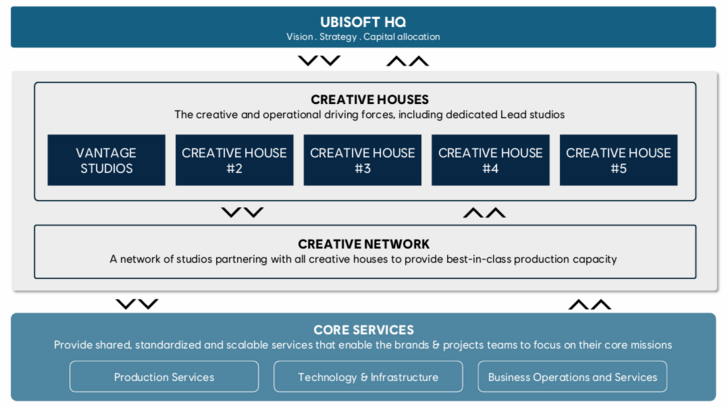
As mentioned, Ubisoft will transition to a decentralized model centered around five specialized Creative Houses. Starting in early April 2026, these units will combine game development and publishing, holding full financial ownership and accountability for their respective genres, which include the following:
● CH1 (Vantage Studios): Focused on large franchises like Assassin's Creed, Far Cry, and Rainbow Six.
● CH2: Dedicated to competitive and cooperative shooters such as The Division, Ghost Recon, and Splinter Cell.
● CH3: Focused on "Live" experiences like For Honor, The Crew, and Skull & Bones.
● CH4: Dedicated to immersive fantasy and narrative universes, including Rayman, Prince of Persia, and Beyond Good & Evil.
● CH5: Focused on casual and family-friendly games like Just Dance and Hungry Shark.
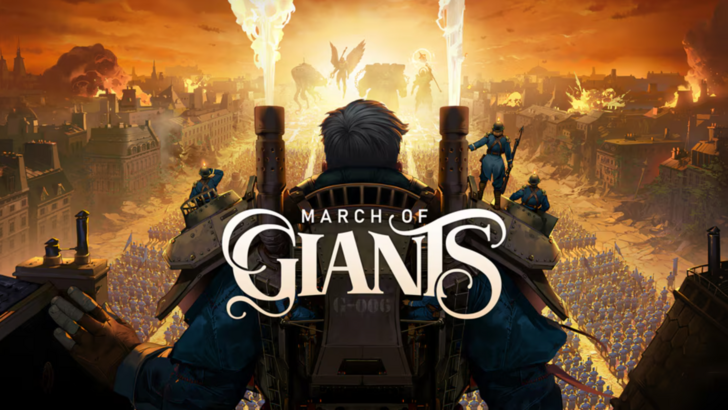
Ubisoft has also conducted a thorough review of its pipeline, leading to significant changes to its three-year roadmap. This includes the aforementioned cancellation and delay of certain projects, studio closures, and their new upcoming GaaS-native MOBA experience, March of Giants.
It goes hand-in-hand with their accelerating initiatives to improve structural efficiency, aiming to reduce the fixed cost base by an additional €200 million over the next two years and bringing the total reduction since FY23 to approximately €500 million.
Guillemot emphasized that while these decisions are difficult, they are necessary to build a more focused, efficient, and sustainable organization for the long term. "Taken together, these measures mark a decisive turning point for Ubisoft and reflect our determination to confront challenges head-on to reshape the Group for the long term," he said.
The CEO also highlighted how these changes will make a significant impact on the studios’ short-term financial trajectory, especially for fiscal years 2026 and 2027. "Ubisoft is entering a new phase – one designed to reclaim creative leadership and build value for players and stakeholders over the long term," Guillemot concluded.
Continuing the Use of Generative AI Moving Forward
Alongside these major structural changes, Ubisoft is also doubling down on its usage of generative AI. This is in part due to the introduction of their new value-creation model, which will transform the studio into "a more gamer-centric organization, structured around creative genres, relying on integrated business units with faster, decentralized decision-making and a greater ability to quickly adapt to players’ expectations."
To support its strategic focus on Open World and GaaS experiences, Ubisoft is increasing its commitment to Generative AI technologies that directly impact the player experience. While the usage of AI in development has been a constant hot topic within the community, the French-based studio has been open about utilizing it in their projects.
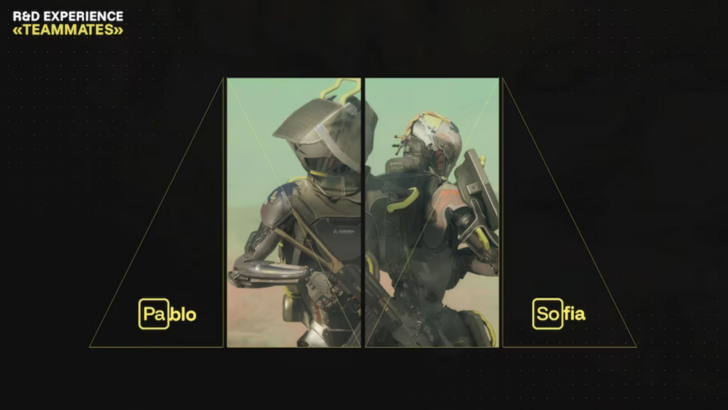
This includes their recently announced title, Teammates, which was the evolution of their previous AI project, Neo NPC. Through AI-driven voice recognition, the game allows players to give tactical commands, request briefings, and navigate settings using natural language.
Guillemot has long been a fan of using AI to aid in the development of video games. In an interview with Game File in September 2025, he reiterated his interest in AI tech and stated that it will make game worlds more reactive to player actions.
"We have been creating open worlds in the past, giving more choices to players, and now we will go another step further, which is, OK, [to] make sure that you have an impact on the world, and the world will react to you. So it will be your world," Guillemot explained.
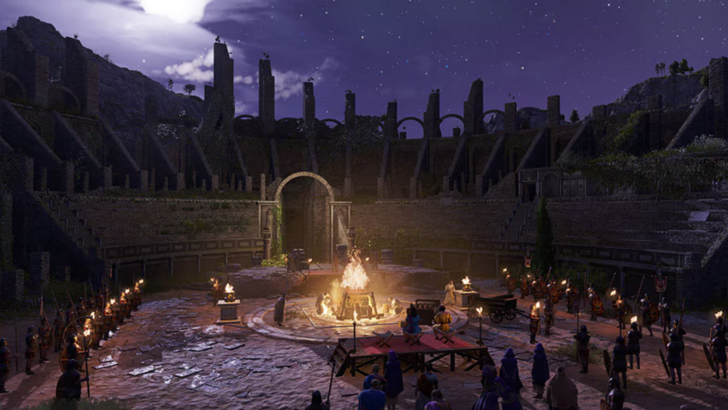
Despite these advancements, players remain wary of studios that utilize AI, citing significant ethical, economic, and creative concerns. Several developers and companies have received backlash due to their AI usage, including Larian Studios, which aims to cut down development time, Embark Studios, with their usage of AI-generated voice for ARC Raiders, and many others.
This has also impacted the eligibility of titles to receive awards, as most recently, Clair Obscur: Expedition 33 was disqualified from the Indie Game Awards for gen AI use. Ultimately, many are still skeptical about generative AI, but with the openness of some studios with its usage, the view on the concept could change in the next few years.
Source:
UBISOFT ANNOUNCES A MAJOR ORGANIZATIONAL, OPERATIONAL AND PORTFOLIO RESET TO RECLAIM CREATIVE LEADERSHIP AND RESTORE SUSTAINABLE GROWTH
Ubisoft Sets Generative-AI Game ‘Teammates’ From ‘Neo NPC’ Developers: ‘Our Role Is to Give AI Meaning, to Narrativize It’